


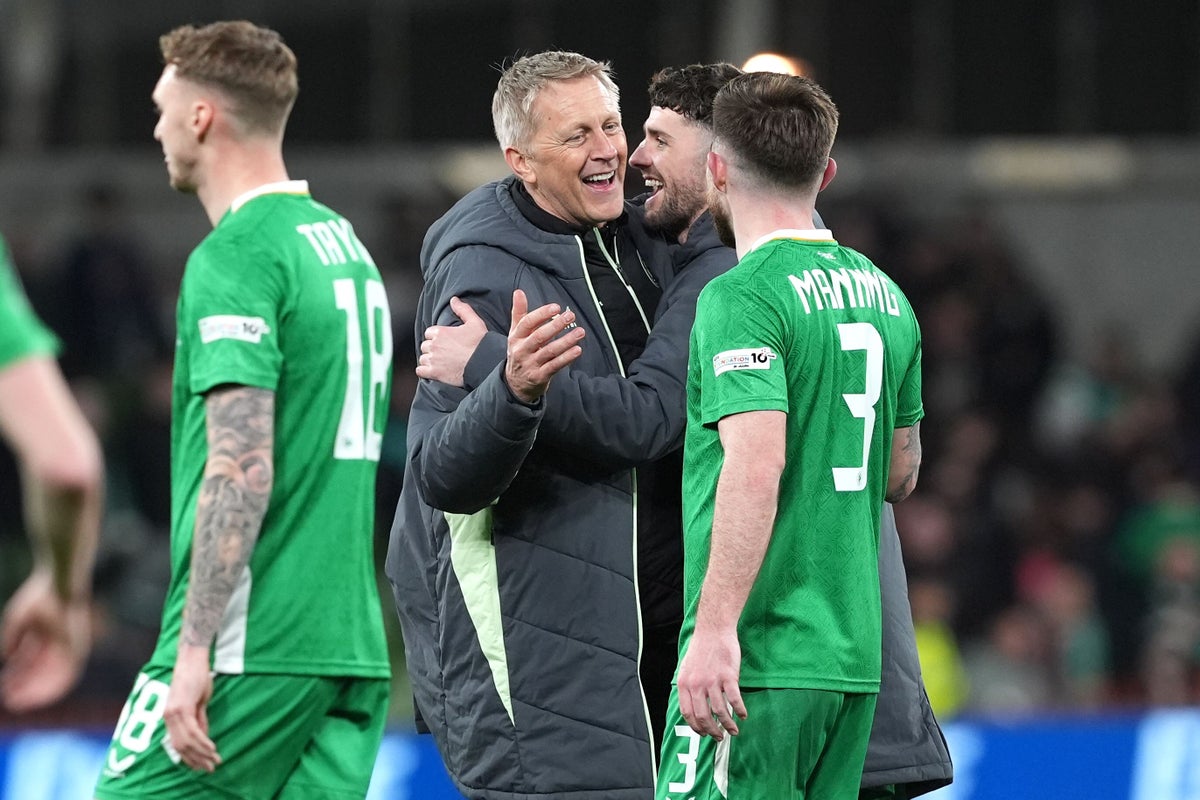
As World Cup 2026 starts, it stands on something of a split, after a shift. Russia 2018 involved no managers who had won a major domestic league or the Champions League. This one has several, with England’s Thomas Tuchel and Brazil’s Carlo Ancelotti the most prominent. If they have been appointed because they notionally bring guarantees, there is also a strange uncertainty.
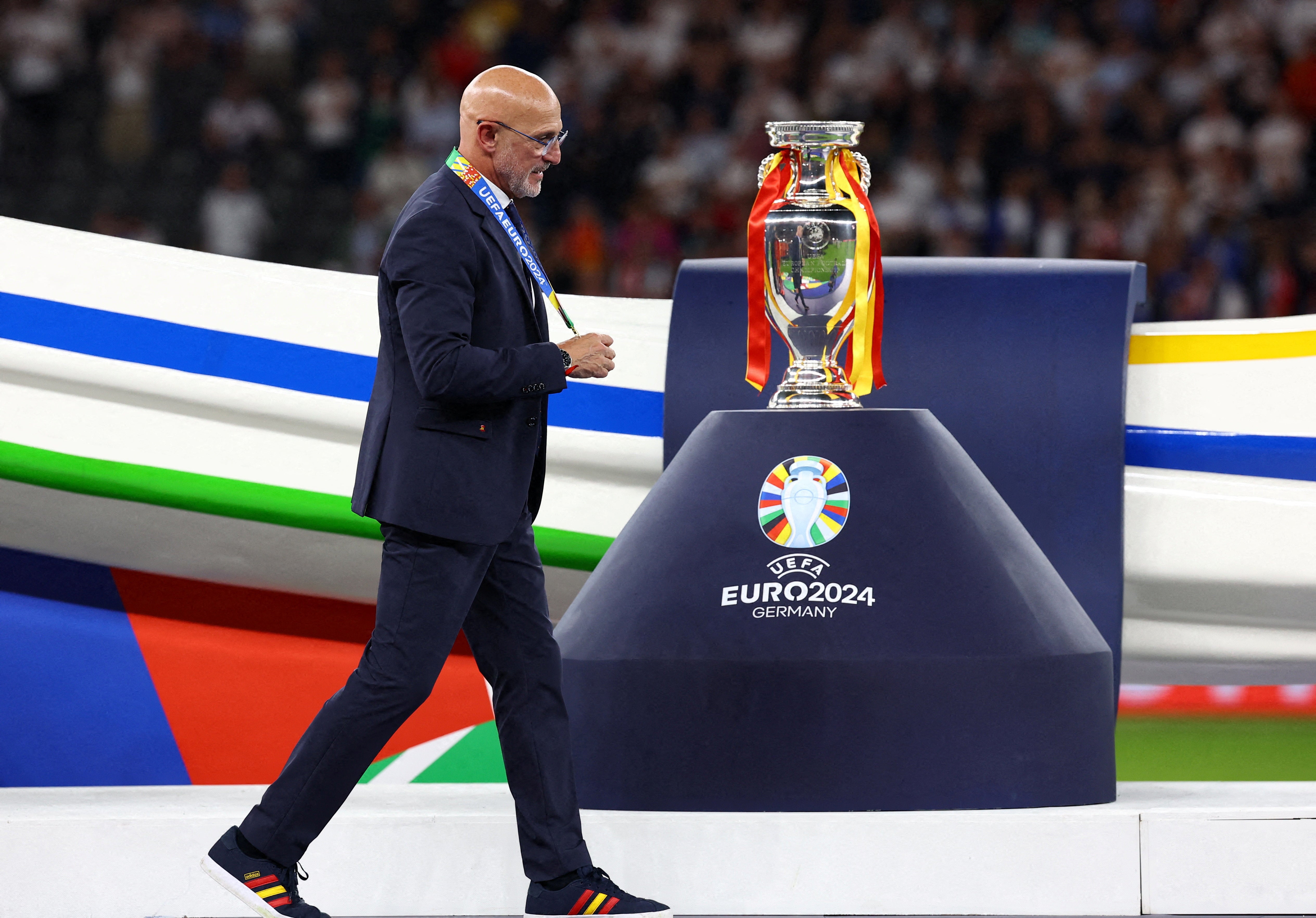
Hansi Flick and Luis Enrique were the coaching stars of the last World Cup, and both were out by the last 16. Instead, relative “nobodies” like Luis de la Fuente and Lionel Scaloni won the most recent Euros (Spain) and World Cup (Argentina), respectively.
The difference could decide this World Cup and it’s one that Marc Canham has had to think about more than most. The 43-year-old recently left his job as director of football and chief football officer for the Football Association of Ireland, with the country now much more confident about the surprise appointment of Heimir Hallgrimsson. He has revitalised the team.
The long process to appoint Hallgrimsson brought a lot of criticism in Ireland, but Canham now reveals the thinking behind a process that every national federation has to obsess about.
“Context is really important,” explains Canham, who has been involved in a high-performance project with the Football Association of Wales and worked with League Managers’ Association supporting career development. “There are some similarities in what you look for in a coach no matter the country but most important are where you are, what your talent pool looks like, and finding a coach that will maximise that.
“At Ireland, we wanted someone that had experience in international football, and that had achieved unexpected performance. That was the key. Also, planning, because it’s really important that you’re not on the grass every day.”
Canham and the FAI leadership sounded out eight main candidates, with an Irish connection just one consideration, before eventually bringing it down to four. One or two high-profile names were intrigued but couldn’t face the long stretches away from the training ground. Others thought an initial chat was a job offer.
 open image in gallery
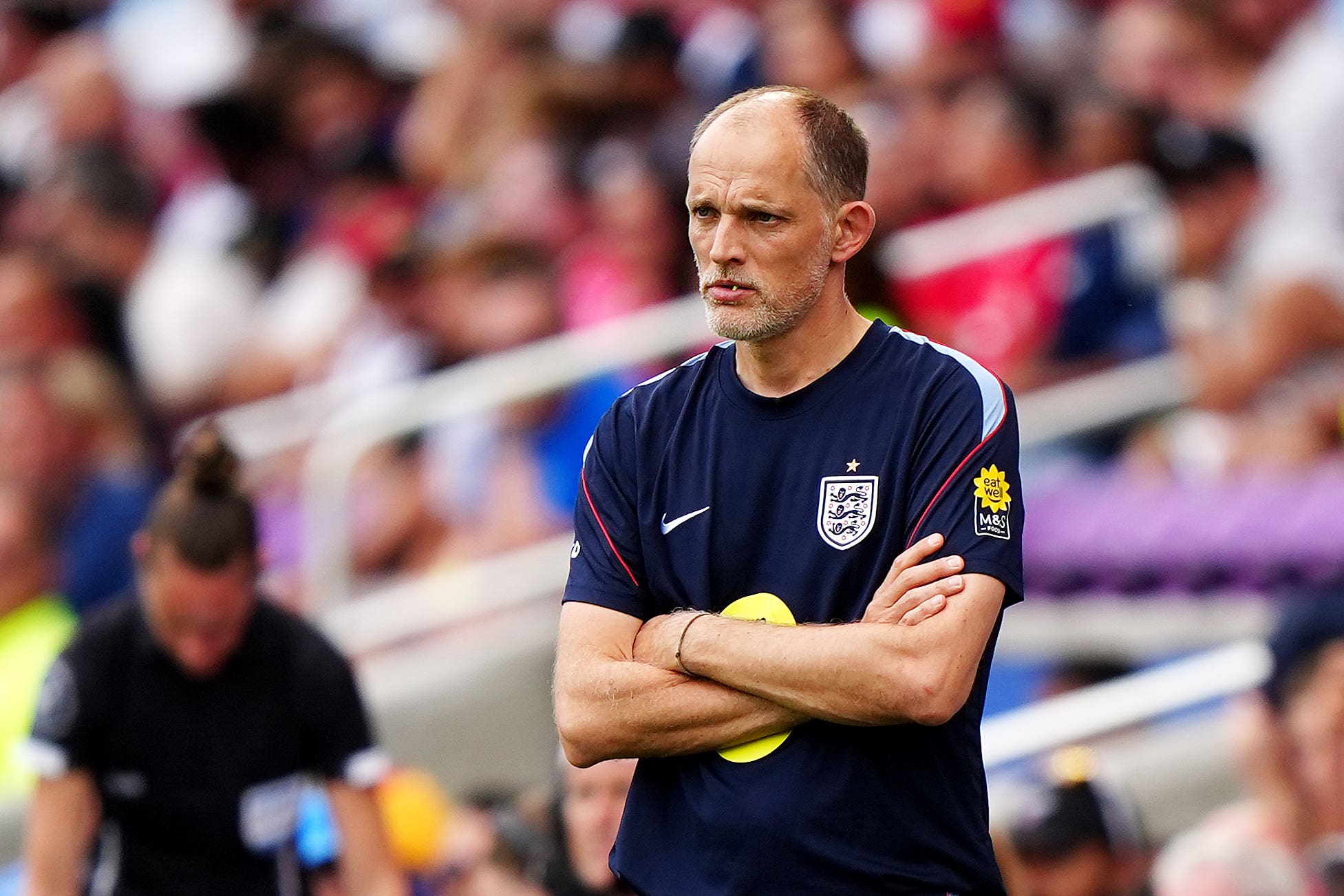
The search was naturally supplemented by use of a data company, whose research complemented an increasing awareness of ex-Iceland and Jamaica boss Hallgrimsson.
“He came up on the data, which measured managers in terms of expected performance, too,” says Canham. “So we were looking at a coach that had achieved the unexpected, like Iceland beating England at Euro 2016, taking them to a World Cup, and then a good job with Jamaica.
“We then have a technical interview where me and another member of the panel would focus purely on coaching, to get a deeper understanding of what they’re like and how they want to play the game. We then went through to a final panel, which involved the chief executive and president – very similar to the process in the business world.”
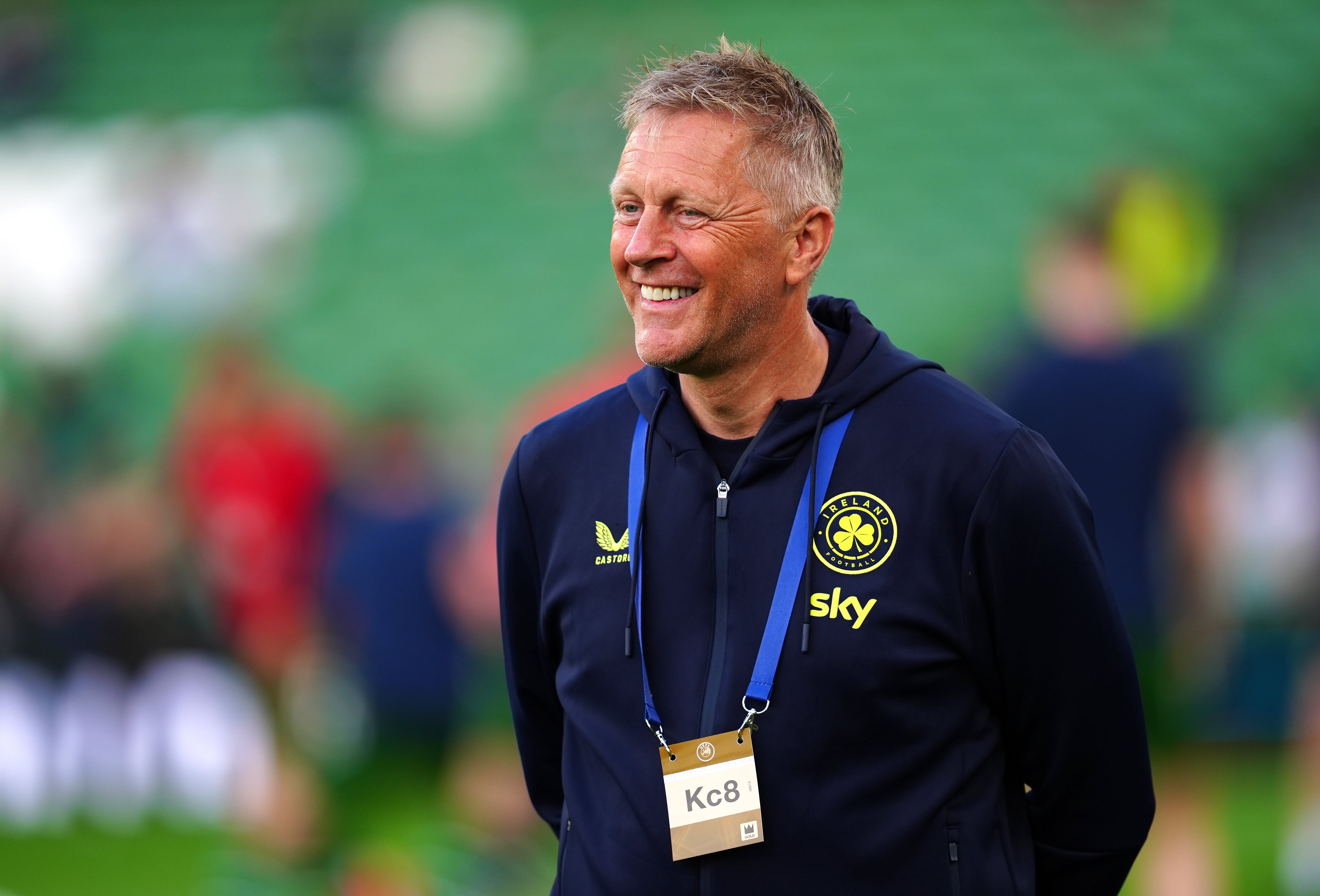
It soon became clear that part of Hallgrimsson’s success was an instinct for what made people tick, and an empathy. “Heimir is genuinely one of the best people I’ve met in football, maybe life,” insists Canham. “I don’t know if he’s a trained psychologist but he’s very aware of culture, atmosphere, the type of environment you need and the types of people and behaviours you need on and off the pitch.
“Seamus Coleman had not been picked in a little while, but Heimir saw his impact, how real leaders can affect team dynamics. Heimir’s a very clear communicator, simple messages, doesn’t overload the players.”
 open image in gallery
The discussions raise a few topics that are also potentially defining for this World Cup. Has football developed to the point where international coaching is a different discipline to the club game? Are distinctive national styles still possible?
“I don’t know if it’s going to be that concrete but there are definitely a set of skills you need in international football,” Canham says. “You have to be very creative and methodical in how you use limited time. You have to use the analysis room a lot, and different communication methods. We wouldn’t have been against club coaches but for where we were at that moment [in 2025] we over-indexed on international careers.
“And since you obviously can’t recruit, you have to have someone who’s more development-minded. It’s really about being consistent with what you’re doing. I like the vision and idea that an under-21s coach comes through the pathway, but you obviously have to get the right coach who has that ability.”
 open image in gallery
That leads into an obvious question about Canham’s home country of England, and the very idea of national football cultures and what they produce.
“I know the FA are doing a lot of positive work,” he explains. “I was at the Premier League before that, trying to bring through that talent pool. That’s the long term, which is encouraging, whereas they’ve appointed a highly successful club coach to help achieve a short-term objective.
“When I was speaking to owners and sporting directors they basically said nationality wasn’t the most important thing to them. What was important was elite-level experience. So now Brentford are an outlier. They appointed a coach who’d never been a head coach or manager – although you could see Keith Andrews’s talent working as an assistant with Ireland.
“It’s the same in the Championship. Whereas a Spanish coach, like an Andoni Iraola, they would get more of an apprenticeship through a job in their leagues. I do think a pathway for English coaches is harder.”
A central football idea can still be created, though?
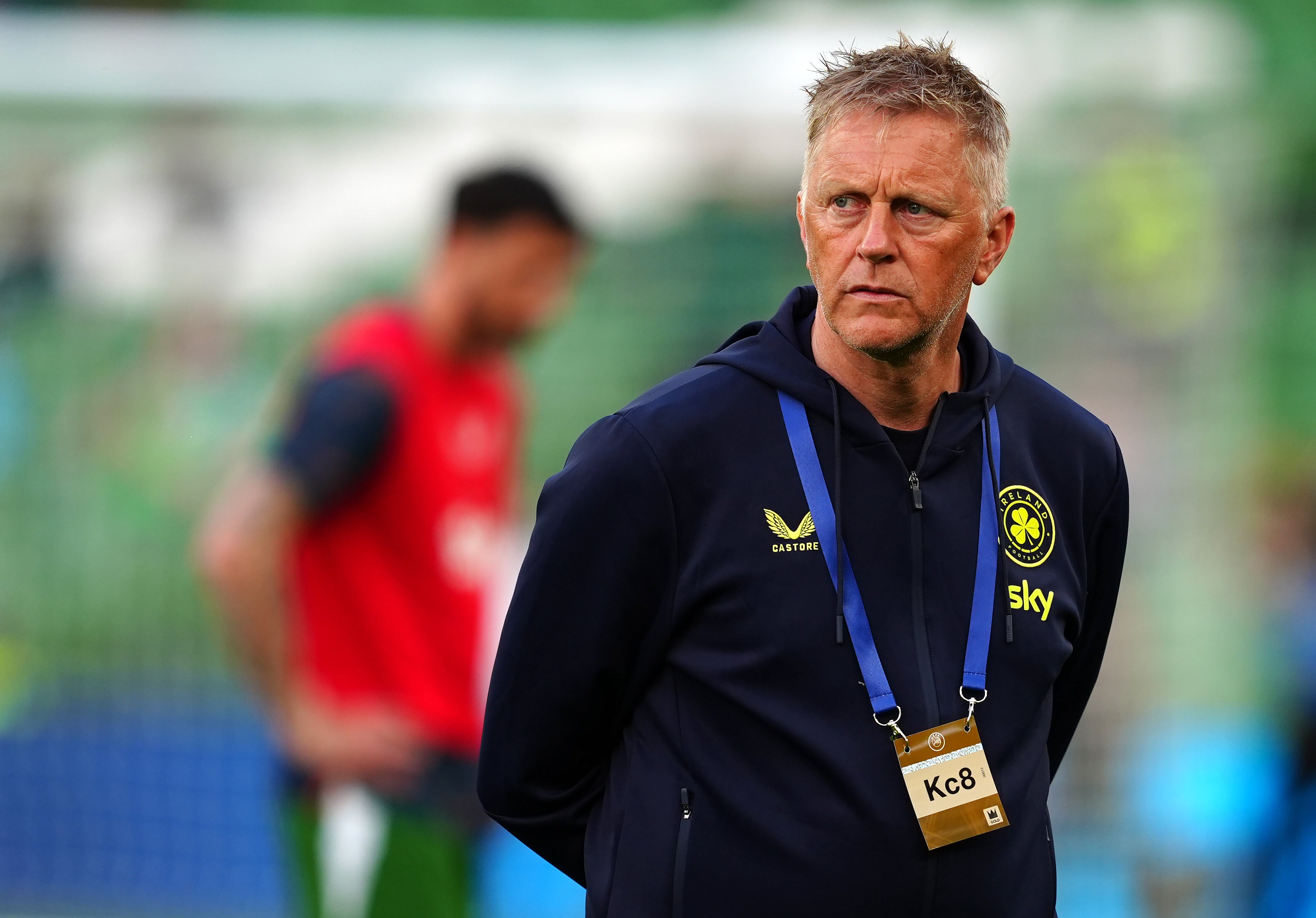
“Absolutely,” claims Canham. “You try to retain core values – but sometimes that can take time. At Ireland, we took a more medium-term view in terms of implementing a style within our youth teams. But if you’re going to say what an Irish style looks like, you’re always going to be in a group with a France or a Gibraltar, so a lot of the ball in one game, less of it in another. So you need something different. Ultimately, whether you’re defending or attacking or in a different team, you want them to look like an Irish team.”
 open image in gallery
Canham has been a professional player, a coach, a coach-developer and then a football executive – with 10 years at the Premier League – so has an experienced perspective on almost all facets of the game.
He is now looking for a project, having left Ireland in September. As well as federations and the LMA, he’s also been a senior sporting advisor to numerous organisations while working with Mercury 13, supporting Bristol City women.
The time away from Ireland has brought a few deeper reflections on his time there.
“It was the right time for me to step away due to family and that,” he admits. “But it was a privilege to do that role, obviously with challenges and scrutiny as well.
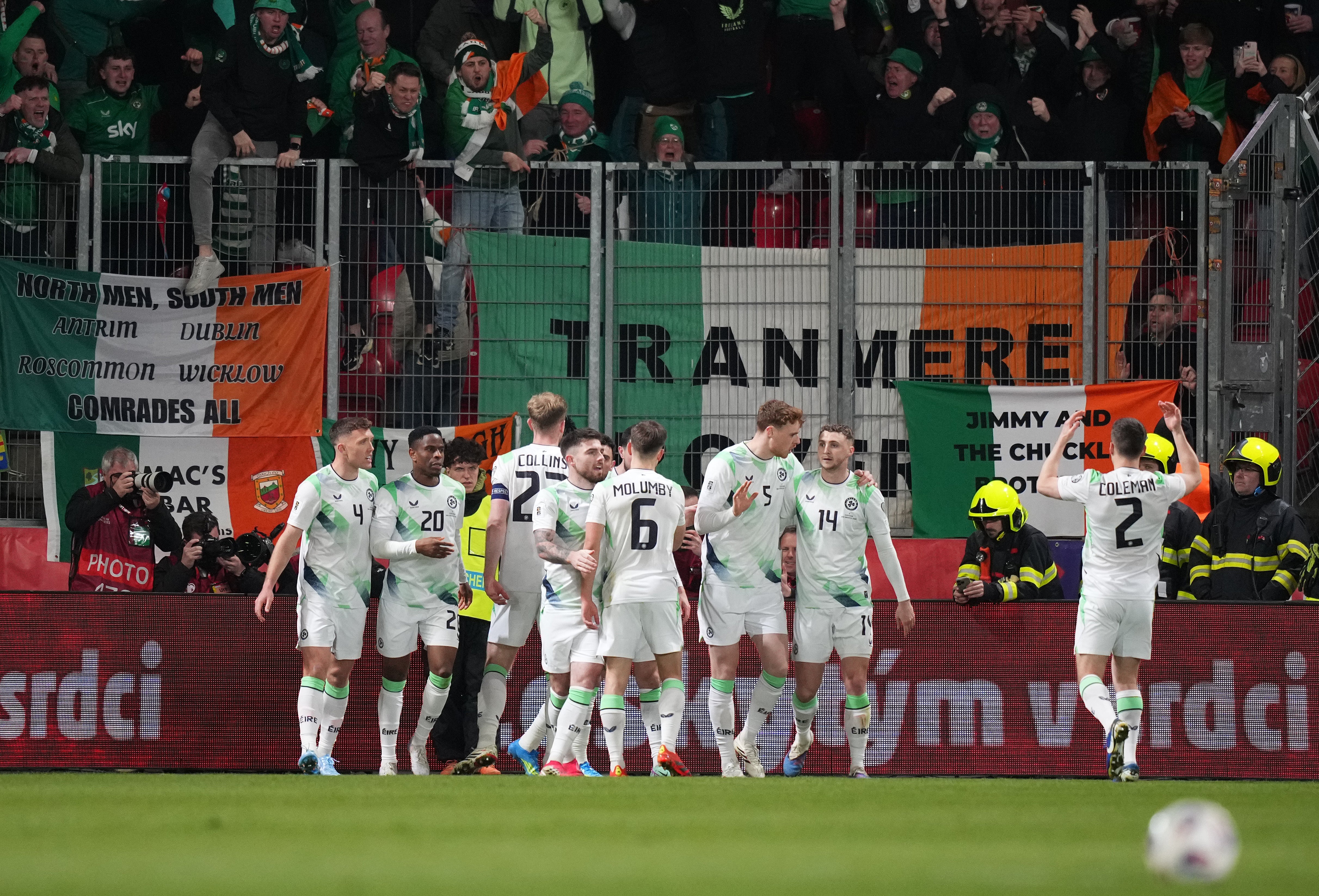
“The second thing would be pride. I genuinely think I left my seat in a better place. There’s a clear vision of the plan now, good people in the right roles. Ireland has got one of the biggest numbers of people around the world that can play for Ireland. We didn’t have anyone in full-time talent ID, didn’t use data, no systems, that’s all now put in place. So I feel a lot of pride in putting some structures down. I genuinely believe Irish football’s got one of the biggest potentials in the world.
 open image in gallery
“But this isn’t overnight. It’s about 10 years. That’s what the job of a technical director is. The brief I was given in the role was to transform Irish football. So I was trying to do it in the right way and bring people on the journey. There’s a new calendar, that was controversial, there are new tiers to the pyramid. The women’s team has excelled, the men’s team are on a more positive trajectory.
“I won’t get too technical but there’s this tool Uefa has that says where your nation should be based on resources, demographics, economy. And Ireland were expected to be around the middle tier – around Croatia and Belgium – but they’re the second most underperforming nation in Uefa.”
Canham is open to whether his next job will be with a league again, a club or a national federation. This World Cup will meanwhile only fortify debates on exactly what international teams should be targeting.