


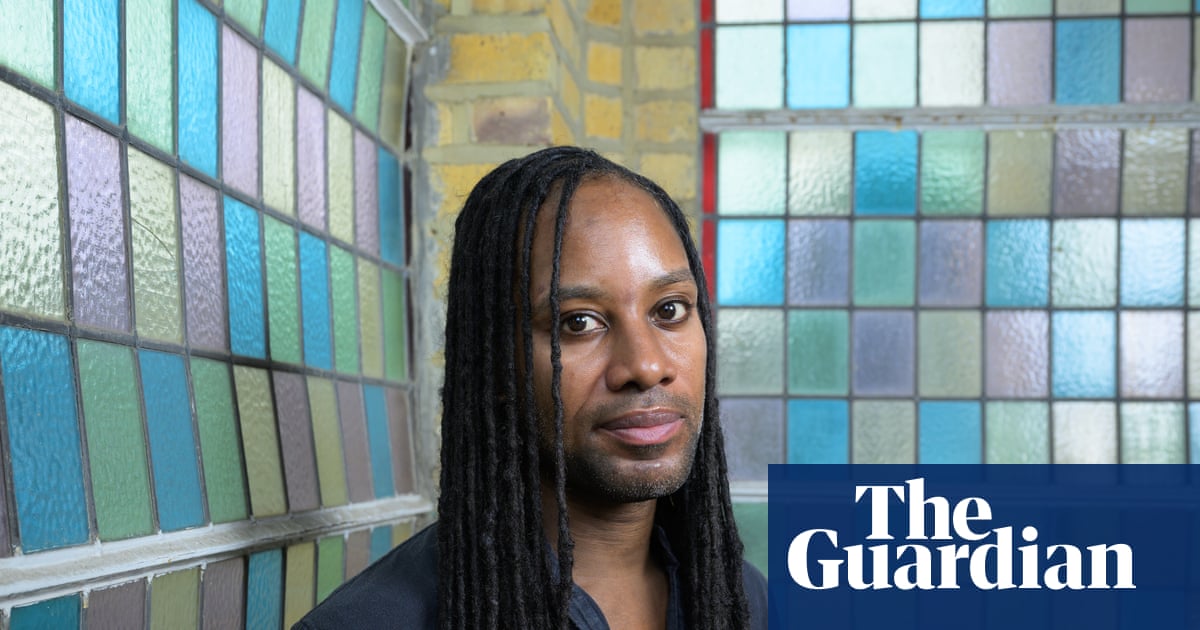
Cambridge announces investigation into professor accused of plagiarism
University says it has ‘new information’ about academic career of Jason Arday, the youngest black professor in its history
Jason Arday, the Cambridge professor accused of plagiarism and embellishment, is to face investigation by the university after it said it received “new information” about his qualifications and career.
Cambridge initially defended Arday – the youngest black professor appointed in the university’s history, with a compelling life story of educational disadvantage – as “the victim of a vile campaign”. But as questions mounted over Arday’s own claims, the university’s leaders felt that Cambridge’s reputation was in danger.
The Guardian published its own investigation uncovering discrepancies in Arday’s public accounts involving prodigious fundraising feats as well as claims he had been targeted by knife-wielding masked intruders.
Arday first faced allegations that he plagiarised parts of his PhD thesis and other academic research late last year, and has rejected the claims. An investigation by Liverpool John Moores University, which awarded his PhD in 2015, did not uphold the charges of plagiarism but said they were probably caused by “honest and reasonable error”.
Arday has denied plagarism, telling the Guardian last week: “There have been multiple thorough investigations across several institutions as a result of the allegations, and immense scrutiny, including with an academic misconduct panel who concluded that there was no plagiarism or academic misconduct.”
The statement from the university on Wednesday evening said: “The University of Cambridge has begun an investigation following new information about Prof Arday’s academic qualifications and honorary appointments. In order to ensure a fair process, we will not comment further until this has concluded.
“Separately, there remains a number of ongoing complaints regarding academic misconduct, which are being handled in line with our misconduct in research policy. This is consistent with our previous statement on the matter.
“While we are fully aware of the public commentary and concerns around this matter, it remains vital that any process is thorough and adheres to both university policies and employment law.
“We also fully recognise that there is a person at the centre of this situation, and we continue to provide support to him.”
A spokesperson for Jesus College, Cambridge, said it was launching its own parallel “process”. “Prof Arday’s college fellowship is linked to his university role and we will fully support the university.
“Prof Arday remains a fellow during this process. We recognise that this is a very difficult time for him and his family, and ask that they are treated with compassion and respect.”
The new investigations may have been triggered by Arday’s claims that he held a string of prestigious visiting fellowships and professorships at other universities, including statements in published biographies dating back to 2018 that he was a visiting fellow or visiting professor at Ohio State University in the US. Ohio State has denied that Arday was ever employed in any role.
Biographies linked to Arday have also claimed he had visiting professorships at Durham, Glasgow, Coventry and London Metropolitan universities as well as Nelson Mandela University in South Africa.
Arday’s appointment as professor of sociology at Cambridge, at the comparatively young age of 37, received wide publicity through Arday’s life story, which includes a diagnosis of autism at the age of three, being unable to speak until he was 11, or read or write until he was 18.
Despite those factors, Arday went on to university and swiftly climbed the academic ladder. After receiving his PhD in 2015 he held academic posts at Leeds Beckett, Roehampton and Durham universities, including a brief stint at Warwick University, before being appointed professor of sociology of education at Glasgow University in 2021. By early 2023 he had sought and won appointment to a professorship at Cambridge.
Arday also claimed to have completed 30 marathons in 35 days as well as running 600 miles in six days, and raising £5m for charity over several years. After facing questions he has revised some of those claims, and instead says he was part of a funding raising group that he cannot name for legal reasons.
Arday told the Guardian he had been the target of multiple threats after his Cambridge appointment, including having a severed pig’s head delivered to his parents’ home. Subsequent investigations found no evidence to support this claim.
The controversy comes as Simon & Schuster prepares to publish Arday’s memoir later this month, entitled Great and Unfortunate Things.
Explore more on these topics
- University of Cambridge
- University careers
- Universities
- Plagiarism
- Higher education
- Cambridge
- Academics
- news