


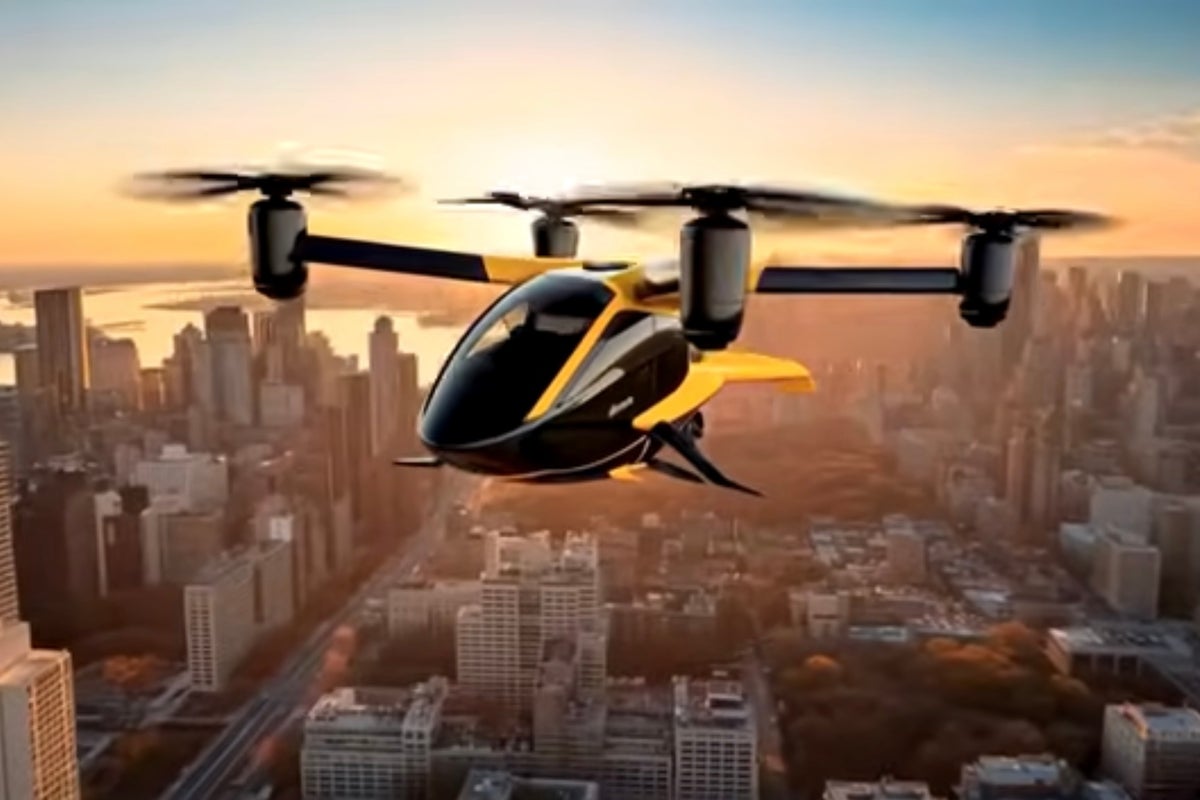
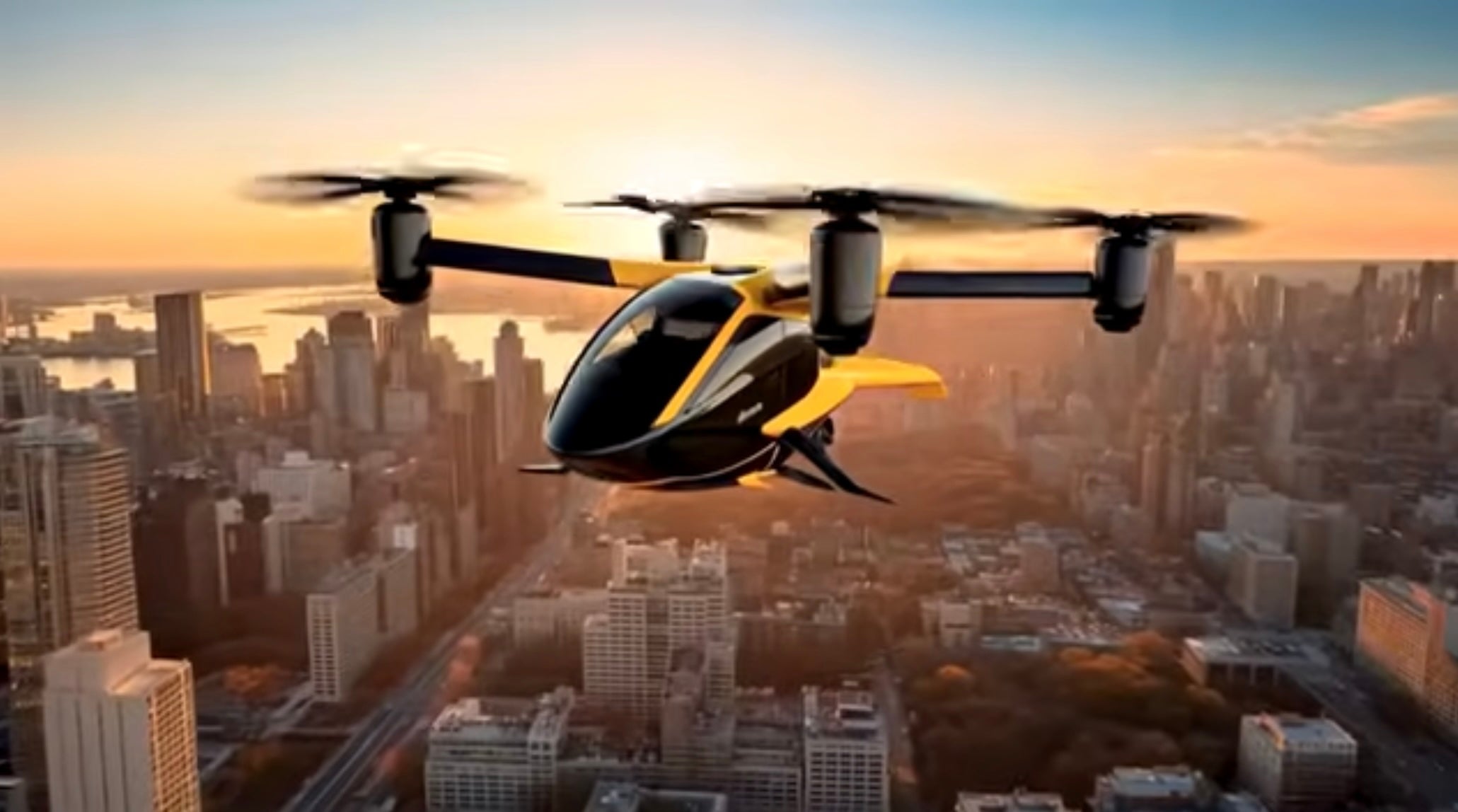
Donald Trump’s administration is breaking ground on a facility in Oklahoma expected to help test the next generation of advanced mobility aircraft, including flying car-like air taxis and other next generation aircraft.
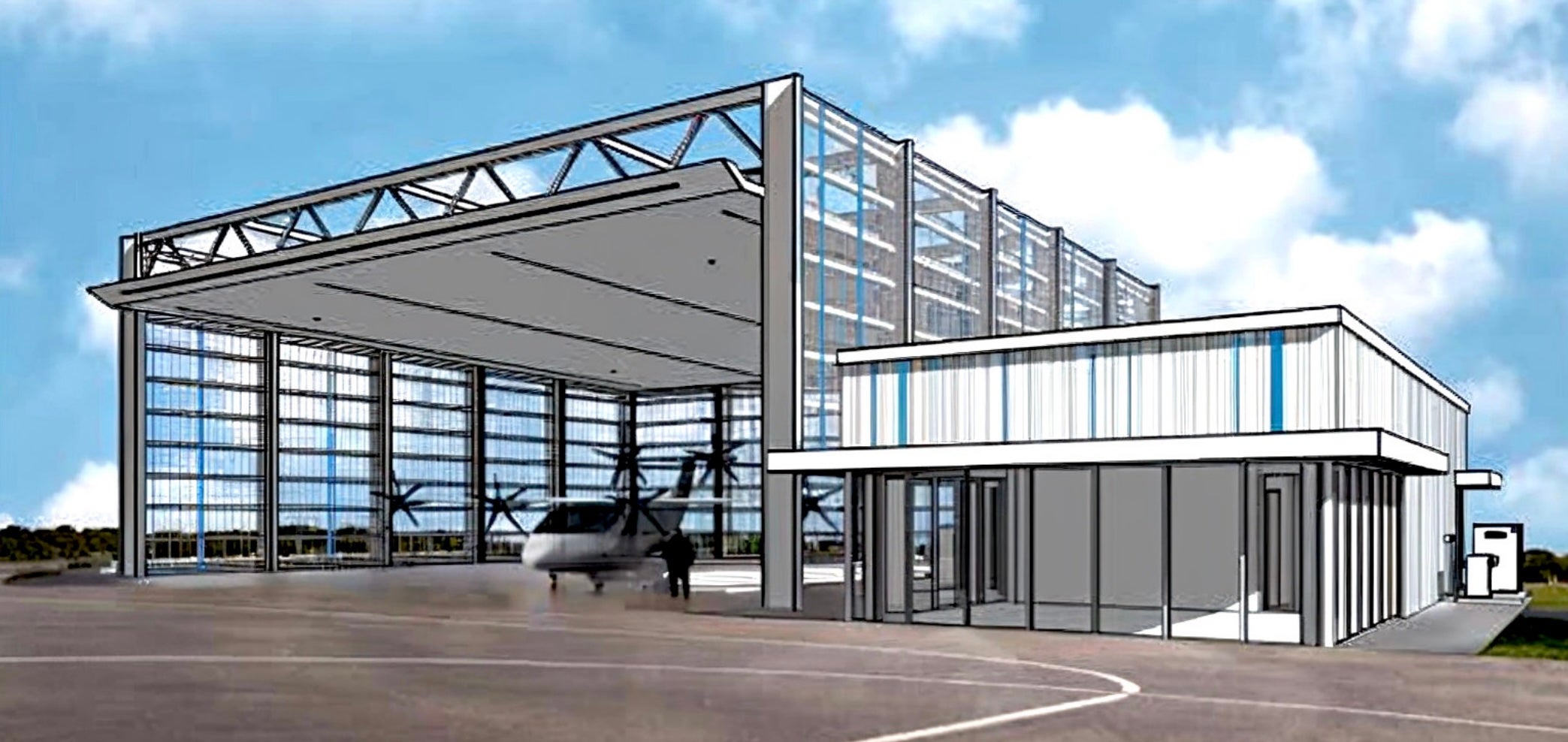
The 1,100-acre Mike Monroney Aeronautical Center in Oklahoma City will expand to support emerging aviation technologies, including an $8.3 million testing area known as the Vertical Take-Off and Landing Procedures and Analysis Range, or V-PAR.
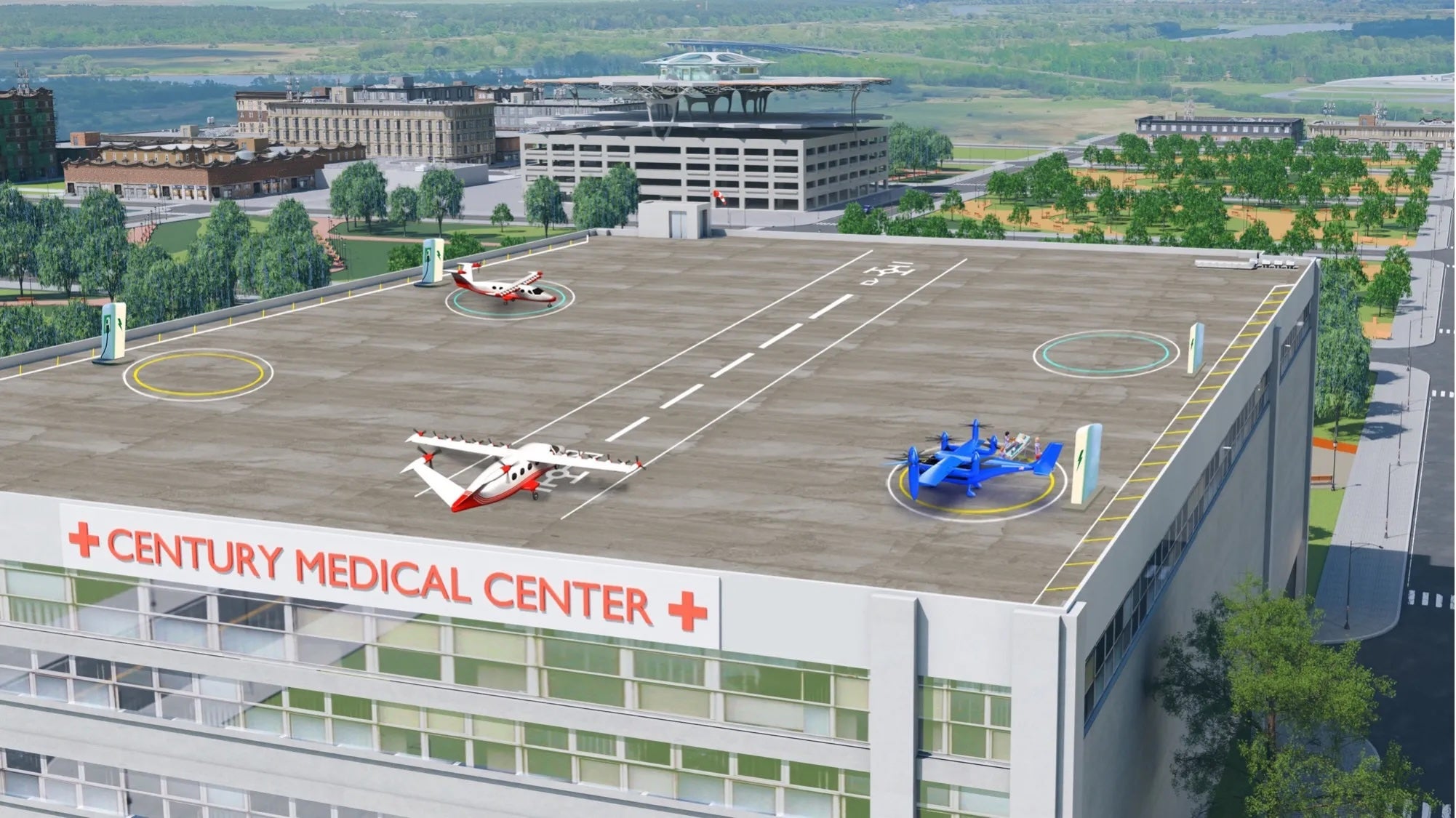
The range is designed for larger electric and hybrid aircraft and will help with vertical takeoff and landing, according to the Federal Aviation Administration.
The facility will include a touchdown and liftoff area, a taxiway, electric aircraft charging capability and an observation and operations facility. It will be built on the west side of the center, near the Will Rogers World Airport and existing radar and aviation infrastructure
“The V-PAR is a critical step in helping the FAA better understand how to integrate advanced air mobility aircraft safely into the National Airspace System,” Deputy Secretary Steven Bradbury said in a statement. “This facility will strengthen our ability to conduct research, train people and support the future of aviation.”
 open image in gallery
 open image in gallery
The center is scheduled for completion in summer 2027, but future work could expand to additional landing sites as well as increase charging capability and build a second vertipad and a short takeoff and landing runway, the Federal Aviation Administration said in a fact sheet.
The news follows the Department of Transportation’s December unveiling of the nation’s first “Advanced Air Mobility National Strategy,” a roadmap to accelerate U.S. aviation innovation.
The strategy laid out an ambitious timeline for those projects, including demonstrations and initial operations for contemporary aircraft by next year, new air operations in urban and rural areas by 2030 and advanced air operations — including fully autonomous flight in areas with harsh conditions or insufficient labor — by 2035.
The urban operations would be funded mostly by private sources, and the department’s leaders said they would encourage “a full U.S.-based supply chain,” according to the Trump administration.
 open image in gallery
“Advanced air mobility vehicles will benefit the American people — transforming how the flying public travels, how first responders jump into action and communities access healthcare, how businesses deliver goods and how we defend our nation,” Transportation Sec. Sean Duffy said at the time.
The strategy was released following related legislation in 2022 and President Donald Trump’s June 2025 executive order calling for the U.S. to unleash “American Drone Dominance.”
“Emerging technologies such as electric Vertical Takeoff and Landing (eVTOL) aircraft promise to modernize methods for cargo delivery, passenger transport and other advanced air mobility capabilities,” the order said. “The United States must accelerate the safe commercialization of drone technologies and fully integrate UAS into the National Airspace System.”
.png) open image in gallery
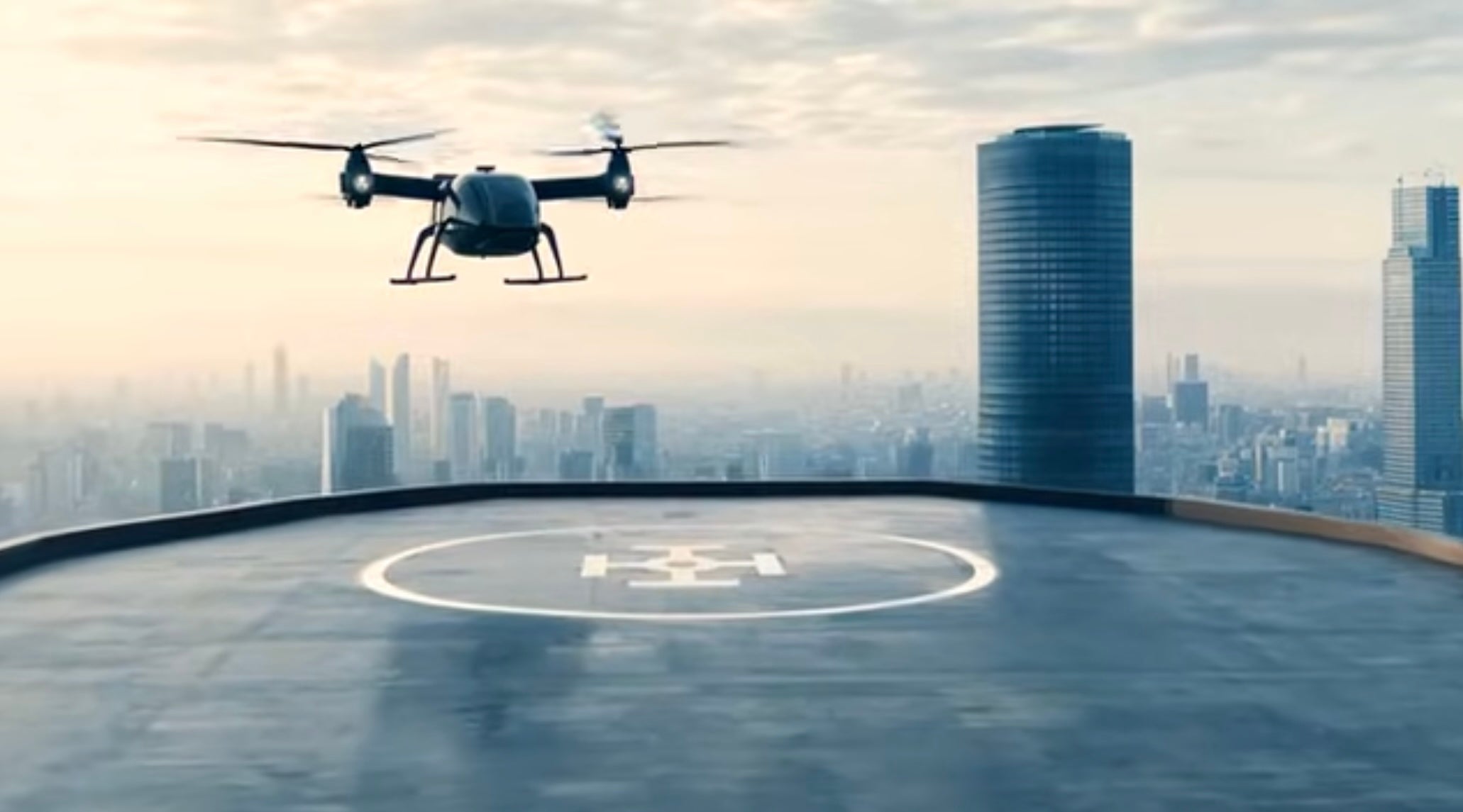
open image in galleryThe helicopter-like eVTOL would move people and cargo between places not easily served now and may be powered by hybrid electric systems, batteries or potentially hydrogen fuel cells, according to the National Business Aviation Association.
Eight eVTOL pilot programs were greenlit nationwide in March, including programs in New York, Texas, Utah, Pennsylvania, Louisiana, Florida, North Carolina and New Mexico.
But advanced air mobility includes a range of aircraft types that typically operate below 5,000 feet of elevation.
Those eVTOLs may only be the start.
NASA says it is also helping to guide the industry’s development of air taxis and drones.
“This will set the stage for a flourishing industry by 2030,” the space agency wrote on its website.
 open image in gallery
NASA has been studying how people respond to air taxi noise, finding that people in noisier neighborhoods reported being more bothered by the air taxi sounds.
Team members with the VANGARD studies — which took place in Los Angeles, New York and Dallas-Fort Worth — are “currently analyzing the data to better understand these findings,” according to NASA.
So far, “they’re hypothesizing that people in loud environments may simply be more sensitive to additional noise,” NASA said in a related release.
It remains unclear how expanded “American Drone Dominance” could affect animals and ecosystems, including migratory birds and other flying wildlife.