


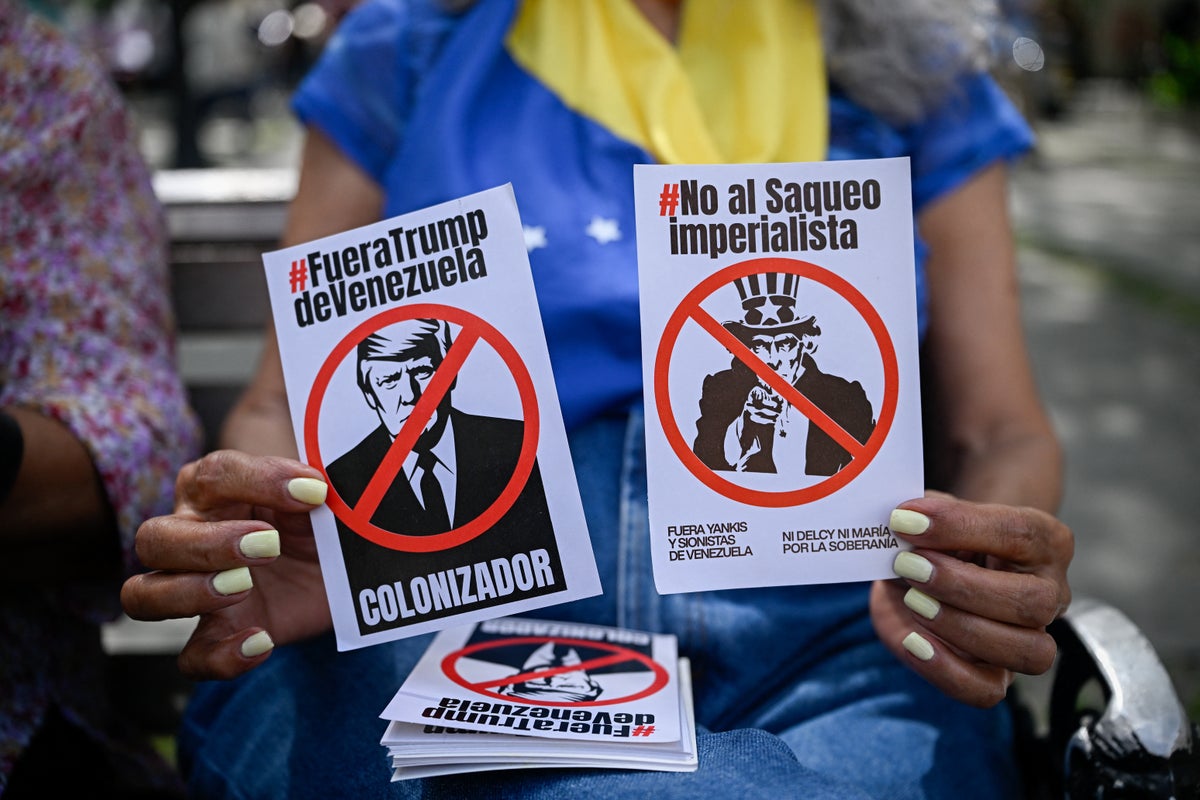
President Donald Trump has set out an unprecedented plan for the US to take charge of a fifth of Venezuela‘s extensive oil reserves. The move relies on American firms restoring the OPEC member’s struggling energy sector, while providing additional crude to lower US fuel costs.
Giving little specific detail on the arrangement, Trump stated that the US has acquired majority control over more than 65 billion barrels of Venezuela’s proven reserves by partnering with private enterprises.
The deal was welcomed by the South American country’s leader, who claimed it would strengthen government revenues and lift the economy.
This accord marks a significant growth in the US presence within Venezuela’s energy market as the Trump administration attempts to boost local output and guarantee more oil supplies for US refineries. Despite possessing the world’s largest proven oil reserves, Venezuela currently yields just 1.25 million barrels daily, remaining well beneath its potential capacity following prolonged underinvestment, mismanagement and sanctions.
Rubio’s ‘win-win’
“At my direction, Secretary of State Marco Rubio, and Secretary of War Pete Hegseth, working closely with Highly Respected Interim President of Venezuela, Delcy Rodriguez, and, through a partnership with private business, have secured majority U.S. control of more than 65 BILLION BARRELS of proven Oil Reserves in Venezuela, at no cost to the American Taxpayer,” Trump wrote on Truth Social.
The announcement followed weeks of U.S.-Venezuelan negotiations over a deal that would give American companies long-term access to a group of Venezuelan oilfields and guarantee the resulting crude supply to the United States.
Venezuelan officials are preparing to sign agreements next week granting new oil exploration and production rights to a number of companies, particularly U.S. firms.
Sources have told Reuters that a lease model was under consideration, with fields potentially auctioned to U.S. producers, but the arrangement could face legal and constitutional challenges in Venezuela, where the state retains control over core oil industry activities.
Trump did not disclose the structure of the agreement, the fields or companies involved or how the United States would exercise majority control over the reserves. A list seen by Reuters shows the fields are in the Orinoco Belt and Lake Maracaibo regions.
Rubio described the agreement as a win for both countries, saying on X that it would secure stable, low-cost oil for the United States and help lower gasoline prices.
For Venezuela, Rubio said the deal would bring nearly $100 billion in private investment, support thousands of high-paying jobs and help rebuild the country’s economy.
Rodriguez, who became interim leader after the U.S. seized President Nicolas Maduro in January, said late on Friday that the agreement would allow for a significant increase in production through the development of 17 strategic fields and result in tax revenue for the country totaling $209 billion.
“These investments will contribute not only to the recovery and modernization of our industry, but also to our country’s economic growth, the energy security of our hemisphere, and greater balance in international markets,” she said in a statement.
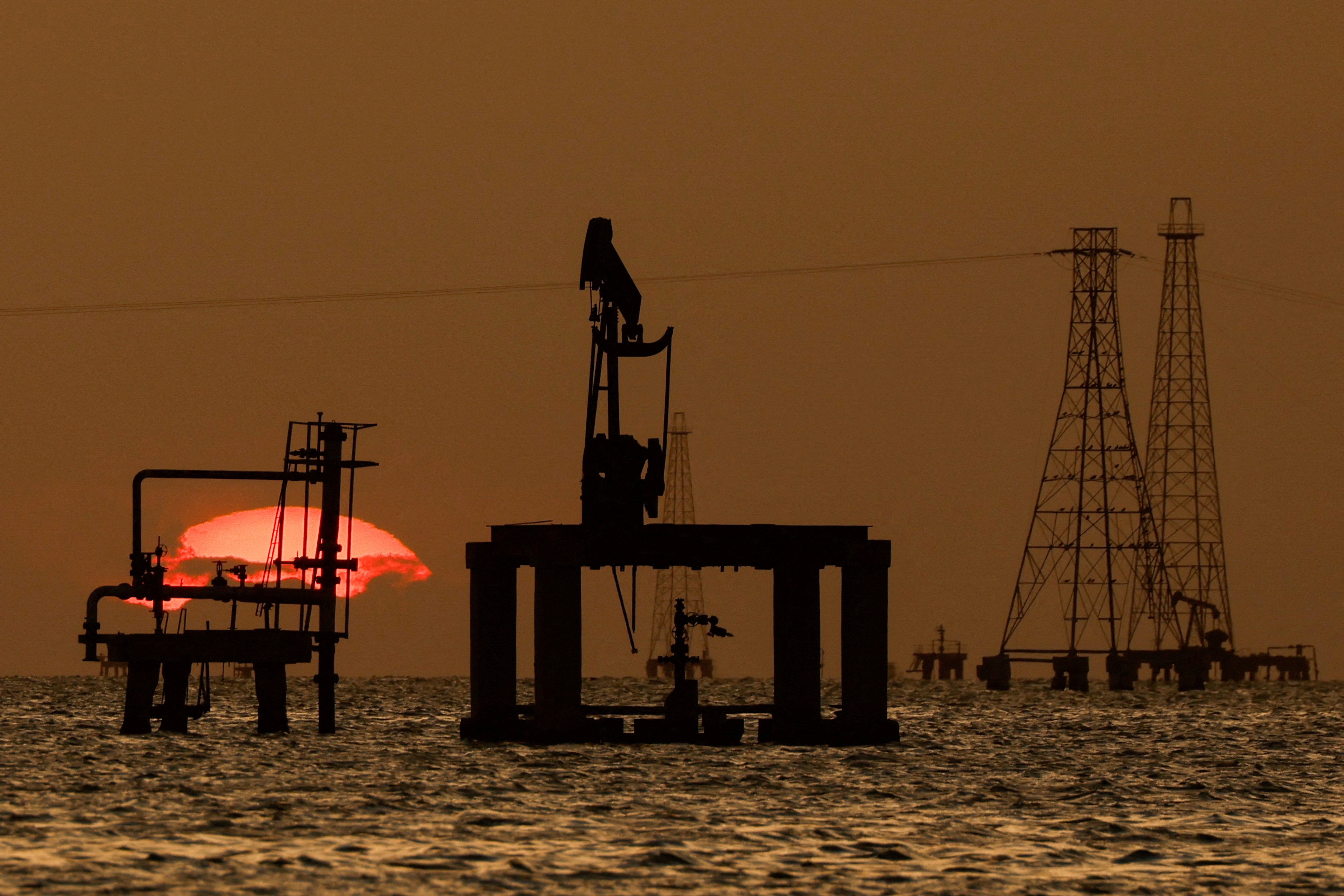 open image in gallery
Analysts said they needed to see more details on the agreement’s legal and financial structure before assessing whether it could attract significant investment.
Also unclear is whether the deal will lower gasoline prices in the short term, as developing the infrastructure needed to produce, transport and refine Venezuela’s heavy crude could take years.
David Goldwyn, president of Goldwyn Global Strategies, said it was unclear whether a U.S. government lease would have a legal basis under Venezuela’s constitution and its new hydrocarbons law, adding that there is “no precedent for having the U.S. government enter into a lease to operate oil fields.”
Goldwyn also questioned whether the plan would address the obstacles that have deterred investment in Venezuela for years. “It is hard to see how this kind of arrangement would accelerate investment at any material scale,” he said, citing political uncertainty, an inadequate power grid, limited export capacity and government discretion over the industry.
Since removing Maduro, Washington has been trying to secure a stable flow of Venezuelan crude for U.S. refineries while promoting American investment in the country’s oil industry.
The Trump administration is under pressure ahead of midterm elections in November to mollify consumer concerns over rising gasoline prices. Cheaper oil supplies and expanded output could help.
The U.S. also has been looking for solutions to replenish its Strategic Petroleum Reserve, the nation’s oil stockpile, including the possibility of crude swaps with U.S. producers.
Venezuela nationalized its oil industry in the 1970s, putting state-run PDVSA at its center. Under then-President Hugo Chavez, the government tightened control, forcing foreign producers into state-led joint ventures and later expropriating assets, including projects operated by ExxonMobil and ConocoPhillips.
Under Maduro’s rule Venezuela’s production fell sharply.