


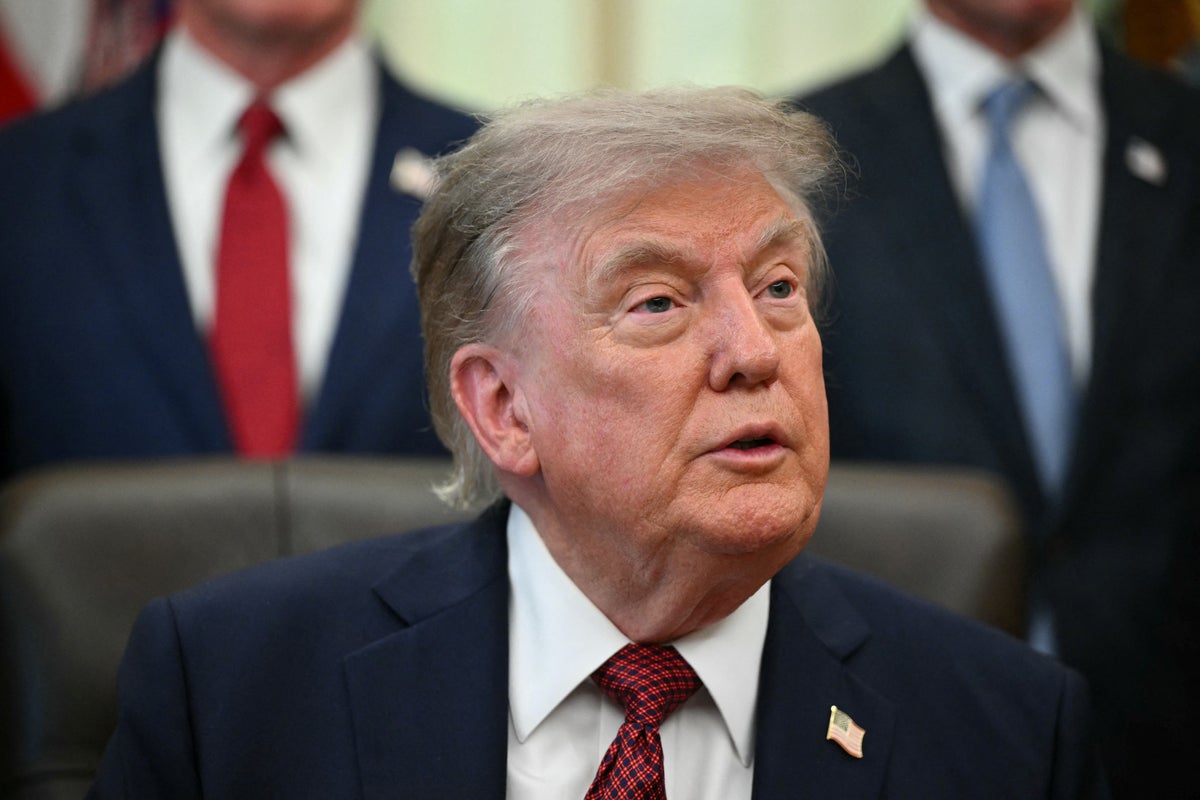
President Donald Trump on Friday said he does not believe the Russian or Chinese governments are providing military or intelligence assistance to Iran based solely on the say-so of their leaders, contradicting the assessment of his own defense secretary during a Senate hearing just days ago.
Speaking in the Oval Office during an appearance focused on nuclear energy, Trump was asked to defend a Truth Social post in which he claimed Chinese president Xi Jinping had said “he would not, under any circumstances, give or sell Weapons to the Islamic Republic of Iran” and said Russia’s Vladimir Putin had promised “he would not sell Weapons to Iran.”
He also wrote that in his view, both countries were “not participating” in Iran’s ongoing conflict with the U.S. while warning that “it would be very bad for them” if they did.
When a reporter noted that Defense Secretary Pete Hegseth told the Senate Appropriations Committee on Tuesday that there were “ways in which both of those countries” were “enabling” Tehran “at different levels” and asked how he differentiates “enabling” from assisting, Trump dismissed the question.
“Well, I don’t know that they’re enabling. I mean, I will tell you that President Xi said he will not partake, and President Putin said the same thing … I trust them,” he said.
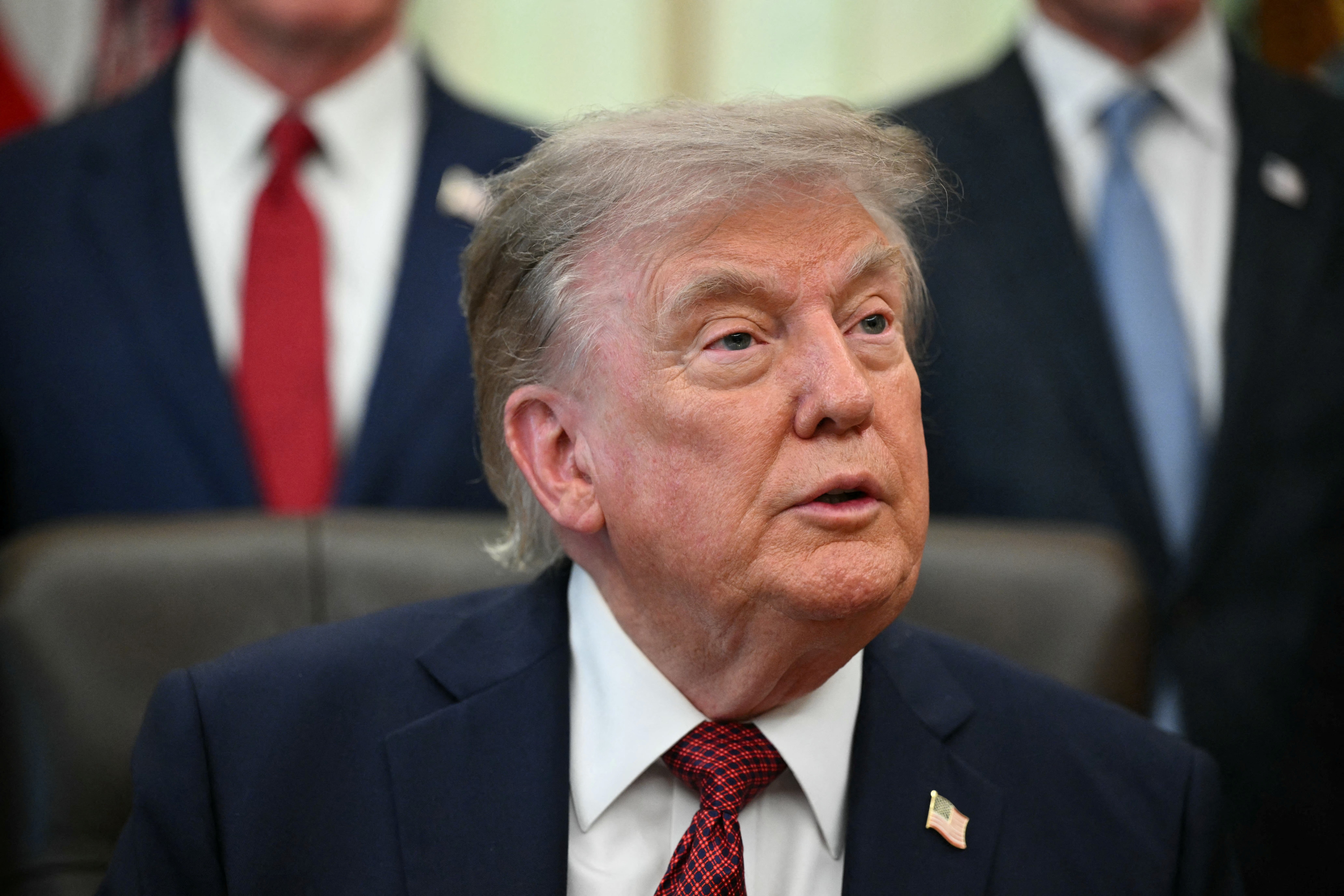
“There could be some things you do, but thus far, at least, has not been major. I don’t think they’d want to have me disappointed,” Trump added.
Despite his professions of trust in the Russian and Chinese leaders, both Moscow and Beijing have long provided significant logistical assistance to Tehran short of selling munitions to the Islamic Republic.
Both countries have reportedly supplied intelligence and technical assistance, including access to Russian satellite reconnaissance photographs used for targeting purpose and Chinese satellite data, plus access to Beijing’s BeiDou navigation network for the purposes of guiding missiles and drones to their targets.
Additionally, China is understood to be a major supplier of the precursor chemicals and other raw materials Tehran needs to manufacture fuel for the ballistic missiles that have wrought damage to U.S. and allied bases across the Middle East.
Beijing also supplies dual-use technological components used in the manufacture of one-way attack drones.
Additionally, China remains the major purchaser of Iranian oil exports, providing Tehran with tens of billions of dollars worth of revenue that can be directed to the Iranian military budget.