


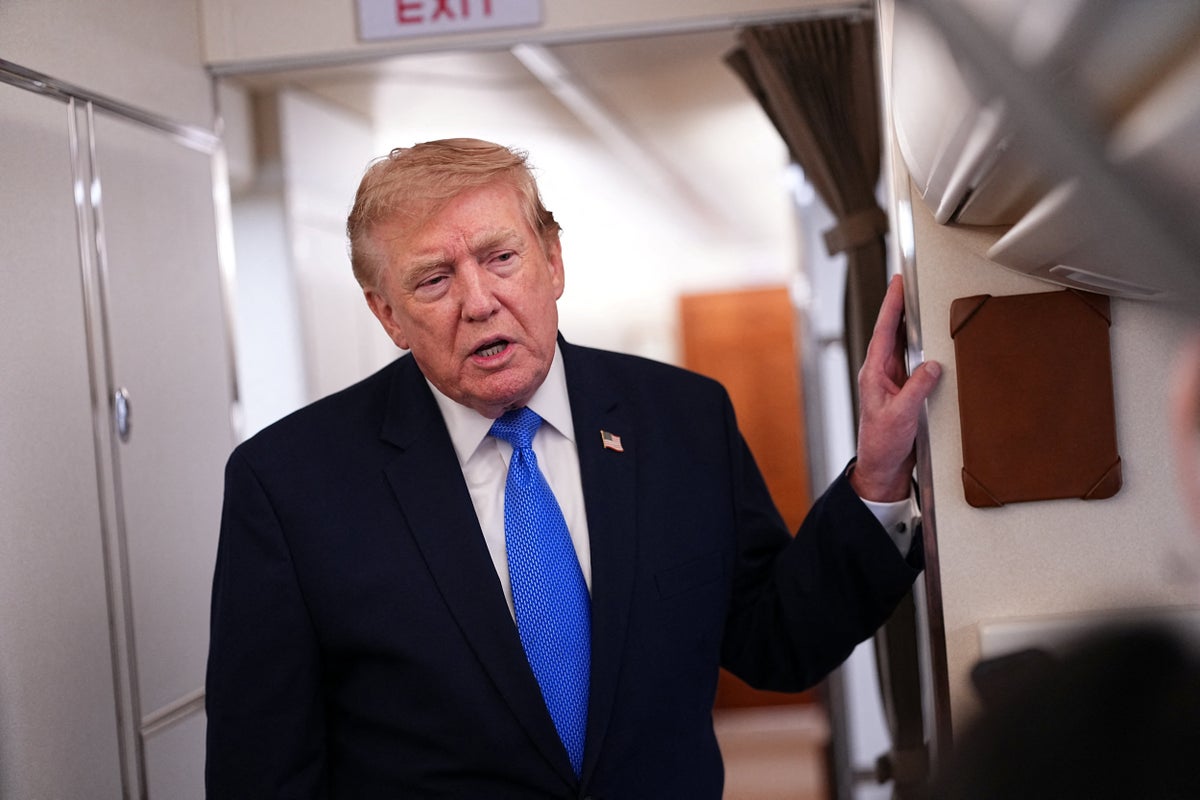
President Donald Trump said Sunday that the strike on Iran he ultimately called off would have been the largest of its kind in decades.
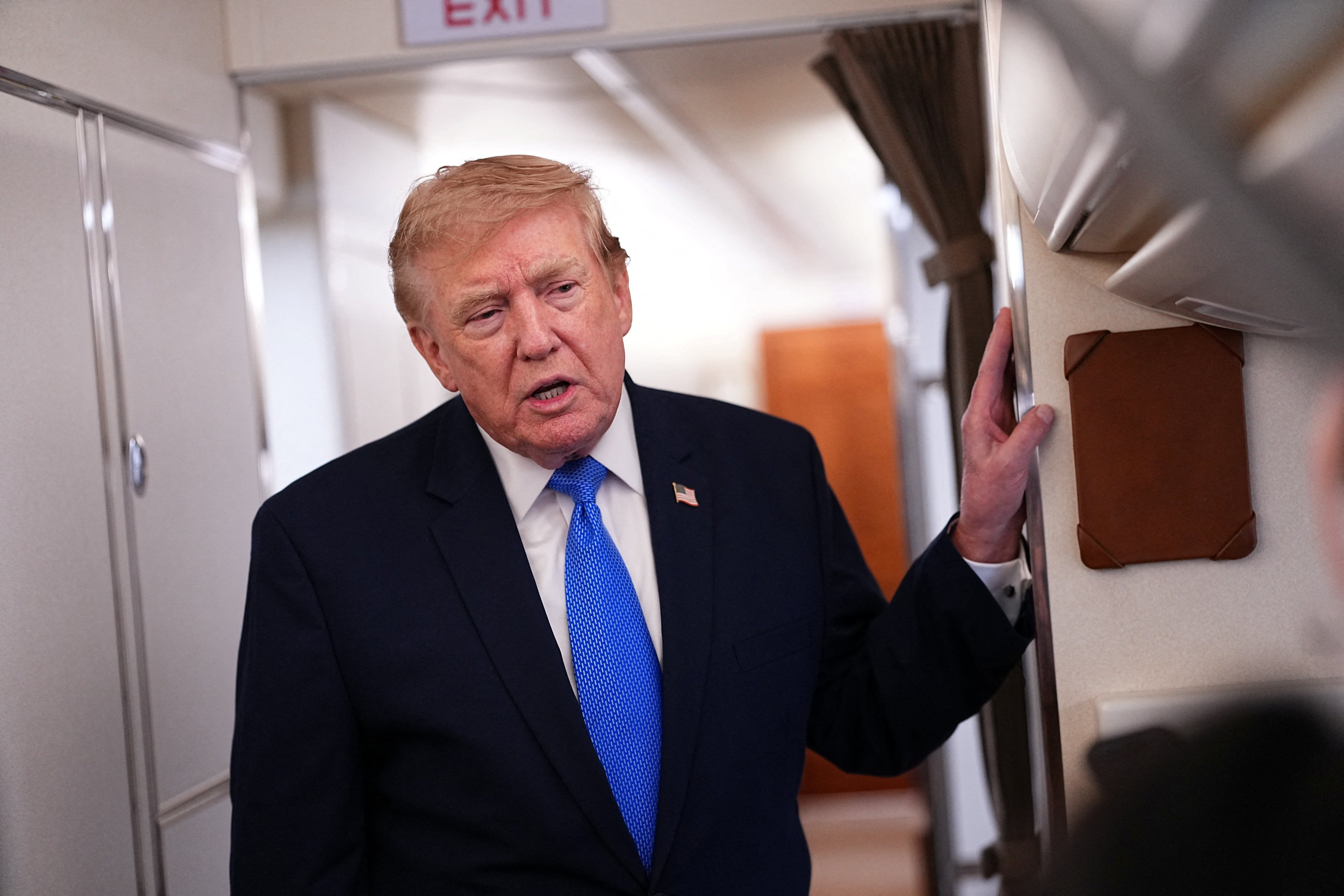
“It was going to be a massive attack,” the Republican president told reporters aboard Air Force One. “It was going to be an attack that would have been, by far, the biggest attack since World War II.”
His comments followed a Truth Social post on Saturday in which Trump wrote that the U.S. military was “locked and loaded” for what he cast as an unprecedented campaign against Iran. But, he said, he decided to hold back after appeals from Iran and several Middle Eastern allies, who suggested a deal was within reach.
“I was asked to by Saudi Arabia, by UAE, and by Qatar, and by Iran,” the 80-year-old president said on Sunday. “We were all set to go, but when the allies ask to call it off, you gotta sort of say ‘well let’s see.’”
Trump said the agreement would include reopening the Strait of Hormuz and address Iran’s nuclear program. “So, we’re holding it,” he said. “We’ll just see.”
 open image in gallery
Defense Secretary Pete Hegseth signaled that the U.S. military remained primed for action, writing on X Sunday evening that the Pentagon “was ready to go — and remains ready — at levels not seen since World War 2.”
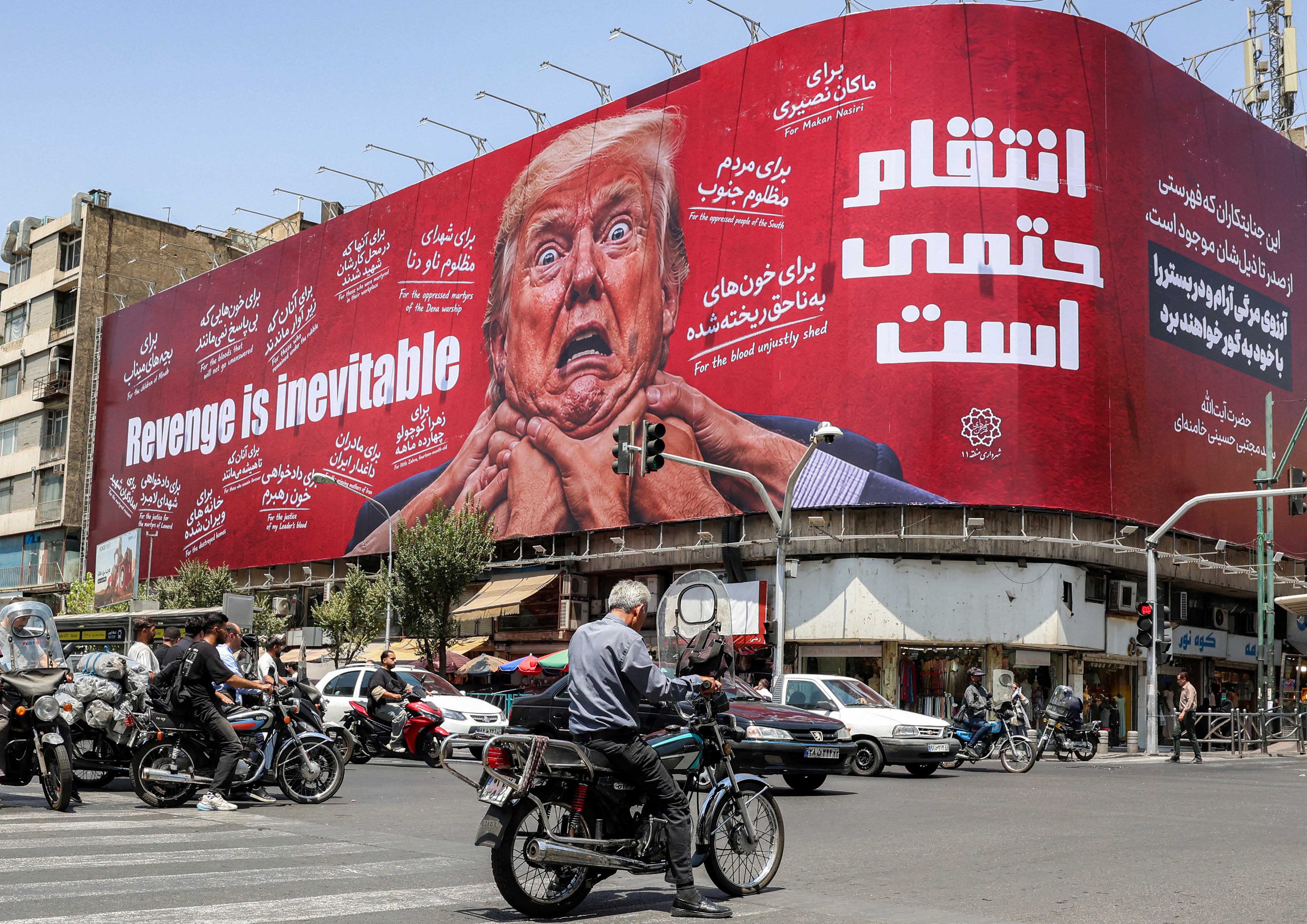
Iranian media denied that Tehran had asked for the strikes to be called off. “Trump the fool has run out of steam,” a semi-official state news agency posted, according to CNN. Iran’s acting defense minister, Seyyed Majid Ibn Al-Reza, also accused the U.S. of “psychological and cognitive warfare,” according to a state media post on X.
The Saudis, however, did step in, according to Axios. The outlet reported that Saudi Crown Prince Mohammed bin Salman called Trump on Saturday to voice concern over the president’s planned strikes — which could have targeted energy sites — and urged him to de-escalate.
Throughout the war, Trump has repeatedly invoked cataclysmic rhetoric when threatening Iran, including warning in April that “a whole civilization will die.” At the same time, he has frequently paused the fighting to open the door to negotiations, only to resume hostilities when those efforts came up short.
 open image in gallery
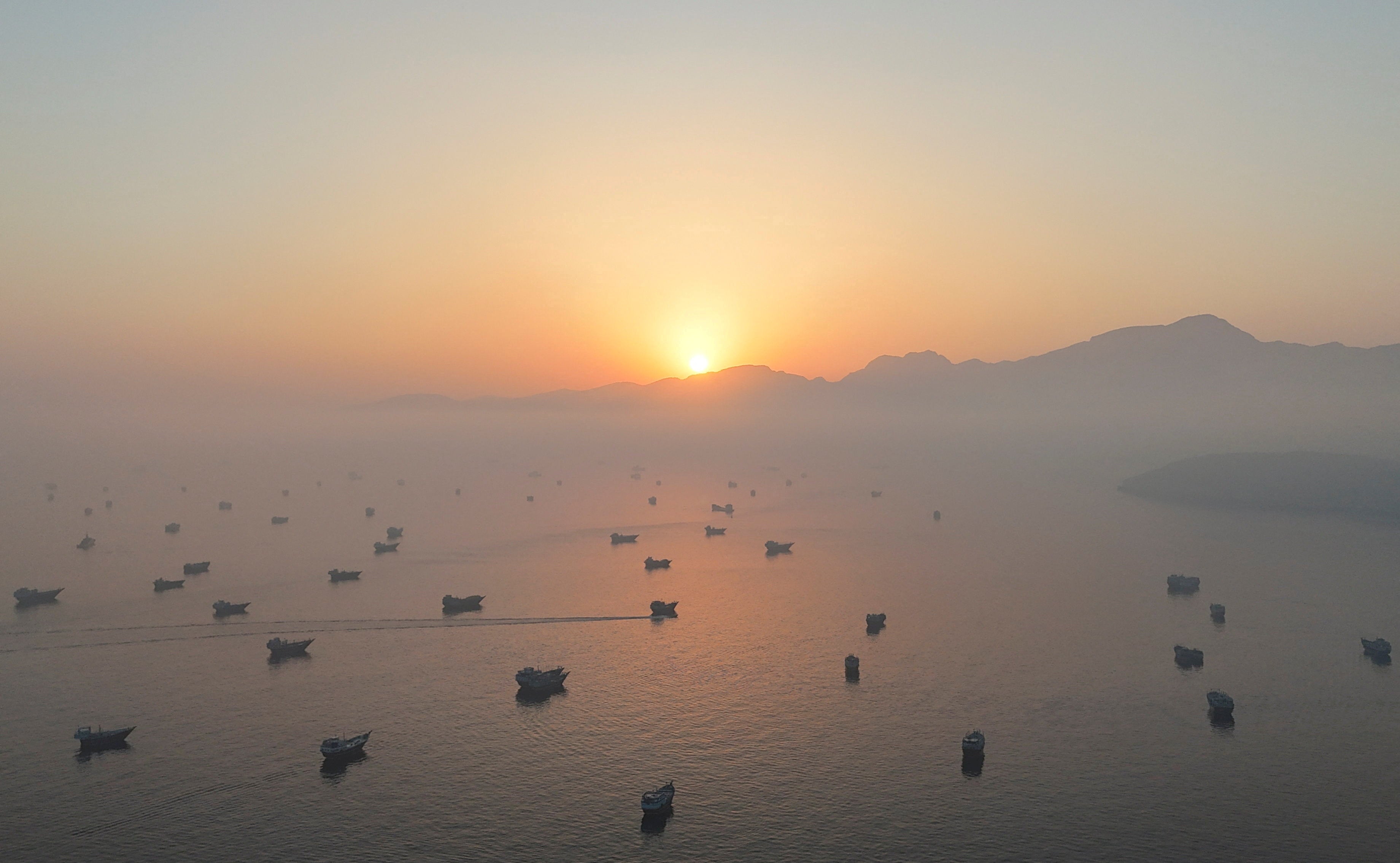
The latest round of fighting erupted after a brief truce established by a memorandum of understanding collapsed last month, with the passage of ships through the Strait of Hormuz — a vital artery of global trade — emerging as a major sticking point.
On Sunday, Iran’s foreign minister Abbas Araghchi said that negotiations between Iran and Oman over the strait are in their “final stages,” according to the official news agency IRNA.
The war, which has now ground on for five months, has left 18 U.S. service members dead and hundreds more wounded, the Pentagon has said. Over 3,000 Iranians have died, Reuters reported in March, citing the U.S.-based non-profit HRANA.
 open image in gallery
The conflict has also rattled the global economy, sending oil prices higher as traffic through the strait dwindled to a trickle.
Multiple recent polls indicate the war is deeply unpopular in the U.S. In an AP-NORC survey last month, about two-thirds of Americans said the conflict has not been worth fighting.
According to an NBC News report late last month, Trump himself is “exasperated” by the lack of progress in ending the war. “There was not a real strategy for how long or what they should do to get to the endpoint,” an unnamed ally of the president told the outlet. “He did not intend this to be a long, drawn-out war.”
In response to this report, White House Press Secretary Karoline Leavitt told The Independent at the time that Trump “is not going to stand by as they break the [memorandum of understanding], kill our soldiers and fire at our ships in the Strait.”