


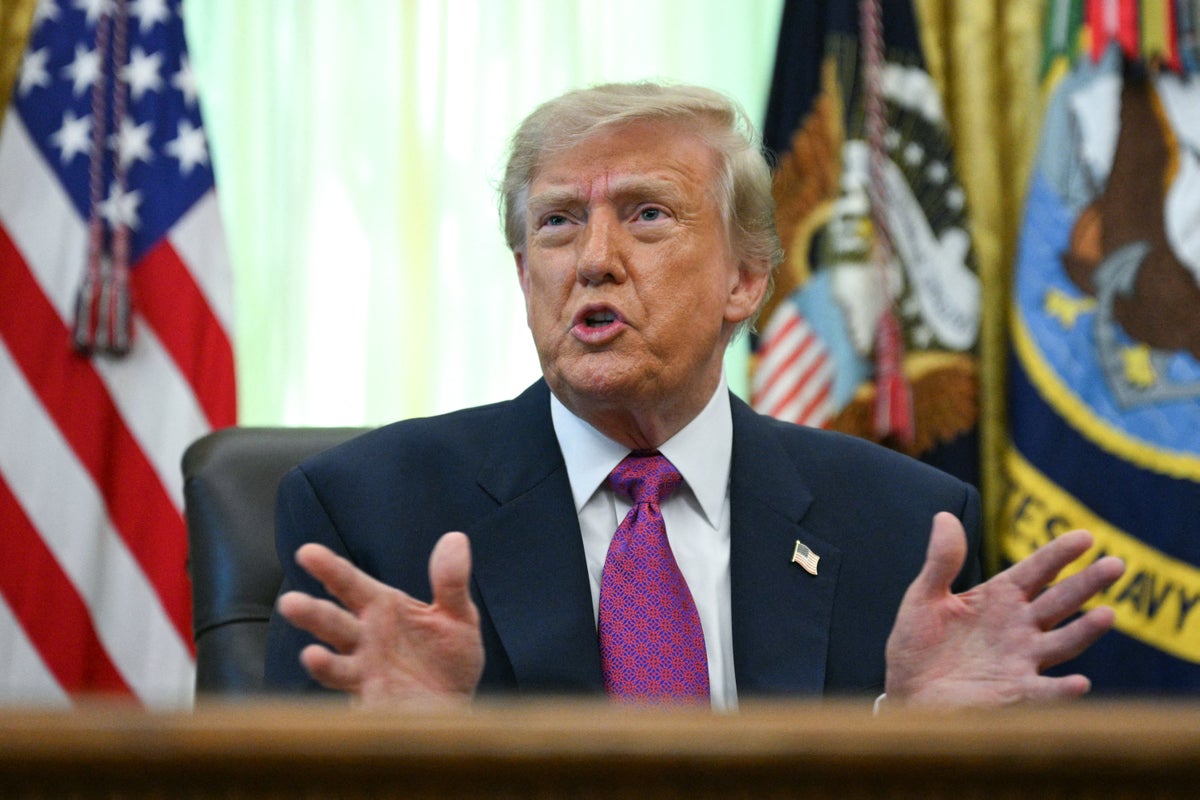
Donald Trump sought to escalate his trade war with Canada on Sunday afternoon and issued a demand on Truth Social that Canadian companies wanting to do business with the U.S. reshore their headquarters within its borders.
His latest remarks come as Canadian officials warned that the country was prepared for an extended dispute with the U.S. after trade talks collapsed and Trump announced tariffs as high as 50 percent on some Canadian goods including dairy products and lumber. Canada has levied reciprocal tariffs against U.S. steel, aluminum and other exports.
On Sunday afternoon, the president said Canadian companies should move their headquarters and production facilities to avoid newly imposed tariffs. The duties are set to begin in 2027.
“Let all Canadian Companies that are doing business with America move to the United States, immediately. Many of them are Companies that moved out years ago due to stupid U.S. Leadership. When you move back, there are no TARIFFS!” Trump wrote.
In a separate post, he argued that Canada was one of America’s worst trading partners, despite being its second-largest. Canada and the U.S. conduct close to $900 billion in cross-border economic activity each year, according to the U.S. trade representative.
 open image in gallery
“One of the Worst Abusers is Canada,” Trump wrote.
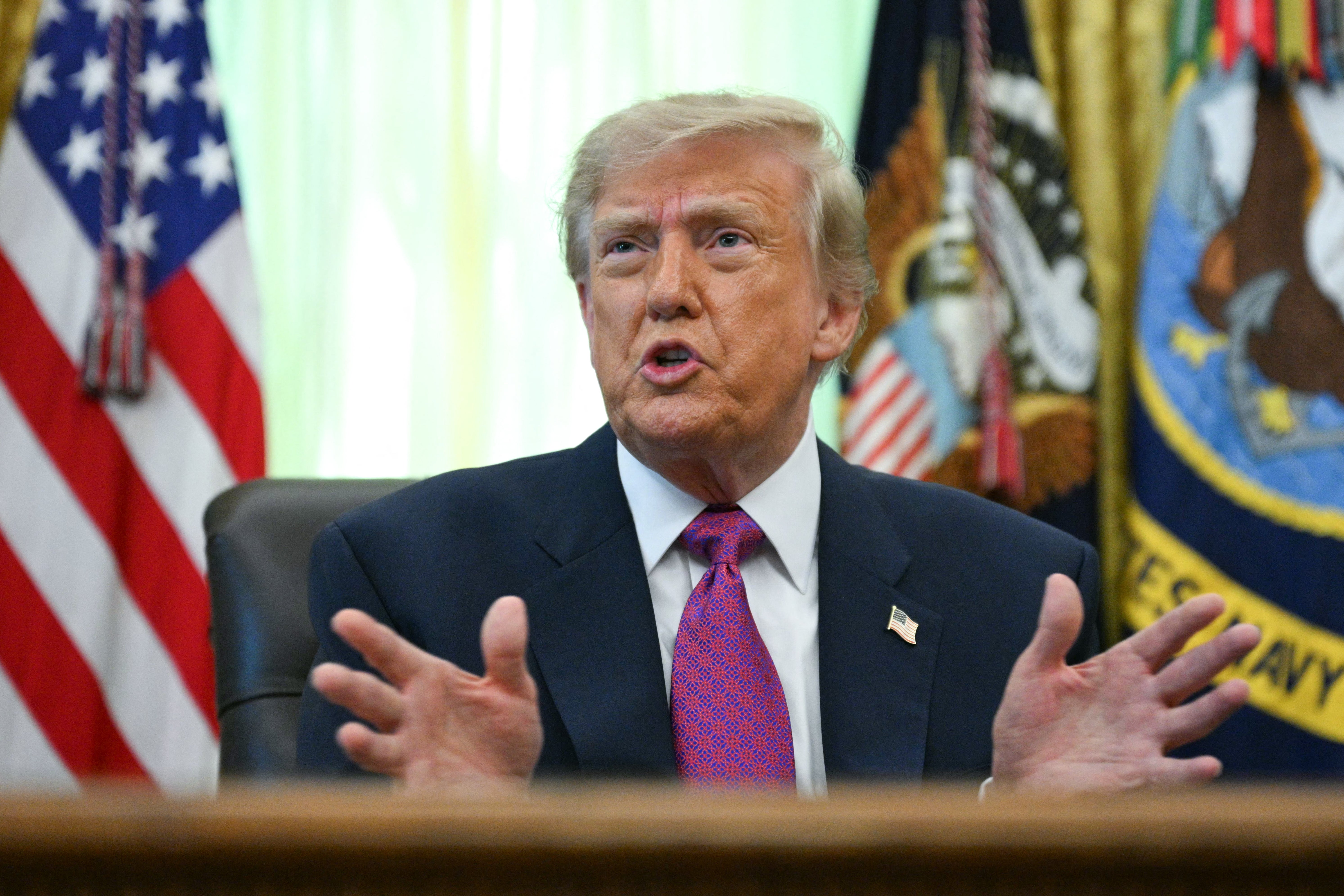
“I don’t want Canadian cars, I don’t want Canadian parts, I don’t want Canadian anything,” he added. “They’ve been ripping us off for decades, and it’s going to stop.”
The president credited his tariff agenda for saving the American automobile industry, but many U.S. manufacturers still rely on parts and systems assembled in other countries, including Canada.
Earlier this year, Ford released a statement thanking the administration for including some vehicle parts in tariff exemptions, but it’s unclear if the U.S. auto industry will escape economic hardship stemming from this latest round of tariffs. The president’s Truth Social message seemed to indicate the opposite would be true.
 open image in gallery
The president has shown little taste for negotiation with Canada in recent days and has leaned towards a different strategy, taking multiple opportunities to fan the flames of his conflict with Canada’s Mark Carney and other Canadian politicians like Doug Ford, premier of Ontario.
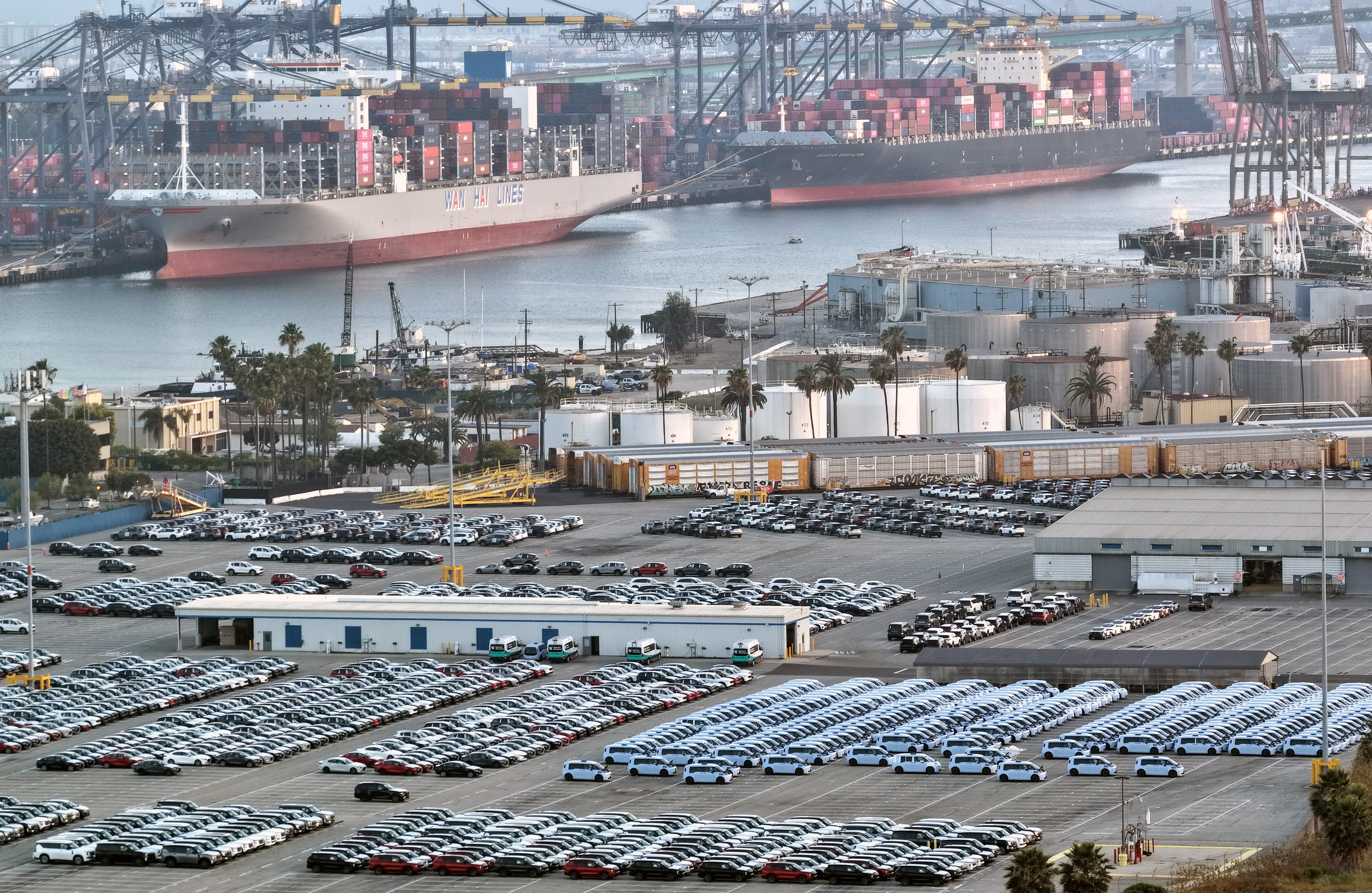
On Thursday, Trump unveiled an executive order directing all U.S. federal agencies to refer to Lake Ontario as “Lake America” in another effort to stick it to the Canadian government, a move that drew ridicule from many.
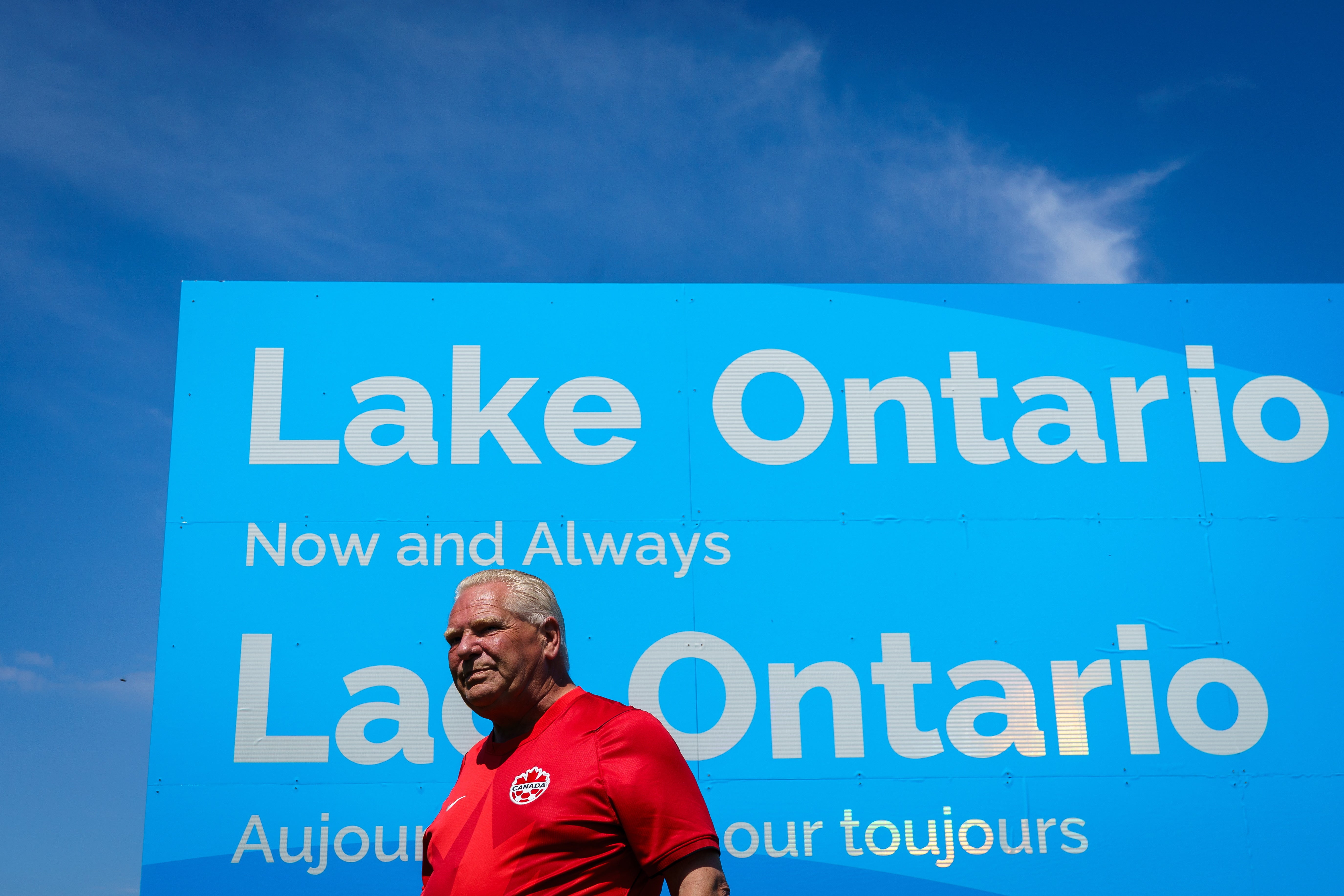
Doug Ford, who was drawn into a personal confrontation with Trump last week, warned on Sunday that a trade war would be immensely destructive to the economies of both the U.S. and Canada.
“Everyone’s feeling bullied by President Trump, and this is the worst thing you could do for the American economy,” he said on ABC’s This Week. “I just don’t see the purpose. It’s absolutely backwards.”
He called Trump’s move “something out of Saturday Night Live.”
“No one is going to call it Lake America,” Ford said.
 open image in gallery
Ford previously called Trump a “bully” and a “loser” in comments to reporters last week.
Manitoba Premier Wab Kinew was equally harsh in his description of the president as he urged the Canadian government to put up a fight.
“I think Donald Trump is very weak. I think America is weaker around the world today than it was a year ago. He’s about to get slaughtered in the midterms and the cost of living is the number one issue and he’s completely out of touch with the cost of living of Americans,” Kinew said.
Canadian officials announced a round of retaliatory tariffs last week, but U.S. officials have warned that further retaliation would provoke a response from Trump.
“If there’s further retaliation from the Canadian side, we, of course, we’re not going to just sit down and take that. Our view is don’t retaliate,” U.S. trade representative Jamieson Greer told a Canadian broadcaster this past week.
“I know how people are feeling in Canada and what they think,” he added. “So, you know, it’s unfortunate, but it is what it is. And we have our own trade policy, and we’ll proceed with it in the way that’s best for the United States.”