



Cross River State is unlikely to meet the October 1, 2026, deadline set by President Bola Ahmed Tinubu for all state governments to drastically reduce transportation costs within their states and between states.
Recently, the President directed all states to leverage compressed natural gas (CNG) provisions to reduce the cost of intra- and inter-city transportation for citizens.
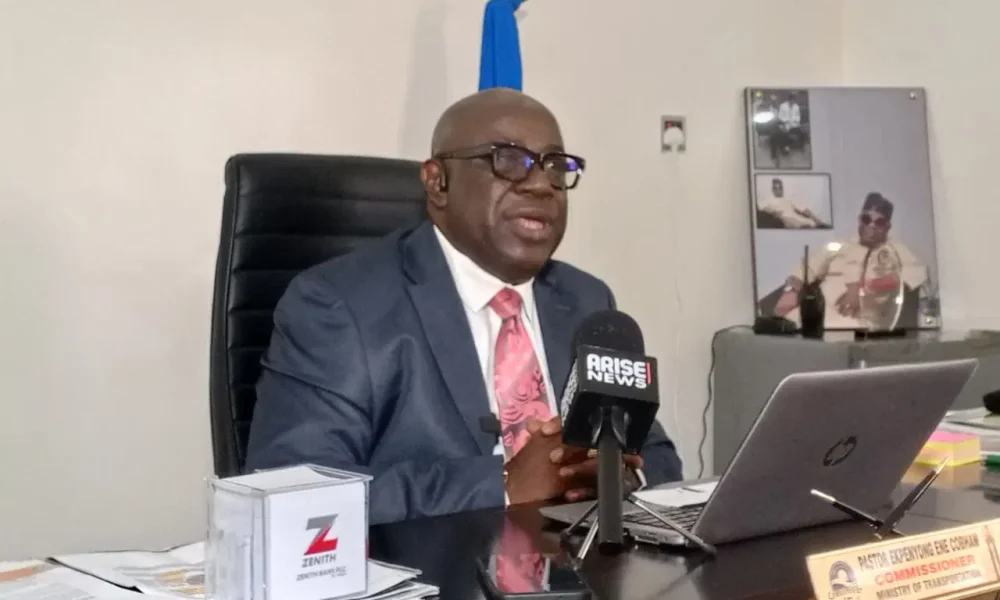
However, former Commissioner for Transportation in Cross River State and the current Commissioner for Information, Pastor Ekpenyong Cobham, has expressed doubt over the state’s ability to implement the presidential directive.
In an interview with our correspondent in Calabar, Cobham stated that fluctuating energy costs had hampered efforts by the state government to reduce the cost of public transportation.

NCAA slams RwandAir N15m fine over baggage issue

FMC Abeokuta resident doctors down tools over insecurity, assault

Troops rescue kidnapped traders, recover stolen car, arrest suspects In Katsina
Cobham disclosed that the government had invested in CNG and electric vehicles as alternatives to conventional vehicles in a bid to reduce transportation costs, but said the plan may not be realised soon.
He disclosed that the investor who initially won the bid to handle both the CNG and electric vehicle components of the project had commenced vehicle assembly at the Fabrication Academy in Calabar, but the project was later stalled.
“As a result, we had to revert to the second-highest bidder. We have paid our counterpart commitment to enable the investor to get on.
“However, the 25 years he asked for is one of the grey areas which the state Attorney-General and Commissioner for Justice is working on,” Cobham said.
The Information Commissioner said the state also has a functional CNG station outside Calabar, but noted that unstable energy prices remained a major challenge to efforts to bring down transportation costs in the state.
Reacting to the commissioner’s disclosure, the African Democratic Congress (ADC) governorship candidate, Dr Effiong Nyong, dismissed the government’s claim, arguing that Cross River currently has no government-owned public transportation system.
Nyong said what exists are privately owned commercial vehicles, adding that government pronouncements on cheaper transportation amounted to “political talk.”
“None of the buses in the state is CNG-compliant. If the federal government wants to force down the cost of transportation because they want to give temporary relief, it may not be applicable to Cross River because the CNG facility doesn’t exist,” he said.
“They’re telling lies to be politically correct. It’s not workable. The only window might be to subsidise transportation by paying a percentage of daily earnings to commercial vehicle owners,” Nyong added.

Nigerian Army opens investigation into alleged sexual abuse involving serving officer

Children’s access to internet should be strictly regulated — Lawyer

‘I was taken out of context’ — Datti Baba-Ahmed reacts to interview backlash
