


Invasive species are on the menu as scientists turn to unique solutions to fight ‘drastic’ issue
- A survey by the Cyprus Academy of Sciences recently revealed that a new non-indigenous species enters the Mediterranean roughly every two weeks, pushing the total number of invasive species past 1,000 due to rising sea temperatures and movement through the Suez Canal.
- The non-native species such as lionfish, rabbitfish, and toxic Lagocephalus pufferfish are drastically altering natural food webs, depleting local biodiversity, and placing severe financial and ecological strains on local fisheries in regions including Greece and Cyprus.
- Although the Mediterranean Sea covers only 0.8 percent of the world’s ocean surface, it hosts up to 18 percent of all global marine species, making the rapid displacement of native organisms a significant threat to global marine conservation.
- Environmental institutions such as the Marine and Environmental Research lab are testing specialized traps to selectively harvest invasive species like lionfish and Atlantic blue crabs while ensuring indigenous marine life can escape unharmed.
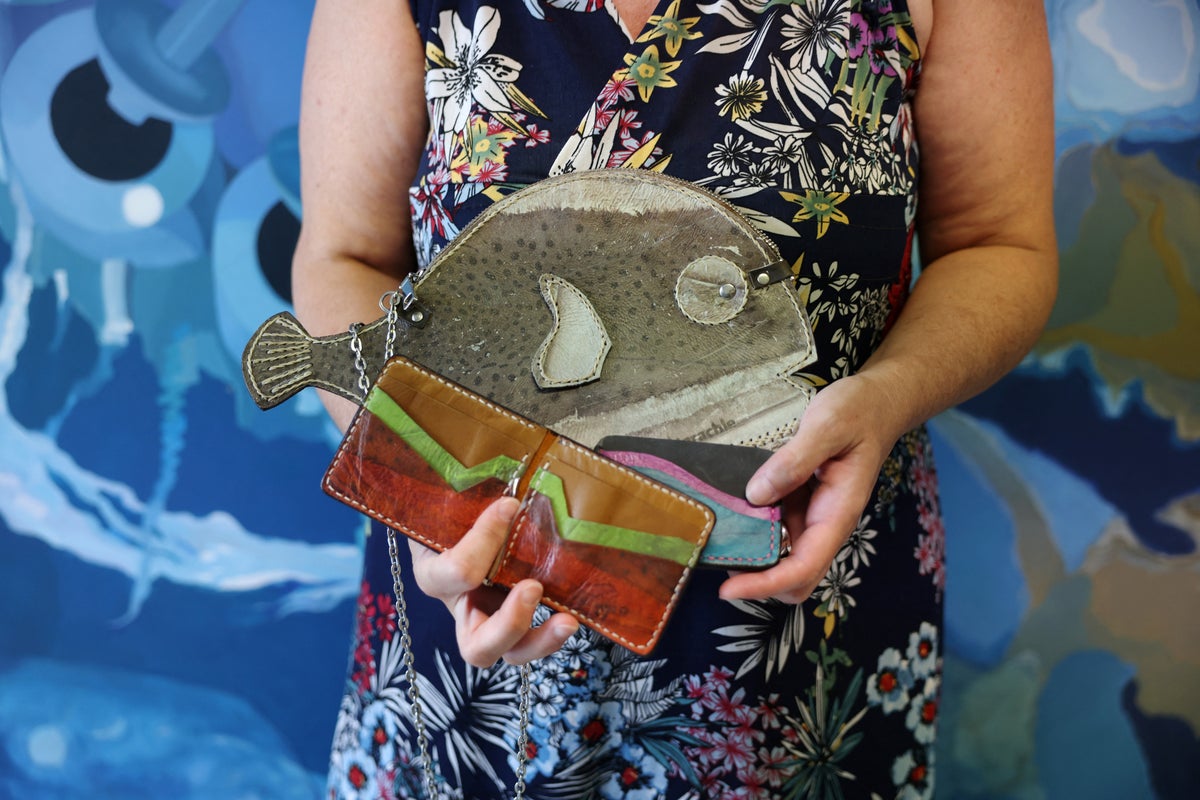
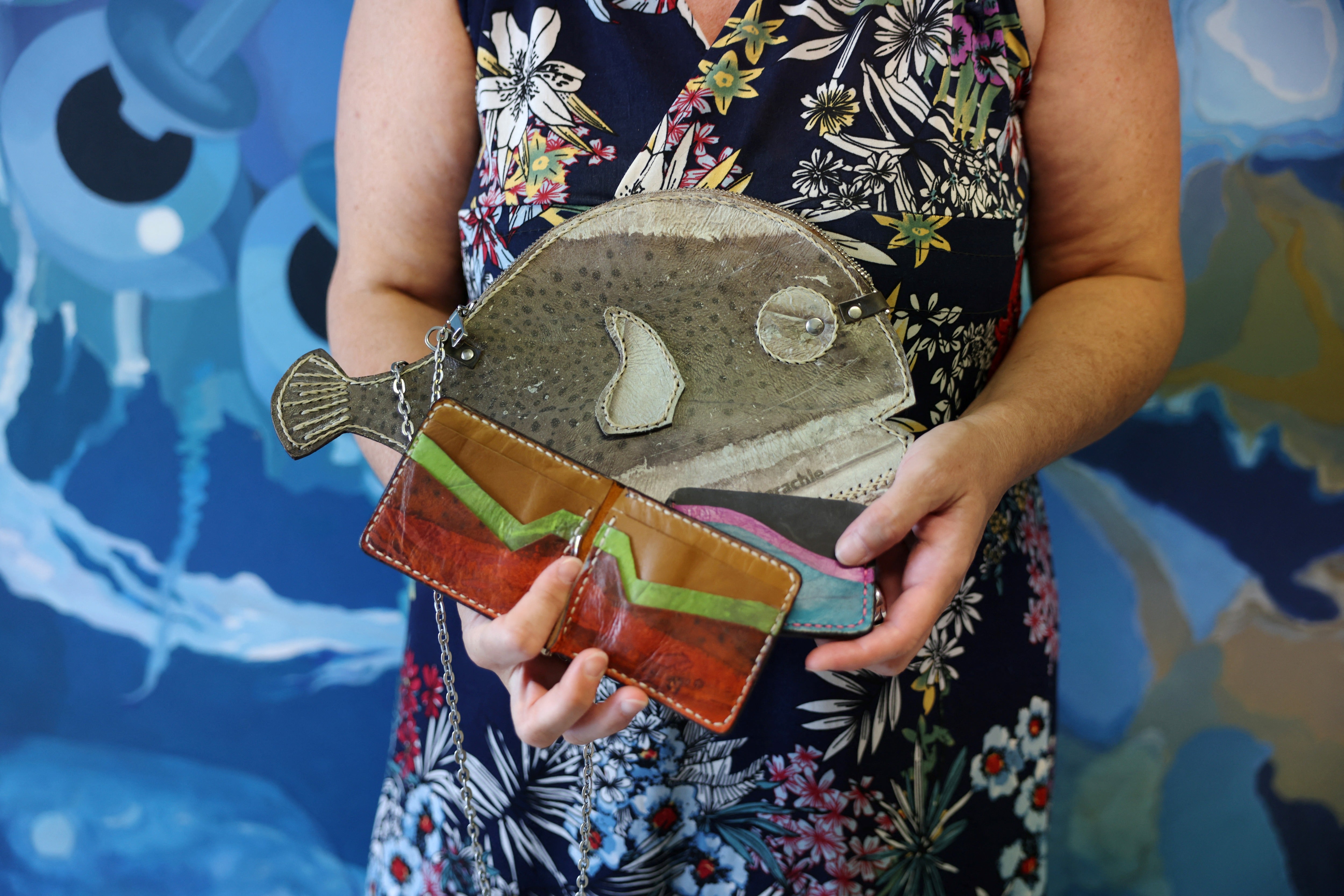
- To control invasive populations, governments and researchers are offering financial incentives to fishers, promoting lionfish as a culinary delicacy, and exploring industrial uses for pufferfish in fishmeal, cosmetics, and pharmaceuticals.

More bulletins