


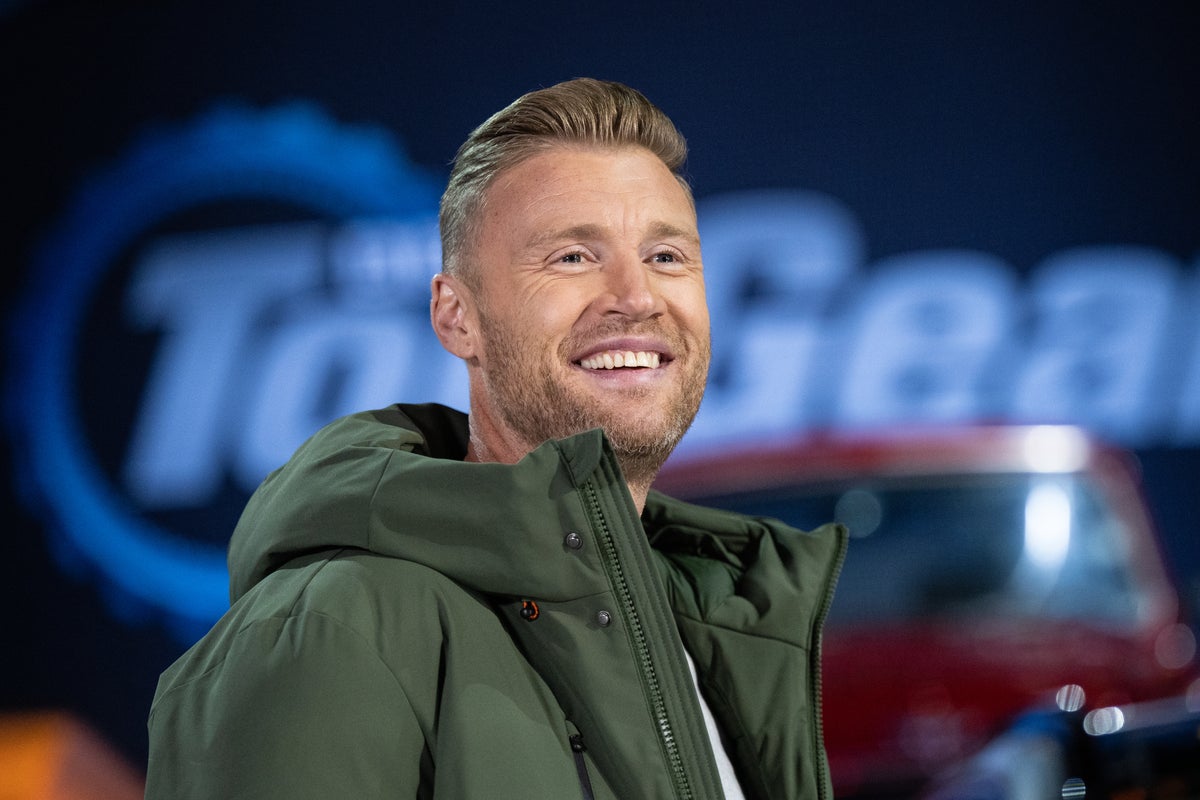
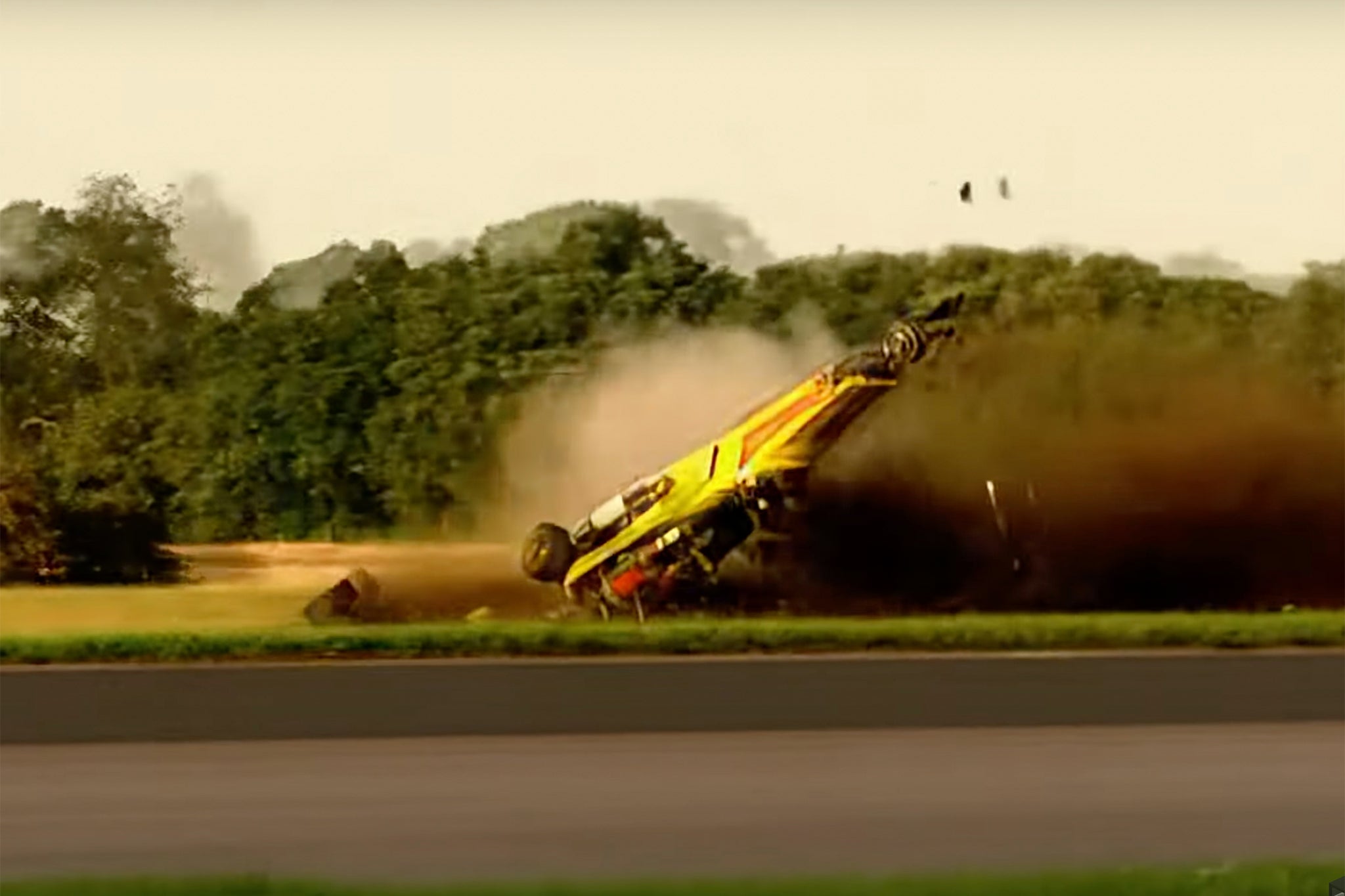
Gentlemen, restart your engines. It’s been four years since Top Gear aired its last episode on the BBC, with the hit motoring series coming to an abrupt end after an accident while filming nearly proved deadly for presenter Freddie Flintoff. The former cricketer reportedly received £9m in compensation, though still bears the scars of the crash, both physical and psychological. This week, however, BBC director of entertainment Ed Havard confirmed that a new series is officially in the works; reports that grinning comedian Jimmy Carr is being eyed to take over as host are, for the time being, just gossip.
There’s something squalidly backwards-looking about the BBC returning to the Top Gear well. Its hiatus may have been spurred by a health and safety scandal, but the fact is, it could – and maybe should – have been cancelled years before. Should it have been canned in 2019, when a presenting reshuffle saw Friends star Matt LeBlanc leave the show? Maybe. In 2015, when Jeremy Clarkson assaulted a producer, resulting in the departure of the Clarkson-James May-Richard Hammond hosting triumvirate that had fronted the show since its 2002 revival? Probably. Or earlier still: when Clarkson, in 2014, was filmed muttering “n*****” while reciting a racist nursery rhyme in a Top Gear outtake? Or earlier that same year, when he used the term “slope” on camera in an oblique reference to an Asian person? Or one of the other countless offensive moments from the show’s chequered past? There’s no “three strikes and you’re out” here. Top Gear has had more strikes than a pro bowler.
You could argue that Top Gear has moved on from the more disreputable scandals of its past; at this point, you can barely make out the laddish, problematic days of Clarkson in the rear-view. But Flintoff’s accident brought into focus another, more serious question. He wasn’t the first driver to crash while filming Top Gear. It wasn’t even his first crash, with Flintoff said to have narrowly escaped serious harm in a vehicular accident in 2019. Hammond was left in a coma in 2006 after a grievous crash; Clarkson and erstwhile host Paddy McGuinness have also both been in accidents. The show’s safety protocols shouldn’t be fodder for uninformed speculation: back in 2023, the BBC commissioned an investigation to assess the facts of Flintoff’s case, and you would imagine that robust protocols would be introduced to minimise the chance of a repeat. But for a series so simperingly enamoured with the joy of automobiles, Top Gear presents a pretty compelling case for the perils of driving.
 open image in gallery
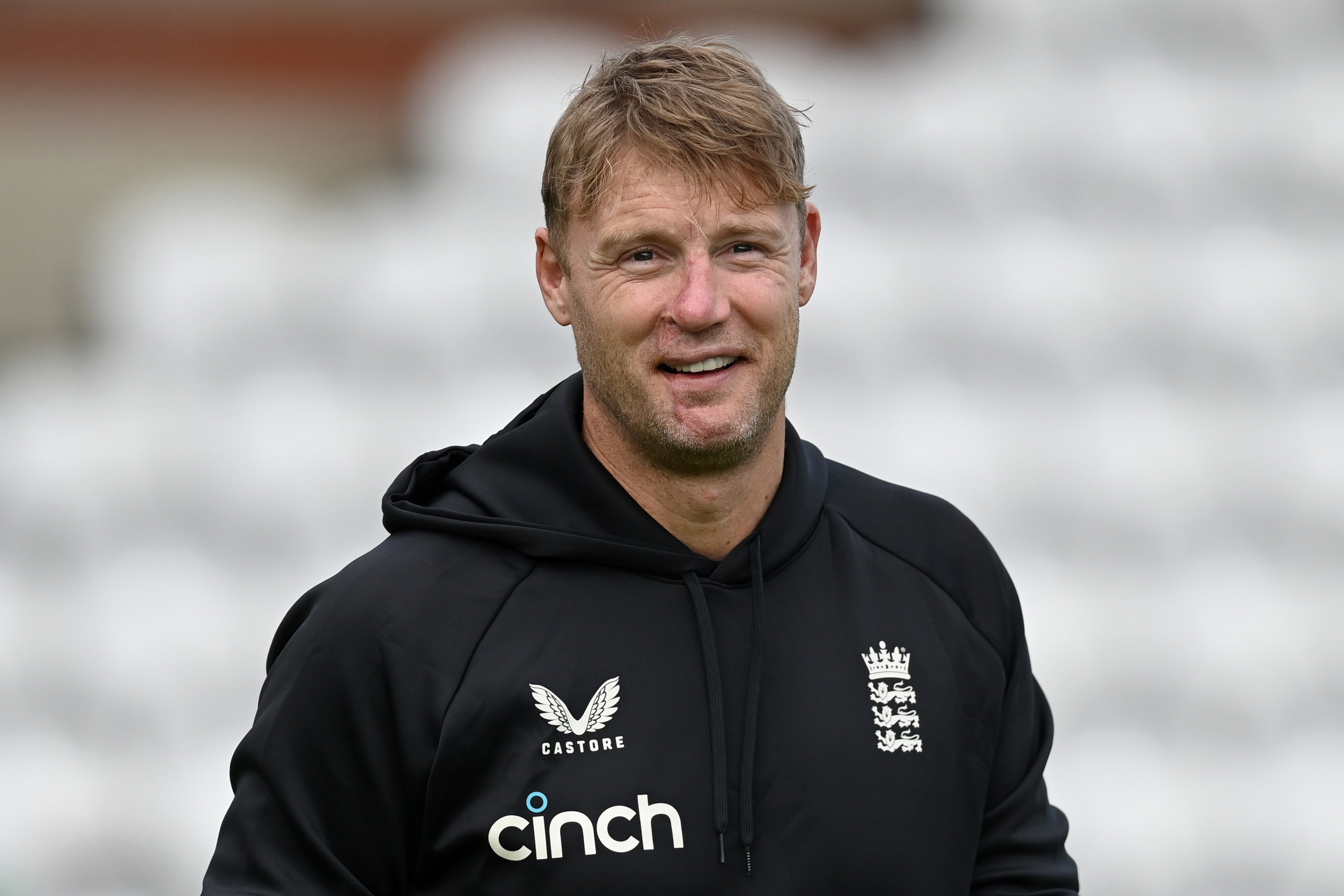
The truth is, Flintoff’s accident may have provided the perfect pretext to cut loose a programme that has long passed the point of redundancy in our televisual lineup. Including its original run (1977 to 2001), some variation of Top Gear has been on the channel for nearly half a century. Even if you leave aside the transgressions of Clarkson and co, the series has been struggling to justify its own existence for a while. The rotation in presenters since 2015 – LeBlanc, Chris Evans, Sabine Schmitz, Eddie Jordan, and Rory Reid have all joined and left the show within the past decade, with Flintoff, McGuiness and Chris Harris being the frontmen at the time of the show’s hiatus– testifies less to the series’ creative effervescence than a failure of any host to make a real mark. The banter was insipid, the format tired.
 open image in gallery
It could be said, too, that the very premise of the series is antiquated in our modern era, when the devastating climate crisis has made cars seem less like a swishy convenience and more like an insidious factor in our own collective demise. True, McGuiness et al have never shared Clarkson’s obnoxious contempt for the environmental lobby, but there is still no shortage of love for the innate beauty of the automobile. I understand Top Gear can’t suddenly start recommending that everyone park their Toyota and take a nice stroll to work instead… but shouldn’t it? It speaks to a cavalierness about pollution and climate change that is outdated in 2026. It’s hard to imagine many modern teenagers watching an episode of Top Gear and thinking anything other than, “Who are these car-adulating freaks?”
Of course, I realise that there are still plenty of motoring fanatics out there who rely on Top Gear for their sweet petrol-y buzz. They can’t all have followed Clarkson to Amazon’s Grand Tour. (And now, with The Grand Tour changing hands, many of those who did defect may be reconsidering.) After a severe years-long dip starting in 2016 – when the viewership more or less halved – Top Gear managed to recover to a place of good health in terms of audience figures. (The 33rd series premiere drew 4.86 million.) There’s no reason to stop now on account of its metrics. Popularity, however, has rarely been Top Gear’s problem.
The decision to revive Top Gear is understandable: if the Beeb had called it quits now, it’d be an unceremonious end for what is, objectively speaking, a British TV institution. But the world has surely moved on. The best case scenario, at this point, may be that the series simply coasts along for another five or 10 years, avoiding both vehicular disaster and racist controversy, bothering no one. Its glory days are gone, its horsepower insufficient. Just ask Jay Leno, or Jerry Seinfeld – some classic cars are better left as antiques.