


Tinubu charges varsities to prioritise skills over certificates
August 19, 2026 6:03 pm

President Bola Tinubu
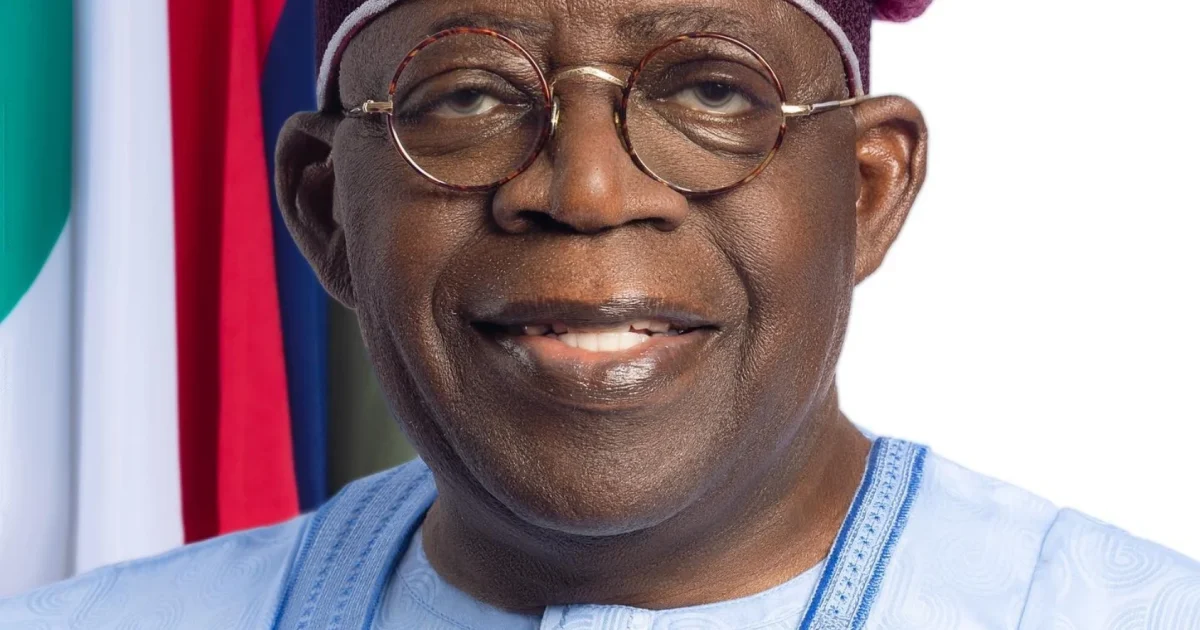
President Bola Tinubu has charged Nigerian universities to place greater emphasis on practical skills, innovation and problem-solving rather than concentrating primarily on the award of academic certificates.
Tinubu said this was necessary for universities to produce graduates capable of driving Nigeria’s economic transformation and competing effectively in a rapidly changing global economy.
The president gave the charge on Wednesday in Ilorin, Kwara State, while speaking at the 37th Annual Conference and General Assembly of the Committee of Vice-Chancellors of Nigerian Universities held at the University of Ilorin.
Represented by the Minister of State for Education, Suwaibat Ahmad, Tinubu described universities as strategic institutions in the country’s development, saying their responsibilities extended beyond awarding degrees.
“Universities are more than institutions where degrees are awarded. They are centres of knowledge creation, innovation, critical thinking, entrepreneurship, cultural development and national transformation,” he said.
According to the president, the quality of graduates produced by universities must be measured by their ability to apply knowledge, develop solutions and contribute meaningfully to society.
He said graduates were expected to be academically sound while also possessing qualities such as digital competence, entrepreneurship, adaptability, ethical conduct and innovative thinking.
Tinubu challenged university administrators to reassess the relevance of the education being offered to students against the demands of emerging technologies and changing labour markets.
“The question before us is no longer simply whether our universities are producing graduates. The more foundational question is: what kind of graduates are we producing? How effectively are our universities preparing them to contribute to Nigeria’s economic and social transformation?” he asked.
He said the challenge had become more urgent with the rapid expansion of artificial intelligence, automation, biotechnology, data science, renewable energy and advanced manufacturing.
The president said his administration was therefore pursuing reforms to improve the quality, relevance, accessibility, affordability and accountability of tertiary education.
He disclosed that the Federal Ministry of Education was implementing the Nigerian Education Sector Renewal Initiative, with emphasis on institutional governance, quality assurance, research and innovation, digital transformation, skills development and stronger collaboration between universities and industry.
Tinubu also called for a greater emphasis on practical training, saying students should be given opportunities to complement classroom knowledge with hands-on experience.
He disclosed that the government had begun reviewing curricula, particularly in agriculture, to make university education more practical and responsive to the needs of the economy.
The president also linked the success of tertiary education reforms to the quality of learning at the foundational level, stressing the need to strengthen basic education before students progress to universities.
Meanwhile, the Kwara State Government has urged Nigerian universities to ensure that the outcome of their deliberations translates into practical interventions capable of improving the lives of people in their host communities.
Representing Governor AbdulRahman AbdulRazaq, the Commissioner for Education and Human Capital Development and Supervising Commissioner for Tertiary Education, Lawal Olohungbebe, welcomed the vice-chancellors to Kwara and described the University of Ilorin as one of the state’s major educational assets.
Olohungbebe said while tertiary education remained important, sustainable reform of the sector could not be achieved without addressing challenges at the basic education level.
He also said the wealth of experience represented by the vice-chancellors at the conference provided an opportunity to develop practical solutions to some of the country’s educational challenges.
He urged the university administrators to ensure that the conference did not end with recommendations that would simply gather dust on institutional or government shelves.
“We look forward to having fruitful deliberations, and not just the ones that will end up on the shelves, but the ones that will end up in our communities, making a local impact and international relevance,” he said.
Olohungbebe described the gathering as an opportunity for the university leaders to exchange ideas and develop strategies capable of strengthening Nigeria’s tertiary education system.
The annual CVCNU conference brought together vice-chancellors and other key stakeholders to examine challenges confronting Nigerian universities and deliberate on reforms needed to make the institutions more responsive to the country’s technological, economic and social needs.
All rights reserved. This material, and other digital content on this website, may not be reproduced, published, broadcast, rewritten or redistributed in whole or in part without prior express written permission from PUNCH.
Contact: [email protected]