


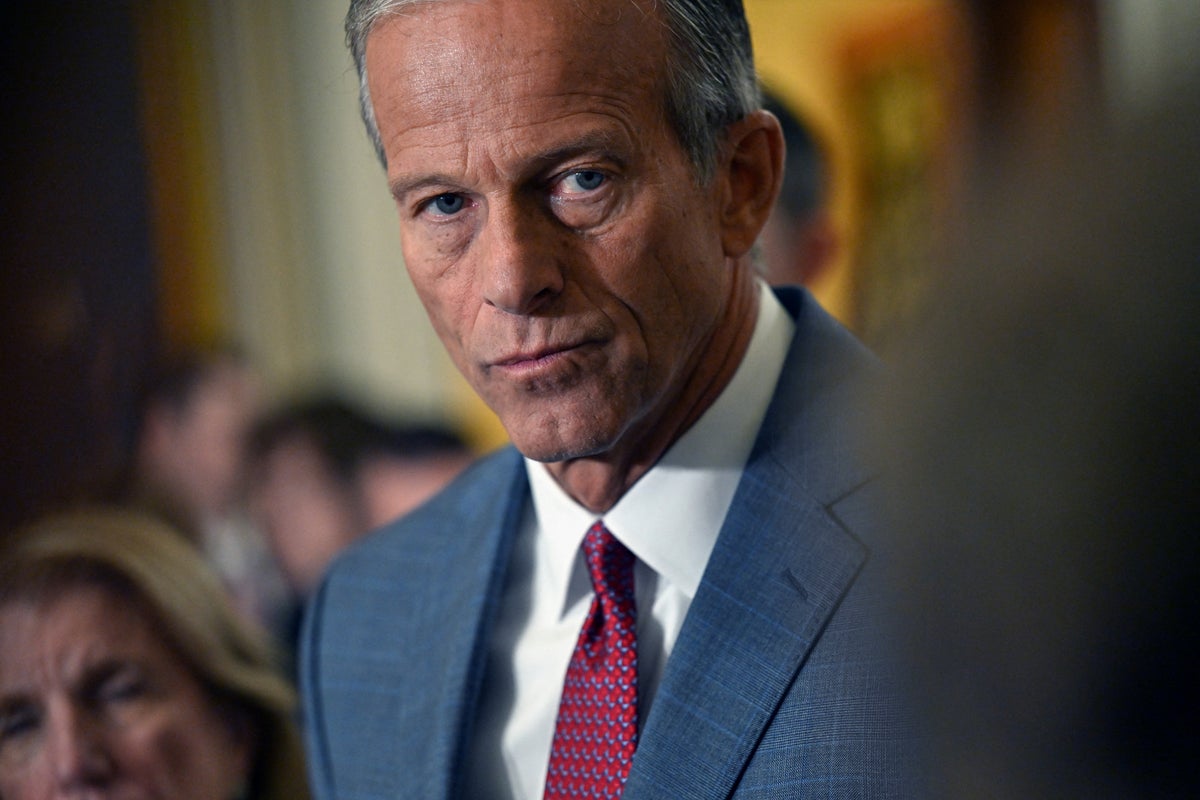
The Senate’s push to renew a critical piece of surveillance legislation hit another snag Monday as Donald Trump sought to link its passage to the Save America Act, the controversial voter ID bill he’s been pushing.
But Senate Majority Leader John Thune signaled that his caucus would simply ignore the president’s apparent veto threat, the latest evidence of a gulf between the president and the Senate GOP and a sign of how tired many Republican senators are of the president’s interference in the upper chamber’s affairs.
In a Truth Social post on Monday morning, Trump wrote that he would not sign an extension of the Foreign Intelligence Surveillance Act (FISA)’s Section 702 without the voter ID legislation attached to the bill. FISA Section 702 gives the intelligence community the authority to collect electronic records of persons acting on foreign soil, and it expired on Friday amid a dispute between Democrats and the White House over the nomination of a MAGA operative to be Trump’s next acting director of national intelligence.
“I’m against FISA if it doesn’t come with The Save America Act (Full version!) firmly attached to it,” Trump wrote on Truth Social.
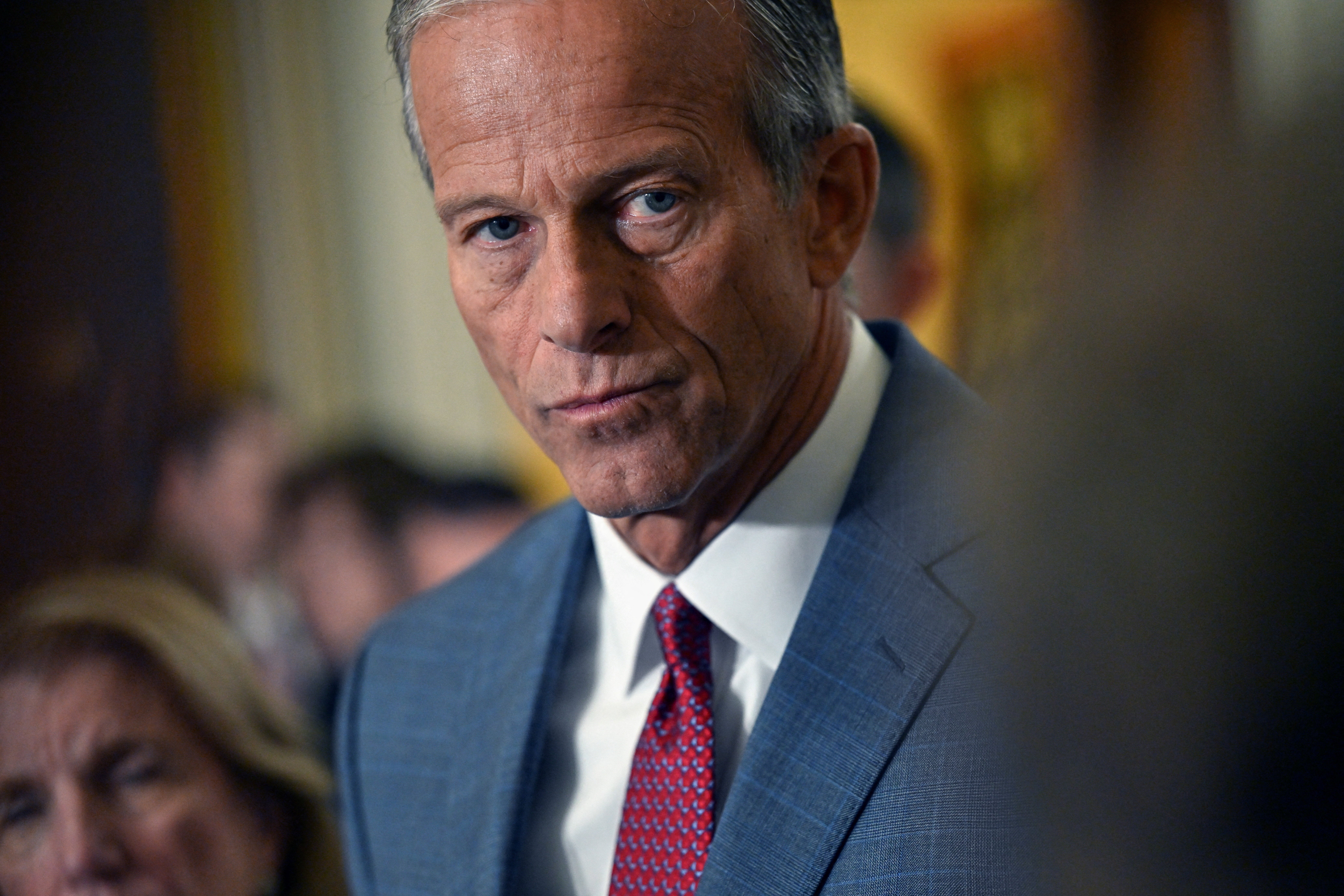
Thune gaggled with reporters on the Hill on Monday afternoon and responded by flatly rejecting that notion: “I think the president wants to add Save America to pretty much everything, but that you know, obviously, is not realistic to get the FISA bill done, and we want to get the FISA bill done.”
 open image in gallery
He also suggested that Trump’s latest demand was new, and not one that had been communicated directly to congressional Republican leaders.
“I’ve talked to him about FISA. I’m not sure in that conversation he brought up the SAVE Act,” said Thune, referring to another version of the Save America Act.
Thune and the Senate Republican caucus, particularly those aligned with leadership, have been in rought straits lately as the White House and the president have taken numerous actions that have made things much harder for their allies on the Hill. In the upper chamber, Republicans are aiming to protect a four-seat majority in this fall’s midterm elections.
Donald Trump has endorsed against two sitting Republican incumbents in the chamber, who both went on to lose their primaries, and forced out another Republican senator from North Carolina.
 open image in gallery
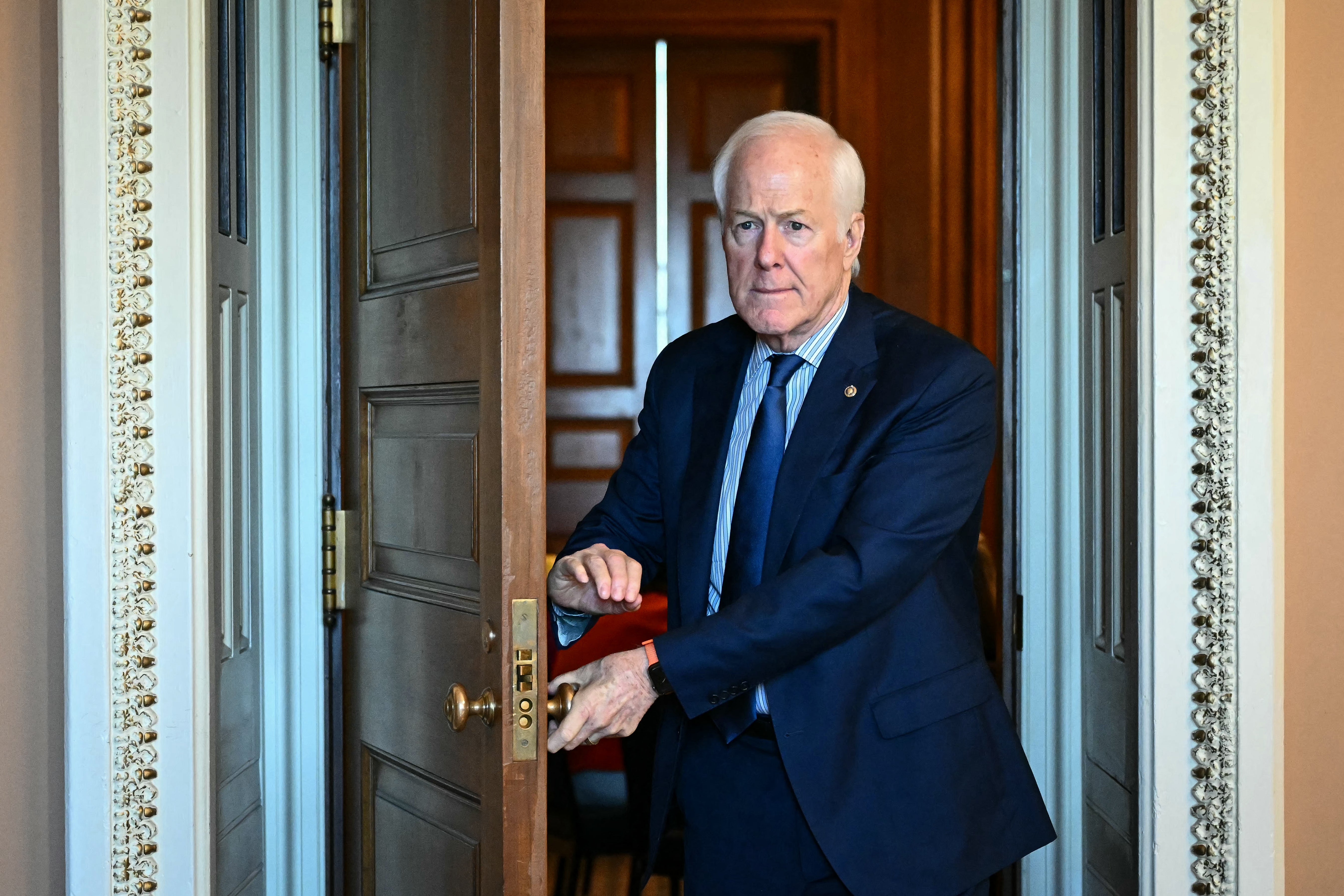
And the Save America Act is hardly the first piece of legislation which Trump, seeing it as a priority, has tried to shoehorn in to other must-pass bills. The recent GOP reconciliation push to fund ICE and Border Patrol’s enforcement and removal operations for the remainder of Trump’s term, a strategy which allowed the chamber’s Republicans to withdraw from negotiations with Democrats over the matter, was similarly endangered by Trump’s pushes to add funding for his White House ballroom project and a proposed $1.776 billion “slush fund” for “victims” of the Department of Justice under Joe Biden.
Now, Thune is acting to ensure FISA’s swift passage even without the notion of humoring Trump’s demand. It’s a sign of his growing frustration with the White House, as well as an understanding that he has some leeway to ignore those urges without endangering his position. For all of Trump’s efforts to assert dominance over Senate Republicans, the danger the president poses directly to Thune himself is minimal compared to the damage he can do to the overall Republican majority.
The president has, in the past, taken a more hands-off approach to Senate leadership contests compared to the House GOP, and Thune’s ties to Mitch McConnell will likely allow him to weather any future challenges that take place after the midterms.
 open image in gallery
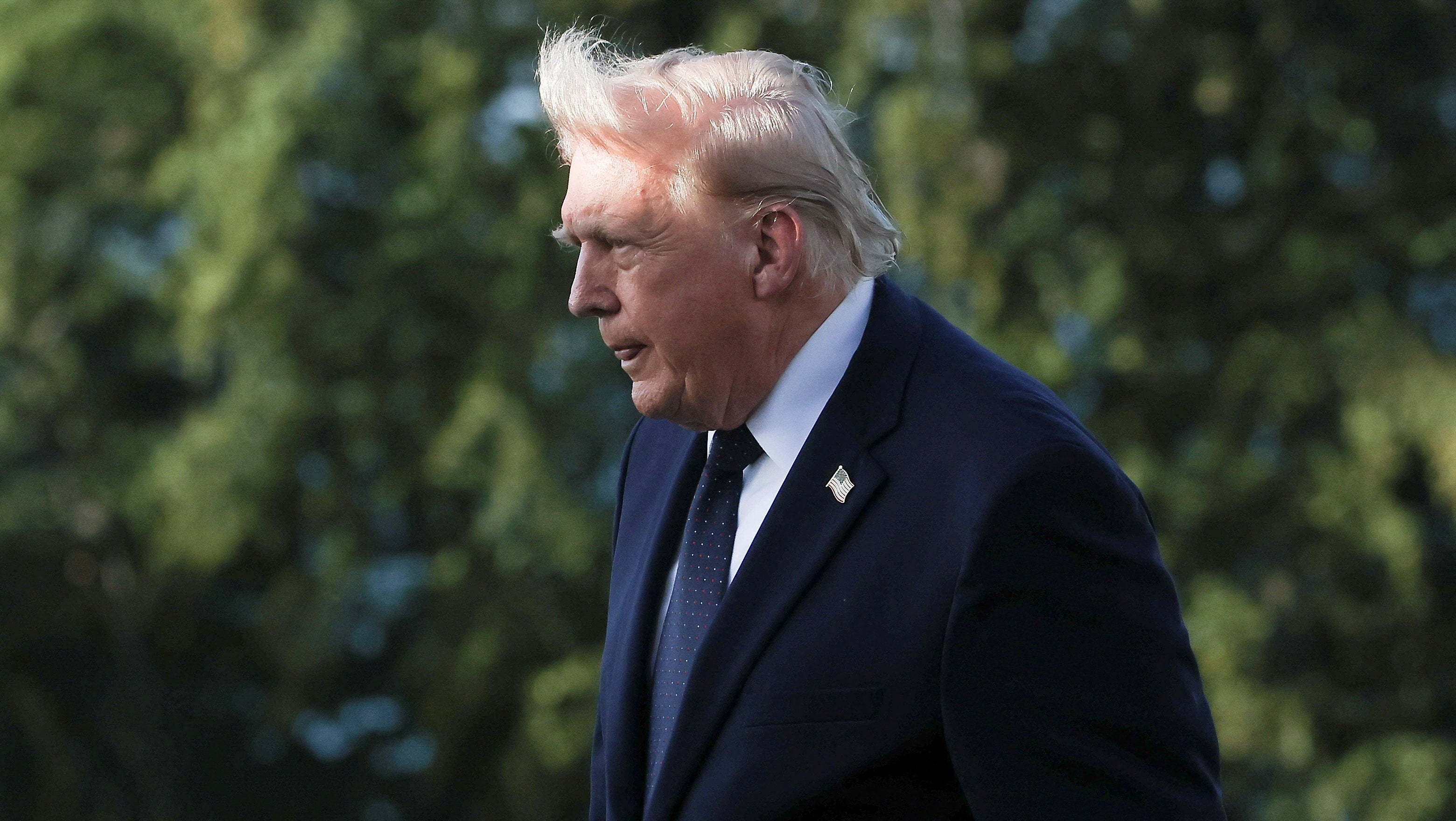
The FISA dilemma is another issue heaped upon the Senate by Trump, as the typically bipartisan legislation became a bargaining chip over the president’s nomination of Bill Pulte to be his acting DNI. Pulte, currently head of the Federal Housing Finance Agency, has no background in the intelligence community and is only notable for his willingness to pursue campaigns of vengeance against Trump’s enemies using his current position.
Republicans, even some who are critical of Pulte’s appointment, have urged Democrats (without success) to not hold up FISA renewal legislation on Pulte’s pick. The White House eventually backed down and nominated Jay Clayton, former head of the SEC, to take the position on a permanent basis but the move has yet to win over enough Democratic votes to break the 60-vote filibuster threshold.
Passage of the FISA extension is now “all contingent on Clayton getting confirmed and in position,” Thune told reporters on Monday.