


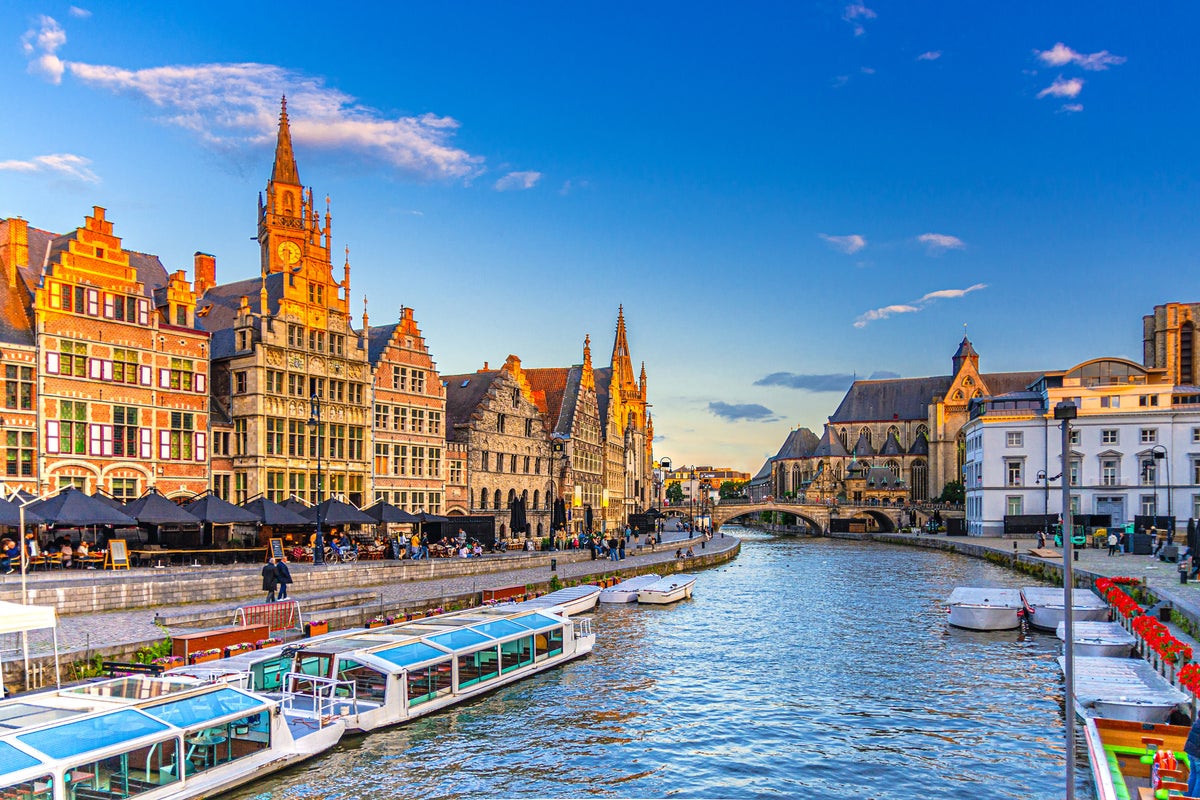
When Flanders’ food is mentioned, the first thing that comes to mind is frites. Which is fine because chips are fantastic, but there’s more to the Belgian region’s cuisine than fried potatoes, especially in Ghent. Here, a bright, modern food scene is flourishing among the historic spires – offering a compelling alternative to southern Europe’s blistering heat.
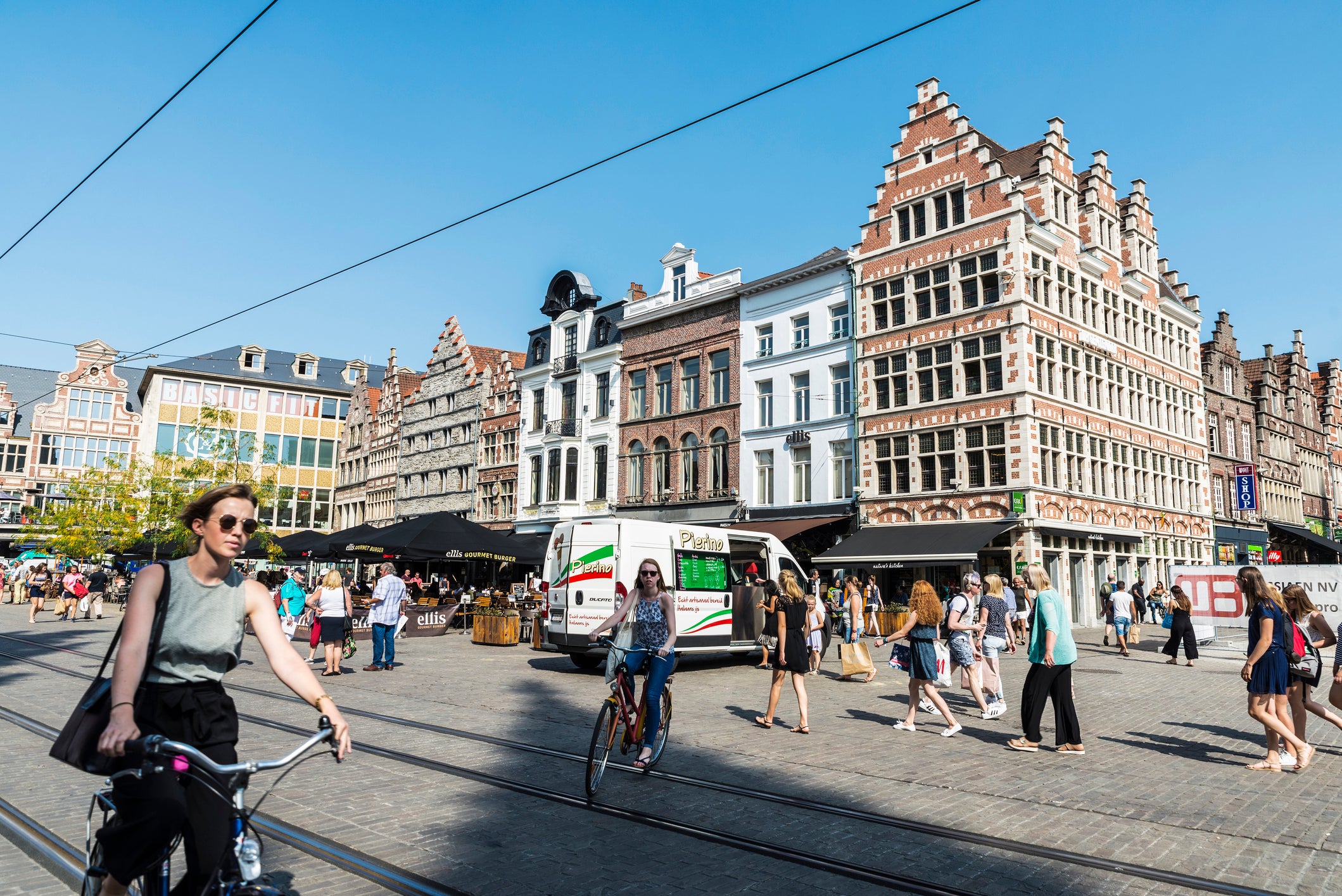
I stayed in the wallet-friendly Ibis Budget hotel, where bikes are helpfully available to rent. In Ghent, this is a must. Cycling is by far the easiest way to get about, and it’s safe here too, since cyclists have right of way over cars and there are separate cycle paths connecting every street in the city.
If you’re a cycling fan, you’ll know that Ghent is home to several important cycle races, as well as the t’Kuipke velodrome. If you’re not, there’s every chance you may become one while you’re here.
 open image in gallery
Nowhere is that more obvious than in one of the city’s cycling pubs: lovely old bars decorated with cycling paraphernalia ranging from the bizarre to the genuinely precious. In Cafe De Karper near the Citadelpark, life-sized cardboard cutouts of racers past accompany you down the stairs to the bathroom.
Part of Ghent’s charm is its thriving independent creative scenes. Beer, food, art, wine, fashion and music are all part of the city’s unexpectedly cool vibe. Wander through the cobbled streets and you’ll see churches and grand houses standing alongside local jewellery designers and boutiques full of unique pieces, gift shops full of handmade crafts, and galleries.
If you’re into drinking, tours on the scenic craft beer route incorporate Ghent’s architecture with its independent breweries. Unlike other cities in Flanders, most make modern beer styles. It’s well worth a trip to breweries such as Stroom or Dok to taste your way through their lineups and take in the art displayed on their walls. Stroom in particular hosts a new local artist in their gallery each month.
Street art is big here too, and there are specific routes to follow to see the best of it across the whole city. Grab a map from Cultuur Gent and follow the trails to find murals in the most unexpected places.
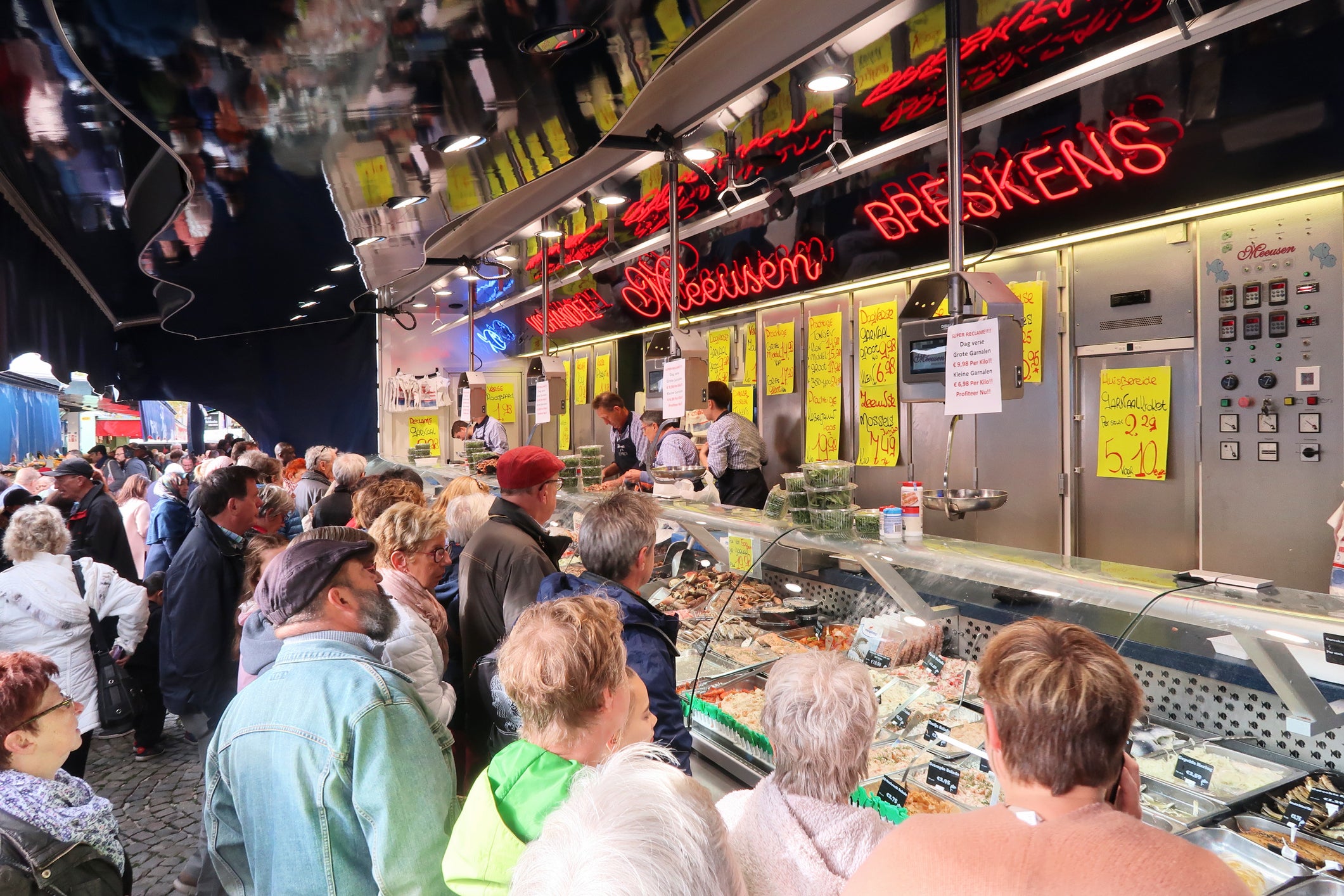
In one of these lesser-visited spots hides Raaf, a hot dining spot in an old converted hotel. Situated in the Machariuswijk neighbourhood in the east of the city, Raaf has a seafood focus, but also takes inspiration from traditional dishes such as hearty stoofvlees, a local beef stew.
Be sure to snag a reservation at Chubby Cheeks, an adorably-named restaurant and bar in the centre of the city. It’s renowned for its cocktails, plus serves endlessly exciting small plates and natural wines pulled from a carefully curated list. Forget white table dining, this feels like you’re the guest of honour at a decadent house party with music to match. Afterwards, Edelrot wine bar will see you home with their own delicious selection of late-night tipples.
 open image in gallery
Read more: Portugal’s Fisherman’s Trail is the perfect multi-day hike for first-timers
Of course, you wouldn’t be coming to Ghent if you didn’t want to experience some of the city’s cultural pursuits. A postprandial stroll around the Citadelpark after all those small plates is much recommended. As is a visit to the Museum of Fine Arts to see the inner panels of the famous Ghent Altarpiece, as well as works by renowned Flemish artists. Seeing The Vrijdagmarkt by Jules De Bruycker was a particular highlight.
Head to St Bavo’s Cathedral to pay a visit to the Mystic Lamb, painted by Van Eyck in the 15th century. The lamb – a representation of Jesus at the heart of the holy building – is one of the most stolen artworks of all time. It’s also experiencing something of an internet memeification thanks to a recent restoration, which revealed a human-like face beneath the sheep’s. Book in advance to avoid the queues. The stunning art, architecture and peace of St Bavo’s is well worth it.
Ghent has 12 museums, which for a city of its size is quite remarkable. There’s modern art at the SMAK, local history at the STAM city museum, plus the House of Alijn, a curious record of Flanders daily life. There’s also an examination of psychiatry at the Dr Guislain Museum and the GUM, or Gent University Museum, which descries itself as a forum of “science, doubt and art.”
 open image in gallery
Read more: How accessible is Eurostar? I tested the journey from London to Paris as a wheelchair user
The best way to explore these is with a Ghent Card, which offers free travel across the city and entry to numerous museums and galleries. It’s possible to beat the crowds by visiting on Thursdays, when many cultural venues are open until 10pm.
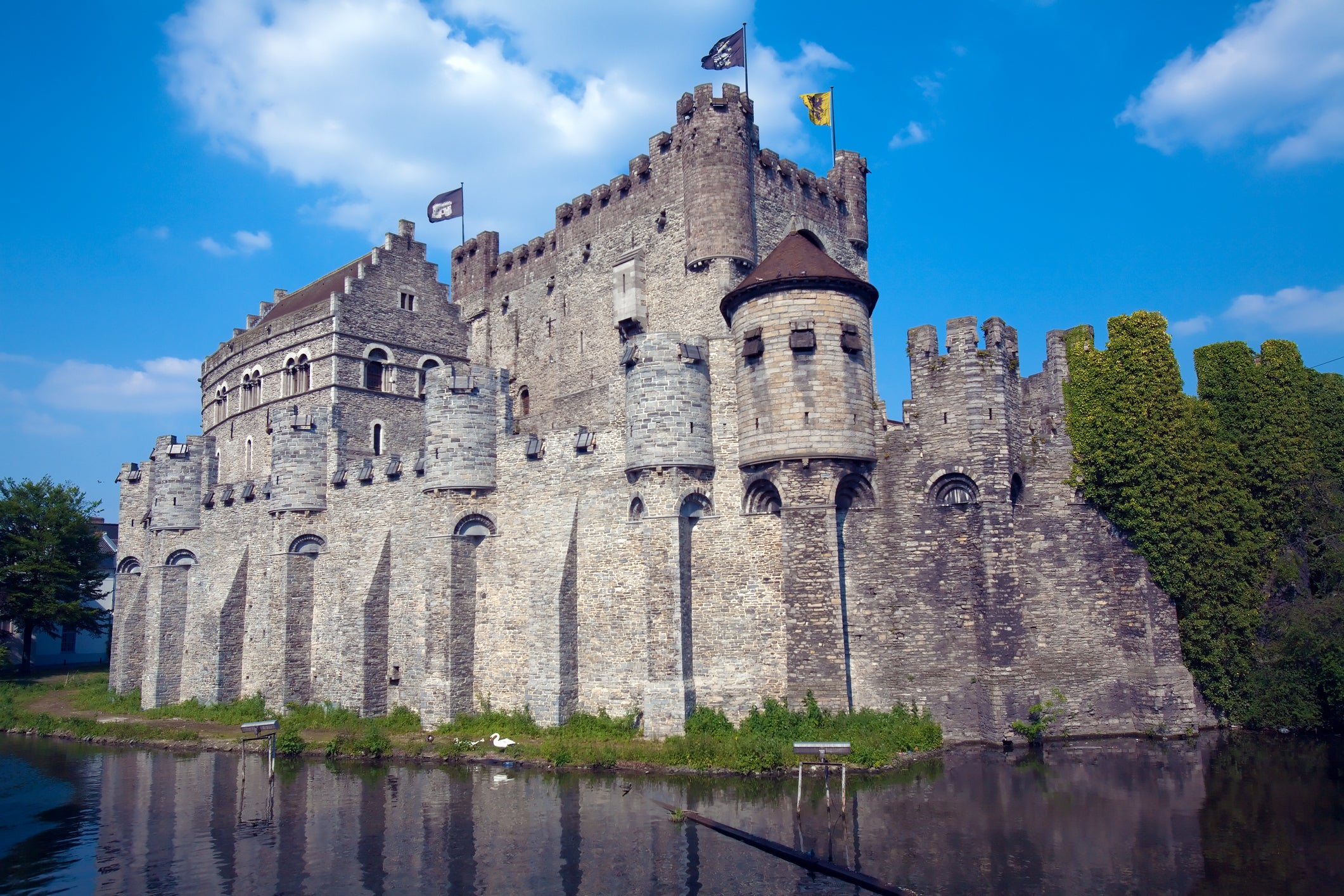
For those with a more macabre disposition, the imposing Castle of the Counts doubles as a museum of torture devices and turbulent political history. Fun fact: the castle is also a popular wedding venue. Gentians are proud of their culture and their beautiful city, but they also have a dry sense of humour.
Speaking of the locals, I can’t explain how friendly Flemish people are. You just have to visit for yourself. You might be asked “sava?” which is local dialect for “how are you?” and comes from the French ca va – but it’s definitely not the same.
Flemish people like to think of themselves as open-minded, chatty and resilient. There is no gatekeeping in Ghent. You’ll make friends without trying, and your new mates will tell you the best places to eat, drink and visit. But pick up a few maps from the tourist office too, just be on the safe side. And if it gets too hot, you can always dive into one of the many, many bars or restaurants.
How to do it
Direct flights to Brussels are available from all major UK airports. A single return with Brussels Airlines costs around £200. A train from Brussels Charleroi to Ghent takes around half an hour and costs from £7.
Otherwise, it’s possible to travel by Eurostar to Brussels and then continue your journey by train to Ghent.
Where to stay
The Ibis Budget Gent Centrum Dampoort starts at around £55 per night, plus bike hire.
Katie visited Ghent as a guest of VisitFlanders