


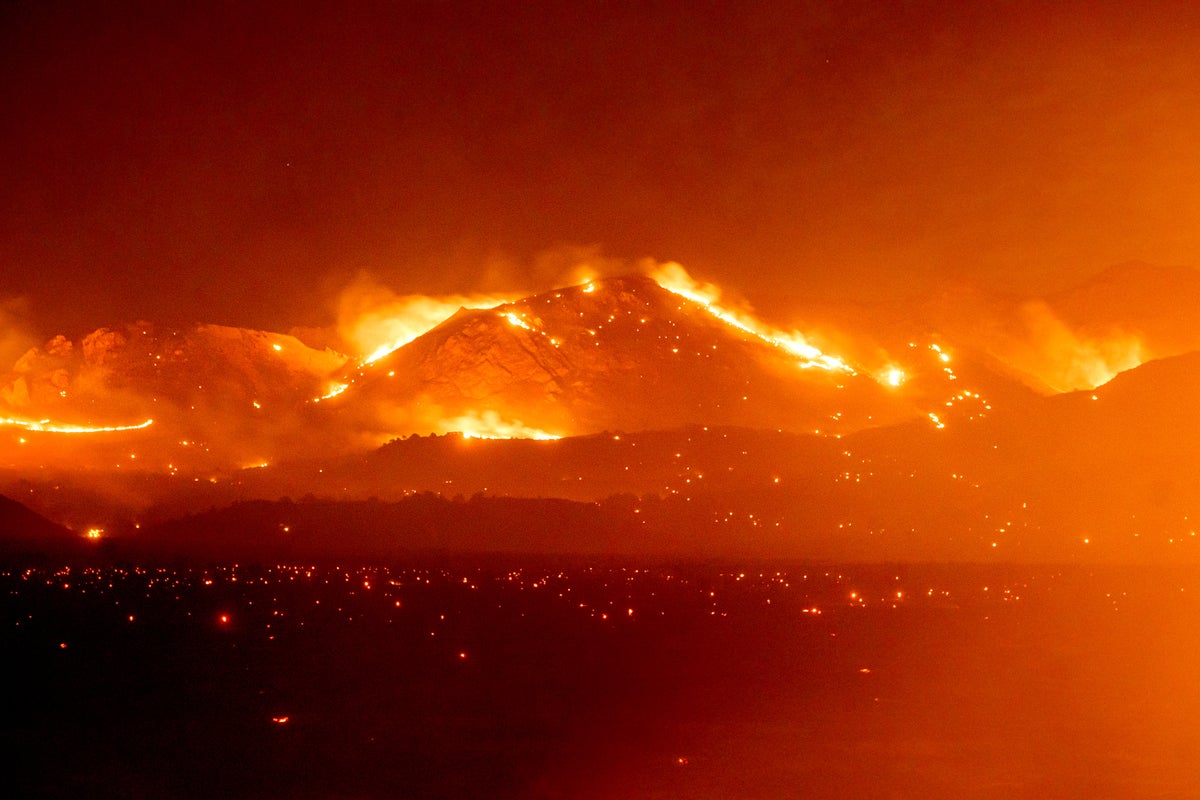
It has been a summer defined by a single image: a raging fire tearing through woodland, sending thick plumes of black smoke into a dusty sky.
Across the world, wildfires have scorched more than 370 million acres of land across 80 countries so far this year, a land mass larger than France, Spain and Germany combined.
No region has been spared. Fires have torn through the savannahs of sub-Saharan Africa, the lush rainforests of South America and the luxury resorts on France’s Atlantic coast, worsened by record-breaking heatwaves and widespread drought.
 open image in gallery
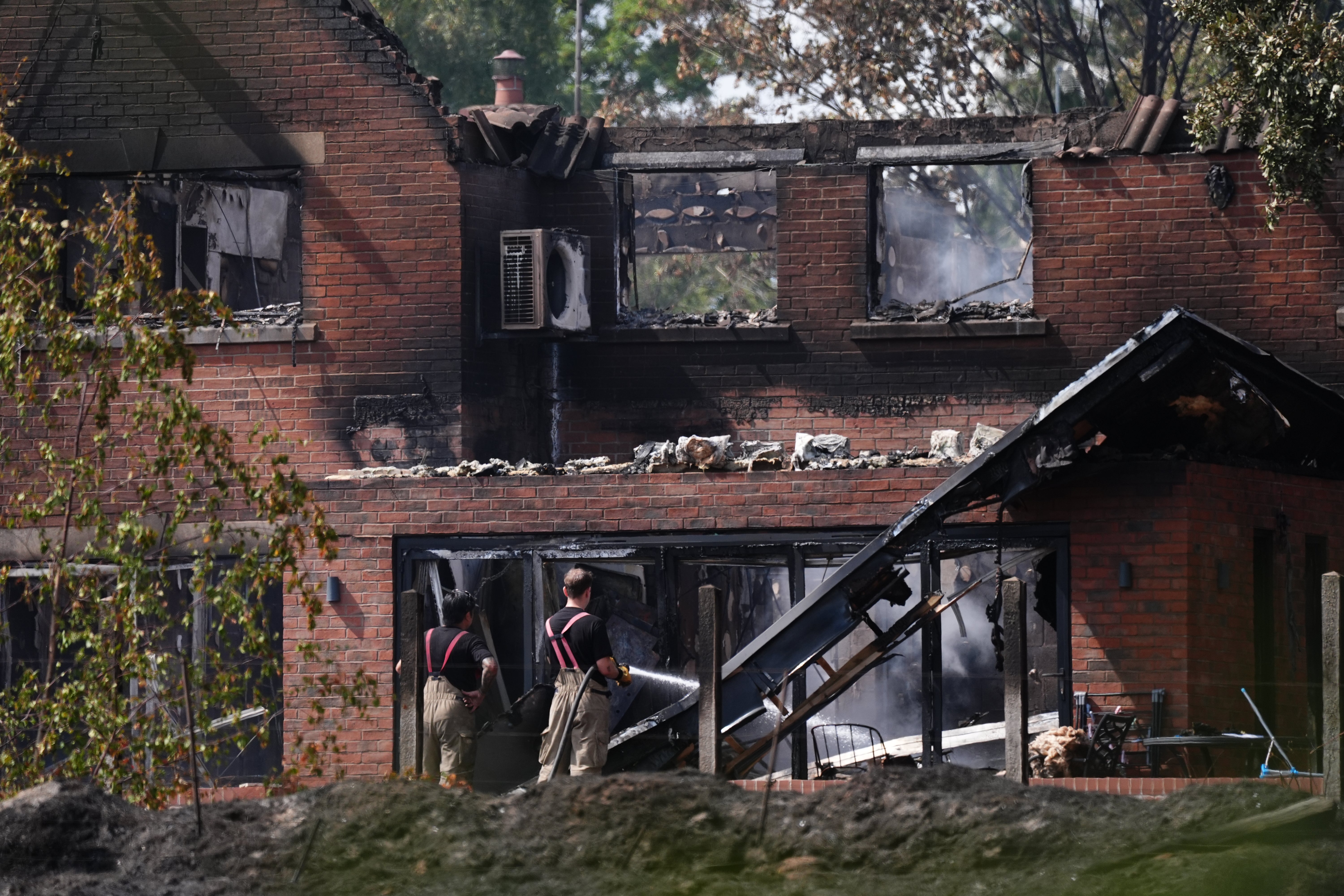
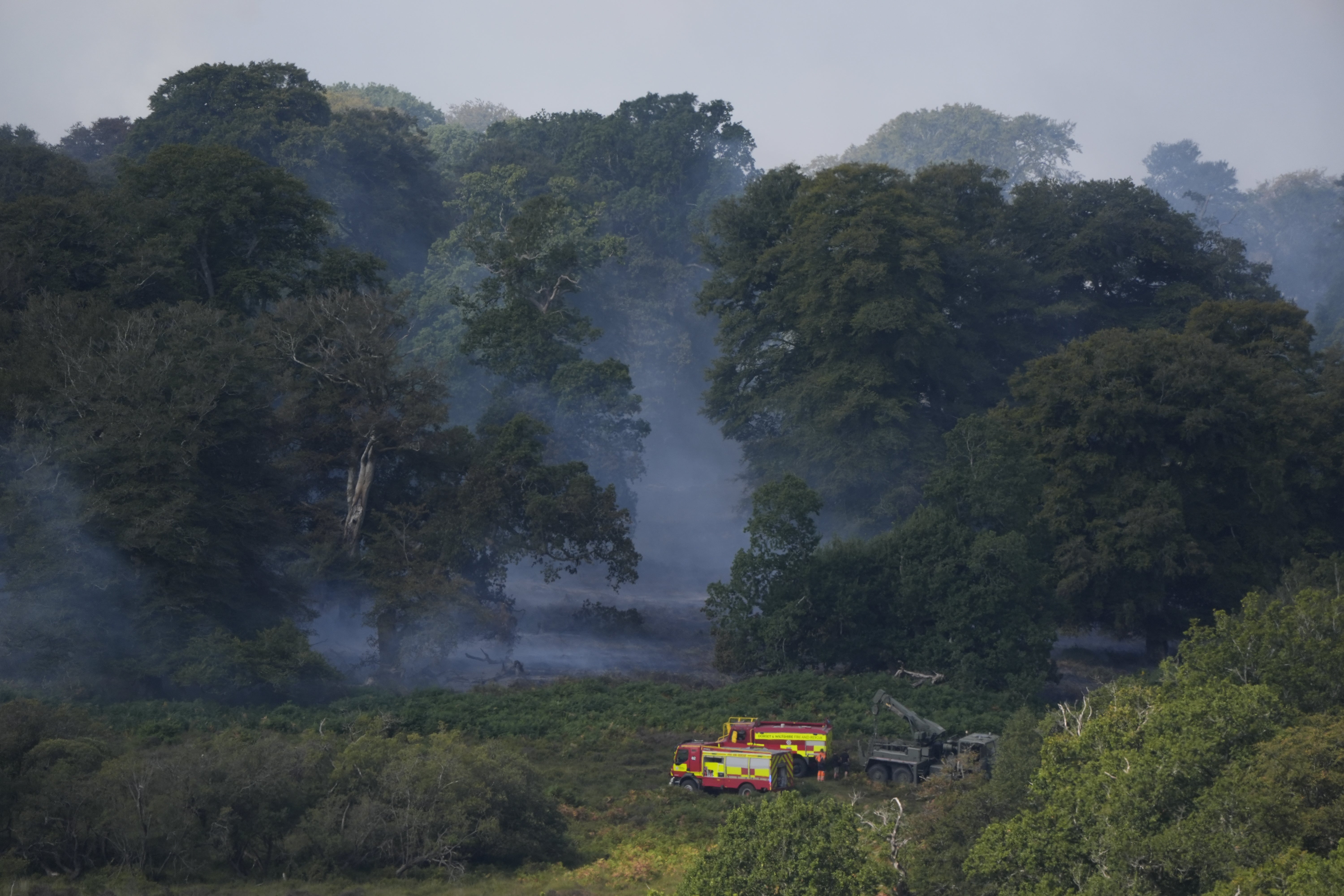
In the UK, several heatwaves have triggered huge wildfires in the New Forest and the West Midlands in scenes described as “apocalyptic”. More than 1,017 blazes have raged so far this summer – topping the same last year’s record-breaking total – with almost half of those in July alone. And more than 1,400 acres – the equivalent to 900 football pitches – were burnt in a wildfire at Tintwistle Moor, in the Peak District earlier this month.
On Sunday, the Met Office said that another heatwave could be on the horizon in September, even as the UK moves into the meteorological autumn.
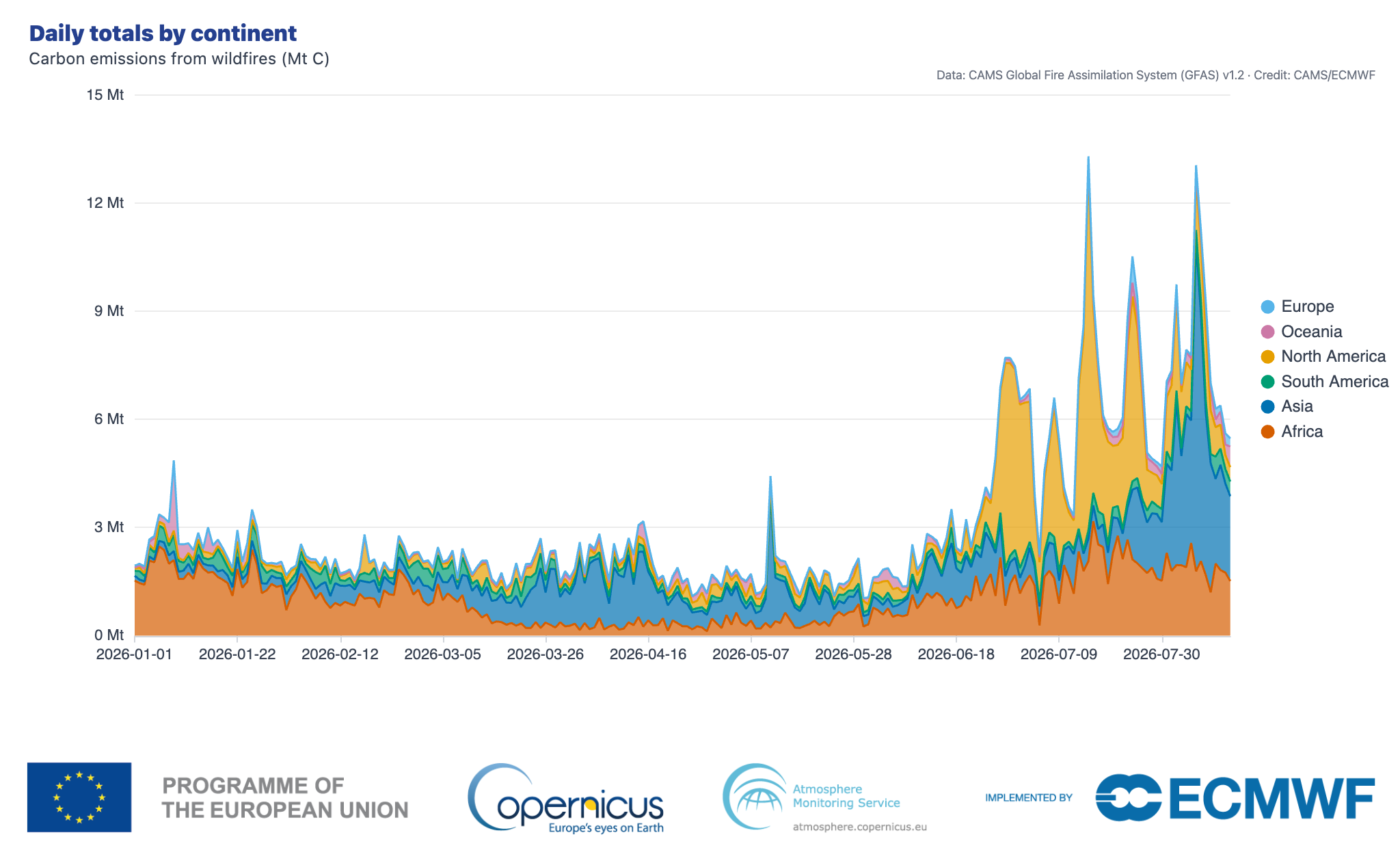
Scientists have told The Independent that the fires and extreme heat are unprecedented in recent human history, in both their global scale and the emissions released. Climate change is making fires faster, more intense and more unpredictable, they say.
Fires reaching ‘unprecedented’ extremes
 open image in gallery
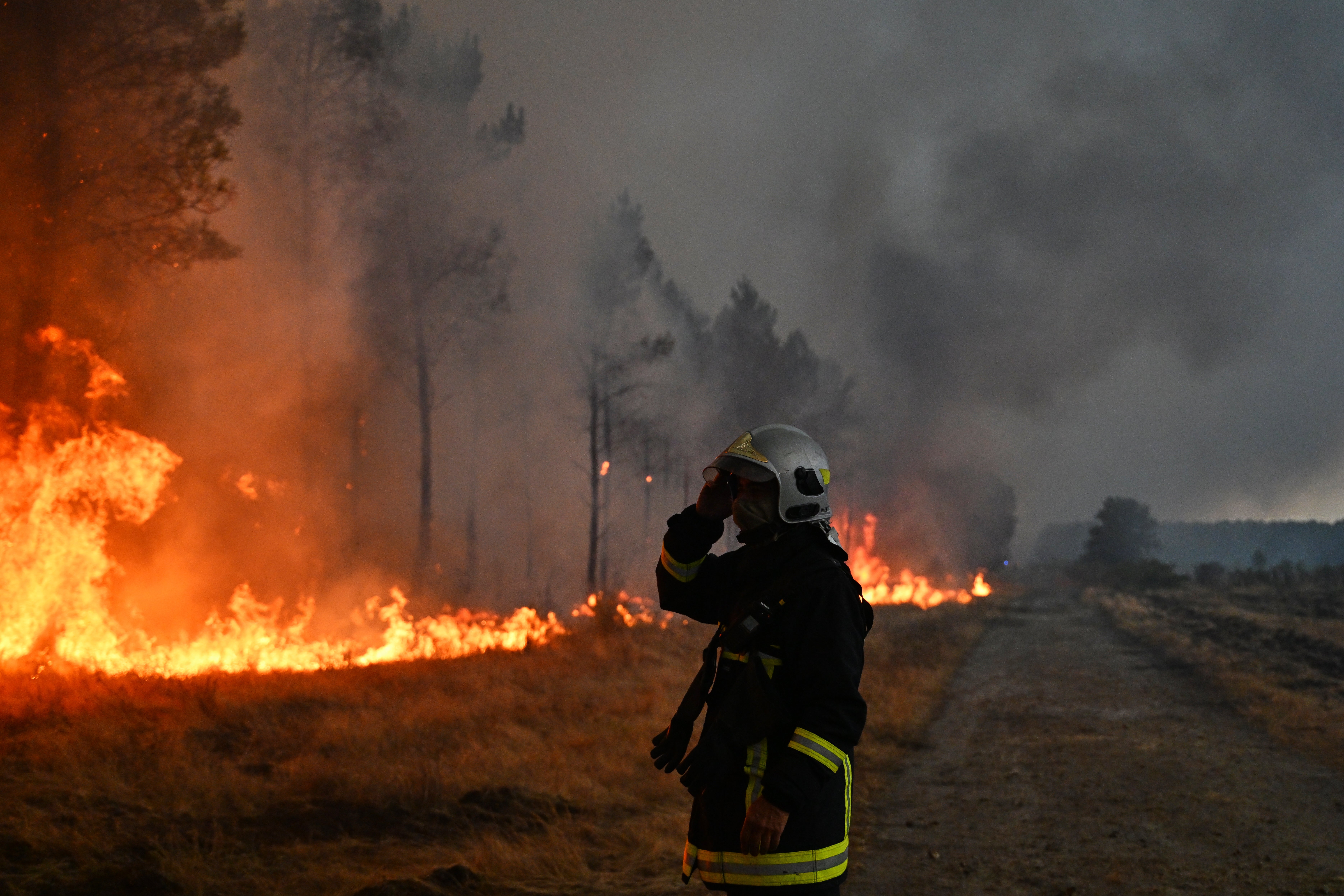
This year, more than 550,000 hectares of land has been devastated in Europe alone. Initial numbers emerging from Canada, which experienced its largest wildfire season on record, put the figure at between four and six million hectares across the country.
The human and economic cost is also mounting. Preliminary estimates suggest the blazes have cost Europe between €15.6 billion (£13 billion) and €19.1billion (£16.4 billion) and the human cost is set to be even worse. Over 300,000 people were evacuated across Spain and France, while nearly 10,000 members of the First Nations indigenous community living on reserves in Canada were displaced.
The true death toll from the blazes is yet to emerge, with a 2024 Lancet study recording over 1.5 million deaths per year as a result of smoke inhalation from toxic gases released in landscape fires. This year looks to be no exception.
 open image in gallery
“We’re seeing unprecedented fire extremes,” says Dr Theodore Keeping a wildfire expert at Imperial College London’s World Weather Attribution group. “The worst fire events are worse than they were even a relatively short period ago.”
These fire events are “more extreme than they have been historically”, he adds, although overall burned area is decreasing due to land use changes. Approximately 150 million acres has been burned worldwide, according to Technosylva, a wildfire intelligence company.
Europe burns
Europe has faced an “expansion of significant fire activity into regions that have historically experienced much less wildfire”, according to Joe McNorton at the European Centre for Medium-Range Weather Forecasts (ECMWF).
“2026 is already an extreme wildfire year for France, while countries further north, including the UK, Germany, the Netherlands, Poland and Norway, have also experienced fire activity and emissions well above their typical values and moving towards potentially record-breaking years,” he says.
 open image in gallery
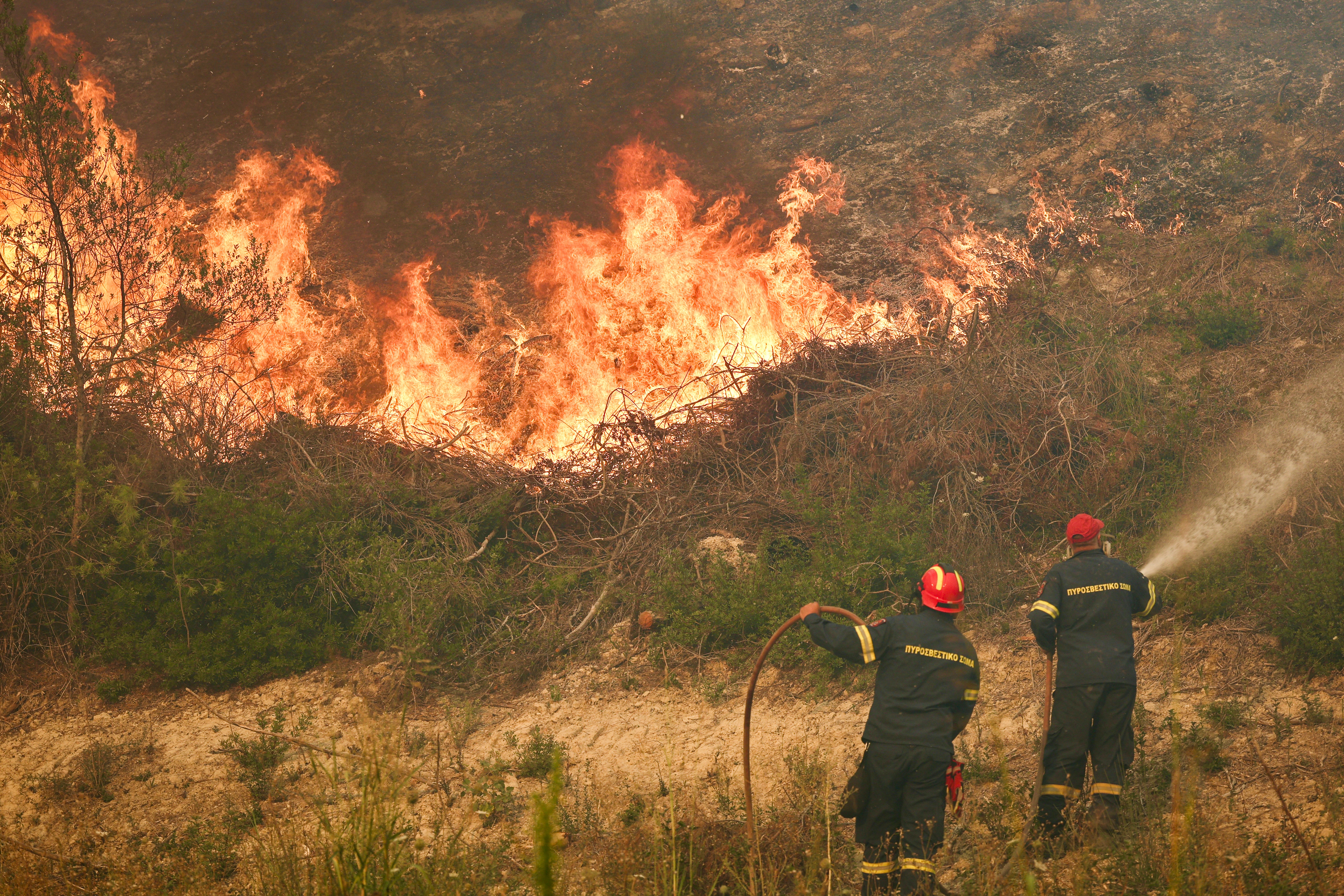
Large swathes of the French coast were evacuated earlier this month, with flames creeping towards Bordeaux in what President Emmanuel Macron called the “most severe crisis” since World War II.
Even countries such as Greece, usually accustomed to wildfires, have found themselves overwhelmed this year. “It is not simply about where fires are occurring, but also how extreme those fires are becoming,” says Mark Parrington, a senior scientist at Copernicus Atmosphere Monitoring Service (CAMS).
Los Gallardos, in Spain, saw a fire tear through an estimated 20 buildings in the space of 24 hours, according to Mike Bennet, head of government solutions at ICEYE, which provides satellite images using the world’s largest SAR constellation.
 open image in gallery
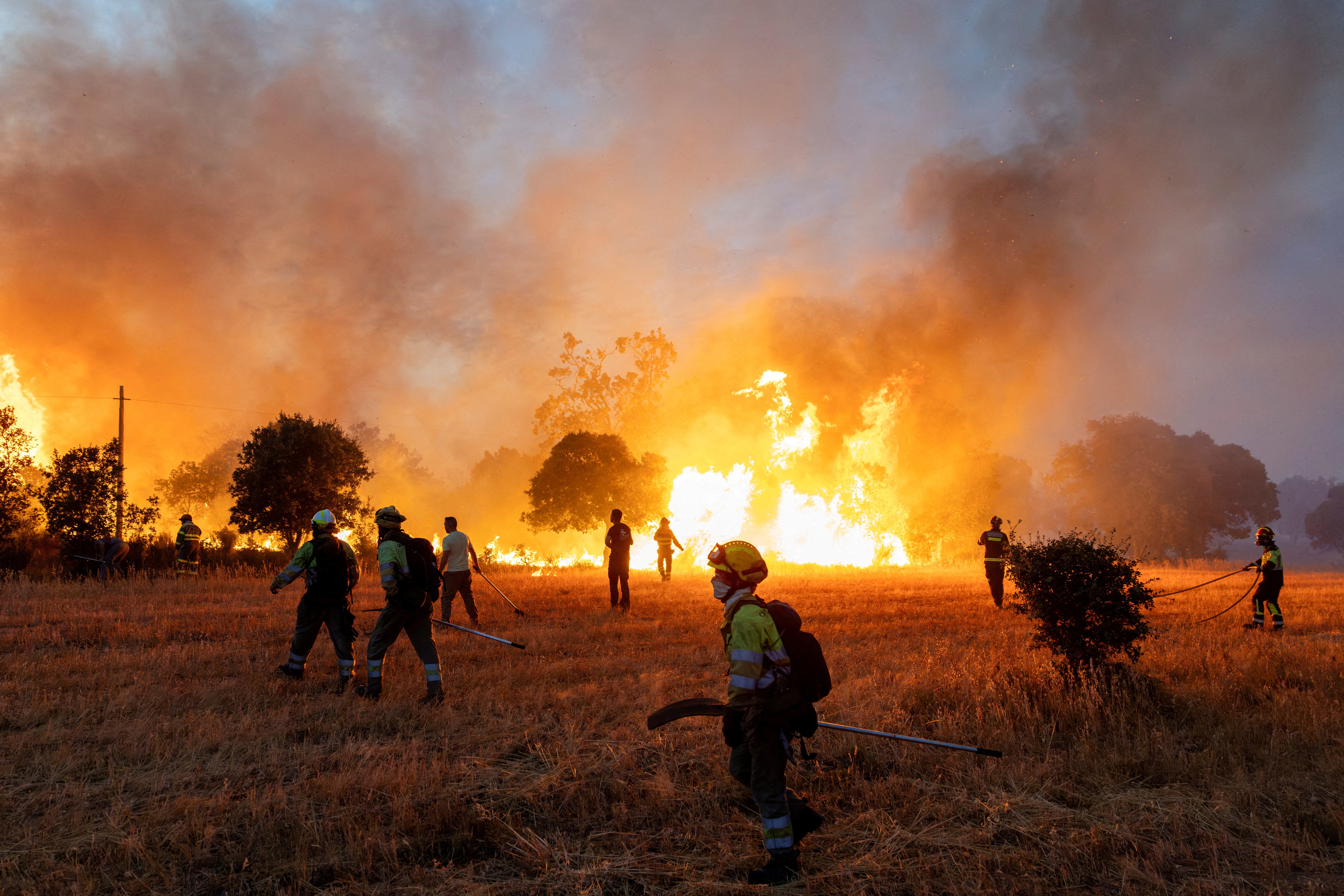
The Vouzela-Agueda region in Portugal experienced the largest wildfire by area, with over 13,000 hectares burned, including 8,744 buildings, he says.
The spread of fires geographically has overwhelmed emergency services, with France scrambling to secure planes to dump water on the blazes. At one point, ICEYE found itself monitoring 11 major wildfire events simultaneously across Europe.
“Agencies aren’t choosing between one fire and normal operations, they’re choosing between several fires at once, often blind due to smoke and nighttime burning,” Mr Bennet says.
North America
Copernicus reports that Canada recorded its highest emissions since 2003 for Ontario in just a five-day period, explaining the widespread reports of low air quality and impacts of smoke.
The same was reported in Nunavut, a Canadian territory which does not experience wildfires every year, Mr Parringon says.
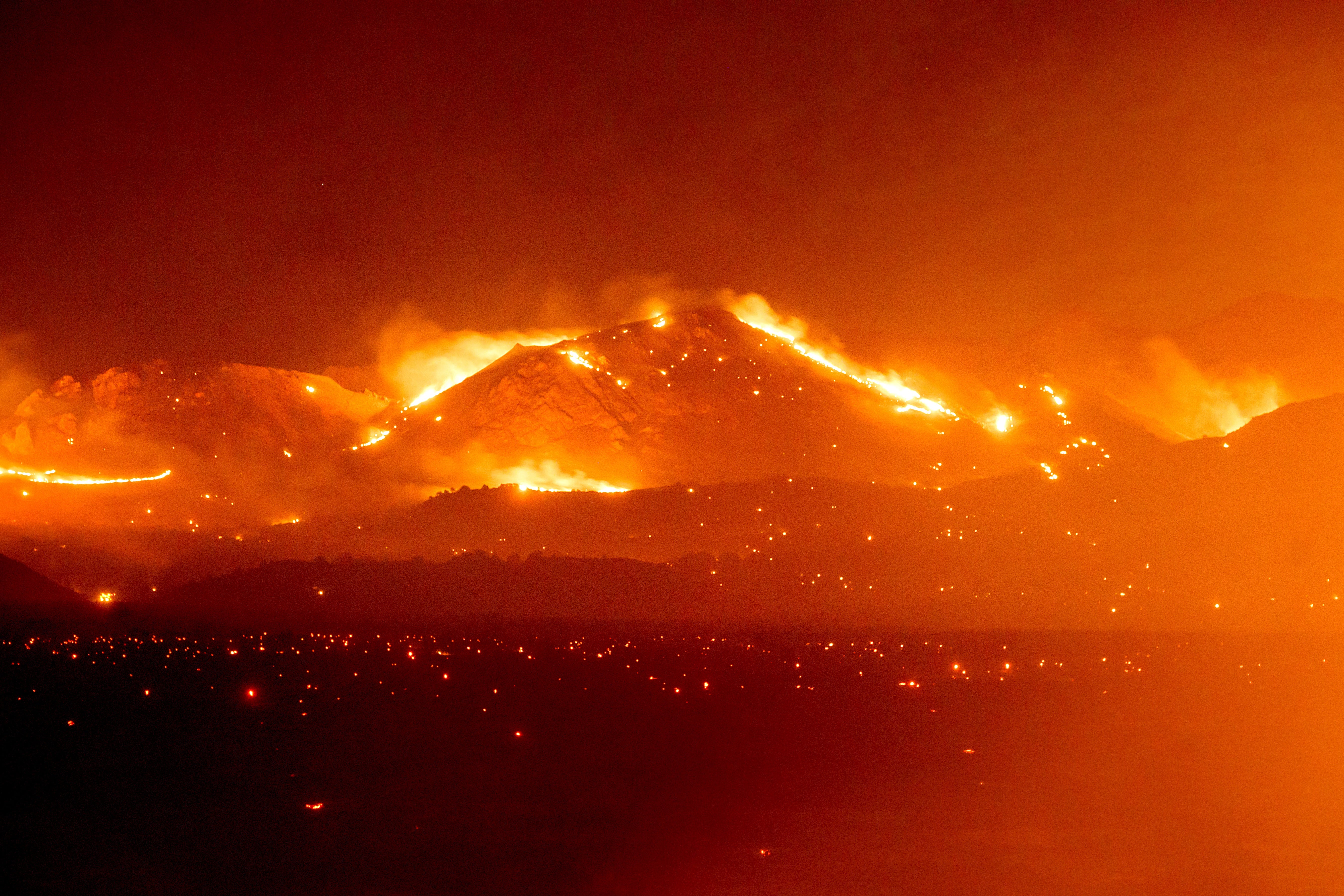
California’s wildfires also ripped through nearly a quarter of a million acres of land with over 4,000 wildfires reported across the state by May.
 open image in gallery
Africa
Africa has also experienced a particularly devastating wildfire season.
Sebastien Floodpage, CEO at Deepfire, which provides satellite-based wildfire intelligence, said that fires in Africa have made up nearly half (46 per cent) of all global blazes since May this year.
However, these have burnt at less intensity than in Canada. The mean intensity of a fire in the Democratic Republic of Congo was 12.1 megawatts (MW), compared to 17.2MW in Canada.
The power of these fires is astonishing: an offshore wind turbine runs at 15MW, while the engines on a plane at takeoff would run at 30MW.
Over 191,000 wildfires were reported across Africa, according to data from the Global Wildfire Information Service analysed by Our World in Data, the highest of any continent.
Australasia, Asia and South America
In January, Australia also saw significant wildfires across the country with nearly 21,000 fires reported by August. At least five people were reported killed during bushfire season earlier this year.
Wildfires were also reported across Japan, Turkey and Indonesia. The Otsuchi fire in Iwate, Japan was the second-largest in 40 years. Around 8 per cent of the town’s area was burned with emergency services taking weeks to put out the blaze, while a third of the population was evacuated.
 open image in gallery
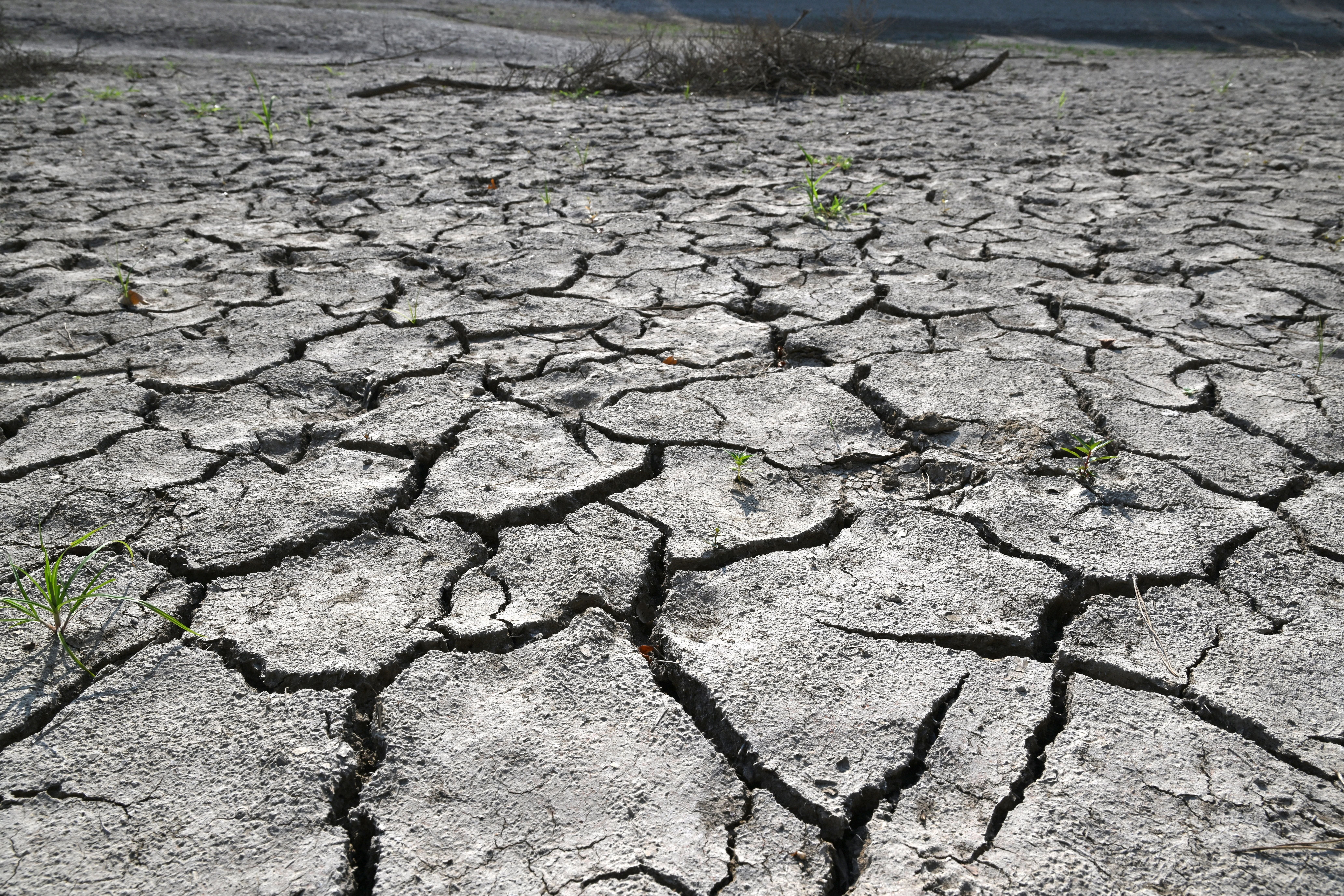
Meanwhile in South Korea, temperatures reached 42C this summer – causing potatoes to boil underground.
Chile saw major wildfires kill 21 people in January this year with flames ripping through 45,000 hectares of land. Hundreds of homes were destroyed.
The UK ‘is not ready’ for France-style wildfires
The fires have been driven by record-breaking heatwaves, that have seen temperatures hit 45C in Europe.
But experts warn this is just the start. While wildfires can be caused naturally or by human ignitions whether intentionally or by accident, climate-driven temperature rises and drier spells have led to intensely combustible conditions that enable fires to proliferate and spread.
 open image in gallery
“The trends and predictions are that we are going to have increased fire weather,” says Dr Adriana Ford, who leads the Leverhulme Centre for Wildfires, Environment and Society. “More hot and dry conditions mean we are likely going to get wildfires. That’s the trend we’re going towards.”
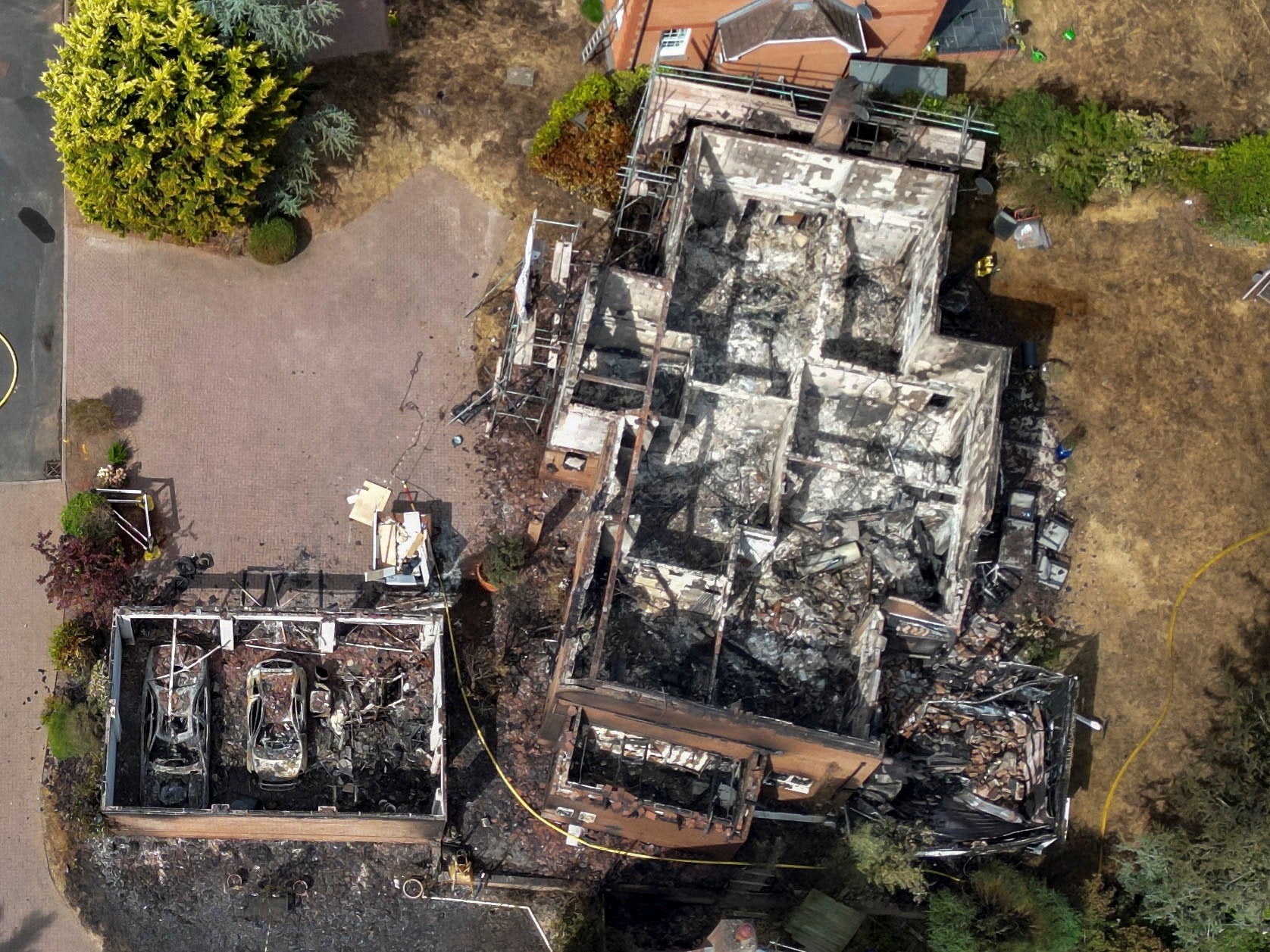
Dr Ford says that places like the UK may be unprepared for the kinds of fires faced in Spain and France. “Unadapted and highly connected, highly exposed societies such as Britain are not adapted to fire socially. We have a housing base that is highly enmeshed within vegetation and there’s no management of that interface.”
The heatwaves have focused attention on new Prime Minister Andy Burnham, who has faced criticism from climate groups for holding a Cobra meeting on extreme heat while simultaneously approving plans for Jackdaw and Rosebank oil fields.
 open image in gallery
Dr Ford says that better planning will help avert a future catastrophe, including better management of land and using wildfire expertise.
“We have an opportunity now to try and mitigate and prevent wildfires happening rather than just responding to them,” she says.
“We need to not be closing down our fire stations and to make sure that we have equipment and coordination and policies in place. We need to be conscious of land management so there are fire breaks. We’re never going to stop all extreme wildfires, but there are things we can do.”