



When it comes to saving money on everyday spending and household outgoings, reducing energy bills is right up there.
And looking at the bigger picture, even the smallest changes can make a difference and add up over time; especially if you live in social housing, rent, or are a low-income household.
“The government’s home energy efficiency plans, largely contained in the Warm Homes Plan launched in January this year, aim to make homes in Britain more efficient.
“With lower energy costs and lower emissions,” highlights Simon Bones, a leading sustainability expert and founder of intelligent retrofit company Genous, helping homeowners retrofit their homes for a greener future.
 open image in gallery
Here, he explains what you need to know and how to get involved…
Funding improvements for low-income households
“By December 2030, three million properties are targeted for upgrade; that is 1.3m social homes, which will be upgraded directly by the social landlord.
“And 1.7m properties will be directly funded through the Warm Homes Plan,” underlines Bones.
The tenants and homeowners covered by these policies will have upgrades to their properties offered free of charge, with a tailored plan for each property, he adds.
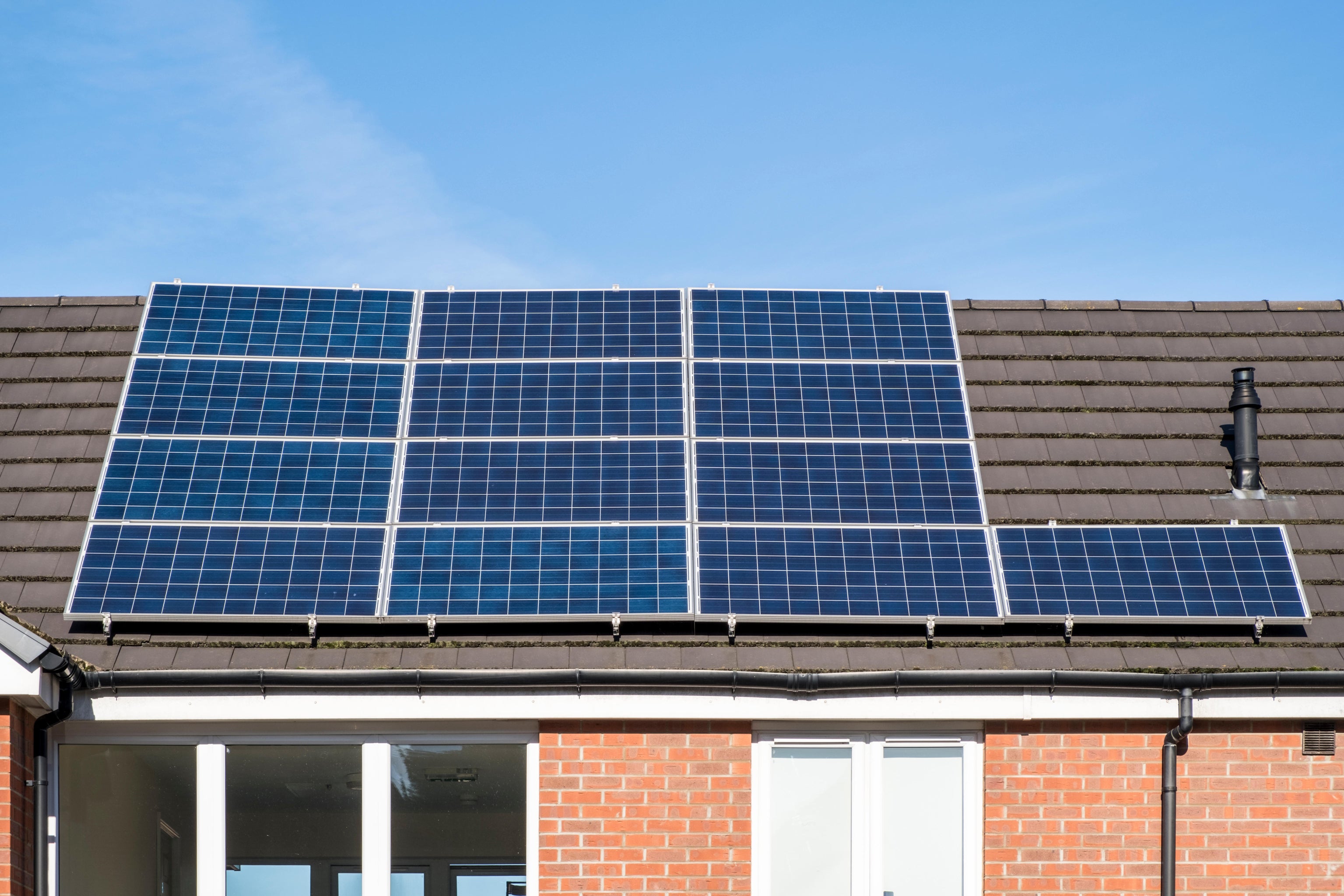
“One shift from previous energy-saving policies is a move away from a ‘fabric-first’ approach (insulation); and more to technology (solar panels, batteries, heat pumps).”
 open image in gallery
“Albeit some loft and cavity wall insulation is continuing to be deployed in these properties, as these tend to be the best payback forms of insulation,” he explains.
Supporting the able-to-pay retrofit market
“The Boiler Upgrade Scheme, which offers £7,500 for most new heat pump installations (and from July will temporarily increase to £9,000 for qualifying LPG and heating oil conversions) is the main non-means-tested subsidy available,” says Bones.
“And [this] dramatically reduces the cost of a heat pump.”
As Bones points out, some changes to planning permission now make retrofitting easier for non-protected homes, “though those listed or in conservation areas still have to jump through hoops”.
Bones adds: “And there are attempts to smooth some of the third-party interactions, including energy suppliers and electric utilities.”
He says there is also a £2bn funding commitment to supporting low-cost loans, though these are not yet available, and there is no real clarity on how this will work in practice.
 open image in gallery
“Lowering the cost of finance is key as an ‘intelligent retrofit’ like those delivered can typically generate 10% post-tax returns, great if you have savings or can borrow on your mortgage.
“But a personal loan to fund this would eat up most of the returns, and with the cost of a retrofit typically £10,000-20,000, this explains why the able-to-pay market today is largely centred on the cash-rich segment of homeowners,” suggests Bones.
The other barrier that able-to-pay customers tend to find, aside from finance, is the challenge of finding someone reliable who can advise on what is possible, and deliver the results, notes Bones.
Fortunately, some home retrofit companies, which can build sophisticated digital-twin simulations to optimise energy efficiency projects, are driving this change.
“But many homeowners are still in the dark about what to do, and how to get it done,” he says.
Improving new-build standards to make buildings greener
The Future Homes Standard – stating all new homes built from 2027 need to be net zero carbon-ready – adds to the already pretty stringent insulation requirements for new builds, says Bones, “ensuring air-source heat pumps and solar panels are widely installed, with the latter needing to be significant in size compared to the property.”
He continues: “New-build volumes are only equivalent to circa 1% of the total housing stock each year, but for those moving into new homes, these should be more efficient and lower-cost to run.”
 open image in gallery
Improving the required standards for the private rental market
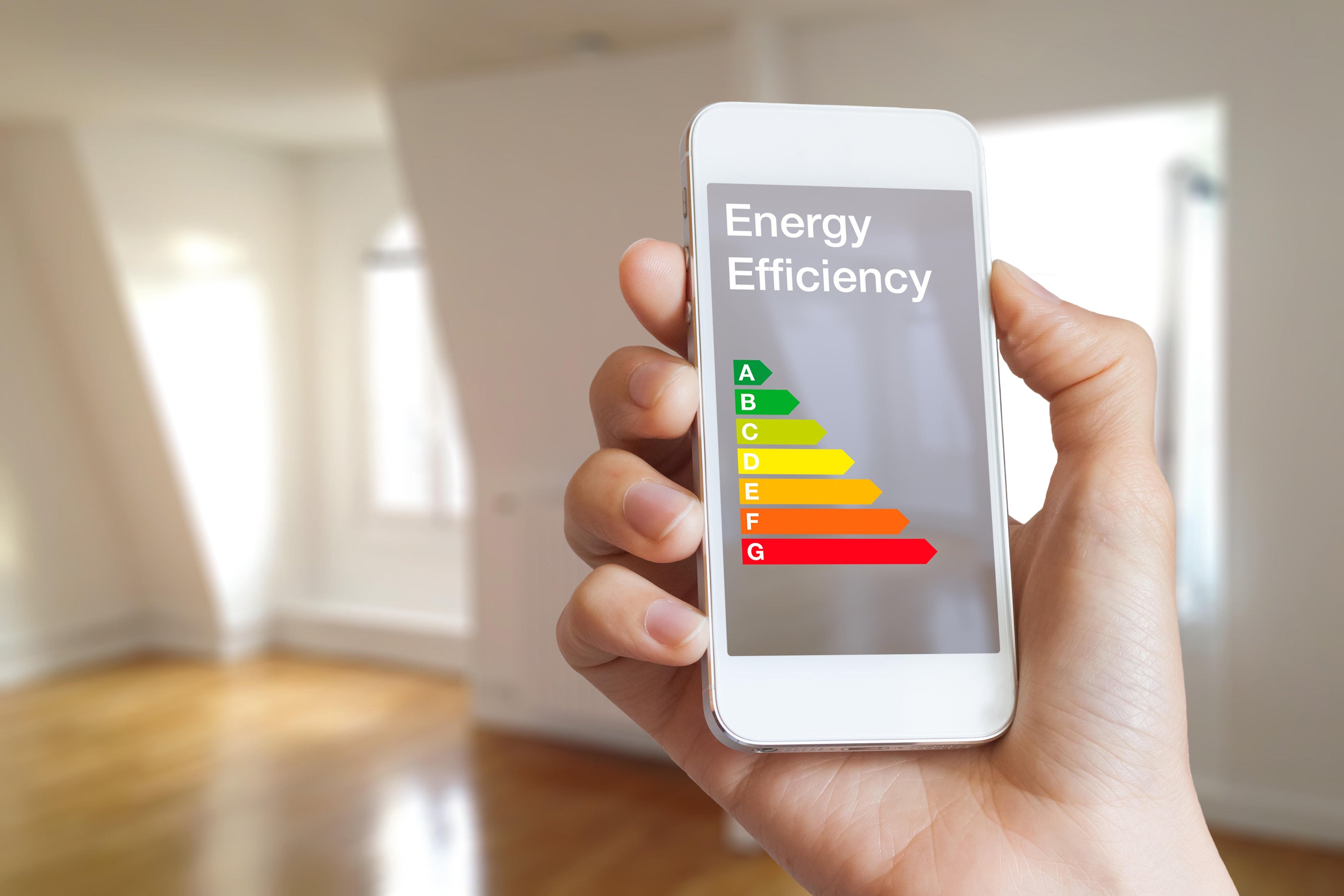
By October 2030, private rental properties will, unless an exemption is given, need to be the equivalent of a current EPC C (energy efficiency rating), or they won’t be able to be rented, warns Bones.
“This compares to a current EPC E and, though the exemptions are pretty extensive, this is likely to lead to a significant landlord upgrade programme over the next four years.”
 open image in gallery
What should you do now?
This depends on what your occupancy status is…
“If you’re a tenant (whether social or private), the first steps are to understand your current energy efficiency (look up your EPC and if it’s a D or below, you are likely to be considered inefficient), and contact your landlord to see what their plans are,” advises Bones.
“If you’re a homeowner, you can use a [retrofit] provider to understand the likely opportunities, costs and payback.
“Whether it’s small, low-cost steps or a whole-home retrofit that works for you will depend on your budget, property and openness to disruption,” notes Bones.
 open image in gallery
He says the free home check on certain websites helps you understand what can be done to your property, and gives a base point to work from.
“As to finance, self-funding is the best option if it’s open to you… and as mentioned above, payback can often be strong and, typically, is immediate and non-taxable.
“But if you have a mortgage, it’s also worth checking for green improvement deals with your provider – most of them don’t publicise these but some offer cashback on particular energy improvements, or low-cost loans.
“And these can sometimes be the difference between going ahead and not.”
Bones continues: “Energy efficiency matters to your home budget and the UK’s carbon budget – and with better technology, advice and capability than ever before, and with the backing of government, now’s the time to get involved.”