


The row at Hampstead Heath is about far more than a few thoughtless swimmers in a heatwave

As summers get hotter, investment and education are vital to ensure we all have access to the clean, safe water we need
A local row about swimmers and swans in Hampstead Heath has now inspired a government reaction. Environment ministers over the weekend wrote to the City of London Corporation, which oversees the heath, to say that they were “deeply concerned” by footage of crowds of people in the water during last week’s heatwave.
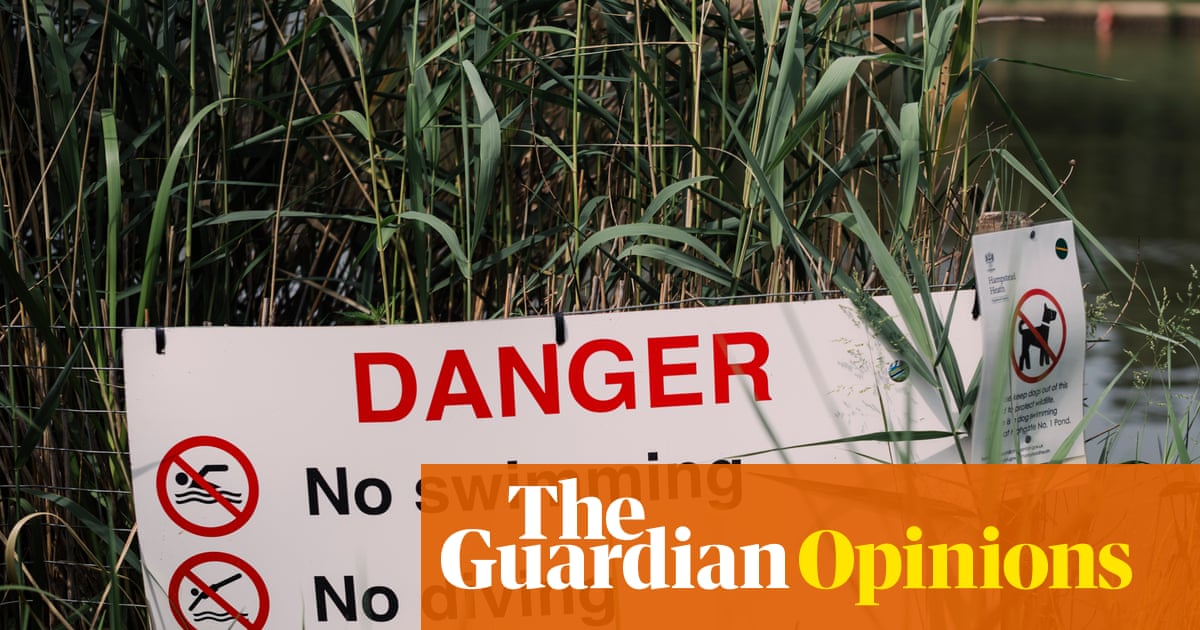
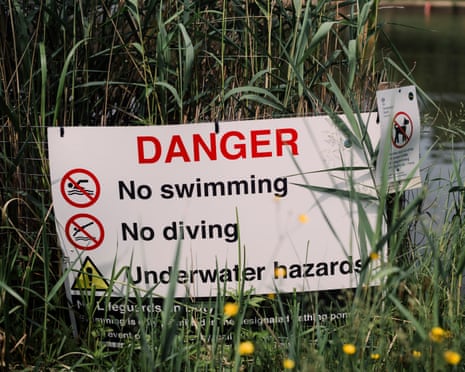
One viral video showed young revellers – who had defied a “no swimming” sign – in a wildlife pond, disturbing the nesting birds. It was picked up by the press, with headlines calling the swimmers “selfish”, “horrible” and “appalling”. Like many who saw it, I was saddened and shocked at the disregard for animals: people were clambering over nests, and trying to reach an island specially safeguarded for birds. Yet I also wondered what a polarised, emotive debate is going to achieve when, lurking behind the justified anger, is another question about our access to water.
“It’s like nothing is free any more and that’s not fair for us as well. We don’t want to pay for … natural water” – this comment, given anonymously by one of the swimmers to the Times, was telling. There’s a feeling, I think, nationally, that our water no longer belongs to us. It is being cynically polluted, fenced off, or monetised. Seasoned wild swimmers up and down the country are used to seeing signs banning them from the water, and will often ignore them. They may have been put up by landowners for no real reason other than not wanting people to swim there. It’s great that we are seeing new designated swimming spaces, but demand is only going to increase as the climate continues to heat up.
The well-known bathing ponds on either side of the wildlife pond on Hampstead Heath used to operate on an honesty system. Now you have to pay, and in hot weather the queues are long. At the same time, temperatures are getting hotter and hotter, and city life is becoming less bearable. There are not enough accessible places to swim.
On the one hand, wild swimming has become totally fetishised, tweely marketed as a middle-class lifestyle choice and a cure-all, and spots where you can swim are more and more swamped. On the other, you have “no swimming” signs but very little clarity about why they are there (at the wildlife pond in Hampstead Heath it’s not made clear why that one, of the three, is off limits, and there was scant information about the birds and their habitat), let alone a proper national conversation about what our rivers, seas, lakes and ponds are for.
The many campaigns against the pollution of our rivers and seas have been excellent, but as well as those, and teaching children to swim, we should be discussing how we navigate risk and educate people about the potential impact of open water swimming both on human and animal lives. By all means issue more fines – but also put up boards explaining why people shouldn’t swim, just as “no swimming” signs in danger spots should explain the actual risks. While most swims last week were trouble-free, some had tragic consequences. The water-related death toll during the heatwave was 16. Many of those who have died were teenagers. We all know why young people might be drawn towards swimming without thinking of the consequences; I shudder when I think of some of the dubious decisions I made as a teenager growing up in Eryri, where deaths from drownings were not uncommon and are still happening.
In some ways, the Hampstead Heath saga reminds me of the visceral response to the felling of the sycamore gap tree: valid anger about the environment or animal welfare escalating to an irrational point, with outraged comments online wishing diarrhoea and vomiting on the swimmers.
Last week, I swam in the Hampstead Heath ladies’ pond alongside birds that were collecting twigs and leaves for their nests. A lifeguard and I teamed up to save a beautiful red butterfly from being trampled on the path. I do think most people care about nature, but we too are animals who feel a natural urge to get into the water when it’s hot, and to not always think of consequences. As an island nation, swimming is encoded in many of us from a very young age. As people continue to lose their lives, education and investment are more urgent than ever.
-
Rhiannon Lucy Cosslett is a Guardian columnist
-
Do you have an opinion on the issues raised in this article? If you would like to submit a response of up to 300 words by email to be considered for publication in our letters section, please click here.