


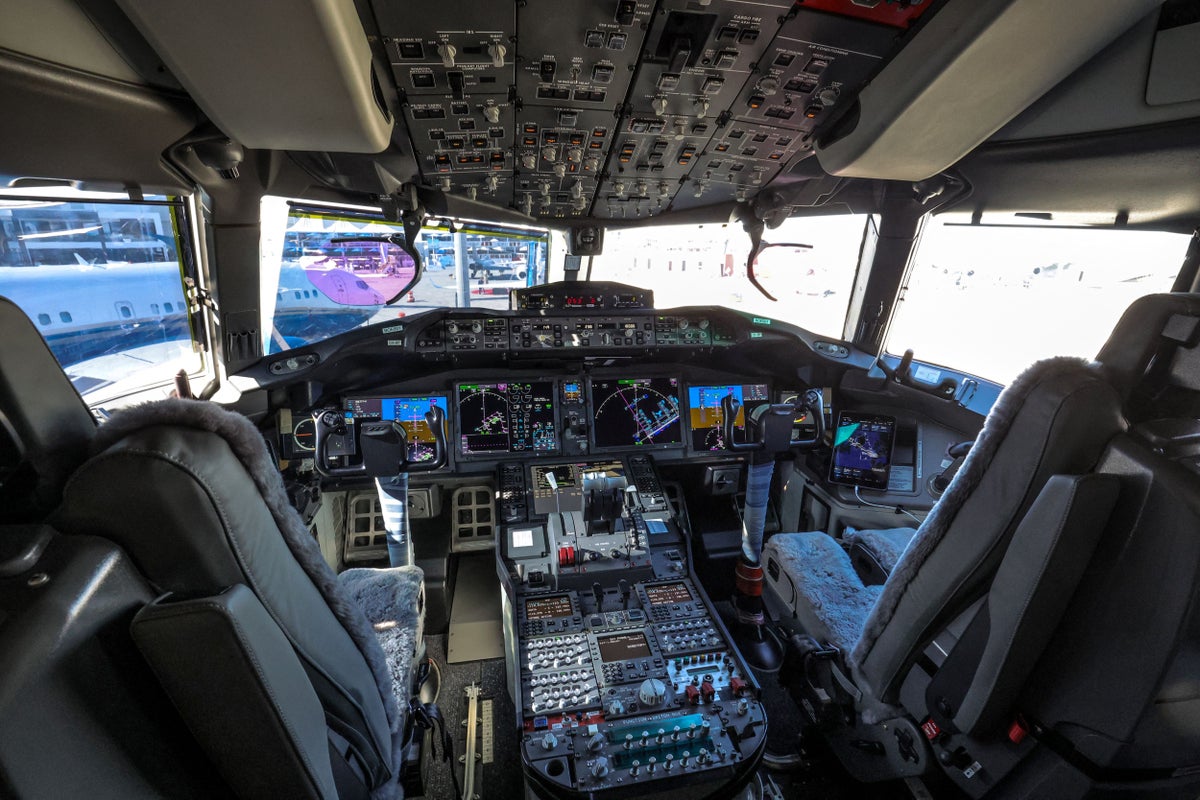
Flight attendants and pilots face the highest risk of death from radiation-related cancer, even higher than nuclear technologists, a new analysis of over 500 occupations reveals.
Aircrew members face the largest annual dose of cancer-inducing radiation compared to any other workforce in the US, mainly due to their exposure to cosmic radiation at high altitudes, according to the research published in the journal JAMA Internal Medicine.
Researchers from Harvard Medical School call for occupational radiation protections for aircrew members that align with their exposure levels.
While previous research has hinted that members of the profession are more likely to be diagnosed with some types of cancers than the general population, there have been limited studies on whether this translates to higher death rates.
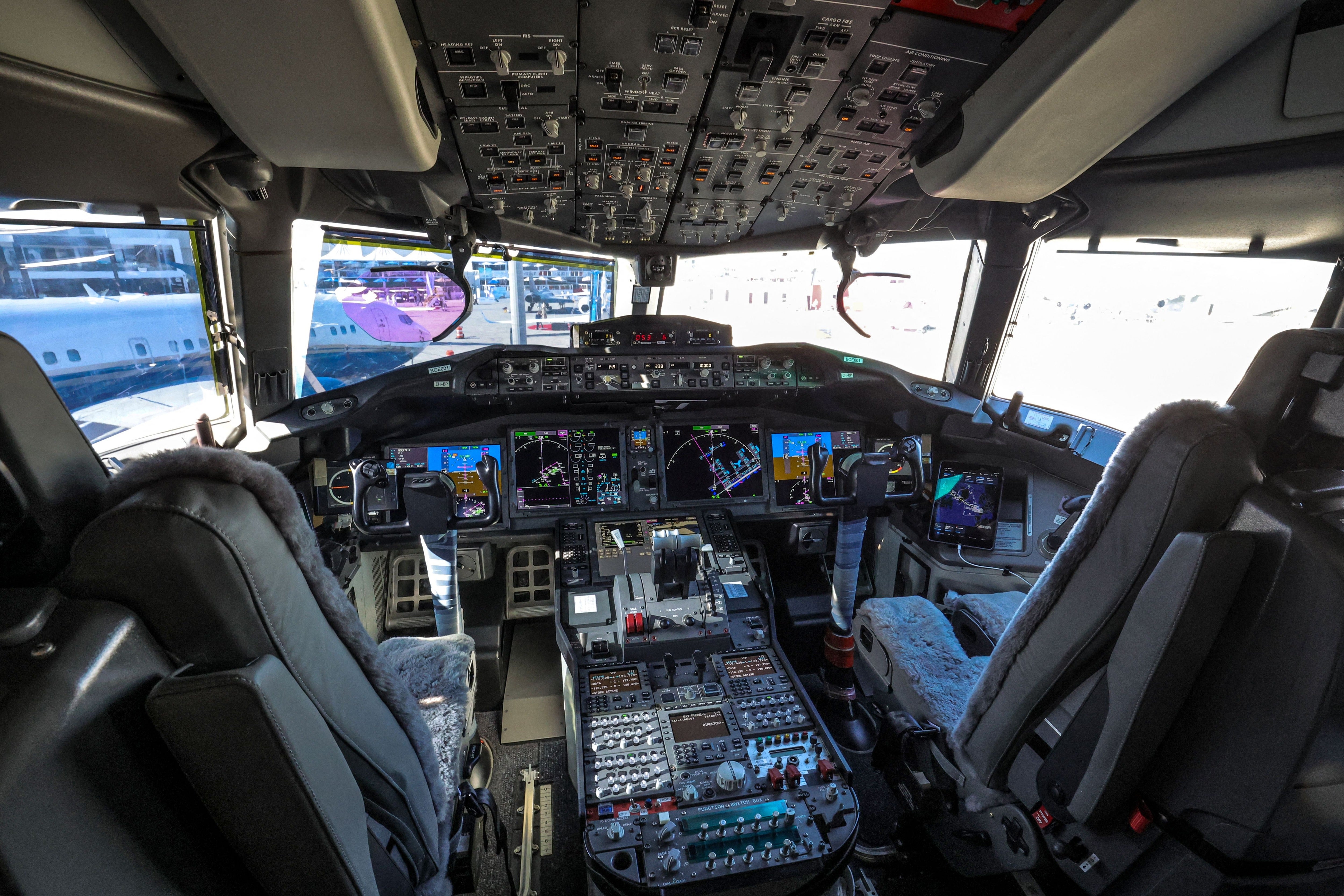 open image in gallery
In the study, scientists assessed US death certificates from 2020 to 2024, which were only recently linked to the occupation of the deceased.
Overall, researchers analysed data from nearly 13 million deceased across 503 occupations, including 14,000 pilots and 7,000 flight attendants.
The analysis accounted for several factors other than occupation that may affect mortality, including age at death, sex, race, ethnicity, educational attainment, and marital status.
Some of the radiation-related cancers analysed in the study included breast cancer, nervous system cancers, leukaemia, lymphoma, thyroid cancer, prostate and skin cancers.
Scientists found that pilots and flight attendants had statistically significantly higher rates of death from breast, central nervous system, prostate cancers, and melanoma.
Pilots also had a higher leukaemia death rate, the study found.
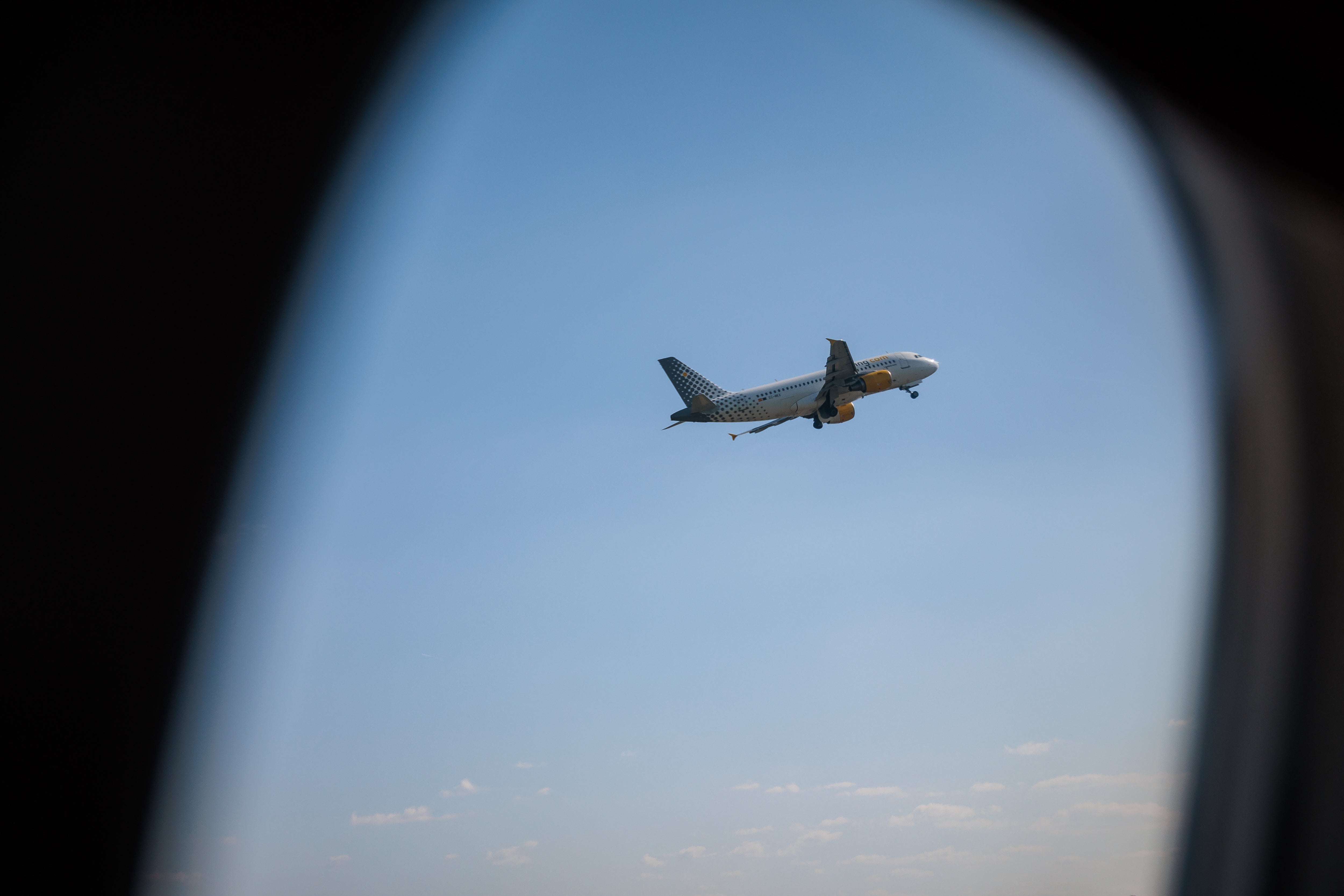 open image in gallery
Nearly seven per cent of deaths among flight attendants and pilots were from radiation-related cancers, higher than for any of the other professions, including nuclear technologists, who are routinely exposed to radiation, researchers say.
On average, aircrew in the US face an estimated 3 to 6 millisieverts per year of cosmic radiation.
This is much above the estimated 0.4 millisieverts received annually by an average air traveller taking 10 cross-country round-trip flights per year, scientists say.
Citing a main limitation of the study, researchers say there is a likelihood of misclassification of occupation on death certificates and that there is a lack of information on each person’s degree of exposure.
However, they say the findings confirm there is an association between cumulative in-flight cosmic radiation exposure and a range of radiation-related cancers.
“Flight attendants and pilots had the highest and second-highest proportion of radiation-related cancer mortality, among 503 occupations, a pattern not observed for non–radiation-related cancers or ground-based aviation workers,” the study concluded.