


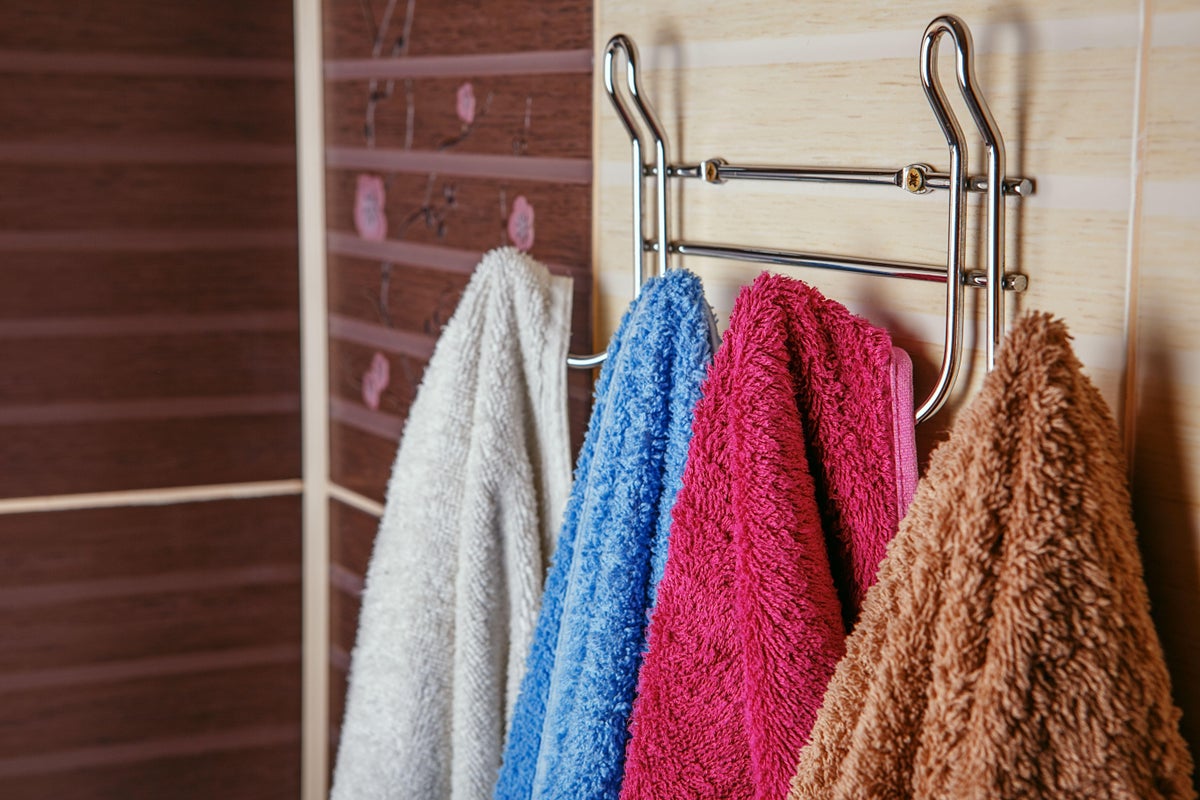
There are certain household fabrics that need to be washed more often than others, like bed sheets and bath towels, but experts are warning that others that should be cleaned with similar frequency are likely being overlooked.
“Fabrics and textiles can contain irritating chemicals and harbor allergens like pollen, dust mites, animal dander and mold,” chief mission officer of the Asthma and Allergy Foundation of America Melanie Carver told the Washington Post.
Carver noted that those with eczema or allergies to dust mites, animal dander and mold need to be especially on top of washing fabrics.
The same goes for pet parents, as Scott Grillo, laundry expert at FurZapper, told the outlet. “People underestimate how much fabrics throughout the home act like collection points for hair, dust, allergens and odors,” he said.
Here, we round up a list of common household fabrics and how often they should be washed.
 open image in gallery
Carpets
According to the Asthma and Allergy Foundation, carpets should be vacuumed weekly. Those with allergies should consider replacing carpets with hardwood or other solid flooring if possible.
Curtains and drapes
Curtains and drapes can collect dust, dander, odors, and other allergens. Cleaning them can help maintain color and shape while keeping indoor air quality to a healthier standard.
“Light curtains should be washed every 3-4 months, while heavier drapes can typically go 6 months to a year between cleanings,” CEO and Founder of No Scrubs Laundry Delivery Service Matt O’Connor told Southern Living.
Shower curtains and bath mats
Similarly, shower curtains and liners require attention and should be washed every 1-3 months.
“To help reduce mold growth, leave the curtain fully stretched out after showering, run an exhaust fan or open the bathroom window,” Carver said. It’s also recommended to avoid using bleach, instead using soap or vinegar and water.
Throw blankets and pillows
 open image in gallery
Throw blankets and pillows should be washed every 1-2 weeks.
“They accumulate dust, absorb oils from hands and hair when people lean against them, and can harbor allergens,” O’Connor said.
“Washing removable covers keeps them fresh, maintains their appearance, and creates a healthier living environment. Cushion covers should be washed every 2-3 months, or more frequently if they’re on heavily used furniture.”
Kitchen towels and dish cloths
Kansas State University found in 2015 that towels were the most contaminated item in kitchens. As a result, Better Homes & Gardens recommends washing them daily or after a single use if used for cooking purposes.
Pet beds
“Pet beds are honestly one of the biggest hidden fabric offenders in the house,” Grillo said. “They trap fur, dirt, odors and allergens constantly. Ideally, removable covers should be washed weekly, or at minimum every other week.”
More specifically, PetDirect recommends washing dog beds every week, and cat beds every 1-2 weeks.
 open image in gallery
Bed pillows
When was the last time you threw your bed pillows into the washing machine along with your pillowcases? Chances are it’s long overdue.
“We wash pillow cases, but forget about the inserts. Pillow inserts soak in your sweat, body oil, and dust mites just as much as your pillowcases,” CottageCare laundry expert Scott Schrader told Southern Living. The pillows themselves should be washed every 3-6 months.
Stuffed animals
Believe it or not, stuffed animals can hold allergens the same way any of the previously mentioned fabrics can. Carver recommended a monthly wash for these items.
“Place them into a laundry bag or pillowcase and wash in a washing machine with hot water,” she says. “For toys that are difficult to launder or can’t withstand hot water, vacuum with the upholstery attachment to remove the dust mite carcasses and waste.”