


Until not long ago, diners seemed to have reached a consensus. Chains were out. Independents were in. The future belonged to neighbourhood bistros, family-run restaurants, chef-owner passion projects and hidden gems that somehow managed to be both fully booked and impossible to find. We celebrated local institutions, obscure cuisines and restaurants with stories. We wanted hand-rolled pasta in converted railway arches and waiters called Luca who knew a lot about fermentation.
The villains were obvious. Corporate restaurant groups. Plastic menus. Homogeneous dining rooms. “Happy Birthday” was performed by staff with all the enthusiasm of hostages reading a ransom note. Places where the food arrived suspiciously quickly and every branch looked exactly the same.
And yet, here we are.
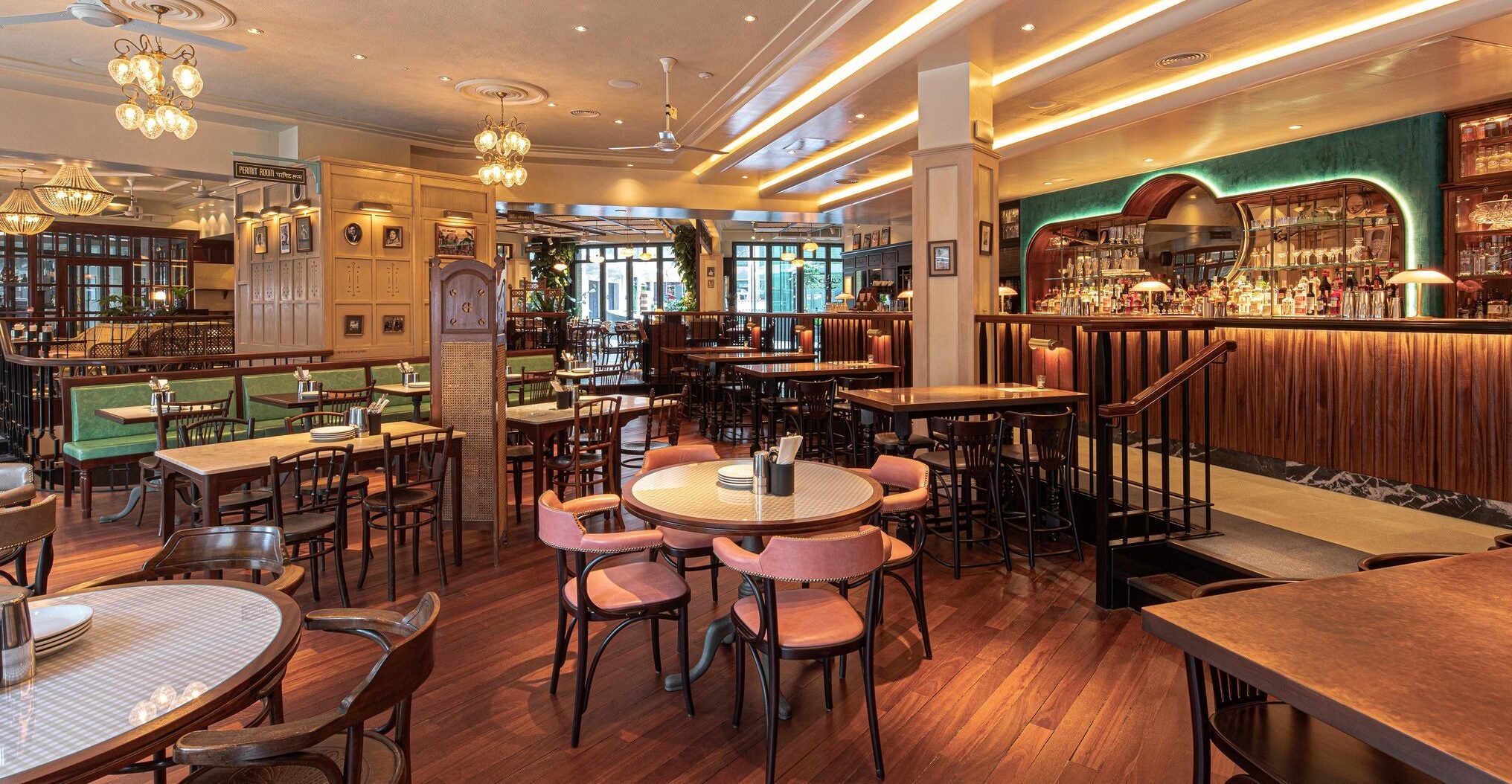
Dishoom now has 11 restaurants and four drink-led Permit Rooms across the UK, with more planned, lodgings being added and New York on the horizon. Flat Iron has 22 sites, with four more planned for Birmingham, Clapham, Liverpool and Glasgow. Hawksmoor began as a single east London steakhouse 20 years ago and is now an international business. Lina Stores started life as a beloved Soho deli in 1944 and, since 2018, has grown into a restaurant brand stretching from London and Manchester to Tokyo, Japan. Tonkotsu now has 19 sites and has recently opened in Birmingham and Cardiff, while Sticks’n’Sushi is slowly taking on northern England. Nando’s is expanding, and so is Wagamama.
Admittedly, these aren’t the chains that haunted Britain’s high streets in the early millennium. Nobody is stumbling out of Dishoom wondering where the balloon animals are. They’re smaller, smarter and infinitely more fashionable. But they’re still opening restaurant after restaurant after restaurant.
More revealing than the arrival of new chains are the resurrections of old ones. TGI Fridays first entered administration in 2024 after years of declining sales and rising costs, then again in January, resulting in the closure of dozens of sites and hundreds of job losses. Yet the brand survived (twice) under new ownership and is now openly discussing a return to central London.
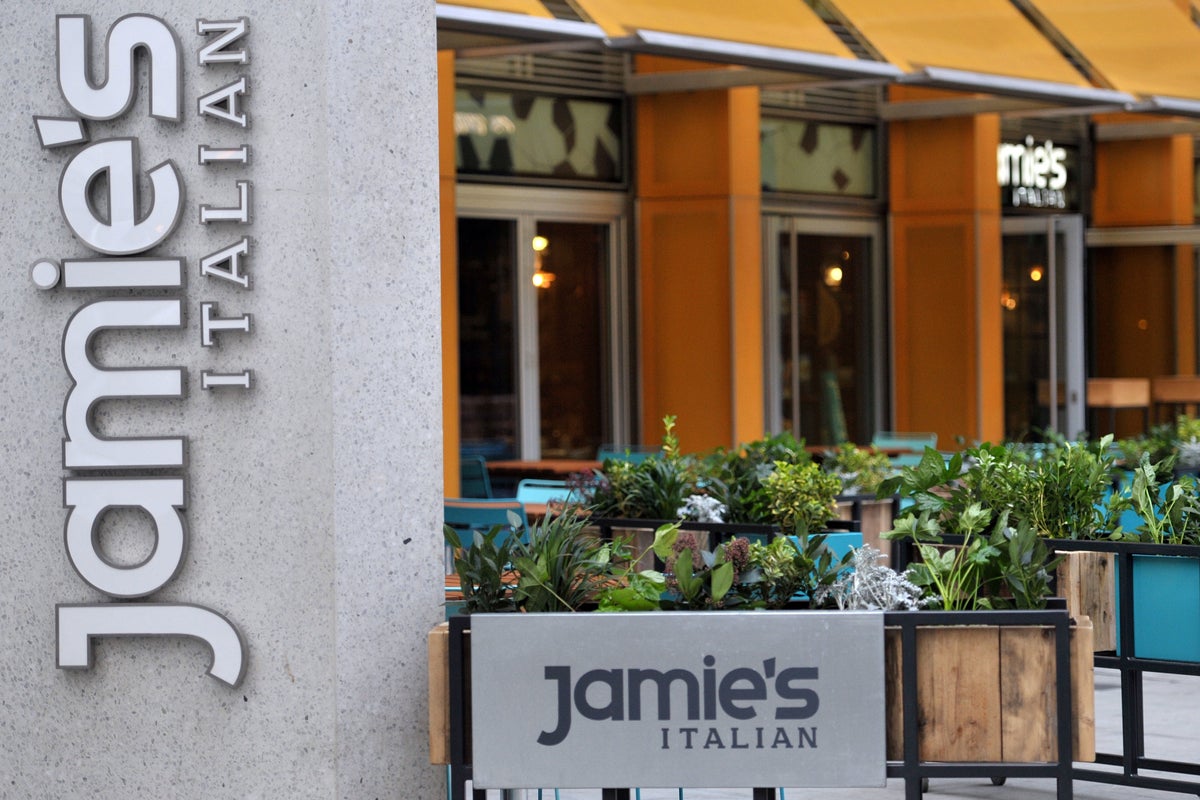
The downfall of Jamie’s Italian felt even more symbolic. The UK business collapsed in 2019 under the weight of rapid expansion, rising costs and changing consumer tastes. For years afterwards, it existed largely as a memory – or, if you were heading to the Algarve, a curious sighting in Gatwick Airport that prompted a brief moment of nostalgia and the question: whatever happened to Jamie’s Italian? The answer: it reopened in Covent Garden earlier this year, backed by the same group behind Prezzo – another chain that spent years shrinking before recently talking about growth again.
Then there is Chili’s. The American Tex-Mex chain spent 15 years in Britain before quietly leaving in 2009. Most people probably didn’t notice its departure. Fewer still would have predicted its return. Yet nearly two decades later, it is preparing a comeback through a new franchising partnership, reportedly with ambitions for as many as 100 UK restaurants.
Which raises an awkward question. Are chain restaurants… cool again?
For years, they were the enemy. By the 2020s, diners had become obsessed with authenticity. We wanted local coffee shops rather than Starbucks. Independent bakeries rather than Greggs. Little family-run Italians rather than Bella Italia. Cool French bistros run by real French chefs rather than Café Rouge.
 open image in gallery
The hidden gem became a cultural ideal. Finding somewhere nobody else knew about became almost as important as enjoying the food once you got there.
This was, after all, the era when Britain’s high streets were supposedly being destroyed by chains. Every new Pizza Express prompted handwringing about homogenisation. Every Starbucks opening inspired outrage. Every expansion was accompanied by predictions that individuality was being driven out of British dining.
Social media only accelerated the trend. Posting a picture from your catch-up lunch at Nando’s would have been, quite frankly, embarrassing. The goal was somewhere that signalled taste. Either somewhere everybody “cool” was already going or somewhere nobody had discovered yet. Somewhere with exposed brickwork, small plates and a menu that changed daily according to the whims of the chef and the phases of the moon.
We celebrated restaurants because they were small. We admired chefs because they were quirky. And we treated expansion with suspicion. The moment a beloved restaurant announced a second site, somebody somewhere would inevitably declare it had “lost its soul”.
Then, slowly, almost without anybody noticing, some of our favourite restaurants started opening more restaurants.
.png) open image in gallery
open image in galleryIndian small plates in Dishoom? Cool. A Hawksmoor steak and an overpriced martini on expenses? Cool. Pasta and deli bits to-go from Lina Stores, essentially a better-looking Prezzo? Cool, I guess.
There was even a period when carrying a Gail’s coffee cup functioned as a sort of unofficial membership card for the metropolitan middle classes, though admittedly every new branch now seems to trigger a neighbourhood petition that goes absolutely nowhere.
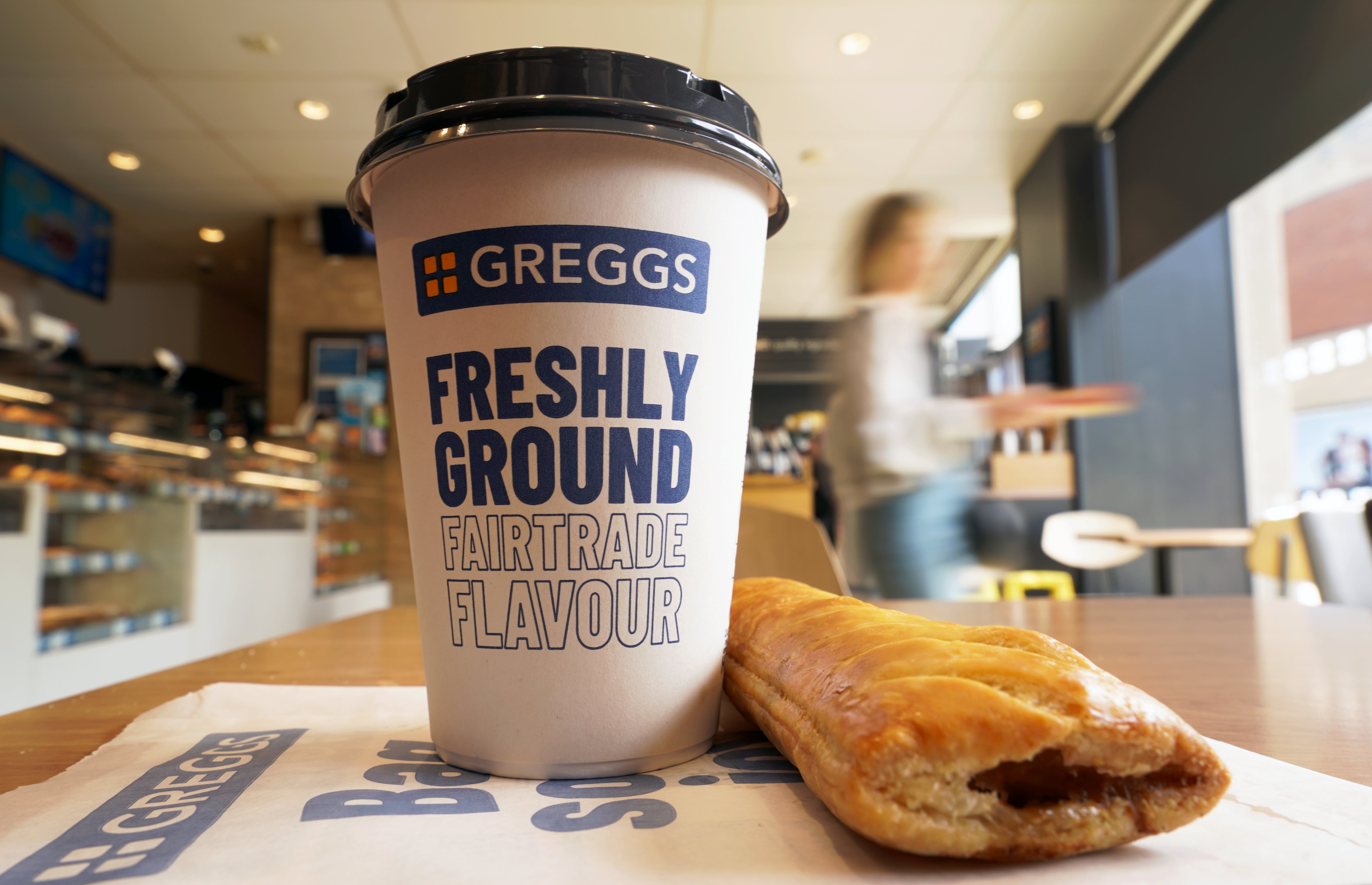
Somehow, even Greggs has become cool. Which may be the most compelling evidence that something has shifted. Once upon a time, it was somewhere you bought a lukewarm sausage roll because you were late for a train. Now it has collaborations, queues and genuine cultural cachet. Today, many consumers seem less interested in whether somewhere is independent and more interested in whether it feels authentic. And for all its faults, nobody has ever accused Greggs of pretending to be something it isn’t.
At a certain price point, the romance starts to wear off. The era of treating every meal out as a cultural event may be drawing to a close
Part of the answer, of course, is that restaurants have become both more expensive to run and more expensive to eat in. The hospitality industry has spent years battling rising rents, rising wages, food costs and energy bills. Scale suddenly looks a lot more attractive when every bill is going in the wrong direction.
 open image in gallery
According to OpenTable, the average Brit now spends around £53 per meal when dining out. By the time you’ve added a couple of drinks, service charge and the dessert you weren’t going to order, a meal for two can easily drift towards three figures. At £40 a head, people are adventurous. At £100 a head, they become cautious.
At a certain price point, the romance starts to wear off. The chef’s story, the restaurant’s story, the story behind the story – all of it matters a little less when every meal out seems to cost a little more than the last one. The era of treating every meal out as a cultural event may be drawing to a close.
For families, the maths becomes even starker. A group of four can now find itself staring down a bill comfortably north of £200 – and only half the table is footing the bill. This is when the reliability of a chain restaurant starts to look a lot more appealing. Knowing exactly what you’re going to get becomes part of the attraction.
But cost alone doesn’t explain why something like Chili’s is back. Nobody was spending their evenings campaigning for the return of Tex-Mex chain restaurants. Nor were consumers writing to demand the revival of Jamie’s Italian. Something else is happening here.
The timing is difficult to ignore. TGI Fridays isn’t plotting a revival because we missed the sticky floors. Jamie’s Italian isn’t relaunching because Britain was struggling to find somewhere to eat pasta. These aren’t businesses riding a wave of novelty. If anything, they’re trading on the opposite. For millennials, they evoke birthday parties, first dates and family dinners. For Gen Z, they’re something else entirely: new. Nostalgia and novelty are arriving at exactly the same restaurant from opposite directions.
We want bistro cosplay. We want restaurants to feel authentic, even if there are 20 of them. We don’t mind the peculiar humiliation of being forced to join in a rendition of “Happy Birthday” for a complete stranger at the next table because, somewhere along the way, it stopped being embarrassing and started feeling nostalgic. And we’re perfectly happy with a £12 bowl of pasta at a chain, even if it’s unlikely to change your life, because it probably won’t ruin your evening either.
Which begs the question, not of whether chains have become cool again. But whether we’ve become a little less cool ourselves.