


Terror victims deserve care
August 21, 2026 2:43 am

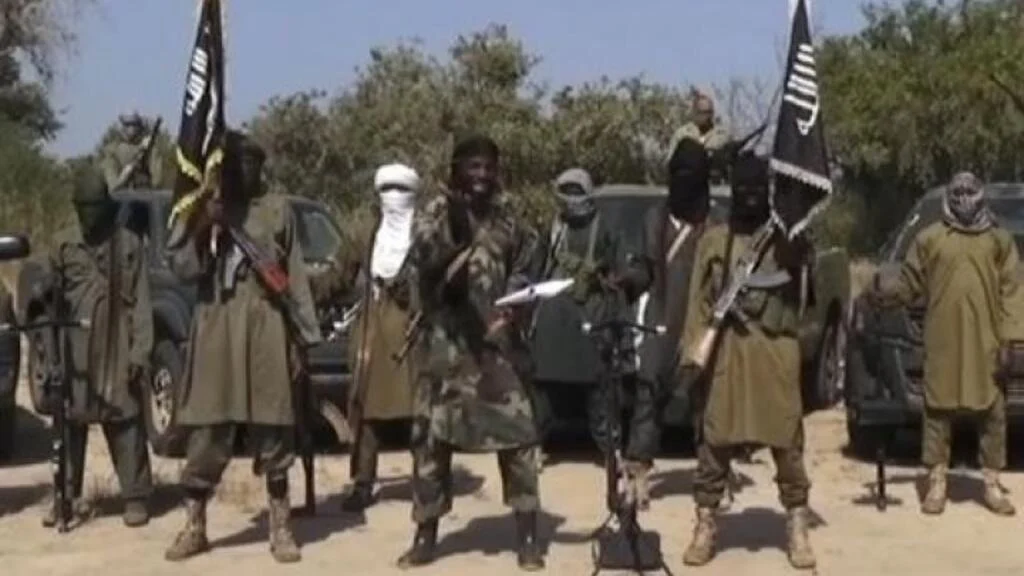
File: Boko Haram insurgents
TERRORISM is a global scourge that humanity must continue to combat by “Healing through Memory,” the theme of the 2026 International Day for the Remembrance of and Tribute to the Victims of Terrorism.
The annual commemoration on August 21 highlights the importance of keeping alive the memories of victims of terrorism while helping survivors and affected communities heal and rebuild, according to the UN.
Nigeria began witnessing the devastating impact of Islamic terrorism in 2009, when Boko Haram launched its campaign against the Nigerian state in the North-East. The insurgency has claimed more than 100,000 lives, according to Vice-President Kashim Shettima, and led to the abduction of thousands of schoolchildren, including the Chibok and Dapchi schoolgirls.
This year’s theme reminds the world that one of the strongest weapons against terrorism is the continued preservation and responsible telling of the stories of its victims. Such stories must be used in ways that strengthen the fight against terrorism and raise the bar in the global campaign against the menace.
Across the world, horror stories abound of how terrorism has upended entire societies and inflicted unforgettable pain and misery. Such experiences can understandably provoke anger and a desire for revenge among survivors and those connected to victims through family and other relationships.
However, remembrance must promote proper memorialisation and collective memory as instruments for helping survivors and communities heal and rebuild. Rather than evoking painful memories in ways that fuel hatred and revenge, remembrance should challenge humanity to prevent the exploitation of victims’ stories to spread hate, particularly across digital spaces.
Such memories must inspire healing and reinforce the need to keep digital and public spaces respectful and safe, so that victims are not subjected to further trauma. This also reaffirms the global commitment to supporting survivors and keeping their voices central to counter-terrorism efforts.
According to Vision of Humanity, sub-Saharan Africa and South Asia remain global hotspots of terrorism, with nearly 70 per cent of the world’s 5,582 terrorism deaths in 2025 occurring in Pakistan, Burkina Faso, Niger Republic, Nigeria and Mali.
The figures, reported in the Global Terrorism Index published by the Institute for Economics and Peace, show the severity of the crisis. Specific figures for the Sahel countries of Nigeria, Mali, Burkina Faso and Niger Republic run into several thousand fatalities.
The Rabdan Security and Defence Institute states that the Sahel in sub-Saharan Africa has remained the most acute epicentre of global terrorism. The region hosts some of the world’s deadliest terrorist organisations, including Islamic State affiliates such as ISWAP and Boko Haram, as well as Jamaat Nusrat Al-Islam wal Muslimeen.
Pakistan continues to battle Tehrik-e-Taliban Pakistan, while al-Shabaab remains a deadly terrorist group operating primarily in East Africa.
The group has also been blamed for some terrorist attacks in Nigeria.
FIJ Nigeria reports that comprehensive tracking data across Nigeria recorded more than 5,091 violent deaths from various security incidents, including insurgency, clashes and banditry, over a compressed multi-month monitoring period.
It also quotes the GTI as ranking Nigeria fourth globally, with 750 terrorism fatalities recorded in the previous year, while broader conflict-tracking reports indicate thousands of additional deaths into mid-2026.
The number of internally displaced persons in Nigeria is estimated at between 3.5 million and more than eight million, depending on whether broader systemic, climatic and long-term conflict-related displacement data tracked by agencies such as UNHCR Nigeria and the International Organisation for Migration are included.
Against this background, the 2026 theme makes it imperative for governments affected by terrorism to do more to help victims heal from its devastating psychological and social consequences.
Terrorism disrupts lives and livelihoods, destroys communities and causes irreparable loss of life.
Terrorists inflict immense suffering on their hostages and victims in pursuit of their nefarious objectives. Their activities are driven by various factors, including religious extremism, communal conflicts, illegal mining and political objectives. In most cases, they show little regard for the wider human and economic cost of their crimes.
It is, however, important that efforts to address terrorism do not undermine institutional memory. The rehabilitation and reintegration of terrorists into society must be handled with extreme caution and within a clear legal and security framework.
Salafist terrorists, in particular, have often demonstrated a capacity to return to violent extremism. States must therefore ensure that their laws effectively punish terrorism, deter would-be perpetrators and protect society from the recurrence of violent extremism.
International organisations, including the United Nations, ECOWAS and the African Union, should intensify efforts to cut off the funding channels that sustain terrorism.
Defeating the menace requires not only military action but also a sustained campaign against the financial, logistical and ideological networks that enable terrorist organisations to operate.
At the same time, psychologists, psychiatrists and professional counsellors should be deployed to communities and spaces affected by terrorism to help victims overcome trauma and rebuild their lives.
Such support should also extend to military and other security personnel who serve in conflict areas, including those returning from or being demobilised after prolonged exposure to the war front. Their psychological wellbeing is critical to both their personal recovery and the effectiveness of the wider security system.
Victims should be encouraged to share their experiences within their communities in ways that promote healing, understanding and solidarity, while avoiding narratives that encourage hatred or perpetuate trauma.
Survivors should also have a central role in determining how their stories are told and how commemorations are conducted, ensuring that remembrance becomes an instrument of healing rather than a source of renewed bitterness.
The Journal of Political and International Affairs aptly notes that memorial projects should be paired with long-term psychological, social and financial assistance, ensuring that “funding honours the dead without ignoring the survival needs of the living.”
The UN similarly advocates inclusive practices during anniversaries, including reading the names of victims, observing moments of silence, planting healing trees or lighting candles, with such activities guided strictly by what brings comfort to affected families.
Terrorism must be fought vigorously as a collective effort involving governments, security agencies, communities, international organisations and citizens. At the same time, the identities and stories of those killed must remain central to our remembrance.
Keeping their memories alive is not merely an act of honour. It is a way of confronting impunity, supporting survivors, preserving institutional memory and ensuring that the suffering inflicted by terrorism is never forgotten.
All rights reserved. This material, and other digital content on this website, may not be reproduced, published, broadcast, rewritten or redistributed in whole or in part without prior express written permission from PUNCH.
Contact: [email protected]