


Tax Ombud to unveil taxpayers’ rights charter
July 24, 2026 12:06 am

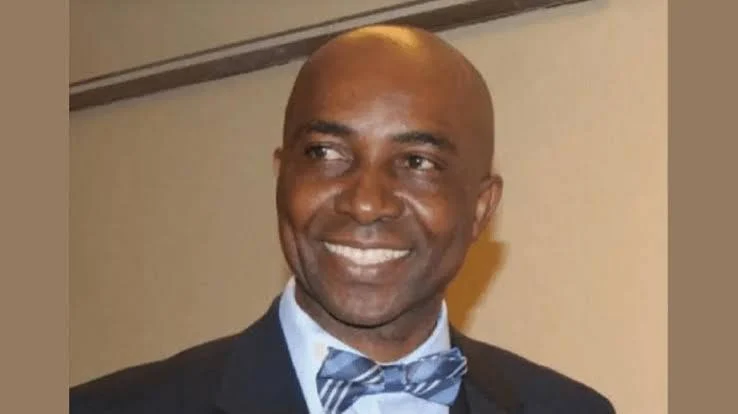
The Chief Executive of the Office of the Tax Ombud, Dr John Nwabueze.
The Office of the Tax Ombud has said it will soon unveil the Taxpayer Bill of Rights, disclosing that the charter is ready and awaiting final approvals from the relevant authorities, as it called for stronger collaboration among stakeholders to promote fairness, transparency and trust in Nigeria’s tax administration.
The Chief Executive of the Office of the Tax Ombud, Dr John Nwabueze, disclosed this on Thursday during a stakeholders’ engagement with revenue professional bodies in Lagos.
The event, themed ‘Promoting Fairness, Transparency and Trust in Tax Administration in Nigeria’, brought together representatives of the Nigerian Bar Association, the Chartered Institute of Taxation of Nigeria, the Institute of Chartered Accountants of Nigeria, the Nigeria Employers’ Consultative Association and other stakeholders.
Speaking with journalists after the event, Nwabueze said the Taxpayer Bill of Rights would be unveiled after consultations with the Ministry of Finance and the Presidency.
“We’re looking at unveiling that in a very short period of time. That charter is ready. As soon as we finish working with the authorities, the ministry and the presidency, we’re going to have that unveiled for the public,” Nwabueze said.
He said the engagement with professional bodies was aimed at fostering collaboration to improve tax administration and taxpayer confidence.
“This engagement today is actually with the professional bodies who I think we’re going to be working with. These are people that have direct access to their citizens. My expectations and goals are that I’m going to work to be able to bring fairness and some level of transparency in the tax administration,” Nwabueze said.
In his keynote address, Nwabueze described collaboration as the foundation of effective tax administration, stressing that no ombud institution could succeed in isolation.
“We therefore seek stronger institutional partnerships with organisations represented in this room. Together, we can build a tax ecosystem founded on professionalism, mutual respect and trust,” he said.
He added that the Office of the Tax Ombud had established its governance and operational structures, developed complaint-handling procedures, launched a toll-free call centre, website and case management system, and initiated taxpayer education programmes.
He added that the office was also benchmarking its operations against tax ombud institutions in countries such as South Africa, Canada, Australia, Pakistan, Kenya and the United Kingdom.
Nwabueze further called for a coordinated national taxpayer education campaign involving governments, revenue authorities, educational institutions, professional bodies, traditional rulers, religious organisations, development partners and the media.
“The strength of a nation’s tax system is measured not only by the revenue it generates, but equally by the confidence citizens place in the institutions that administer it. Fairness encourages compliance. Transparency inspires confidence. Trust strengthens legitimacy,” he said.
Also speaking, the Special Adviser to the Minister of Finance, Taiwo Oyedele, Olufemi Olarinde, said the Federal Government’s ongoing tax reforms were designed to promote fairness, equity and trust.
“We are working to build a system where taxpayers pay their fair share only, and nothing more. Technology is not just a tool of convenience, but it is a tool of accountability,” Olarinde said.
He added that the Office of the Tax Ombud would serve as an independent institution to protect taxpayers’ rights and strengthen confidence in the tax system.
Meanwhile, the President of the Nigerian Bar Association, Afam Osigwe, SAN, described the establishment of the Tax Ombud as a welcome innovation but urged the government to strengthen its legal framework.
Osigwe said the law should guarantee the office’s independence, make its decisions more binding and position it as the first point of resolution in tax disputes before cases proceed to the Tax Appeal Tribunal or the courts.
He also called for stronger enforcement against multiple taxation, illegal revenue collection and extortion, saying such practices increase the cost of doing business in Nigeria.
Arinze Nwafor is a journalist at Punch Newspapers with five years of experience reporting on Nigeria’s economy, industry, data, metro, and judiciary. He focuses on highlighting growth, policy, and market challenges shaping Africa’s largest economy. Arinze’s reporting reflects practical newsroom experience, editorial judgment, and a strong commitment to accurate, informative, and audience-focused journalism.
All rights reserved. This material, and other digital content on this website, may not be reproduced, published, broadcast, rewritten or redistributed in whole or in part without prior express written permission from PUNCH.
Contact: [email protected]