


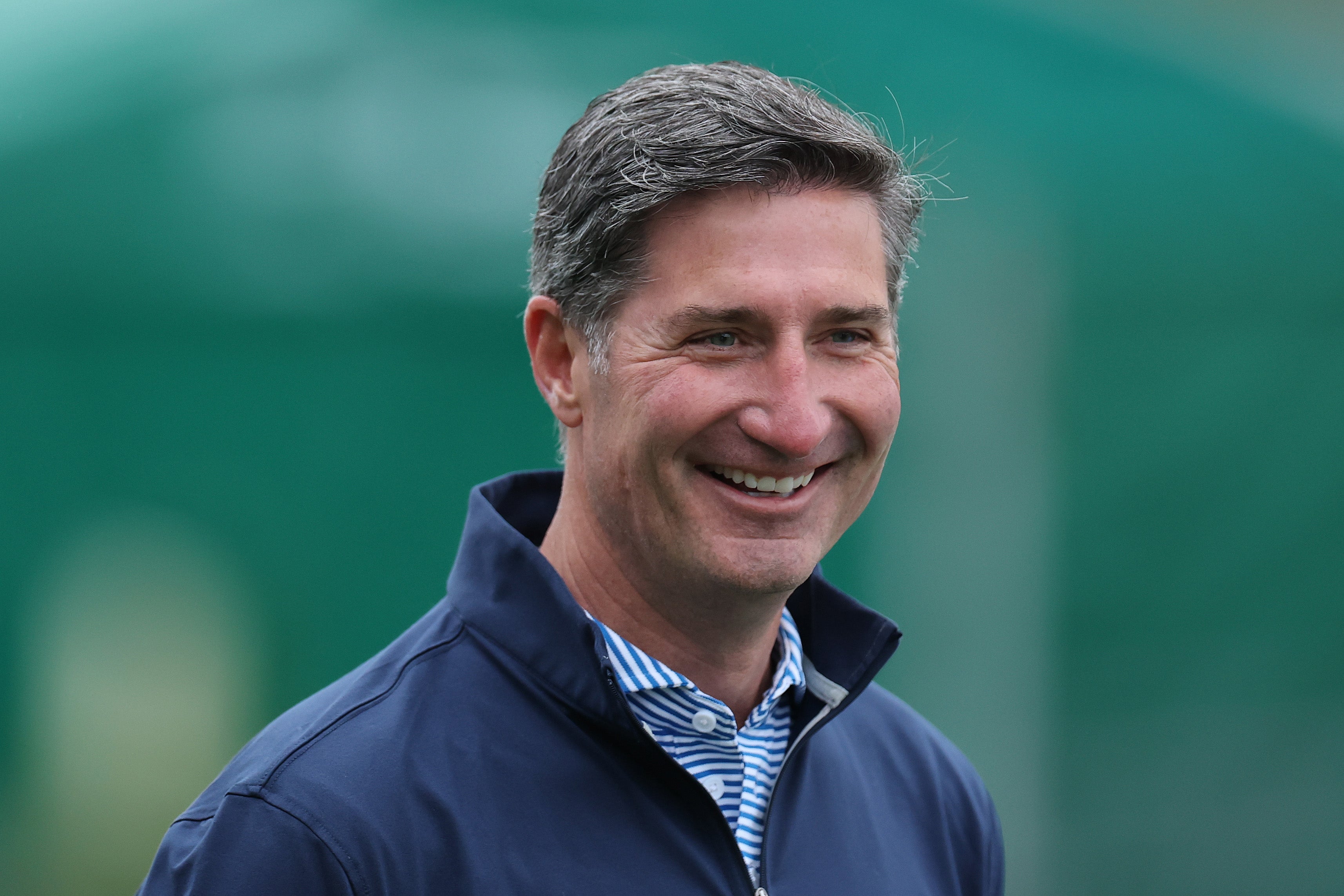
Brian Niccol’s initial two years leading Starbucks have yielded a measured success, driven by a renewed focus on store upgrades and marketing that has brought customers back to the world’s largest coffeehouse chain.
However, the expenses associated with his “Back to Starbucks” turnaround strategy have weighed on margins. As Niccol reaches his two-year milestone as CEO on Wednesday, the upcoming two years will test whether he can translate customer recovery into the long-term profitability investors demand.
When Niccol assumed leadership in September 2024, Starbucks was struggling through three consecutive quarters of declining comparable sales, caused by lengthy wait times, ineffective promotions, and an overly complex menu.
Sales continued to fall for three additional quarters before reversing course. By the fiscal third quarter ending June 28, sales rose 7.9%, marking a fourth consecutive quarter of growth.
 open image in gallery
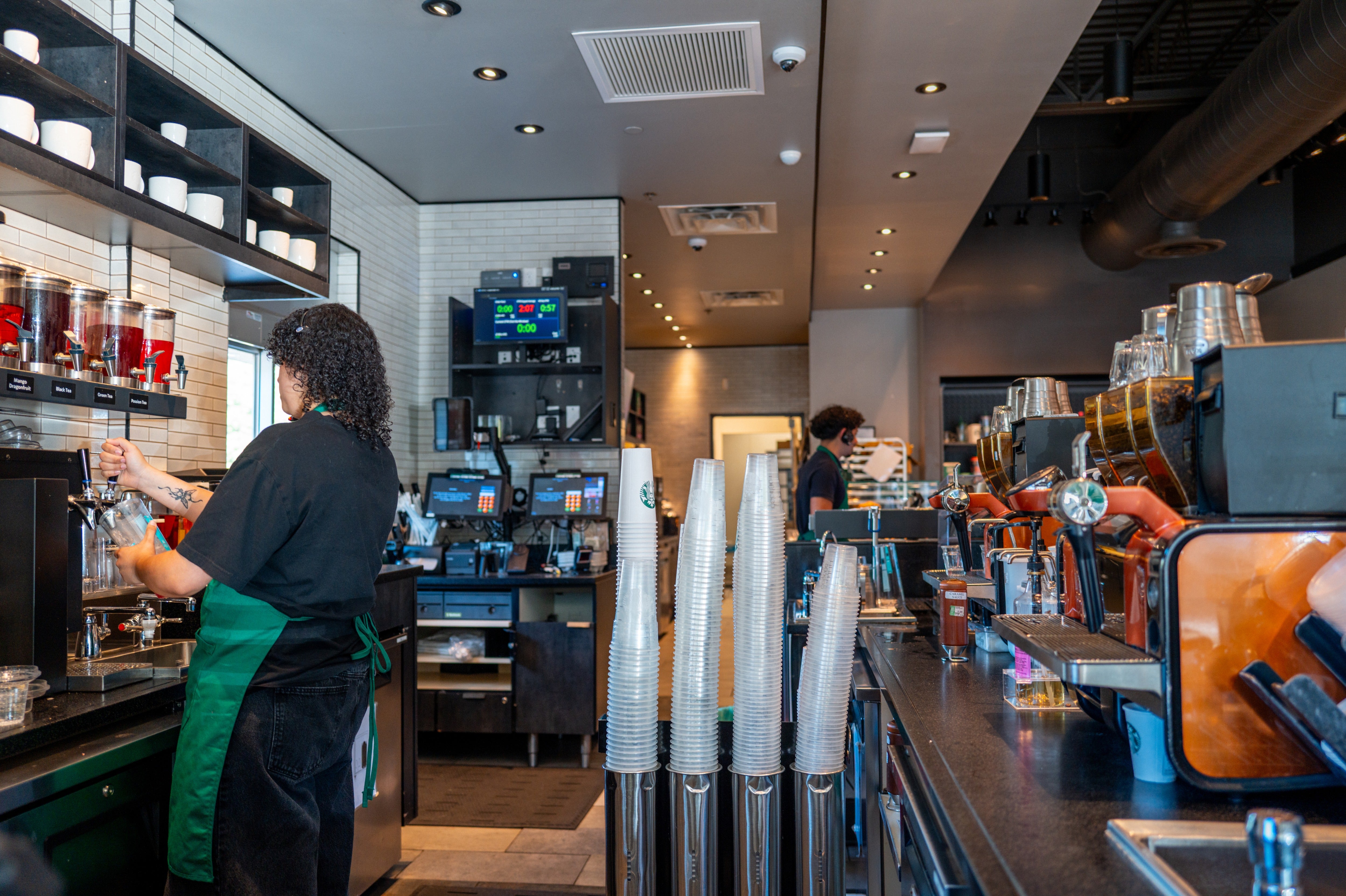
Choosing customer experience over short-term profit margins, Niccol directed hundreds of millions of dollars toward adding store staff to shorten wait times and renovating locations to restore the classic coffeehouse feel that helped establish the global brand.
This approach reflects the strategy Niccol utilized as CEO of Chipotle Mexican Grill, where he addressed operational flaws and restored growth following a food-safety crisis, solidifying his reputation as a brand-focused executive.
Under his guidance, Starbucks has also expanded its promotional efforts, including a high-profile product placement in the film “The Devil Wears Prada 2”.
Shares jumped 24% when Niccol’s appointment was first announced and have gained 30% since. While that trails the broader S&P 500 index’s roughly 40% rise, it outperforms rival chains like McDonald’s and Chipotle over the same timeframe.
“You can look at all sorts of stock metrics, but if the customer’s not happy, it’s not relevant,” said Jake Dollarhide, CEO of Longbow Asset Management, an investor in Starbucks. Dollarhide noted he remained doubtful about the turnaround until service speed noticeably improved over the past six months.
Nevertheless, those operational gains carry a significant price tag. The company has poured at least $500 million into labor investments as part of its overhaul, contributing to lower operating margins following Niccol’s arrival.
LSEG data indicates that operating margin fell to 12.9% in the fiscal third quarter, down from 15.8% during the same period two years prior. In North America, the chain’s primary market, margins fell from 21% to 13.6%.
 open image in gallery
“We will have to see if those investments pay off,” said Brian Jacobsen, chief economic strategist of Annex Wealth Management.
A spokesperson for Starbucks stated that the turnaround’s investments in employees are “supporting sustained business momentum.”
Starbucks layoffs and store closures
Niccol is already laying the groundwork for the next phase of restructuring by granting executives stock awards linked to cost-reduction targets through fiscal 2027.
Starbucks has shut hundreds of locations, including its prominent Seattle roastery, while eliminating corporate roles. In China, the company surrendered controlling interest in its operations this year to revive growth against low-cost competitors such as Luckin LC0Ay.D.
The transaction in China shows how corporate changes under Niccol leave the brand “well positioned to convert stronger organic sales growth to profit growth,” said Jim Sanderson, analyst at Northcoast Research.
Persistent hurdles remain, however. Starbucks has yet to finalize a debut labor contract with its U.S. barista union, which organized a consumer boycott in August.
The company has also drawn scrutiny regarding its labor relations and recently scrapped an AI inventory-management system designed to resolve ongoing product supply issues, though Wall Street sentiment remains largely positive.
“I’m impressed with how he takes full responsibility for his mistakes and is not afraid to pivot,” Dollarhide said.