


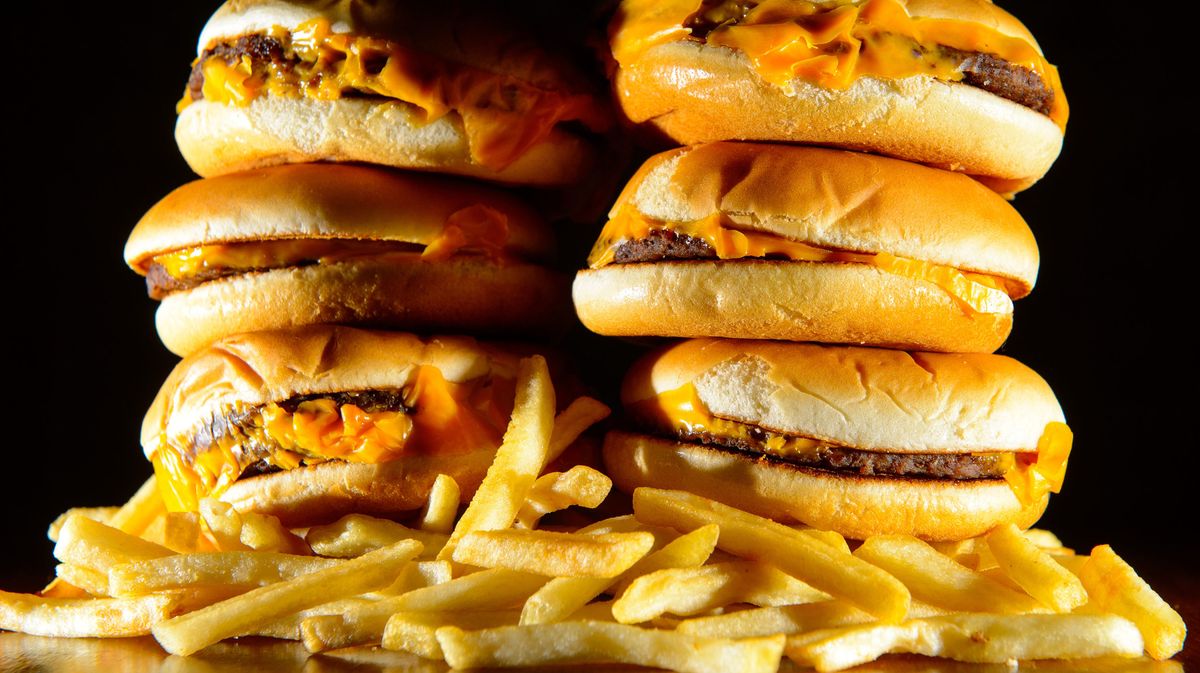
Parents are losing the war with their children on buying junk food, new research suggests.
Mums and dads across England are caving to pester power from kids demanding fatty and sugary foods during the weekly shop, the European Congress on Obesity in Istanbul found.
Lead researcher Emma Boyland, professor of food marketing and child health at the University of Liverpool, said: “While children might not be paying the bill at the checkout, their influence over their parents’ purchasing decisions is very real. Parents can, and do say no, but the current food environment does not help parents to feed their children healthy diets.
 View 3 Images
Results showed 58% reported their child or children “frequently” or “always” requested products when food shopping(Image: PA)
“Our findings highlight the need for significant transformation of online and in-store food shopping environments and marketing, both of which have a huge influence on what products parents buy and children eat, and increase the risk of childhood obesity.”
More than half (58%) of 1,050 parents surveyed said they are frequently pestered by their children, including teenagers, while food shopping to purchase products high in fat, salt and/or sugar. As a result, almost three-quarters (72%) of parents said they often bought the requested item.
Many parents (59%) also admitted to being influenced by price promotions and in-store offers when it came to unplanned food purchases, while 52% of parents blamed shopping with children. The survey was made up of 67% women whose children were aged one to 18.
Results showed 58% reported their child or children “frequently” or “always” requested products when food shopping, with just 4% saying their child never did. Younger children aged between four to 11 were found to make more demands than those aged 12 to 18 and were more likely to pester than those aged three and under.
 View 3 Images
The report comes after a raft of government interventions in a bid to cut down on childhood obesity(Image: PA)
The most requested items were ice creams and lollies (45%), sweets and chocolates (43%), and sweets and biscuits (42%). More than half of parents said children verbally asked for products, one in three children picked up items and placed them in the basket or trolley, while around one in six talked about a product display or in-store advert.
Older children appeared more likely to be influenced by in-store or media adverts. However, overall, a quarter of parents said seeing branded, child-friendly characters on packaging, or watching food adverts on TV or online before coming in store, was driving requests. And almost a quarter (23%) of parents reported that requests made them feel upset, guilty or distressed.
Co-author Dr Magdalena Muc, from the Open University, said: “Children are highly susceptible to powerful and sophisticated marketing of unhealthy foods and beverages, and the frequent exposure we observe prompts them to pester their parents, putting them at greater risk of developing overweight and obesity.
“Concerningly, our findings suggest that it is the parents experiencing food insecurity who are pestered more frequently and it can be a real source of distress.”
The report comes after a raft of government interventions in a bid to cut down on childhood obesity. In October 2025, a ban on supermarket multi-buy promotions, such as “buy one, get one free”, for unhealthy foods high in fat, sugar and/or salt was imposed in England.
It includes restrictions on placing these items at checkouts, store entrances, and aisle ends and led to major retailers, including Tesco, removing sweets, chocolate, and crisps from checkouts in a bid to reduce “pester power”.
Article continues below
In January this year, the government announced new regulations on junk food advertising in a bid to tackle childhood obesity. As part of the changes, adverts for less healthy food and drinks have been banned on TV before 9pm and online at all times. The government has said the move is expected to remove up to 7.2 billion calories from children’s diets each year, reducing the number of children living with obesity by 20,000 and delivering around £2billion in health benefits over time.