


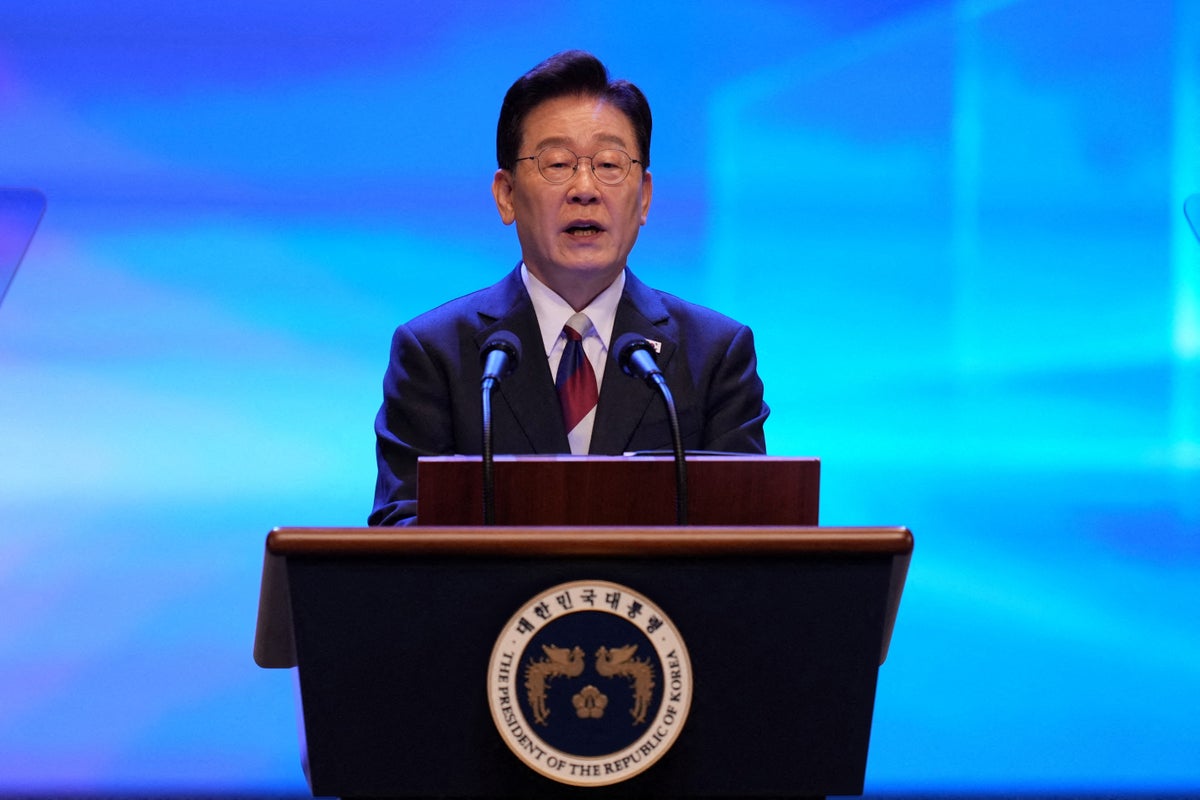
South Korea is considering deploying military assets to the Strait of Hormuz as it faces growing pressure from the US to do more in the Middle East.
The presidential office said on Friday that Seoul had been consulting allies like the US, UK and France about ways to support freedom of navigation in the vital waterway but denied that a deployment had already been agreed.
An official said such reports were “different from the facts” and pointed out that any deployment would need to take into account domestic legal requirements, military readiness, and approval by the national parliament.
Reuters, citing local media outlets, had reported that preparations were underway for a mission that could be put before the parliament this month, with a deployment potentially taking place before the end of the year.
The options under discussion reportedly included sending a P-8 Poseidon maritime patrol aircraft, a naval logistics support ship, and a naval explosive ordnance disposal team capable of mine detection and clearance.
The Independent contacted the presidential office for comment but did not get an immediate response.
The official also rejected the claim that South Korea had provided no assistance related to Hormuz, saying Seoul had been discussing possible contributions with the international community for some time.
President Lee Jae Myung could raise the issue with French president Emmanuel Macron during his visit to Paris next week, according to Reuters.
Public support for an overseas military deployment seems limited. A Gallup Korea poll in March found that 55 per cent of the population opposed sending South Korean warships to Hormuz, compared with 30 per cent in favour.
This comes at a time of strained relations between South Korea and the US.
American president Donald Trump said last month that he had scaled back joint military exercises with South Korea partly because of the Asian ally’s refusal to help Washington against Iran and .
“I recently asked the president of South Korea if they would like to join us in the denuclearisation of the Islamic Republic of Iran, and they said, ‘No thanks!’” Mr Trump wrote on his Truth Social platform.
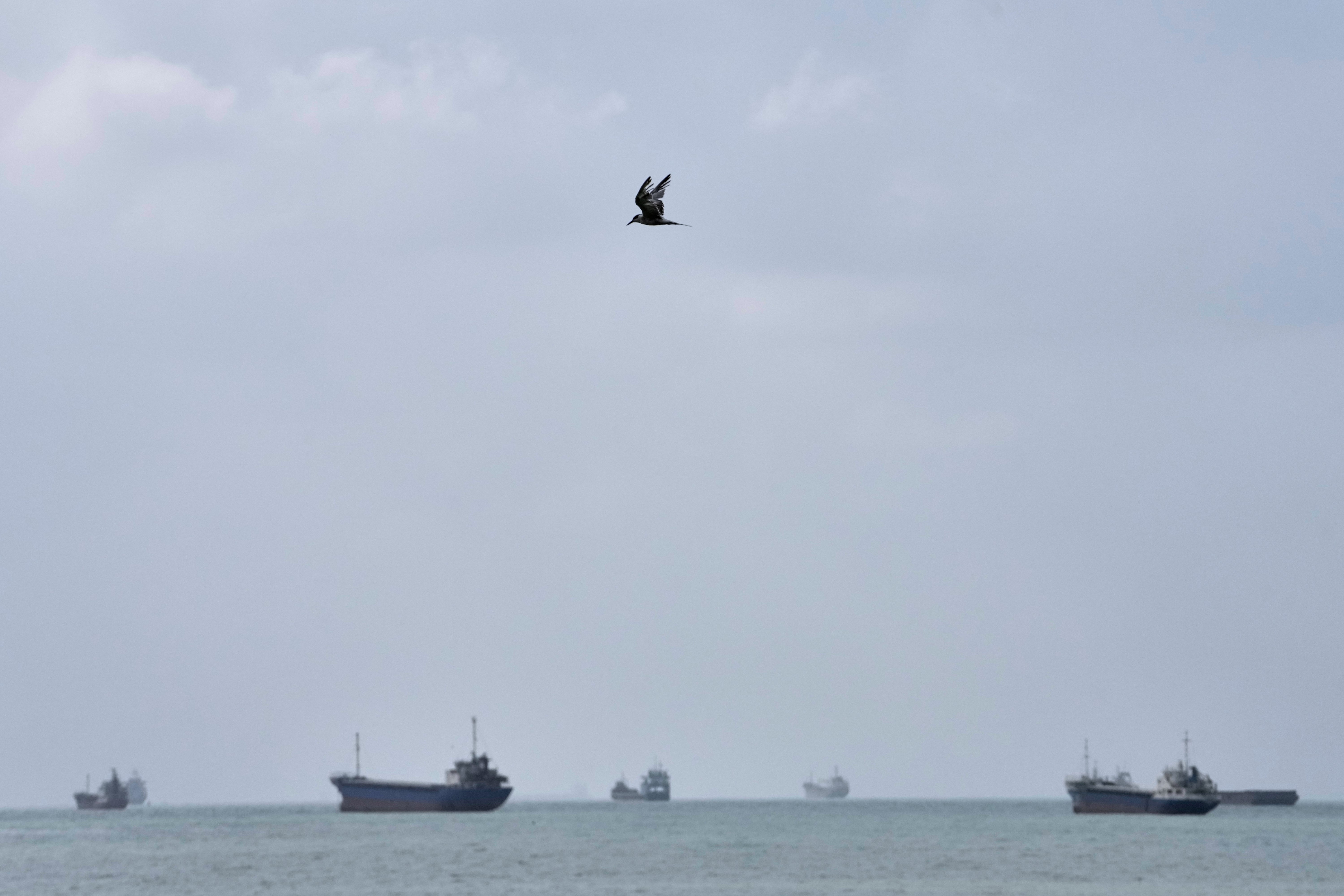
South Korea has a major economic stake in keeping Hormuz open. The vital waterway accounted for 61 per cent of its crude oil imports and 54 per cent of its naphtha imports last year.
Ban Kil Joo, professor of international security studies at the Korea National Diplomatic Academy, told Reuters that “a deployment would help South Korea manage alliance risks and reinforce its credentials as a model US ally at a time when Washington is asking partners to do more”.
Chun In Bum, a former South Korean special forces commander, said: “It’s important to contribute to ensuring the Strait of Hormuz remains open because South Korea has significant economic interests tied to the waterway.”