



The failure to outlaw smacking in England and Northern Ireland has been branded a “huge missed opportunity and deeply disappointing” by researchers, who warn that physical punishment is linked to future behavioural problems and poorer academic results.
This criticism follows new analysis by University College London (UCL), supported by the children’s charity the NSPCC, which represents the first UK-focused study into the long-term impact of such physical discipline.
The findings emerge just days after an amendment to remove the criminal defence of “reasonable punishment” for children was abandoned in Northern Ireland.
While Wales outlawed all forms of corporal punishment, including smacking, hitting, slapping, and shaking, in March 2022, and Scotland introduced a similar ban in November 2020, England and Northern Ireland retain this defence.
Under the Children Act 2004 in England and the Law Reform (Miscellaneous Provisions) (Northern Ireland Order) 2006, the “reasonable punishment” defence is still applied on a case-by-case basis.
The UCL report, published on Thursday, revealed that children in England who experienced physical punishment at ages three, five, and seven were significantly more likely (48 per cent) to fail to achieve five GCSE passes, including English and maths, compared to those who did not (42.3 per cent).
Researchers based their analysis on data from the UCL-led Millennium Cohort Study, which tracked approximately 19,000 children born in the UK between 2000 and 2002, alongside the National Pupil Database for English students.
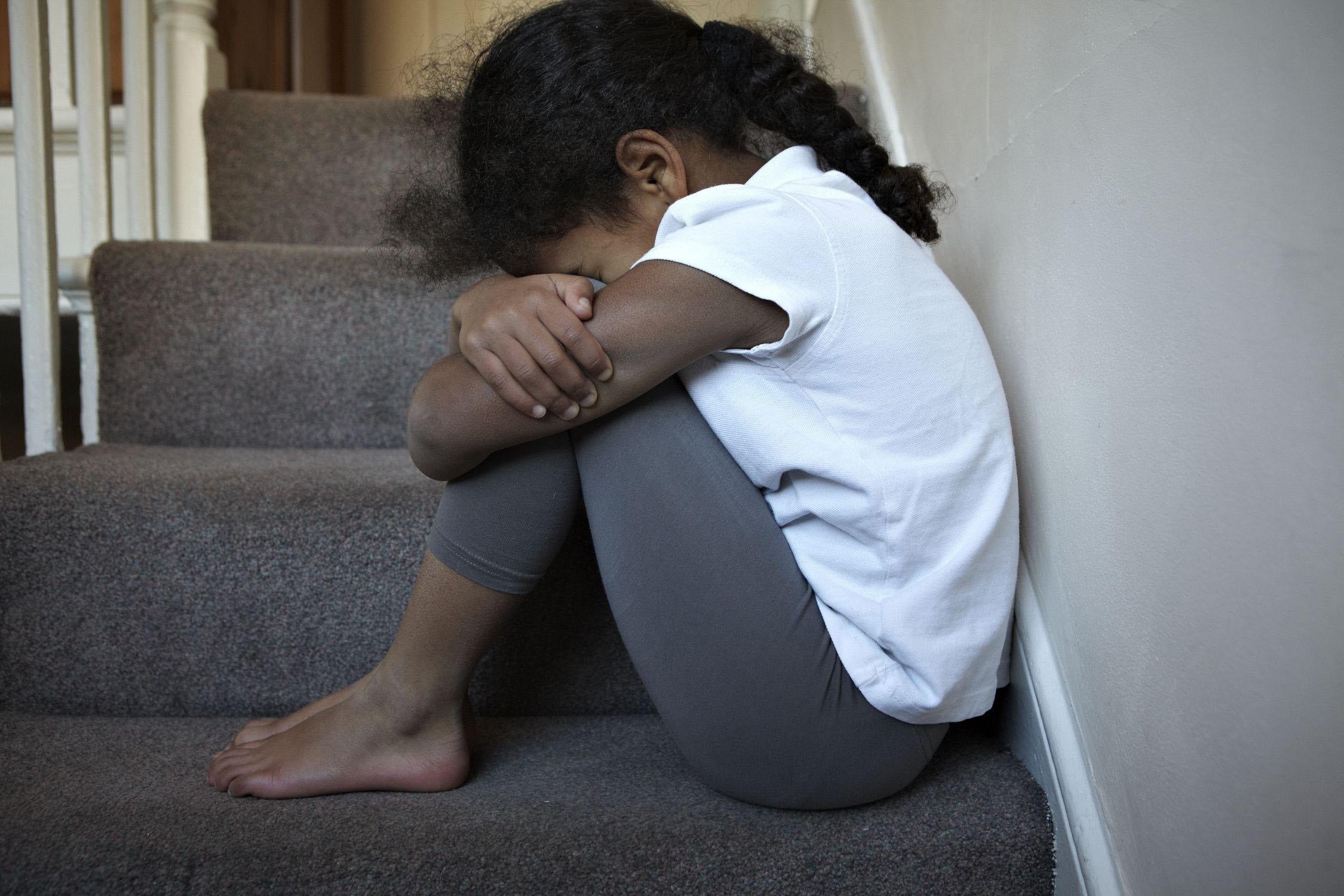 open image in gallery
They also said their findings suggested UK children who had experienced any physical punishment between the ages of three and seven were around 35 per cent more likely to have hit, pushed, or shoved someone by age 14.
Study co-author Becca Lacey, who is deputy director of the UCL-led Equalise centre which undertakes research aimed at supporting a fairer, healthier society, said: “Physical punishment is the most common and socially accepted form of violence against children, including in the UK.
“The simple truth, as our research shows, is that physically punishing a child has no benefits.
“Instead, it is associated with a range of shorter – and longer – term detrimental outcomes for those children, including increased risks of poorer educational attainment and adolescent antisocial behaviours.
Report lead author Dr Anja Heilmann, from UCL Epidemiology and Public Health, said: “The decisions by lawmakers in Northern Ireland, and last year in England, to drop plans to outlaw physical punishment are a huge missed opportunity and deeply disappointing.
“Children have the right to be brought up free from all forms of violence.
“It cannot be right that, in 2026, children in England and Northern Ireland have less legal protection from physical harm than adults.
“Our children must not receive the message that we can enforce our will on others through inflicting physical pain.
“Reforming the law in England and Northern Ireland would signal that violence is never acceptable.”
 open image in gallery
All four of the UK’s children’s commissioners have previously jointly called for a wholesale smacking ban, describing the current situation where there is a legal defence in two of the four nations as “outdated and morally repugnant”.
The issue came to the fore again in the wake of the murder of 10-year-old Sara Sharif in Woking in 2023.
Sara’s father – jailed for life in December 2024 alongside her stepmother for the little girl’s murder – had claimed in a call to police after fleeing England that he “did legally punish” his daughter and that he “beat her up too much”.
Last year, Conservative peer Lord Jackson of Peterborough warned that introducing a smacking ban in England would be “disproportionate and heavy-handed”.
He argued “reasonable chastisement” was harmless and calls to abolish it as a defence for punishing a child risked “criminalising good and caring parents, as well as overloading children’s services departments”.
But the children’s commissioners insisted “loving, well-meaning” parents have no need to be concerned about a change in the law.
Labour MP Jess Asato said the UCL report “confirms that physically punishing children does not improve behaviour and is instead linked to a range of poor life outcomes, including ones which cost the state money”.
A Department for Education spokesperson said the Labour Government’s Children’s Wellbeing and Schools Act “will provide greater protection for vulnerable children who are at risk of abuse and neglect”, but that it has “no plans to legislate at this stage” to ban smacking.
Northern Ireland’s education department has been contacted for comment.