


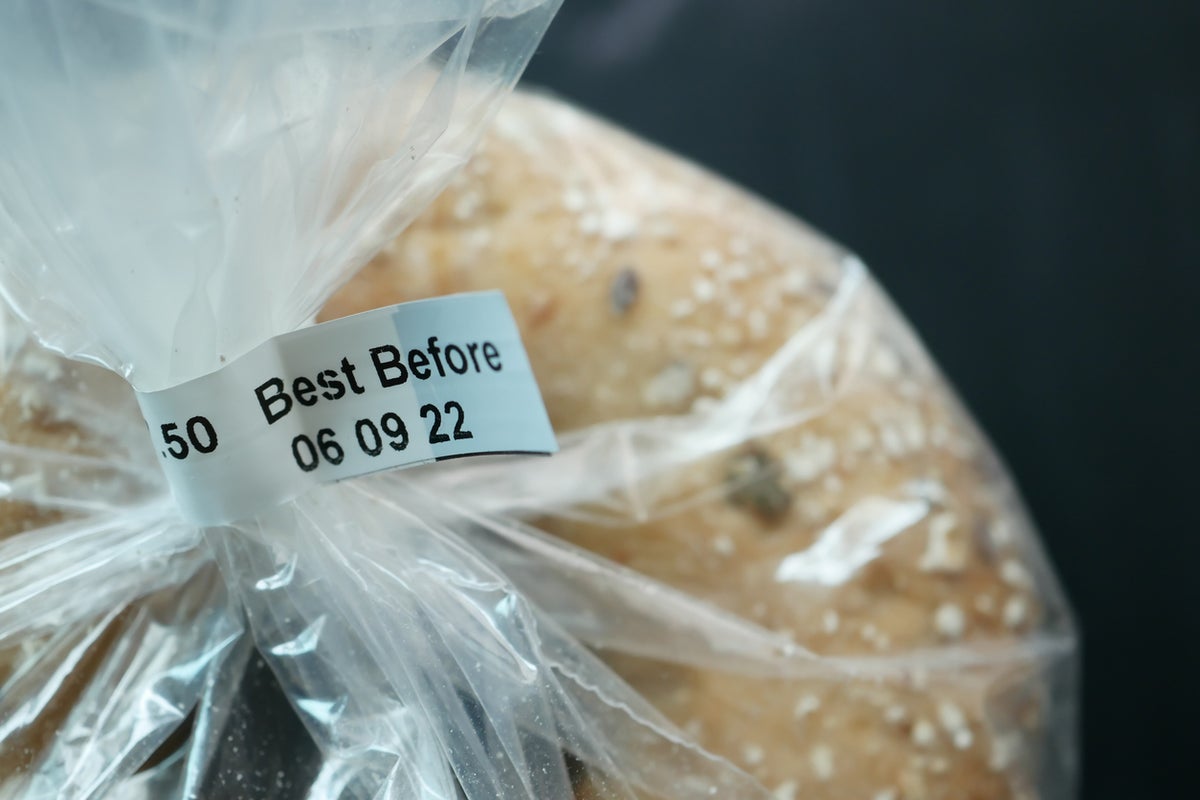
Six in 10. That is the proportion of people who told the Food Standards Agency (FSA) that they, or someone in their household, had eaten food past its use-by date in the previous month to save money.
It was the most commonly reported money-saving behaviour in the FSA’s latest Consumer Insights Tracker, just ahead of eating leftovers that had been in the fridge for more than two days, at 59 per cent. Almost a quarter, 24 per cent, were worried their household would not be able to afford food in the next month.
Katie Pettifer, the FSA’s chief executive, put the problem bluntly last month: “Many people said that to save money they’d done risky things, like eating food past its use-by date.”
This is not a sudden outbreak of recklessness. The figure was 64 per cent in March and 66 per cent in June last year. The bleak part is its persistence: overriding a food-safety date has apparently settled into ordinary household economising.
The weekly shop goes some way to explaining why. Food inflation fell to just 1.3 per cent in July, but slowing inflation does not make food cheap again. The ONS food and non-alcoholic drinks price index has risen from 103.4 in January 2021 to 144.0 today – an increase of about 39 per cent.
 open image in gallery
So what happens when something expensive reaches its date and there is little room in the budget to replace it? We already know, to some extent, because the FSA has been into people’s kitchens before.
In 2021 it commissioned in-depth research with 30 people who ate food beyond use-by dates. Most could correctly explain what the label meant. Then, in practice, they made their own rules. They sniffed food, inspected its colour and texture, tasted it and sometimes cooked it for longer or at a higher temperature. Getting away with it before became evidence that they would probably get away with it again.
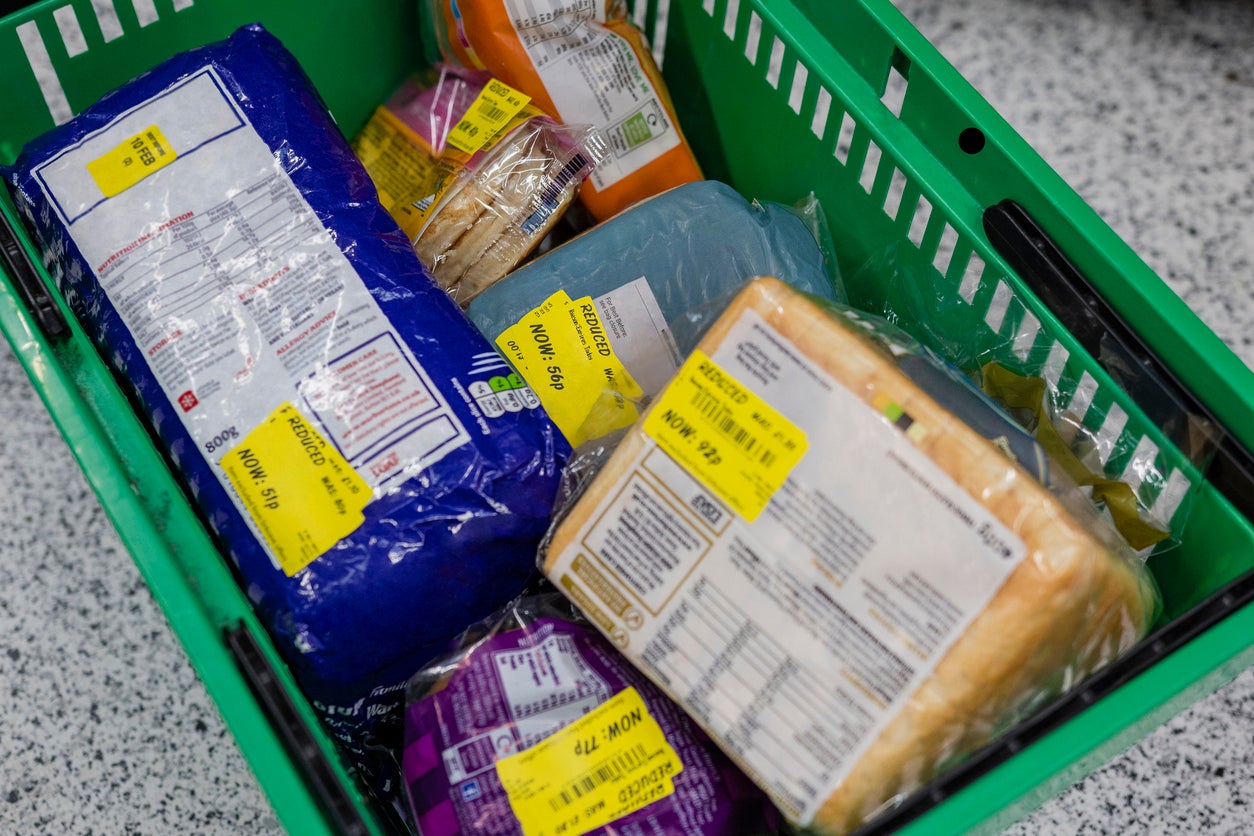
Money and waste were part of the calculation. “I eat food that is going out of date because I don’t want to waste the money I’ve spent on that,” one 35-year-old father told researchers. “In M&S, I can’t really afford to buy if it’s not going out of date and reduced.” He also described buying reduced food because paying full price for the same products was too expensive.
Reduced-price food left people with less time to eat it, while multipacks could leave them with more than they could finish. A printed date was weighed against throwing away food they had paid for.
The FSA researchers found that “use-by dates were often treated as guidance rather than a strict rule”. People were building their own food-safety systems when the official one ended with an instruction they could find difficult to follow: bin it.
 open image in gallery
Some were remarkably precise about where they drew the line. “If it’s meat or fish, usually 24-36 hours past the date,” said one 69-year-old man living alone. “If it’s veg or dairy-based then 48 hours, I find, is fine.”
Unfortunately, some of those homemade tests are useless.
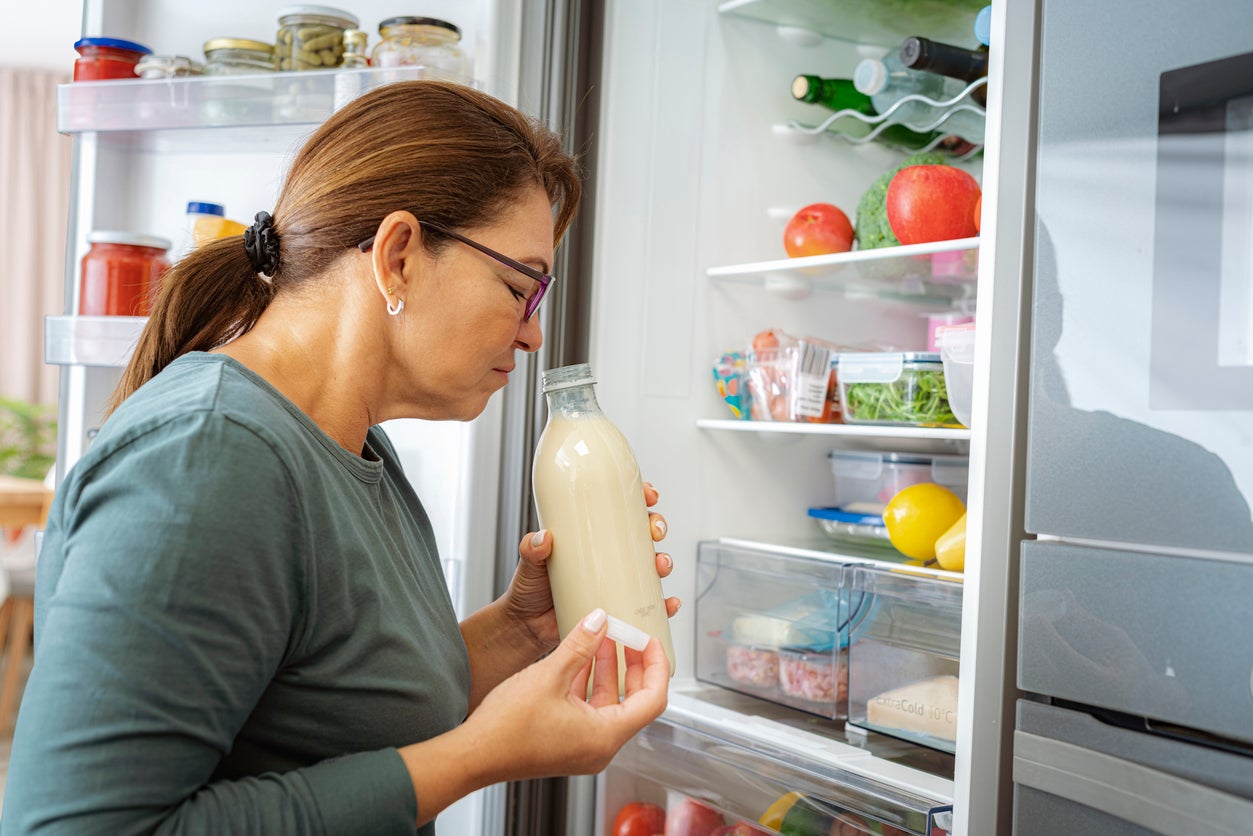
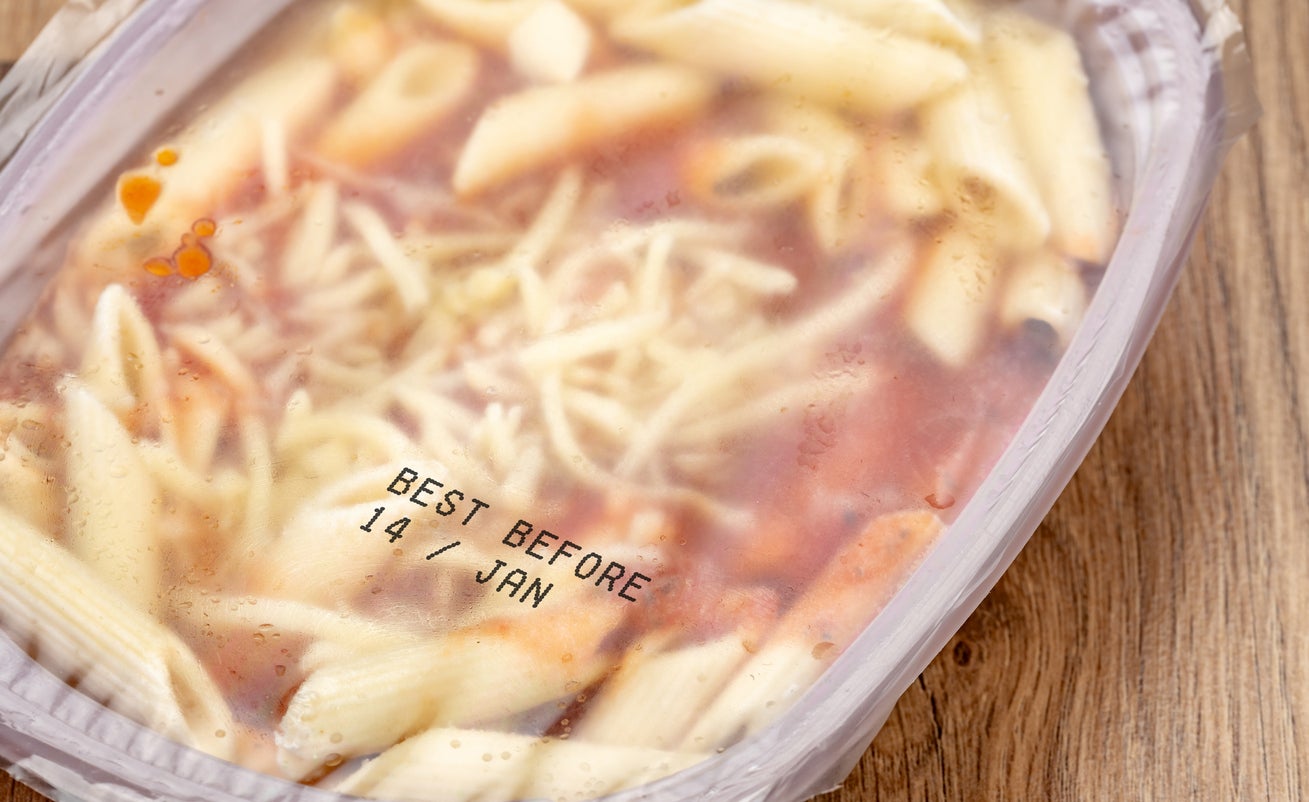
A best-before date is about quality; a use-by date is about safety. The FSA warns that the sniff test cannot tell whether a use-by food is safe because the bacteria that cause food poisoning may not change its smell or appearance. The salmon may look fresh. The ham may smell exactly like ham.
Nor does dinner turn poisonous at midnight. A use-by date marks the end of the period in which the manufacturer has established that the food should remain safe when stored as instructed. Risk afterwards varies with the food, how it was produced, whether contamination is present and the temperature at which it has been kept.
An FSA-commissioned review found there is no explicit UK legal requirement for manufacturers to build a particular safety margin into shelf life. Some do use buffers, but consumers cannot assume that “use by Tuesday” secretly means “Thursday is probably fine”.
I eat food that is going out of date because I don’t want to waste the money I’ve spent on that… In M&S, I can’t really afford to buy if it’s not going out of date and reduced
How much illness does ignoring those dates actually cause?
We do not know. The FSA estimates the UK suffers around 2.4 million cases of foodborne disease a year, including about 16,400 hospitalisations, but there is no published breakdown attributing a share specifically to food eaten beyond a use-by date.
That uncertainty cuts both ways. Yesterday’s chicken is not necessarily going to make you ill; nor is the risk imaginary because most people who take it suffer no obvious consequences.
Listeria explains some of the caution. It is rare – 181 cases were reported in England and Wales last year – but potentially severe. Of 141 non-pregnancy-associated cases, 28 people died. Those deaths were not attributed to expired food. The relevance is that listeria can grow at refrigeration temperatures and is associated with chilled ready-to-eat foods, including products such as smoked fish and cooked meats, where there may be no final cooking step to kill it.
Raw chicken is different: proper cooking can kill foodborne bacteria, although cross-contamination and poor storage remain risks. Bagged salad has no such safety net. There is no scientifically honest number of extra days that applies to everything in the fridge.
So how much time are shoppers being given before they have to decide?
A Which? investigation published this week makes uncomfortable reading alongside the FSA figures. Twelve mystery shoppers ordered the same 29 fresh groceries from six online supermarkets over two weeks, covering more than 2,000 perishable items. The average time remaining until the use-by date was 11 days at Asda, 10.4 at Morrisons and Ocado, 10.2 at Sainsbury’s, 8.8 at Tesco and 7.7 at Waitrose. Best-before items were excluded from those averages.
At product level, one Waitrose shopper received beef mince with 1.2 days left; another got chicken thighs with 1.6. A substituted Morrisons raspberry trifle arrived with fewer than four hours before its date expired. At the other end, five Asda shoppers received beef mince with at least 18 days remaining.
 open image in gallery
The investigation does not show that short-dated deliveries cause people to eat expired food. But it exposes how unevenly the opportunity to avoid doing so can be distributed. In a shop, you can rummage at the back for the longest-dated packet. If you order online, somebody else makes that choice for you.
Waitrose told Which? it had removed preservatives from some products in response to demand for simpler ingredients and said its pickers were trained to choose the longest-dated goods. Tesco said it flags shorter-life products under its Freshness Guarantee, while Ocado guarantees minimum freshness periods and offers refunds where customers are unhappy.
There is a strange collision here. We have been told, rightly, to stop wasting perfectly edible food because a date has passed, to trust our senses and to understand that “best before” does not mean dangerous. But use-by is the exception: this is the label on which we are told not to trust ourselves.
The official workaround is to eat or freeze suitable food on or before the use-by date. Sensible enough. It also assumes you noticed the date, have freezer space, planned meals ahead and were given enough shelf life in the first place.
The research suggests many know there is a risk, have developed their own ways of judging it and are taking that risk because the alternative feels unaffordable. But it’s worth remembering that the bacteria do not care what is left in your bank account.