


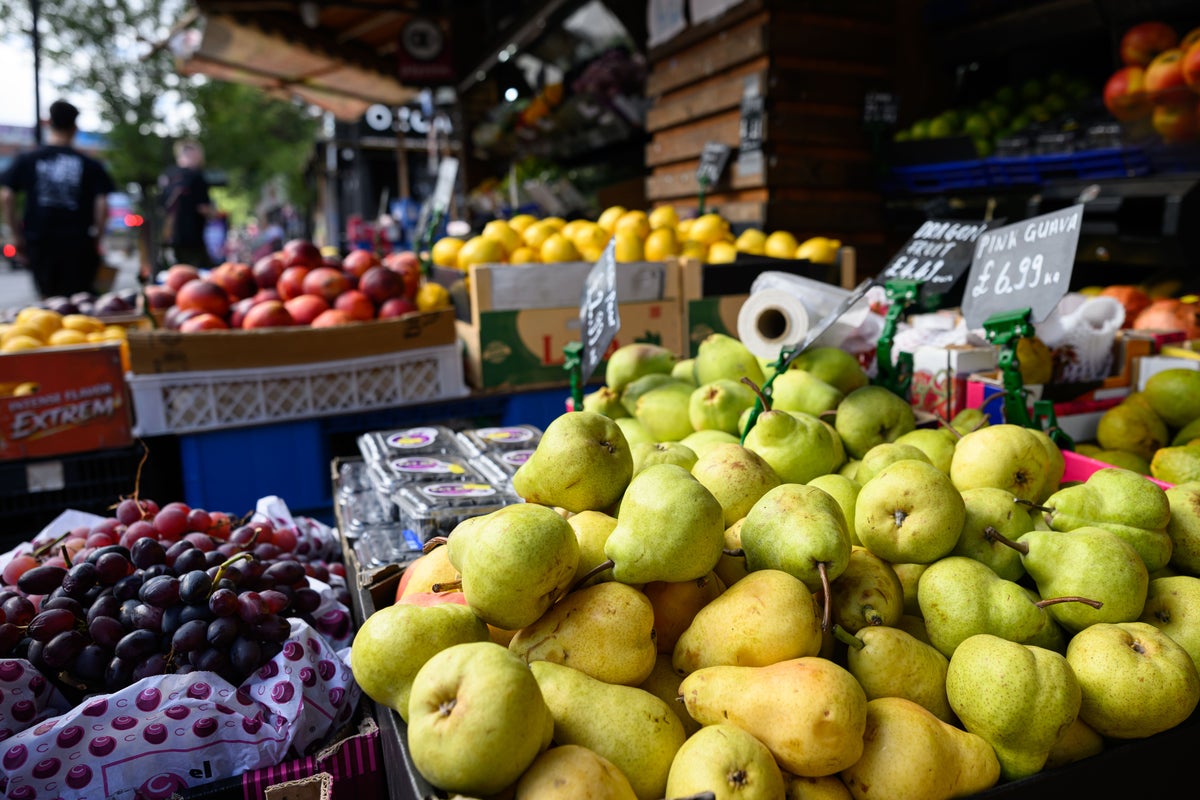
Shoppers have been warned they can expect to pay more for their food shop “come the later part of this year”, as extreme heat and drought brings farming to the brink.
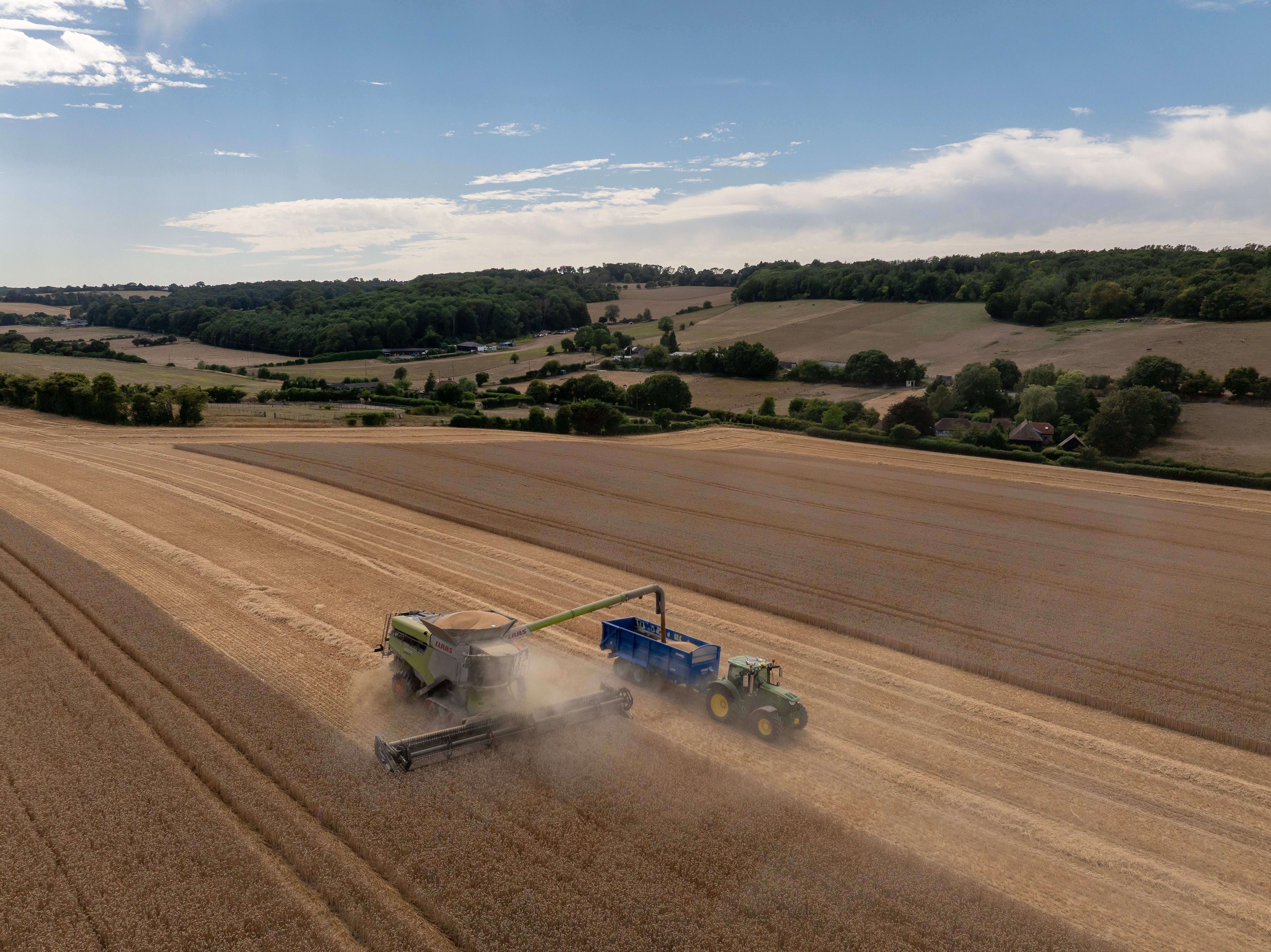
The chairman of the House of Commons’ Environment, Food and Rural Affairs Committee has said consumers can expect to see the impact of this summer’s record-breaking weather in six to 12 months time as growers have warned that this year’s barley and wheat yield is expected to be lower than previous years.
“The problems for farmers today will be the problems for consumers in six or 12 months’ time because you see massively decreased yield for wheat and for barley,” said Alistair Carmichael, the Liberal Democrat MP for Orkney and Shetland on BBC Radio 4’s The World At One.
“And you’re seeing increasingly sort of concerned noises coming from vegetable producers as well.”
He added that shoppers will not be able to rely on imports to buy cheaper food because of the extreme heat throughout Europe.
 open image in gallery
“We can’t look to some of the alternative markets that we might have done in continental Europe in recent years because they are experiencing the same problems that we are,” he said.
“If you decrease the supply but you maintain the demand, then you’re going to pick the price up, so we will be seeing further food price inflation shocks for everybody come the later part of the year.”
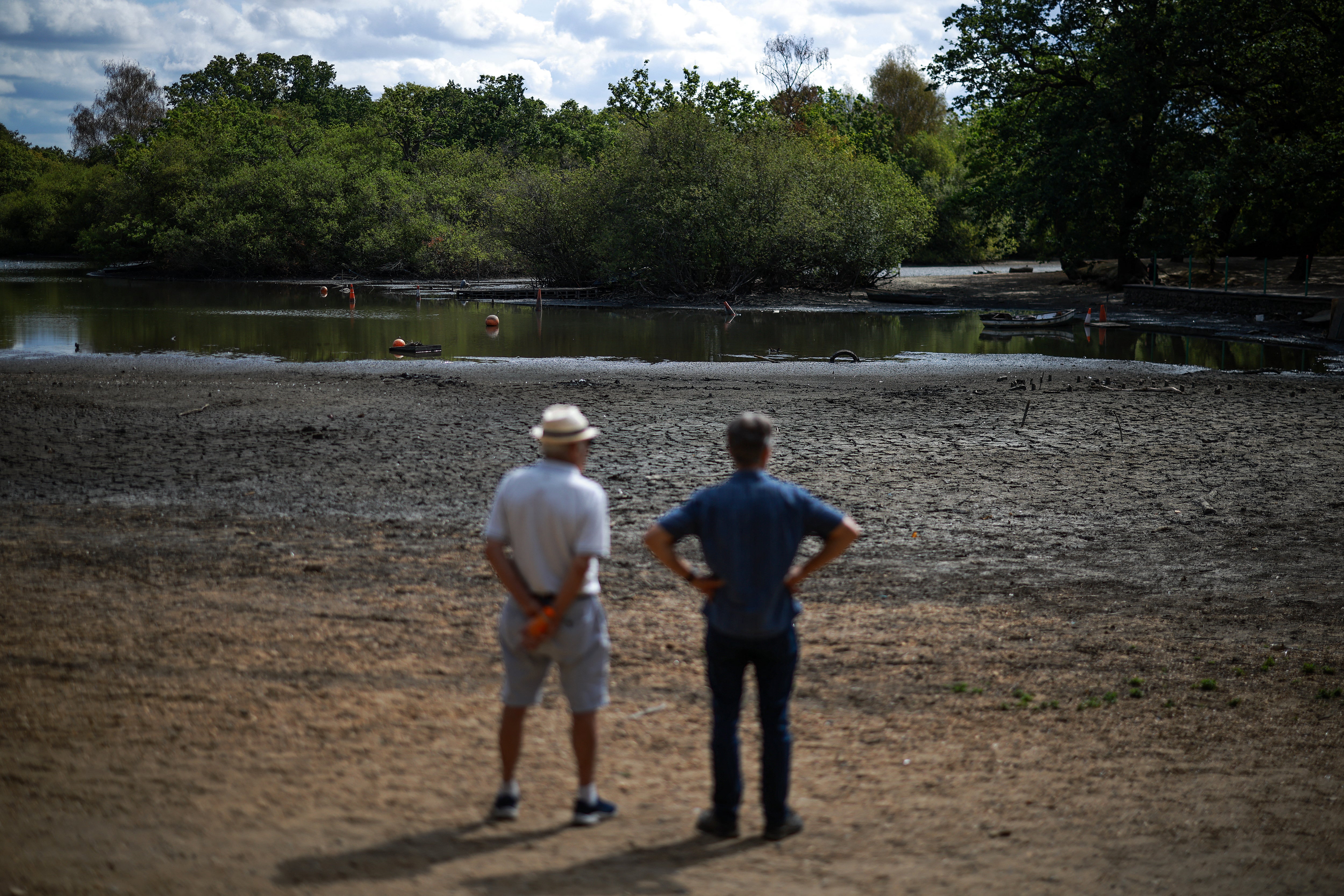
Experts in the food industry have warned that UK food security is growing more fragile due to the extreme weather after England and Wales experienced their driest July since records began while the south of England saw the driest month ever recorded.
Analysis from the Energy and Climate Intelligence Unit (ECIU) last week estimated that the hot and dry conditions that have plagued spring and summer could cut the country’s cereals and oilseed harvest by 2.5 million compared to earlier projections.
As half of England and all of Wales is currently experiencing a drought, with more announcements expected from the National Drought Group on Monday, the National Farmer’s Union president Tom Bradshaw said conditions had left the agricultural sector struggling.
“This is one of the most severe droughts many farmers and growers have lived through. Harvest yields are looking poor, farmers are struggling to access water to irrigate fruit and vegetables, and livestock farmers are having to use grass they cut this spring for their stores of winter feed for cattle as there’s very little grass growing now.
 open image in gallery
“The picture is even worse when we look across Europe to many of the countries we import food from, with huge wildfires across France and Spain. While retailers are used to managing variations in global supply, we’re not going to be able to trade our way through this potential crisis.
“If this summer teaches us anything, it is that we must prioritise food production. We have taken food production for granted for too long; we must create a more resilient food system to feed the 29 million households across the country, and we can’t produce food without water. This means urgent action to bolster our water security and ensuring our food security is treated as a vital part of our nation’s critical infrastructure.
“Central to this will be fast tracking investment and planning changes meaning we can build new reservoirs on farm. We need a common sense approach to water use, with water access prioritised for livestock, particularly poultry and pigs. More flexible abstraction rules are also needed so farmers can access water for irrigation. This would enable us to grow more of the food we can and should produce here ourselves, especially fruit and vegetables.”