


The Record described Scottish Labour as being “deep into extra time.” Having been an MSP for 10 years through three election defeats and three leadership contests, that description struck a chord. This time is different—time really is running out.
We have to accept responsibility for defeat – the question we thought the electorate wanted an answer to was wrong and I take my share of the responsibility for that.
Whilst our vote share and MSPs stayed relatively flat, this felt like a very different loss. For the first time since 2007 we thought we could win. In 2024, we proved we could by reducing the SNP to a rump in Westminster and outperforming the UK party in vote share and swing.
Losing when the opportunity was there raises existential questions for our Party. To compound this, the SNP on many counts did not deserve to win.
On the doors even veteran SNP voters were not enthused by their record. Yet against a tired and unpopular incumbent, who shed 9% of its vote share, we could not advance. We have to accept that for many voters, the SNP remains the default choice to protect Scottish interests.
This brings me to our main existential conundrum: we could not differentiate ourselves from the UK party. Despite rebranding, a strong leader, and picking fights with UK leadership, we suffered from the UK Government’s unpopularity rather than being judged on our own terms.
Even if outright victory was impossible in those circumstances why couldn’t we add even half a dozen seats to our relatively low 2021 tally?
For some there are simplistic structural answers – a split from UK Labour and a new party. But form before function runs the risk of missing the fundamental question of who our Party is for, what our plan is and how we tell people what we are doing.
I am of the view that the structure should be looked at but only once we have answered the more fundamental questions and only if we demonstrate if and how a new structure serves to advance that analysis.
Unlike the UK party, Scottish Labour has never done the soul-searching required to rebuild and win. Keir Starmer’s leadership victory was built on an unflinching reassessment of who abandoned Labour, recognising that ‘traditional’ ‘Red Wall’ voters rejected metropolitan virtue politics, which led to a focus on patriotism, service, workers’ rights, and housing.
Scottish Labour has failed to confront who our voters are, what motivates them, and how to win them over.
We must move beyond patronising divisions, between East v West, Yes v No and urban v rural and accept that the mythical traditional workers from industrial Scotland are gone.
Modern Scotland is neither homogeneous nor fits into neat categories. We are the party of working people but what does that mean in 2026?
It is time for new leadership in Scottish Labour. I think Anas Sarwar did an outstanding job of making us viable again – Rutherglen, Hamilton, the 2024 General election result all stand as evidence of that.
But perhaps his stepping aside allows us to consider why we failed to retain the confidence of so many people between 2024 and 2026.
Article continues below
Now is not a time for egos or personalities. It is for asking who are we, who are we for, what do we want to do and how are we going to do it.
It is never going to be enough just pointing to the faults of the SNP. It is not enough to explain why we should win. We must demonstrate how and why we can do better.
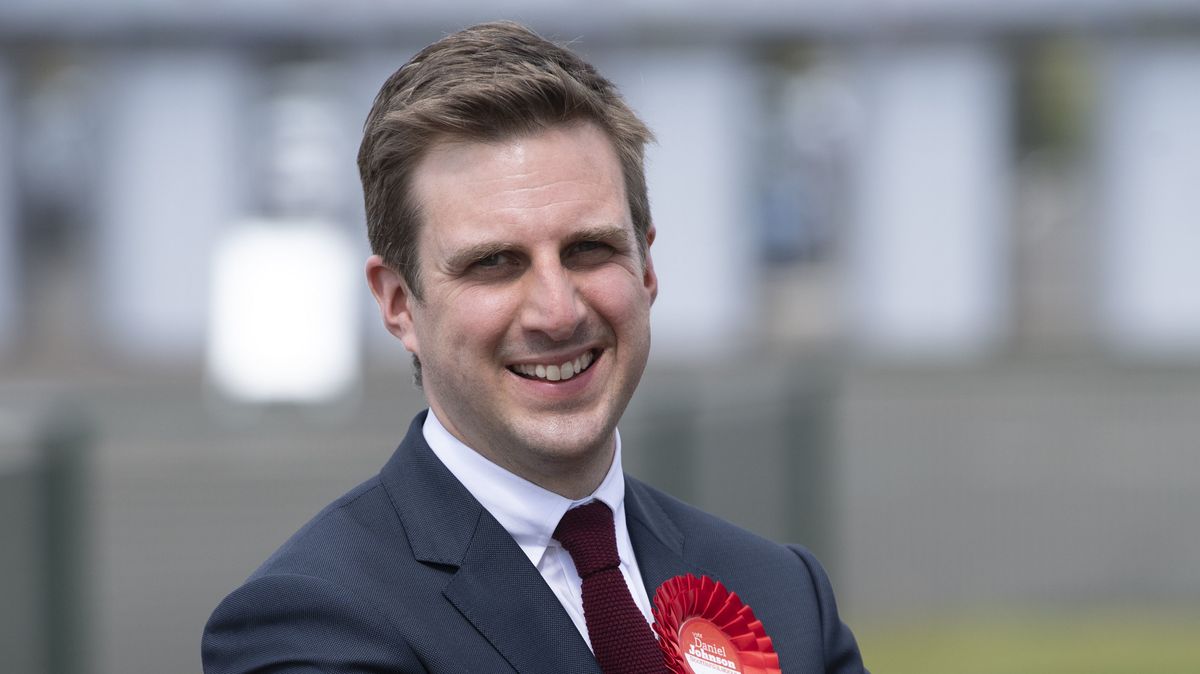
Daniel Johnson is the MSP for Edinburgh Southern