


Much of Scotland has been basking in the glorious sunshine during this Bank Holiday Monday with the good weather set to continue for most of this week.
However, highs of 24C are rather unusual for us Scots and our homes are not built for the heat. Therefore, the sudden rise in temperatures means many people will be looking for easy ways to keep their home cooler this week for a cheap cost.
While fans don’t actually cool your rooms down, and air conditioning is pretty much non-existent in the UK, people are increasingly looking for cheap and easy solutions to bring the temperature down.
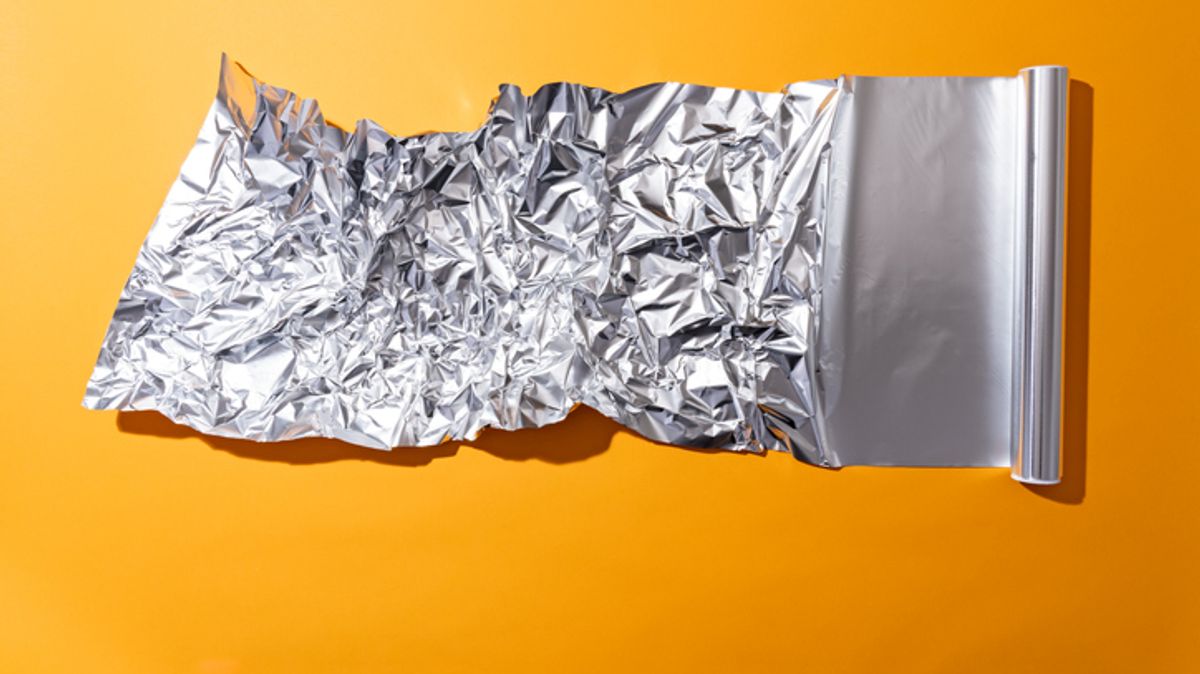
However, there is a little-known solution to keeping your home cool which requires nothing more than a £1.20 roll of tin foil or kitchen foil which can be picked up at any supermarket including Asda, Tesco, Morrisons, Sainsbury’s and Aldi.
Those desperately seeking relief from the heat have been encouraging others to line their windows with kitchen foil, particularly those that receive direct sunlight.
 View 2 Images
A kitchen essential can keep you cool without buying a fan(Image: Getty images)
Normally, when sunlight shines directly through a window, it amplifies the heat and makes your home even warmer – the same principle that keeps plants warm in greenhouses.
Foil, however, works by bouncing the sun’s rays back outside rather than allowing them to penetrate through the glass.
Adam Pawson, Head of Digital at Safestyle, told Ideal Home: “Blocking your windows with tin foil will help to keep your rooms cooler in the heat as it reflects the heat back outside.”
He did, however, caution against a common error: “However, one mistake people make is by placing the foil on the inside of the window. It is really important to be careful to place the tin foil on the outside of your windows rather than the inside to prevent the glass from getting too hot.”
Another option is to keep your windows open while keeping your curtains drawn, preventing direct sunlight from streaming in. Bear in mind, however, that this will still cause your room to warm slightly through the curtains, whereas foil is more effective at reflecting the sun’s rays.
It’s worth remembering that foil’s heat-reflecting properties are equally useful in winter, as people were previously advised to hang strips of tin foil behind radiators to bounce heat back into the room.
As for the additional benefits of tin foil, or ‘aluminium foil’, it is non-toxic and doesn’t melt until it reaches 660C, meaning it will cope effortlessly during a heatwave with hundreds of degrees to spare, so there’s no need to fret about it melting in the sun.
Only opening windows and doors during the evenings to allow cooler air to flow through the house, while keeping windows and curtains that face direct sunlight firmly closed during the day.
Placing bowls of water in various rooms around the house can also help, as the water evaporates and assists in keeping the air temperature down. Houseplants are another natural solution, acting as air conditioners by releasing moisture into the air through a process known as transpiration.
Switching off unused appliances is also advisable. Devices such as ovens, toasters, laptops or games consoles can generate small amounts of heat on standby, all of which contribute to the overall temperature of your home.
The same principle applies when charging devices such as your mobile phone – the small amount of heat produced could contribute slightly to warming a room, making night-time charging preferable.
Energy-efficient LED light bulbs will also assist in keeping your house cooler. Traditional light bulbs like Halogens generate a substantial amount of heat while illuminating a room, and multiple Halogen lights or spotlights can rapidly increase a room’s temperature during the evening.
Consider switching to energy-saving LEDs and minimising light usage wherever possible – which will also reduce your energy bills.
Article continues below