


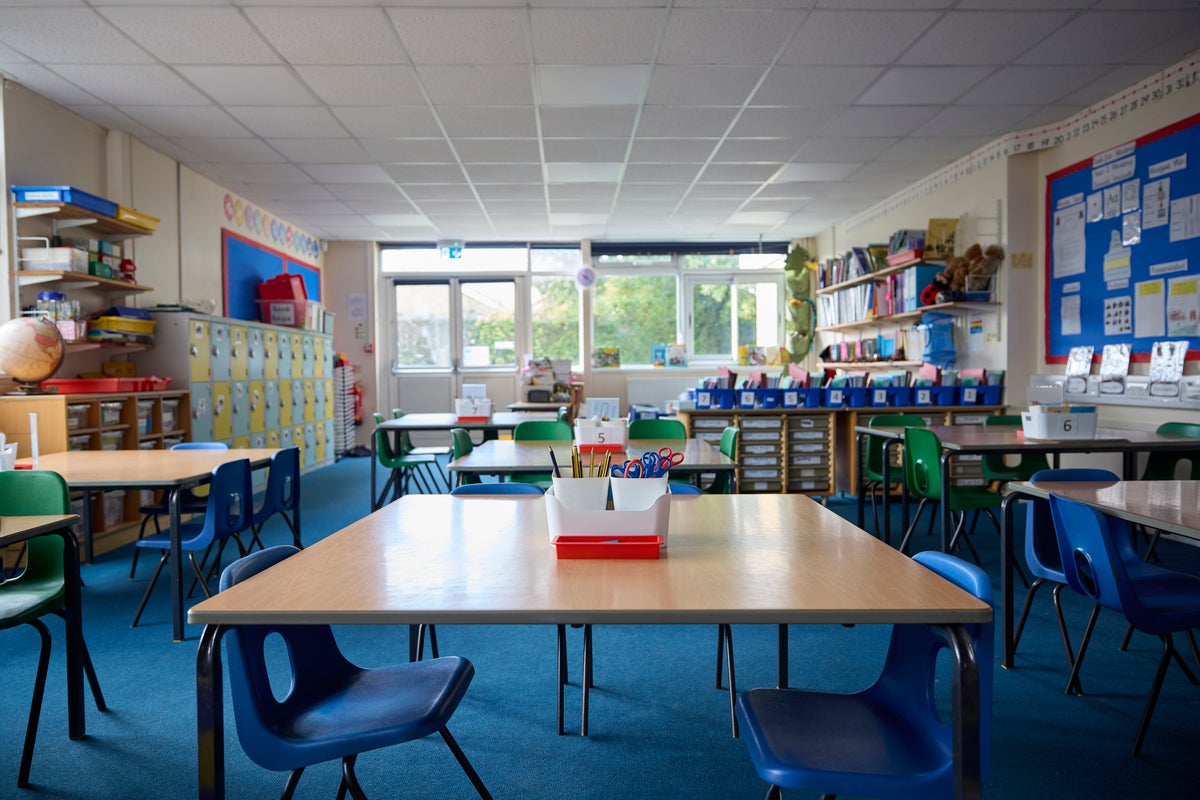
A summer of record-breaking heatwaves saw UK schools pushed to their limit this year. As the threat of climate change becomes a reality – with experts warning 2026 may point to a ‘new normal’ – there are growing concerns ahead of the new academic year.
Summer 2026 saw unprecedented weather hit the UK, setting it up to be the hottest on record according to Met Office data. Five widespread heatwaves prompted a historic streak of four consecutive months where temperatures exceeded 35C.
A lack of air conditioning at most schools, and limited ventilation in buildings not designed for extreme heat, forced more than 1,000 to either close or send pupils home early.
The recommended maximum indoor limit for classrooms is 26C, the National Education Union (NEU) advises, although there is no statutory limit.
Coping with record heats
It is a challenging dilemma for school leaders to decide what to do when temperatures soar. Closing schools will naturally disrupt learning, but can also create a childcare crisis for many working parents.
Russell Hobby, chief executive of The Kemnal Academies Trust, which runs 45 schools, said: “Obviously, the first thing we want to do is keep the schools open if at all possible.
“Children should be in school, they should be learning, and they tend to be safer in school… we’re always very aware that the places we’re sending them to may be no cooler than the classrooms.”
In response to the heatwaves, many headteachers have had to adopt creative approaches to optimise conditions for their pupils.
 open image in gallery
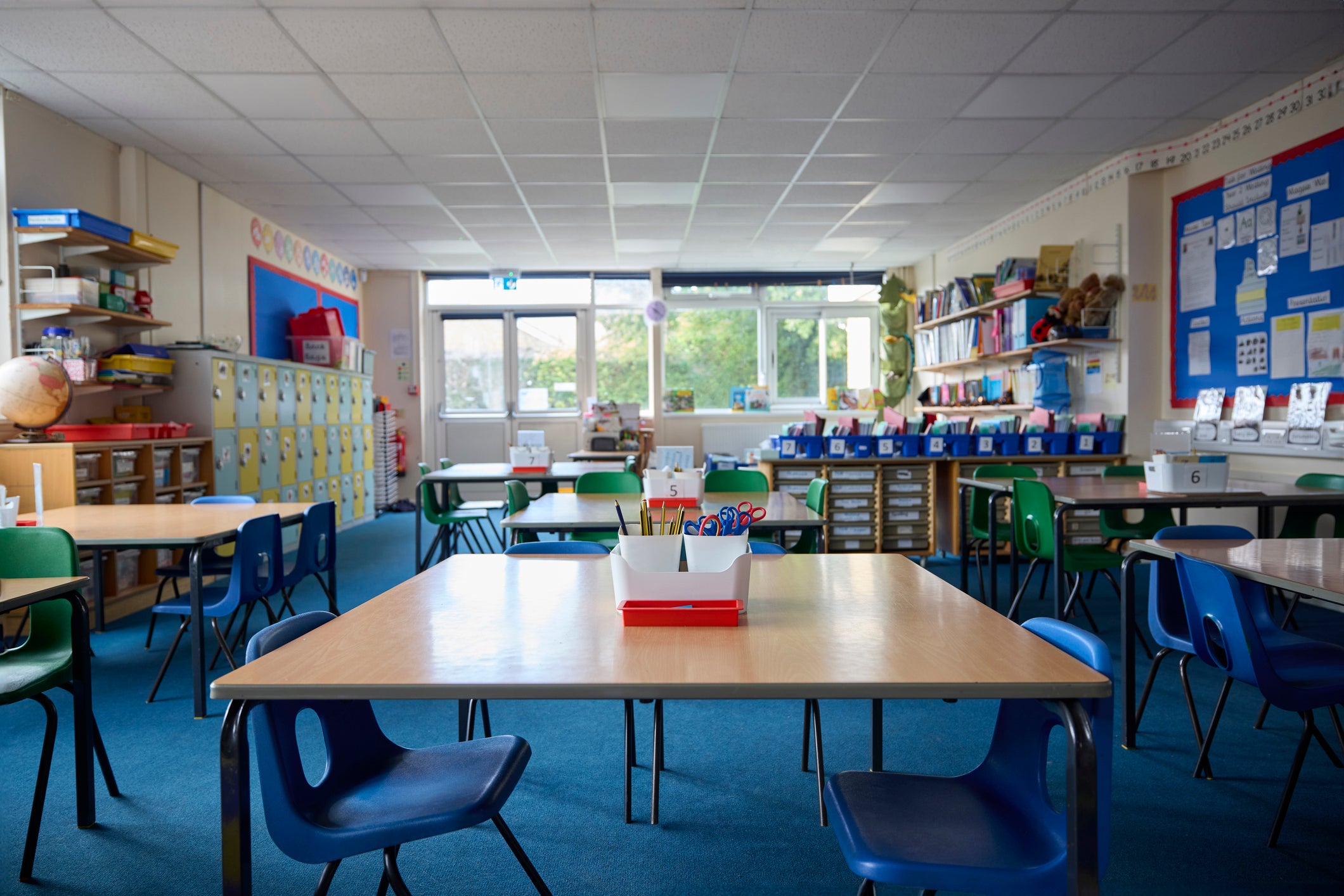
Relaxing uniform rules to allow students to attend in PE kits rather than traditional blazers has become common practice, while some schools have moved classes away from buildings that are hit by direct sunlight.
Guernsey’s La Houguette Primary School even reported moving classrooms to cooler WW2 bunkers in June.
A Department for Education (DfE) spokesperson said: “Hot weather can be a struggle, but the vast majority of schools did a fantastic job keeping children learning safely during this summer’s heatwave.
“Schools put measures in place, so they remained the best place for children to be, even during a heatwave – because every day in school counts. Where schools remained open, nine in 10 pupils attended as normal, as teachers pulled out all the stops to keep classrooms cool and children learning.”
Changing the school term
Rising heat threatens academic performance directly. Data presented by the Climate Change Committee (CCC) in May shows taking an exam on a 32C day leads to a 10 per cent lower likelihood of passing, compared to a 22C day.
Floated solutions include starting the autumn term earlier in August to break up the peak July heat, or shifting school start times forward, which may allow for cooler mornings. But there are practical barriers to these approaches.
 open image in gallery
Mr Hobby said: “If you shift the exams earlier in the year, you’re losing more preparation time.
“You kind of run out of options unless you radically reconfigure the year around maybe following the calendar year rather than the academic… but who wants to unpick all of our processes and systems right up to university level to make that happen?”
Upgrading the school estate
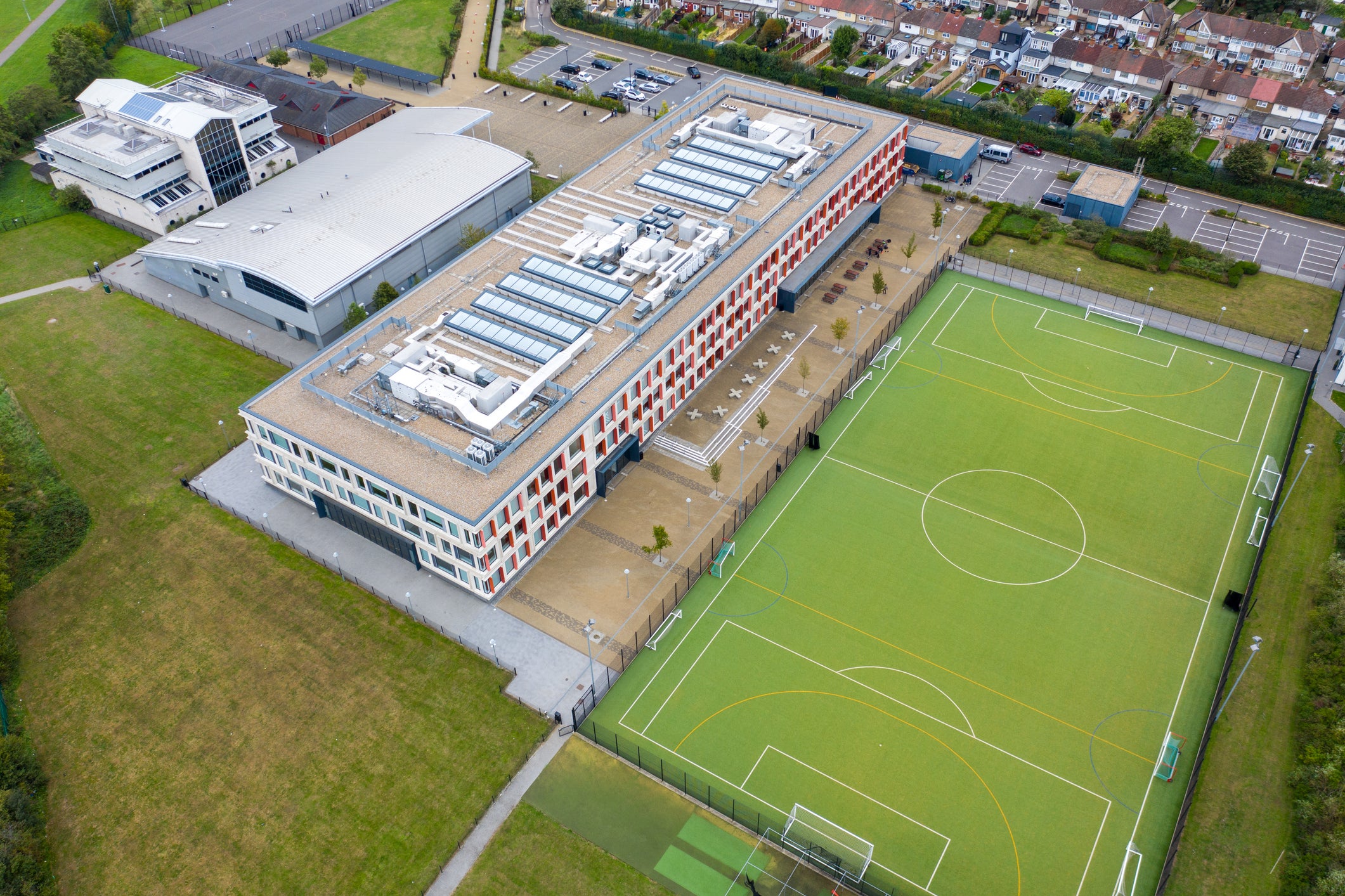
British schools were not designed to cope with sub-tropical heat. So as these weather events become the new reality, experts are calling for sustainable solutions now.
The CCC’s report earlier this year found, in the worst-case scenario, schools are projected to face around 90 days per year above 26C by the end of the century, and up to 24 days per year exceeding 35C – six times current levels.
 open image in gallery
The committee proposed a target of 16C to 25C in all classrooms by 2050, recommending in the short-term the installation of outdoor canopies, trees, pergolas and ground shade sails over playgrounds to lower outdoor temperatures.
Other low-cost retrofits recommended include window blinds, shutters, insulation and natural ventilation upgrades. However, the report added active cooling like air conditioning “will become necessary” during future heatwaves.
2027 and beyond
The government is currently considering the recommendations of the CCC report, understood to be informing its fourth “national adaptation programme” expected in 2028.
Earlier this year, the DfE announced a £710 million renewal and retrofit programme lasting to 2030, alongside £20bn to rebuild over 750 schools by 2035.
However, the department is also set to have its capital budget cut by one per cent a year to 2029/2030 to pay for increased defence spending.
But extreme heatwaves are just one side of the climate crisis. Projections from the department highlight 10,710 schools are also at significant risk of flooding – a figure projected to rise past 13,600 by the 2050s.
The call from school leaders is clear: the climate crisis can no longer be managed on a day-to-day basis. With future heatwaves on the horizon, pupils will need permanent changes to adapt to this new normal.