


South West Water (SWW) customers have slammed the water provider for introducing a hosepipe ban, demanding that their bills are cut during the ban after enduring years of sewage spills.
The ban came into force on Saturday, for all of its customers in Devon, Cornwall, parts of Dorset and Somerset and the Isles of Scilly.
In a post on Facebook, SWW said: “The decision follows one of the driest periods in recent years, with rainfall across the South West remaining well below seasonal averages over many months, and leading to the Environment Agency declaring half of England, including the South West, in drought.”
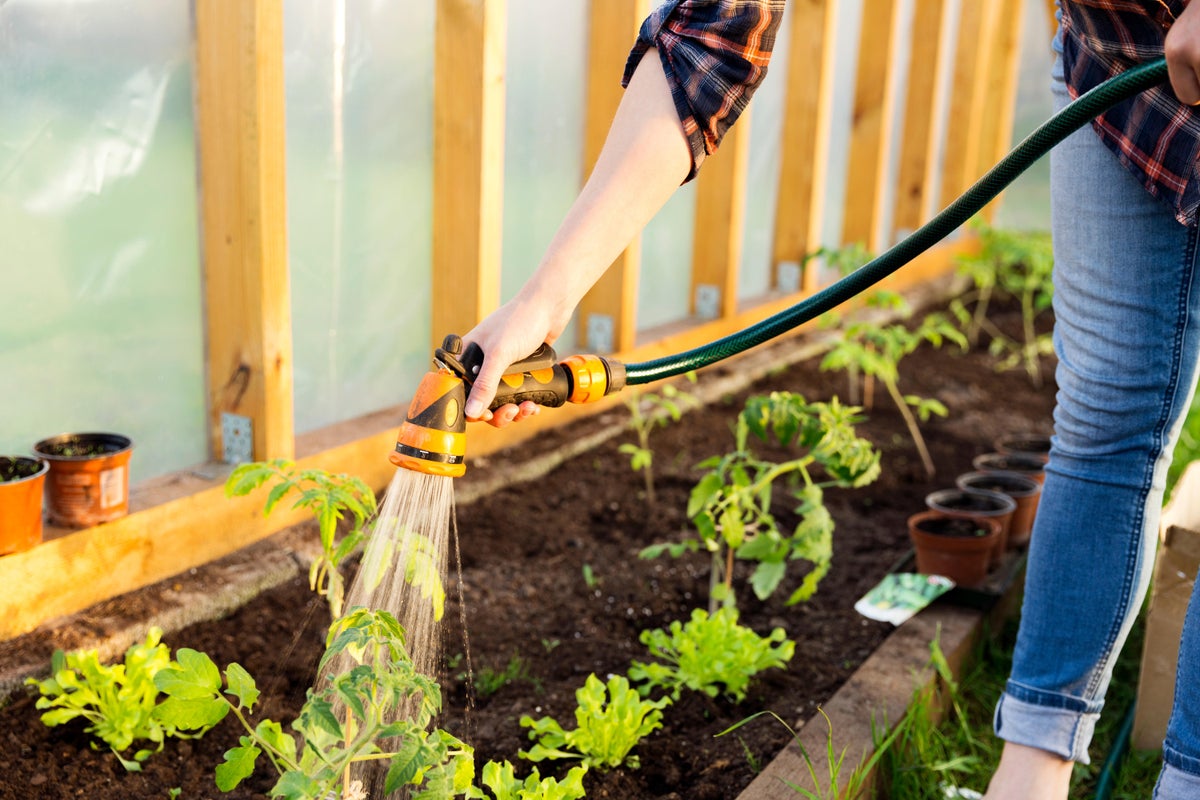
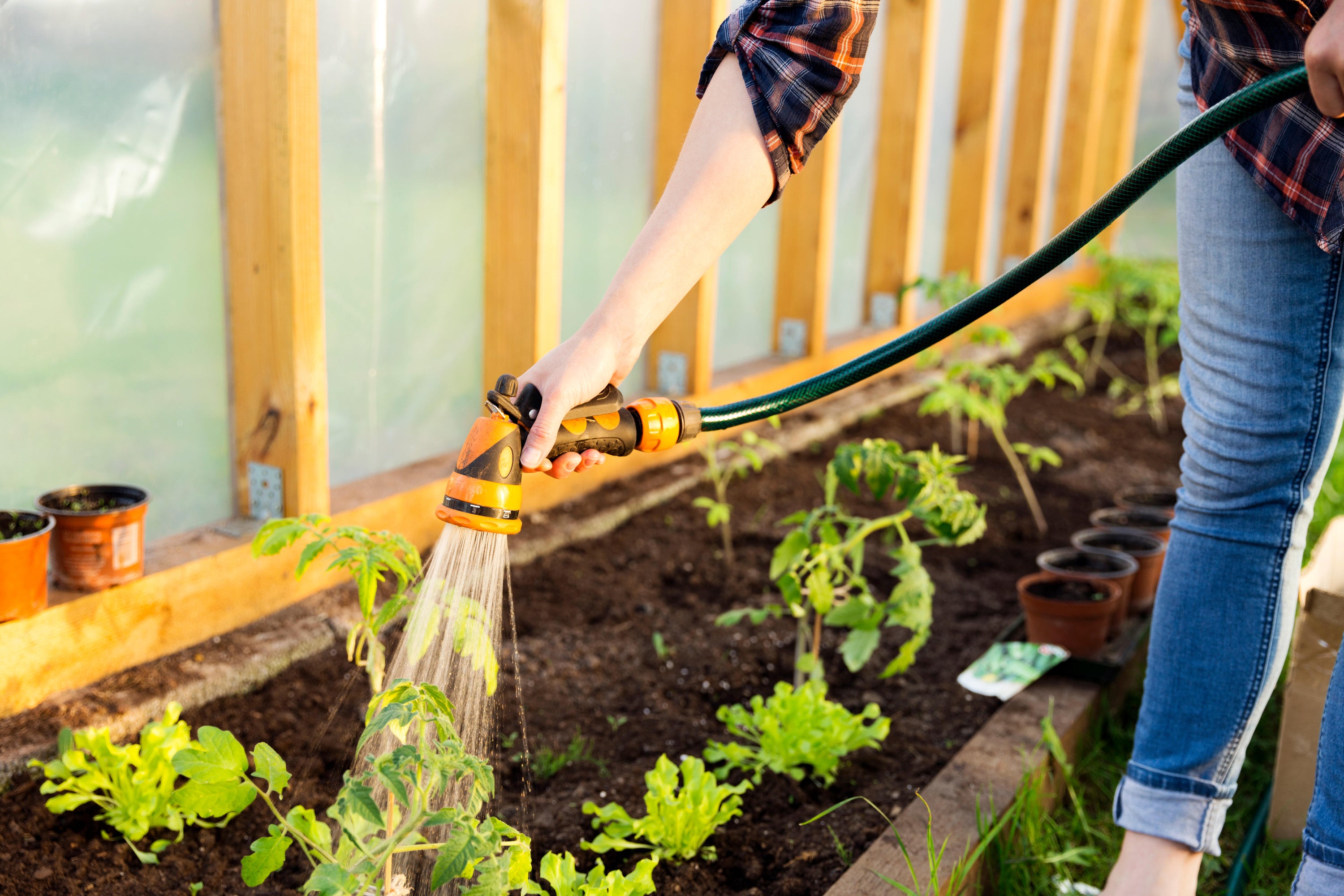
SWW has said people cannot use their hosepipes to water the garden, clean the car, patio or driveway, fill a paddling pool, swimming pool or hot tub, or clean walls, paths or windows.
Residents have responded with anger and a number said they would not be complying with the ban due to the price they pay for water.
Describing SWW as “incompetent”, Chris Rundle responded to an announcement about the ban on Facebook, writing: “So I take it South West Water will be cutting the bills to customers because they fail to supply the water they require.
“After all we pay South West Water for sewage treatment and all you do is dump that in the sea.
“Stop wasting the money we pay for water and sewage which is already the highest in the country on fat cat share holders and start spending it on infrastructure.”
 open image in gallery
In March, the BBC reported that data released by the Environment Agency showed that SWW was responsible for 46,164 spills in 2025, lasting 407,006 hours.
This was lower than 2024 but still the highest of any water firm in England, according to the BBC.
The same month, SWW pleaded guilty to a catalogue of pollution-related charges spanning six years across Devon and Cornwall.
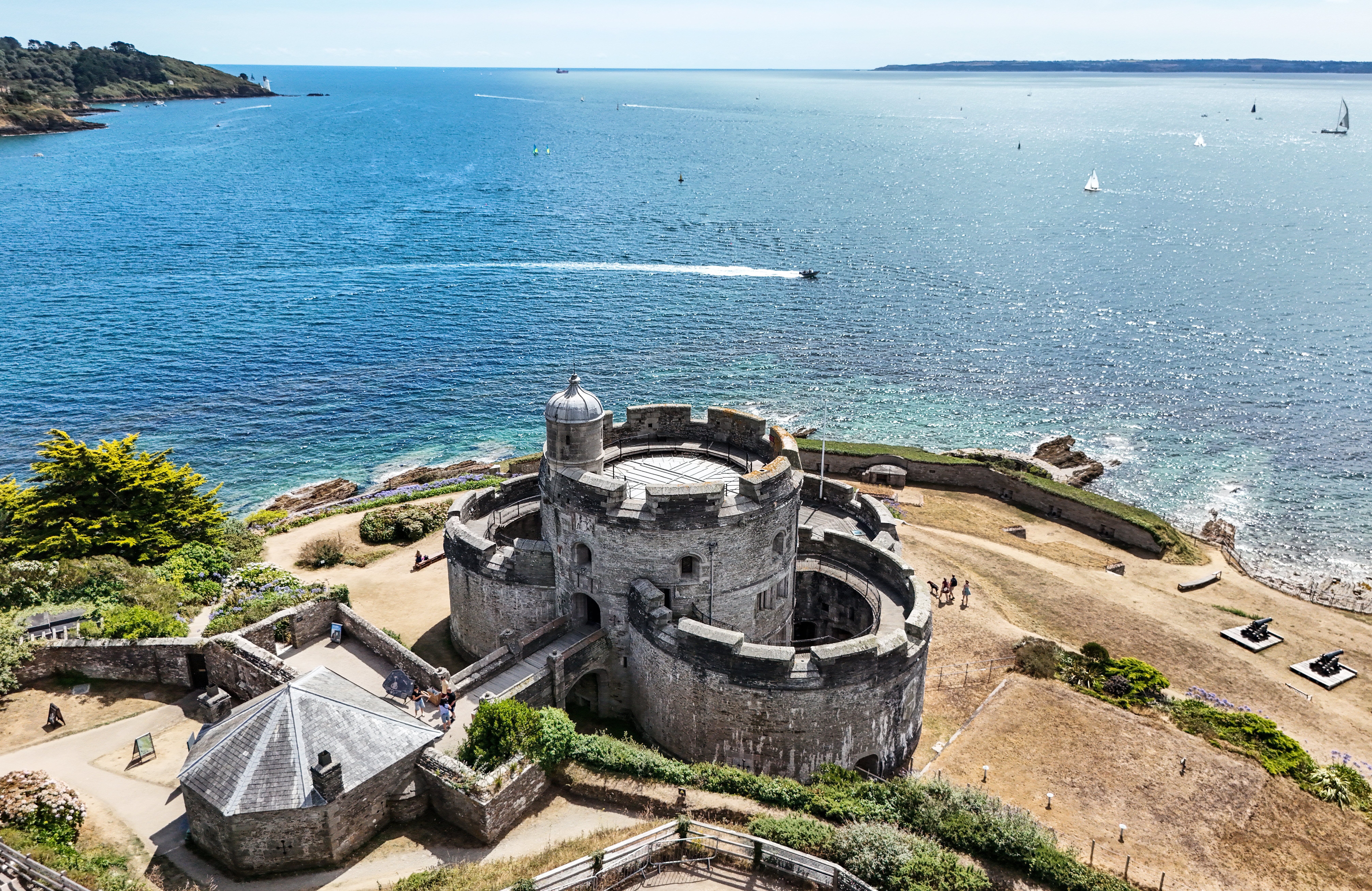
At SWW’s sewage works near Bodmin, there were 336 illegal spills in the seven years to March 2020. Sewage discharged into the River Camel, which is a special area of conservation, and is a key habitat for Atlantic salmon, bullhead and otters, the Environment Agency said.
On 231 occasions between January 2016 and July 2021, untreated sewage was discharged on to Harlyn beach, a location popular with locals and tourists.
And in June, South West Water was handed a record fine of almost £2m for supplying water unfit for human consumption after a parasitic outbreak in Devon.
The company pleaded guilty to an offence under s70(1) of the Water Industry Act 1991 over the contamination of water by cryptosporidium, a parasite which causes sickness and diarrhoea.
Exeter Magistrates’ Court heard there were 537 probable or confirmed cases of cryptosporidiosis, with at least 10 people admitted to hospital.
Responding to Mr Rundle’s comment, SWW said there would be no reduction in bills during the ban, adding: “We treat 97 per cent of everything that enters our wastewater network.
 open image in gallery
“Storm overflows discharge during hydraulic overload to prevent the flooding of homes, businesses and the streets.
“We have invested over £13 billion and are in a period of record investment, £3.2 billion from 2025-2030. We have seen a prolonged period of hot and dry weather, with record temperatures and rainfall well below seasonal averages over many months.
“Along with continuous high demand for water this has caused increasing pressure on reservoirs and available water resources.”
Sid Bulloch criticised water companies, including SWW, for a lack of construction of new reservoirs and the historic sale of them.
“We had one of the wettest winters on record with rain of biblical proportions”, he wrote. “And here we are with a hosepipe ban”.
Linda Grant made a similar point, writing: “Build more reservoirs and collect the rain fall that we had earlier in the year.”
Responding to Mr Bulloch, SWW said: “The reservoirs you mention being sold were service reservoirs, those that hold treated water for distribution to the local area. They were defunct and already replaced within the network.
“Holding reservoirs are those that capture raw water. These are incredibly costly in time, money and environmental impact.
“The primary reason more aren’t built is the ecological cost. They cause large areas of habitat to be lost, heavily impacting wildlife and plants. They can also require the relocation of people living too close, due to the risk to property.”
Last April, SWW customers’ average bills rose by 28 per cent, costing customers an additional 41 pence per day.
Lauren Chapman asked: “How much are our bills going to be reduced? As obviously if we aren’t allowed to use the water, I assume we won’t be paying for it.”
SWW responded by saying: “Water is continuing to be provided for essential use” as it reiterated it would not reduce charges.
SWW has been approached for comment.