


Redefining Lagos waste crisis
September 14, 2026 12:26 am

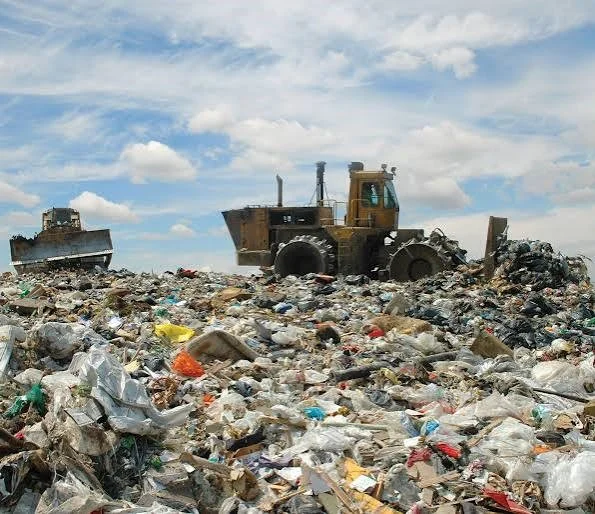
Refuse dumpsite. Photo: Premium Times
Odafe Great
Lagos is a city defined by its kinetic energy, economic prowess, and an unyielding spirit of enterprise. Yet, beneath the glittering skyline of its financial hubs lies a staggering, suffocating reality: an environmental emergency. Every day, the state generates over 13,000 metric tonnes of waste, a number that swells alongside our explosive population. From clogged drainage networks in frontline neighborhoods to plastic-choked coastlines, our current approach to waste management is failing. This makes Lagos sit on a time bomb waiting to detonate as it threatens our public health, devalues our premium real estate, and degrades our ecosystem.
For decades, we have viewed waste as an unsightly nuisance to be swept out of sight. This is a profound economic miscalculation. Globally, the circular economy is a goldmine. In Nigeria, the untapped value of our mismanaged waste, unrecovered plastics, and lost organic material represents an estimated $230bn economic leak. What we currently treat as an environmental hazard is, in reality, a massive, unexploited frontier for wealth creation, green jobs, and sustainable industrialisation.
The transition from a linear “take-make-waste” model to a high-yield circular economy cannot happen through government policy alone. It requires radical, grassroots civic action. Last weekend, we put this philosophy to the test. Driven by a shared refusal to watch our natural heritage decay, I mobilised a dedicated team of 10 volunteers, myself included, to clean up Tarkwa Bay Island.
Tarkwa Bay, historically a pristine haven for recreation and tourism, has increasingly become a catchment area for the ocean’s plastic crisis. In a matter of hours, our small team rolled up our sleeves and extracted heaps of refuse from the shoreline. During the exercise, I had the privilege of speaking directly with the Beach Master about our long-term vision for the island. We discussed the critical necessity of establishing a proper, localised collection site and operating well-managed landfills. Without these structural interventions, our beaches will remain transient dumping grounds, and our vital marine waterways will continue to choke under plastic pollution.
Our conversation underscored a sobering truth: beach cleanups are vital for raising awareness, but they are a temporary bandage on a systemic wound. We cannot just clean up the waste; we must prevent it from reaching the water in the first place.
This realisation is why we are scaling our efforts from a one-off weekend intervention into a permanent, structured establishment. We are building a community and an enterprise dedicated to turning this national crisis into an organised, sustainable asset class. By introducing localised, tech-driven collection systems, community-level sorting, and value-added recycling loops, we aim to bridge the gap between waste generation and economic recovery.
However, solving a challenge of this magnitude requires a coalition of the willing, particularly from Nigeria’s elite. To our business leaders, corporate titans, and intellectual community: environmental sustainability is no longer a corporate social responsibility checkbox or a niche charity project. It is a critical imperative for human survival and economic stability. The air we breathe, the water table we rely on, and the health of the workforce driving our economy depend entirely on the state of our environment. A wealthy society living in an ecological wasteland is an unsustainable paradox.
We are calling on forward-thinking investors, policymakers, and civic leaders who refuse to accept mediocrity in our living conditions. The elite must lead the vanguard for a cleaner Earth, not just by funding initiatives, but by championing sustainable lifestyles, investing in green infrastructure, and supporting structures that transform waste from a liability into a resource.
Lagos has proved time and again that it can turn systemic challenges into global success stories. Our waste crisis is no exception. By shifting our perspective from managing waste to capturing value, we can secure a healthier, more prosperous future for everyone. The work has already begun on the sands of Tarkwa Bay. It is time for the rest of the nation to join us.
Great, the founder of EhizzHomes and No.1 Services, writes from Lagos and can be reached at 09015941625
All rights reserved. This material, and other digital content on this website, may not be reproduced, published, broadcast, rewritten or redistributed in whole or in part without prior express written permission from PUNCH.
Contact: [email protected]