


Recurring incidence of Lassa fever, diphtheria
September 13, 2026 1:40 am
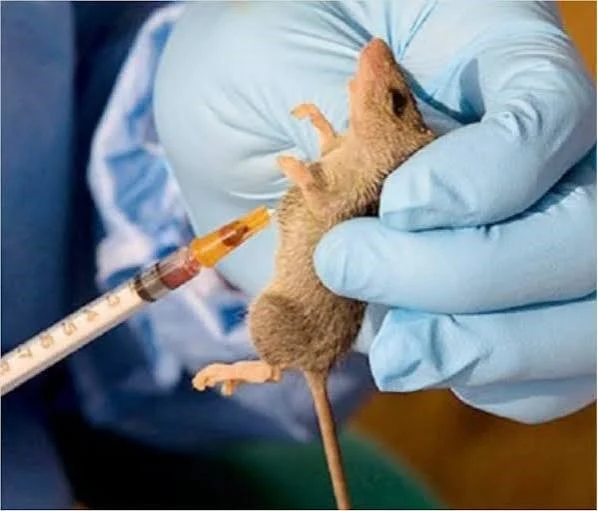
File photo: Lassa Fever
LASSA fever and diphtheria are, again, wreaking havoc across many homes in Nigeria. This is unfortunate.
As of September 11, the diphtheria death toll in Plateau State had risen to 27, most of which were in Jos North Local Government Area. The number of suspected cases has more than doubled to 303. Suspected cases reportedly rose to 303 from 149.
These numbers are alarming.
Across the country, Lassa fever deaths reportedly stand at 252, with 1,035 confirmed cases across 23 states and 117 local government areas.
Year after year, Nigerians are dying from diseases that can be prevented, contained or treated when detected early. This is precisely what is happening with Lassa fever and diphtheria in the country.
One of the victims in Jos had reportedly memorised the entire Koran and was preparing to sit the senior secondary school exam next year. It may take a while for the family to overcome this loss.
This is why the authorities must act fast and contain the scourge. Nigeria must stop treating recurring outbreaks of Lassa fever and diphtheria as inevitable seasonal occurrences. They are public health emergencies that require sustained, coordinated and urgent action. Further casualties must be avoided.
In Katsina, diphtheria has spread to 29 of the state’s 34 LGAs, with health authorities confirming that about 150 patients have been admitted and 29 deaths recorded.
Kano is also confronting the disease. The Federal Government has supplied 650,000 doses of diphtheria vaccine to the state, but the Centre for Disease Control in the state insists it needs at least nine million doses to mount an effective response across all 44 LGAs. The scale of the gap is worrisome.
Supplying vaccines is necessary, but supplying too few vaccines in the face of a widespread outbreak cannot be considered an adequate response.
Diphtheria is preventable by vaccination. That is why every avoidable death is especially painful.
In affected communities, most parents were typically unaware of the symptoms and started treating sore throats, fevers, and coughs. Some families turned to herbal remedies. But by the time the disease was recognised, treatment came too late.
It was only after her son’s death that a mother in Jos North learnt that he had diphtheria.
Another father said his daughter first developed a sore throat and had difficulty eating. But by the time she was eventually taken to hospital, diagnosed and isolated, it was too late.
This is the grim cost of delayed diagnosis, inadequate awareness and gaps in access to life-saving treatment.
Communities must know what symptoms to look out for and where to seek help. Parents must understand the importance of completing routine childhood immunisation, while health workers must be able to recognise suspected cases quickly.
Health authorities in Plateau report having difficulties in confirming suspected diphtheria cases because specialised containers for collecting samples are unavailable. They are also concerned about inadequate diphtheria antitoxin, saying that this is one major challenge.
This is compounded by the fact that many patients present late.
Diphtheria is a medical emergency, and the toxin produced by the bacteria can damage the heart, nerves and other organs. Early presentation is therefore critical.
Nigeria must strengthen the entire response. In addition to prevention measures and public education, it must step up surveillance, diagnosis, treatment and follow-up.
Cuba offers a reliable template on this.
Lassa fever presents another grave and recurring challenge.
Nationwide, 252 deaths have been recorded, with 1,035 confirmed cases reported across 23 states and 117 LGAs. The case fatality rate of 24.4 per cent is higher than the 18.6 per cent recorded during the same period in 2025.
Ondo, Bauchi, Edo and Benue remain among the states carrying the heaviest burden, while other states have also reported infections.
Young adults between 21 and 30 years are reportedly the most affected group, while healthcare workers have also been infected.
Unlike diphtheria, there is currently no vaccine for Lassa fever. But the absence of a vaccine does not mean there is nothing Nigeria can do.
Lassa fever can be prevented and its impact reduced through public awareness, environmental sanitation, rodent control, and safe food storage. Early detection and prompt treatment are equally critical. Health workers must also be adequately protected and equipped.
Recurring Lassa fever outbreaks should compel the Nigerian authorities to invest more seriously in prevention rather than repeatedly scrambling to respond after cases and deaths have mounted.
As in diphtheria cases, communities also need sustained education on how Lassa fever spreads. Rodents must be kept away from homes and food, while safe food storage and maintaining clean surroundings must be observed.
Health workers need adequate personal protective equipment, training and infection-prevention measures.
Suspected cases must be identified and referred promptly, particularly because early treatment can significantly improve outcomes.
For years, the country has experienced repeated outbreaks of infectious diseases, often exposing the same weaknesses: poor vaccination coverage, inadequate surveillance, shortages of essential medicines, weak laboratory capacity, insufficient public awareness and difficulties reaching people in insecure or remote communities.
To compound these woes, Nigeria has often displayed a disturbing disinterest in funding the health sector.
Health Minister Ali Pate once lamented that out of N218 billion approved for 2025 capital health projects, only a paltry N36 million was disbursed.
These weaknesses are not abstract policy problems. They can be the difference between life and death.
Vaccines must be acquired in sufficient quantities.
The federal and state governments must treat routine immunisation as a national priority, not a programme that receives attention only during outbreaks.
Every eligible child should have access to the recommended vaccines regardless of where he or she lives.
Where insecurity, displacement or difficult terrain prevents access, authorities must devise special strategies to reach those populations.
The reported 835,000 diphtheria vaccinations achieved in Kano this year demonstrate that progress is possible. But the state government’s estimate that nine million doses are needed also illustrates the enormous scale of the gaps that must be filled. Vaccination campaigns must be sufficiently funded and supplied to match the size of the population at risk.
Traditional rulers, religious leaders, teachers, community health workers and civil society organisations must also be brought fully into the response.
Community-wide orientation and education interventions must strenuously discourage self-medicating or resorting to herbalists when symptoms of these diseases are noticed. Vaccination must be stressed, and families persuaded to seek proper medical attention early.
A child with a sore throat and fever should not automatically be assumed to have malaria. A person with Lassa fever symptoms should not wait until the illness becomes severe before seeking medical care.
The government must ensure that the hospitals are equipped with essential medicines, antitoxin, diagnostic materials and trained personnel. It is not enough to tell parents to vaccinate their children if vaccines are unavailable.
Every child who dies from a vaccine-preventable disease represents a failure somewhere in the prevention chain. Every Lassa fever death should prompt questions about whether the infection could have been detected earlier, whether treatment was available and whether the family had adequate information about prevention.
Nigeria has mourned too many victims of Lassa fever and diphtheria. More families should not have to endure the pain of burying loved ones from diseases that can be prevented or successfully managed when the right measures are taken early.
All rights reserved. This material, and other digital content on this website, may not be reproduced, published, broadcast, rewritten or redistributed in whole or in part without prior express written permission from PUNCH.
Contact: [email protected]