


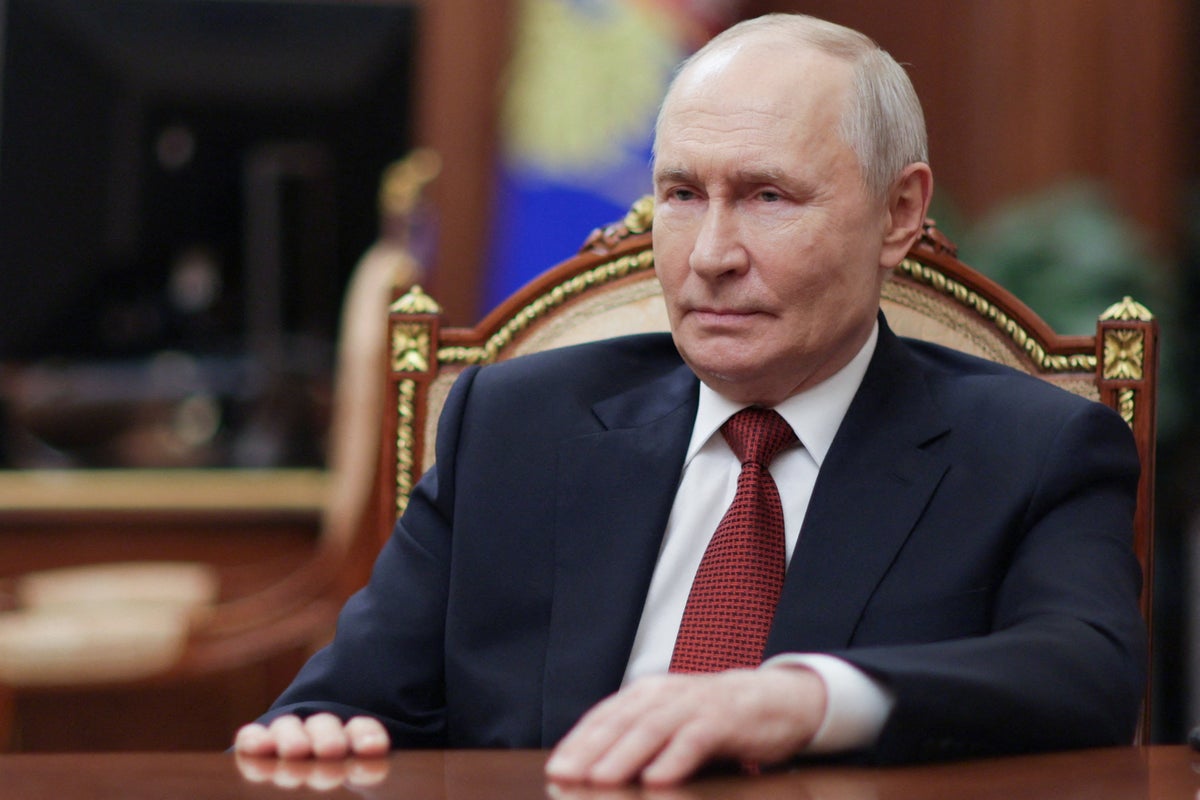
When Vladimir Putin spoke to a state TV reporter, few expected him to make such a frank admission about his flagging invasion in Ukraine.
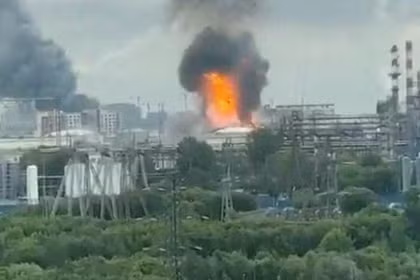
Speaking just hours after Ukraine hit another oil refinery in the southern Krasnodar region on Sunday, Putin said that Russia was facing “problems” due to repeated attacks on infrastructure that have sparked fuel shortages across the country.
Ukraine has intensified strikes on refineries, depots and supply routes in recent months as part of an audacious strategy using cutting-edge long-range drones. Queues have been seen at petrol stations across Russia, while fuel rationing has been implemented in regions including occupied Crimea and Siberia.
Follow the latest updates here
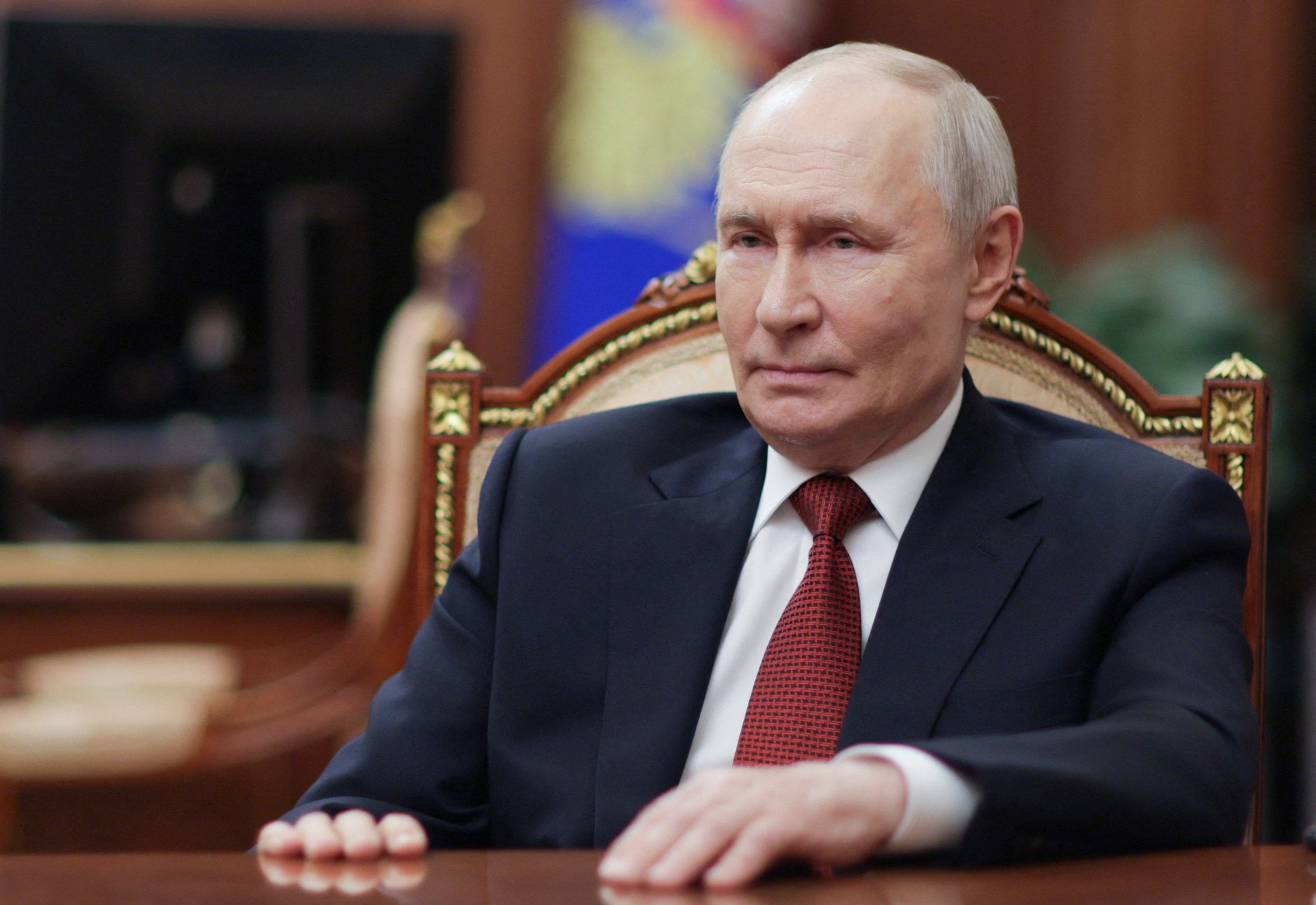
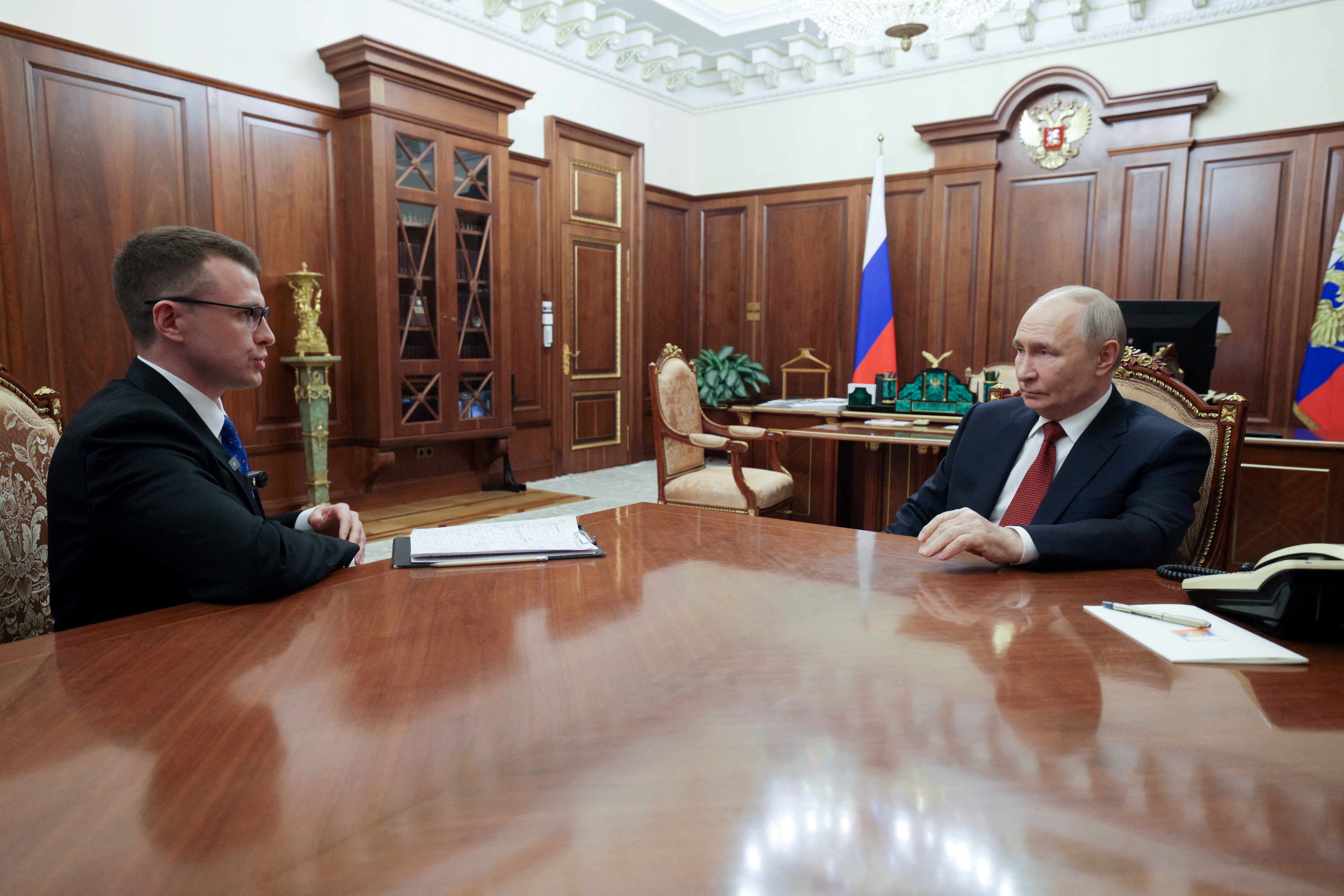
“As for strikes against critical infrastructure in general, and energy infrastructure in particular, of course these attacks on our infrastructure facilities create problems, that’s obvious,” said Putin in an interview published by the Kremlin.
“Right now we’re observing a certain shortage, but it’s not critical.”
 open image in gallery
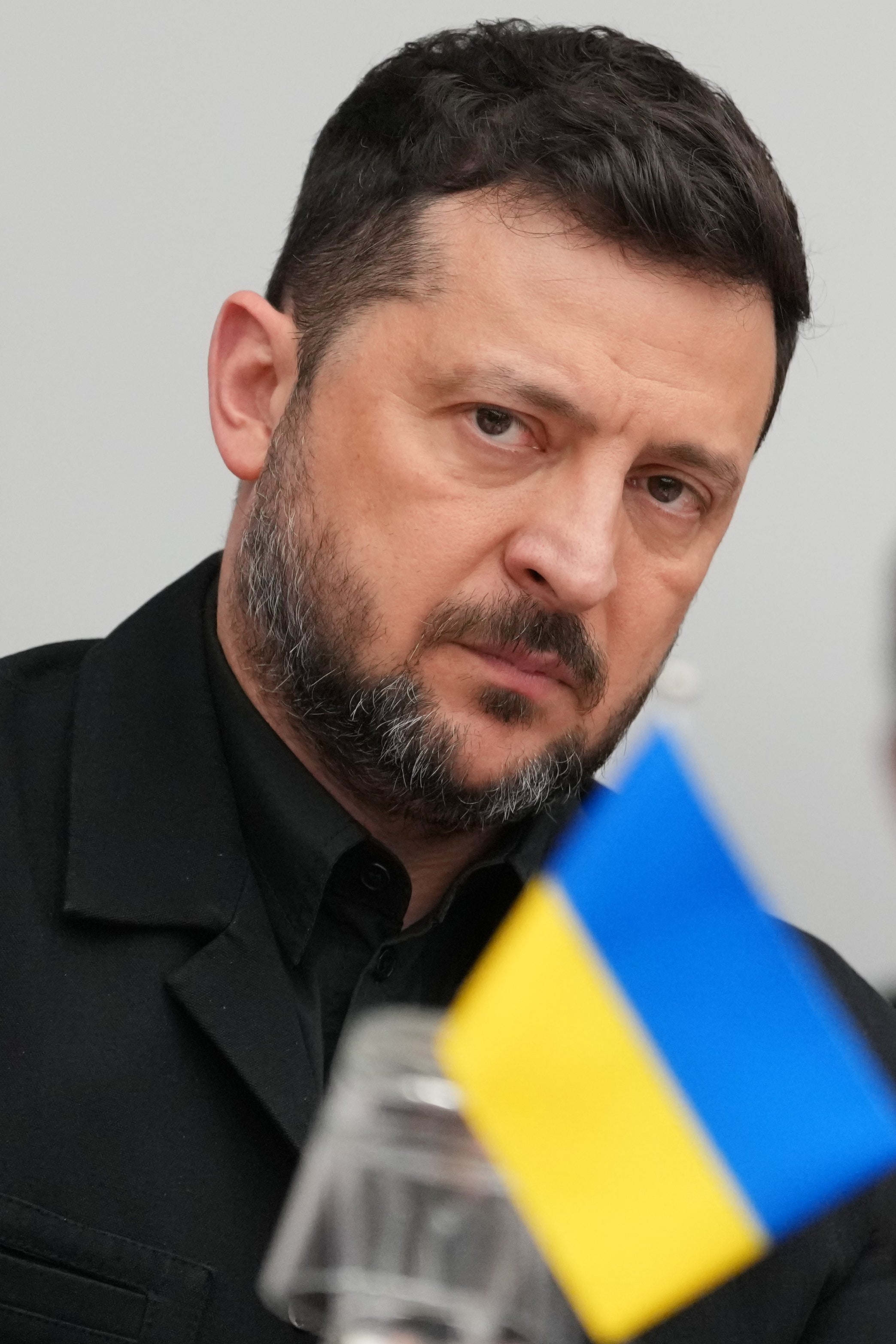
The fuel shortages have led to growing public discontent, giving Kyiv the upper hand as Ukrainian president Volodymyr Zelensky and European leaders push for renewed peace talks.
Faced with a sluggish economy after four years of conflict, experts tell The Independent that Putin can no longer hide the critical shortcomings in Russia’s air defences.
“Putin is gradually being forced to publicly admit more and more about the reality of the war. In that respect, Ukraine’s long-term aim of bringing that reality home to Russians across the country is beginning to succeed,” says Keir Giles, associate fellow of the Russia and Eurasia Programme at Chatham House and an expert on the Russian military.
The Russian leader is now going to be “faced with harder and harder choices”, he says.
 open image in gallery
“All of this means he may eventually accept what has been obvious for some time: that Russia has more to gain from freezing the conflict than from continuing to fight if current trends persist,” he adds.
Analysts estimate that more than a fifth of Russia’s total refining capacity may have been knocked offline already, and the International Energy Agency (IEA) reported last week that Russian crude oil production dropped around 5 per cent year-on-year last month due to the strikes.
“This level of disruption is unprecedented in the history of the Russia-Ukraine conflict,” the IEA said in its June report.
In the same interview, Putin sought to place the blame for Russia’s economic woes on Western sanctions.
“Russia is facing harsh, and without any exaggeration, unprecedented pressure from Western elites,” he said. “They cannot inflict a strategic defeat on us or defeat us on the battlefield, so they are trying to destabilise the political situation and sow internal unrest.”
But he said they are “failing” which is “why they continue to encourage the Kyiv regime [the Ukrainian government].”
 open image in gallery
Russian-occupied Crimea has been especially hard-hit by Ukrainian drone attacks. Authorities declared a state of emergency late last week after strikes led to widespread power outages and fuel shortages.
“[Putin] is clearly under pressure,” says John Lough, head of foreign policy at the New Eurasian Strategies Centre, noting that the fuel shortages have triggered panic-buying.
“Russia’s air defences are not doing their job, so there is a risk that the problem will become more acute,” he says. “You add to that Crimea, which the Ukrainians are continuing to hit hard, and two crises could come together.
“If the situation on the peninsula worsens, more people flee and the supply problems start to more seriously affect the Russian army’s operations in Ukraine, the regime could find itself in greater difficulty.”
 open image in gallery
But whether this sustained pressure can be enough to force Putin to bring an end to the war is another question entirely, according to analysts. For now, Putin has not given a clear indication that he is prepared to make any concessions to Ukraine.
Although Putin is being forced to admit the reality of the war, Mr Giles says: “There is a long way between that and forcing any kind of reassessment by Putin of his war strategy.”