


Politeness is putting some people at risk of scams, with more than half (53%) of adults having remained on an unexpected phone call in the past year for longer than they wanted to, according to an anti-fraud body.
The Take Five to Stop Fraud campaign, which commissioned a survey, found nearly a third (32%) of people said concerns about seeming rude would contribute to them feeling uncomfortable about halting a conversation.
Take Five’s campaign is warning people that fraudsters will try to exploit people’s politeness in order to keep conversations going, so they have a longer opportunity to build trust, apply pressure and influence people’s decisions.
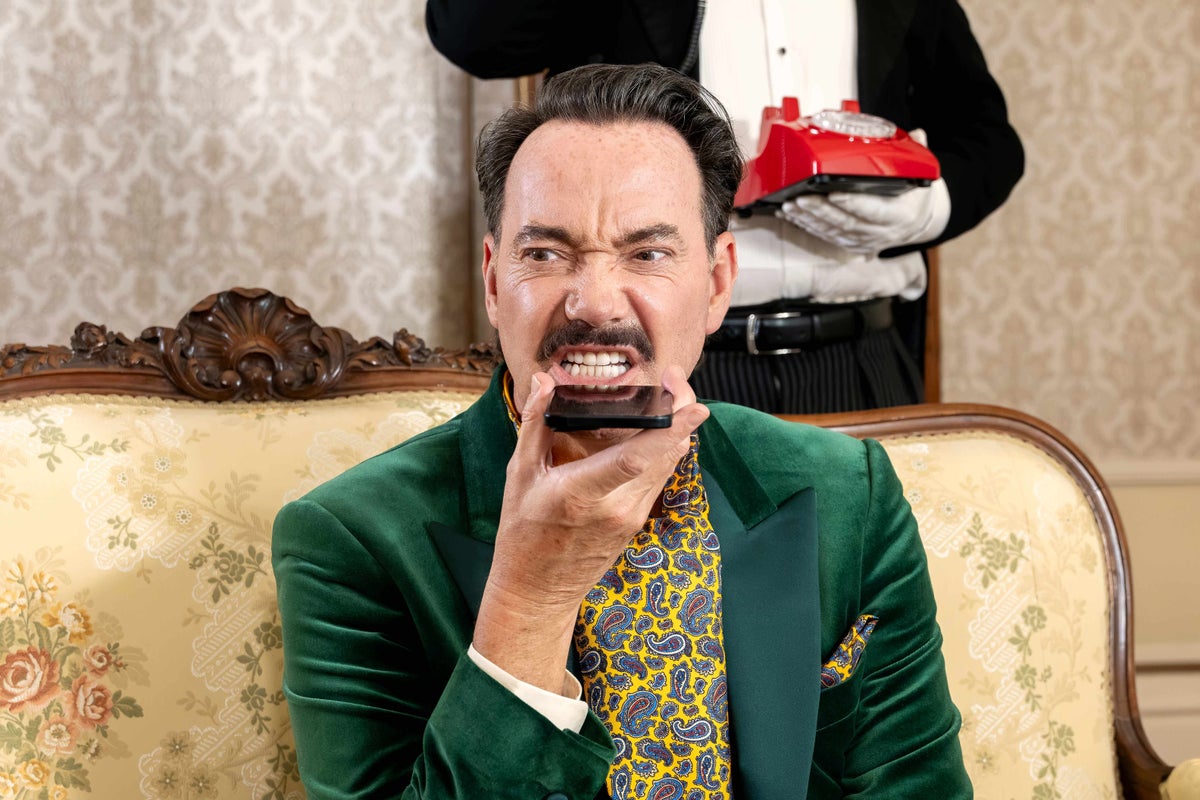
Backed by Strictly Come Dancing judge Craig Revel Horwood, the campaign is encouraging people to resist the instinct to always be polite.
He said: “People know I’m not afraid to tell it like it is.
 open image in gallery
“Some would say I could do with a few more manners myself.
“But when it comes to fraud, being a bit rude is exactly the right thing to do.
“If someone unexpectedly asks for your money or personal information, don’t feel obliged to keep the conversation going.
“It’s perfectly acceptable to stop, take your time and check they’re really who they say they are.
“You don’t owe anyone your time just because they asked for it.”
More than nine in 10 (93%) people surveyed said they were brought up to be polite to people they do not know, according to the survey of 2,000 people across the UK carried out by Opinium Research in July.

Get a free fractional share worth up to £100.
Capital at risk.
Terms and conditions apply.
ADVERTISEMENT
Get a free fractional share worth up to £100.
Capital at risk.
Terms and conditions apply.
ADVERTISEMENT
Fraudsters will use unexpected phone calls, doorstep conversations, emails and messages to build trust, create urgency and pressure people into sharing personal information or sending money.
More than a quarter (26%) of people surveyed feel uncomfortable questioning someone claiming to represent a public organisation or essential service provider such as a bank, the police, HM Revenue and Customs (HMRC), a delivery company or a utility provider.
But criminals will often pretend to be from trusted organisations to trick people into handing over money.
Some £92.4 million was identified as being stolen by criminals through impersonation scams last year, according to UK Finance figures.
Jess Cook, a spokesperson for Take Five to Stop Fraud, said: “Criminals know it can feel uncomfortable to end a conversation abruptly or question someone claiming to represent a trusted organisation.
“They exploit our instinct to be polite to keep us engaged for longer, and every extra minute gives them more opportunity to build trust, create urgency and persuade us to hand over money or personal information.
“The ‘art of impoliteness’ is about giving people permission to put protection before politeness.
“If someone unexpectedly asks for your money or personal information, stop the interaction.
“Hang up, shut the door, or simply say no. Then verify independently using contact details you trust.
“Any genuine organisation won’t mind you taking the time to check it’s really them.”
Take Five to Stop Fraud is led by UK Finance, in partnership with the banking and financial services sector.
The Take Five to Stop Fraud campaign urges people to:
Stop – You have the right to stop and think before parting with your money or information. It could keep you safe.
Challenge – Hang up, shut the door, close the email or simply say “no”. Only criminals will try to rush or panic you.
Protect – Contact your bank immediately if you think you have been scammed and tell the police.