


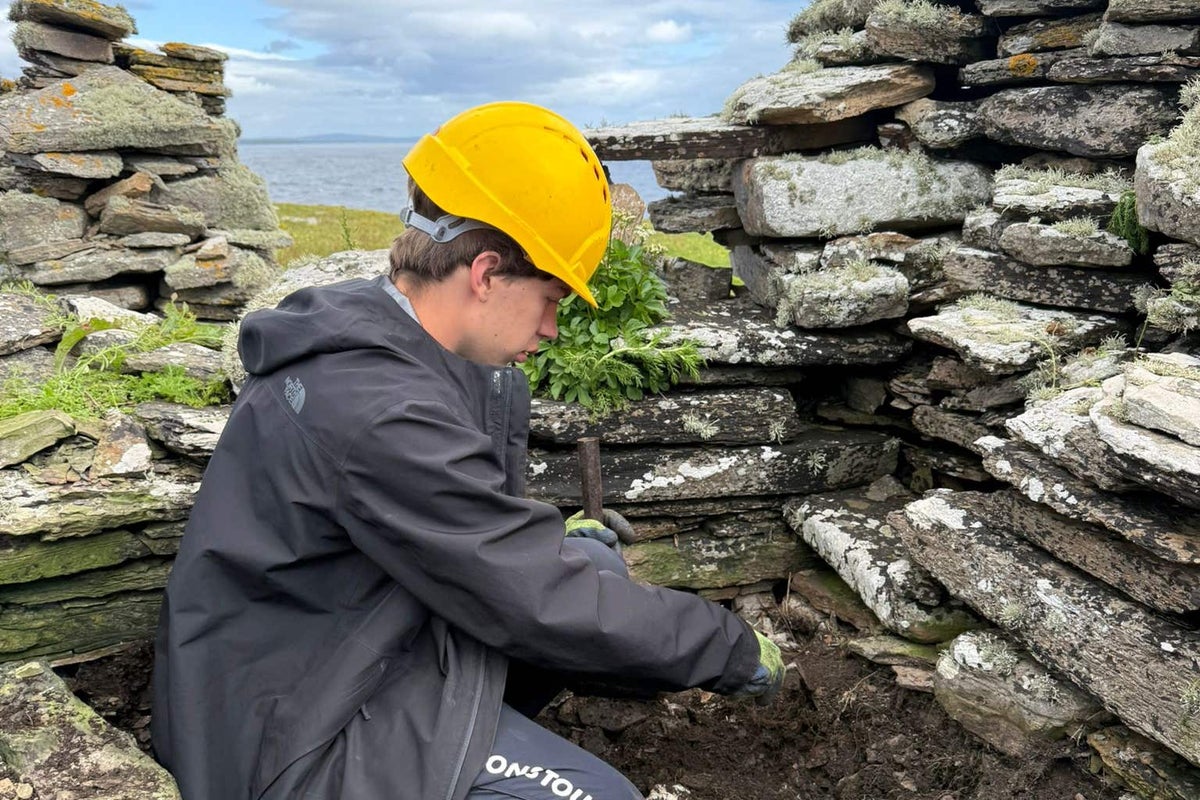
A group of students from the school The King attended, have discovered the remains of what is thought to be a medieval Viking church on an uninhabited Scottish island.
Students and staff from Gordonstoun, a private school in Moray which the King attended, made the discovery on an archaeological field trip to Swona, a tiny Orkney island where only feral cattle live.
The building thought to be a church bears similarities to other Viking churches from the 10th and 11th centuries.
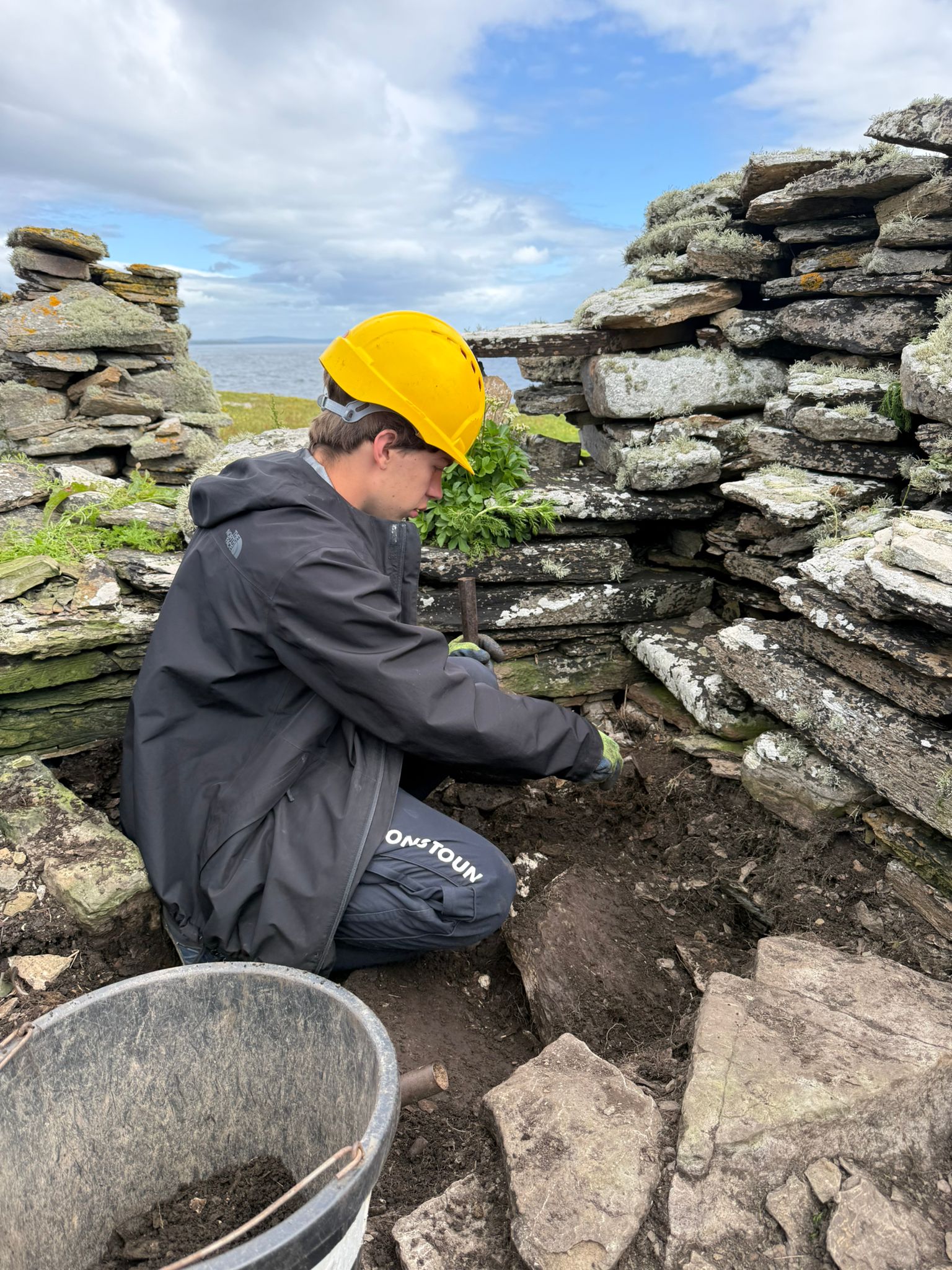
The children worked with professional archaeologists from the Orkney Research Centre for Archaeology (Orca) to uncover the remains during a recent six-day trip.
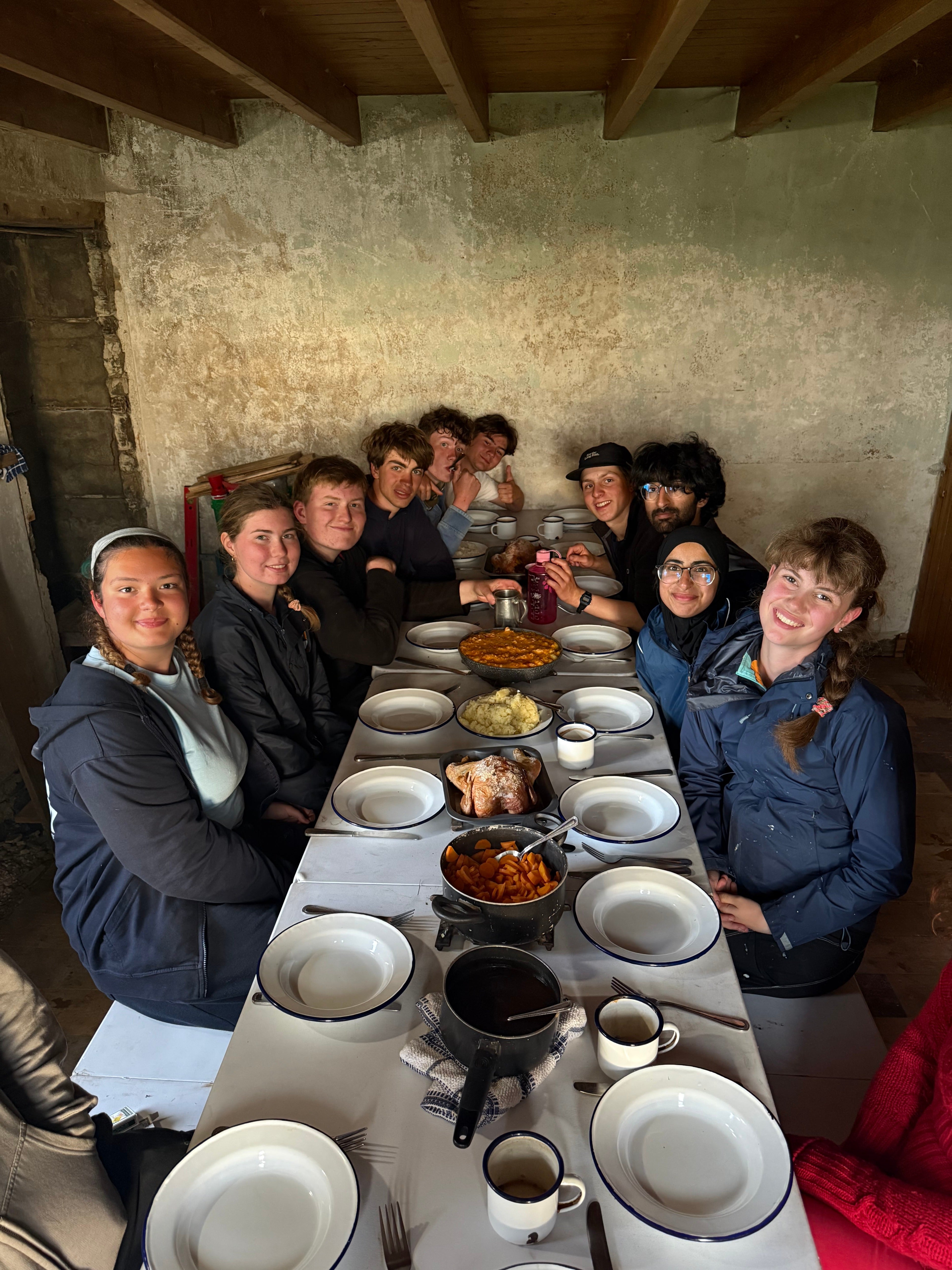
During the excursion they stayed in an abandoned house which had not been lived in for a century, with no electricity and fresh water pumped from an ancient well.
 open image in gallery
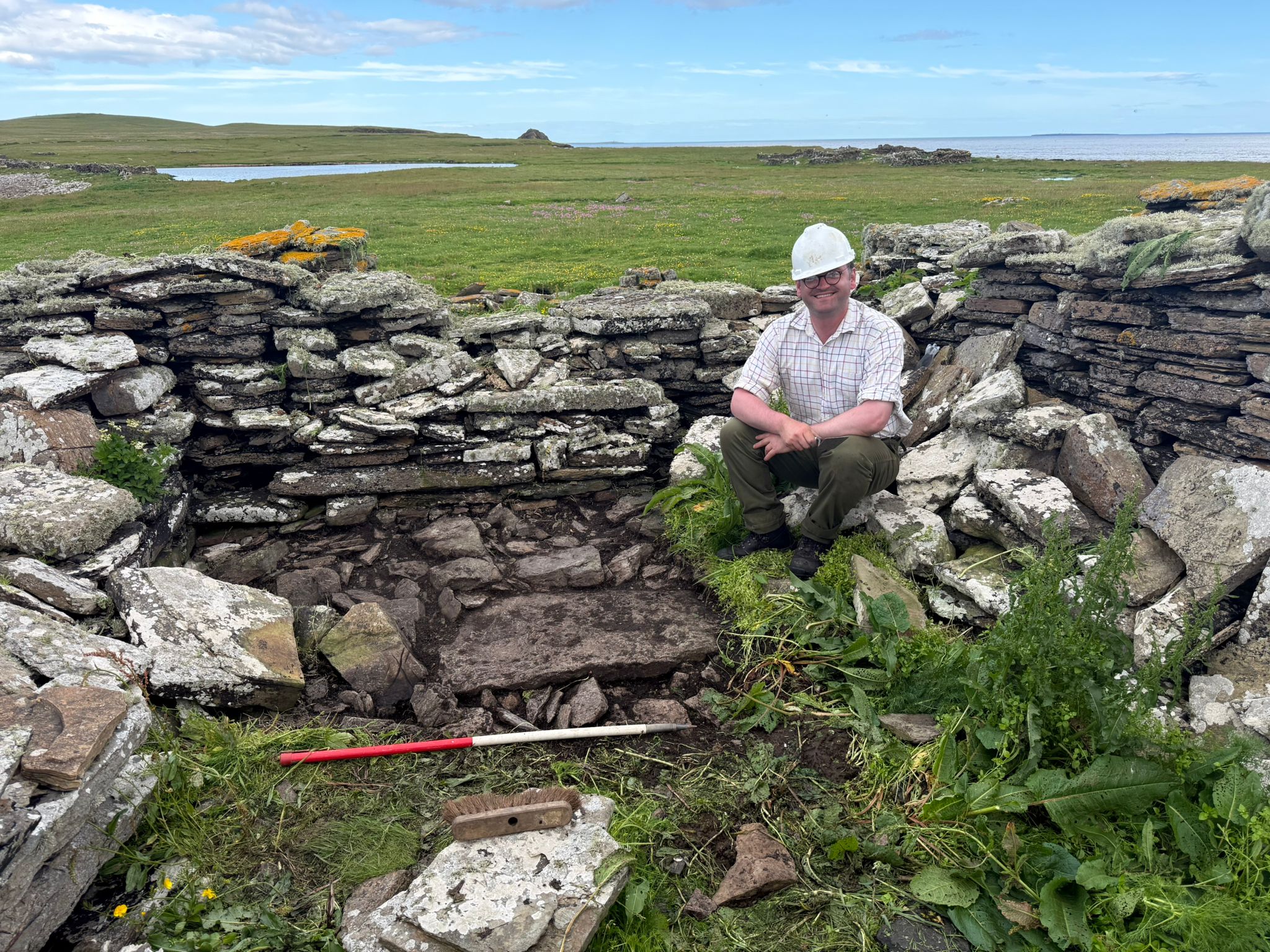
The remains of the church, including what is thought to be the foundation for its altar, were found beneath a more recent building on the island.
It is hoped that radiocarbon dating of samples taken by the pupils will offer more conclusions about the medieval structure.
The trip to Swona was organised by Dan McLean, a housemaster at Gordonstoun supporting pastoral care for the students.
He said: “The only real hint about a church being on the island is a map reference to a ruin known locally as the ‘Twinly Kirk’.
“Once I had identified the site, it first appeared that the remaining church walls were of a more recent building, as they have been added to over the years.
“However, after we worked with the archaeologists to dig a test pit and clear away the weeds, we discovered a step just under the surface, leading to what would have been the church’s altar.
“There are other clues, such as the construction method, layout and orientation.
“Another clue was that it was dry stone, and there was no clay bonding or mortar. There are also cairns nearby and a wall that blocks access to a landing point.
“It was a special moment to confirm to the students that they had helped to uncover a piece of Viking history that could be up to 1,000 years old.”
 open image in gallery
Ten pupils from the school took a 10-hour trip to reach Swona, which is about seven miles north of John O’Groats.
Some of them also took part in restoration work on the island, replacing the flooring of the old crofting cottage in which they stayed.
The pupils explored a probable prehistoric settlement in the centre of the small privately-owned island, and a circular ditch believed to have been the site of a Viking warning beacon.
Paul Clark, Orca’s senior project manager, said: “Swona has a long and rich history dating back thousands of years, although until this summer it has been the subject of very limited investigation.
“The students showed great enthusiasm getting involved in the dig and it was an exciting moment for everyone when we discovered the remains of what we believe is an early medieval chapel.
“The next step is to look at the samples we took, to see what they can tell us about the activity undertaken at the chapel, and hopefully recover material suitable for radiocarbon dating.”
Student Archie Maclean, 17, said: “The hardest challenge was dealing with the sun and hot temperatures.
“An average day on the island would be waking up at about 8am and getting breakfast before cleaning the dishes at the beach and then finishing for dinner around 6pm.
“Then the archaeology team would either be doing magnetometry or digging and the house repair team would be fixing the house.
“The archaeology dig was the most enjoyable part of the trip, being able to discover history in real time was incredible.”
 open image in gallery
Fellow pupil Iona Fell said: “What I enjoyed most was the strong sense of community within the group and how quickly we became a team. Living and working so closely together created a really special atmosphere.
“I also appreciated the simplicity of daily life on Swona. Being outdoors, cooking together, and even sourcing our own food made everything feel very real and grounding.
“One of the most memorable moments for me was leaving a small plaque in the floor of a room we had worked on.
“It felt like a meaningful way to leave something behind and be part of the island’s ongoing story, which made the whole experience even more special.”