



The failure of a private hospital to provide preventative medication contributed to the death of Sir Richard Branson’s wife, an inquest has concluded.
Lady Joan Branson, 80, died on November 24 after suffering a cardiac arrest at the private Lister Hospital in Chelsea, west London, which is owned and operated by HCA Healthcare.
Westminster Coroner’s Court heard on Wednesday that her death was caused by a pulmonary embolism — a sudden and dangerous blockage in a lung artery — stemming from deep vein thrombosis.
The virtual inquest was told that Lady Joan was admitted to the hospital on November 17 following a fall weeks earlier on Necker Island, the private luxury retreat in the Caribbean’s British Virgin Islands owned by her billionaire husband.
Lady Joan had described the fall to her GP as “tripping over some slippers by the bed”, resulting in sustained fractures to her pelvis and right hip, the court heard.
Haematologist Dr George Adams told the inquest that Lady Joan was at “extremely high risk” of developing blood clots, stating that the “biggest risk factor by far was her immobility and her fracture”.
 open image in gallery
However, the Glasgow-born patient received no prophylactic anticoagulation — the preventative treatment used to stop dangerous blood clots from forming — between her hospital admission and her death.
Dr Adams said he believed this contributed to her death, saying prophylactic anticoagulation “reduces the number of clots and the size of those clots”, adding: “More likely than not, it would have reduced the chances of her having a fatal pulmonary embolism.”
The Imperial academic, who was not involved in Lady Joan’s care, added that “appropriate anticoagulation” would have “probably prevented her from dying”.
Professor Fiona Wilcox, senior coroner for Inner West London, described Lady Joan as a “wonderful woman” who was “unfailing kind”.
Giving her conclusion, Professor Wilcox said it was “not a case of neglect” and there “wasn’t an absence of treatment”.
The coroner said Lady Joan did not receive prophylactic anticoagulants at the hospital despite a “very high risk of developing deep vein thrombosis”.
Giving her conclusion, the coroner said: “I do find her death would have likely been prevented and the lack of anticoagulation did cause or contribute to her death probably.”
Lady Joan also did not receive an immediate Venous Thromboembolism (VTE) assessment to check her risk of developing harmful blood clots, the inquest heard.
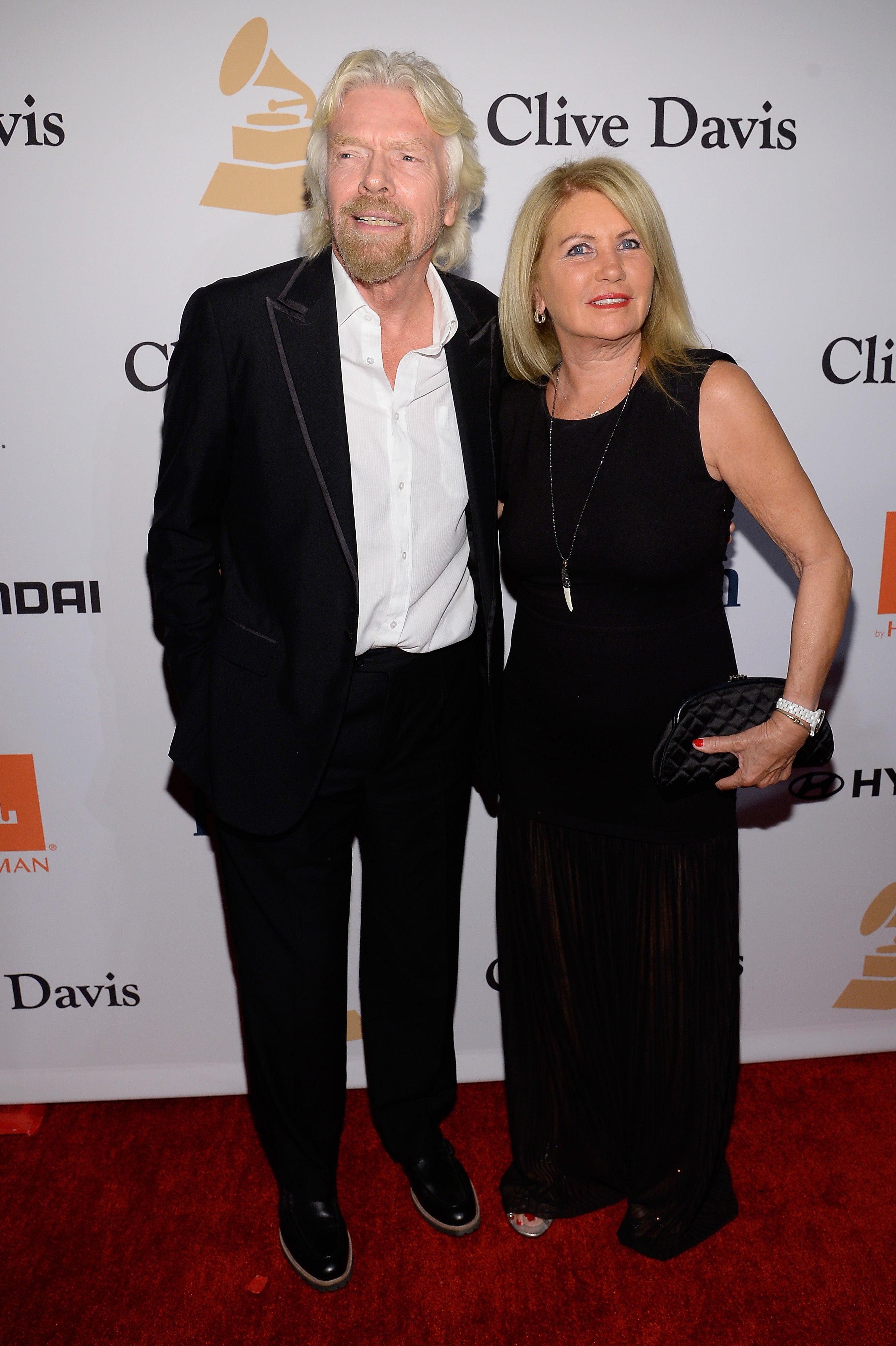 open image in gallery
Dr Adams said “any patient who comes into hospital should have an immediate VTE assessment to determine their risk of bleeding”.
Lady Joan’s daughter, Dr Holly Branson, told the inquest that her mother also did not have Thrombo-Embolus Deterrent stockings – which are designed to prevent deep vein thrombosis by promoting blood flow in the lower legs – for the first 48 hours after being admitted.
The hospital’s admitting doctor, Dr Basir Kunduzi, did not complete a bleeding risk assessment on the day of her admission, the inquest heard.
Dr Kunduzi said Lady Joan “should have been on anti-coagulants” and her death led him to “reflect on my role as a doctor” and the importance of “good communication between team members”.
Resident medical officer Dr Nevil Pavithran told the inquest that Lady Joan “should have received her first dose of anticoagulation prophylaxis within 12 hours of admission”, adding this not occurring caused a “significant risk”.
The doctor said he had “spent quite a lot of time going over the incidents” and said he felt he “should have been more forceful”.
Lady Joan’s consultant, Dr Inaki Bovil, said there had been a “lot of work at the Lister to make it more robust around VTE and risk prevention” and to “prevent this from happening again”.
After her death, Sir Richard described his wife as the “shining star around which our family’s universe has always orbited”.
Paying tribute to Lady Joan, Sir Richard wrote: “Life will never be the same without her. But we have 50 incredible years of memories – years filled with tears and laughter, kindness and a love that shaped our family more than words could ever capture.
“It was a relationship that worked. We just had lots of laughs. We were very lucky.”