


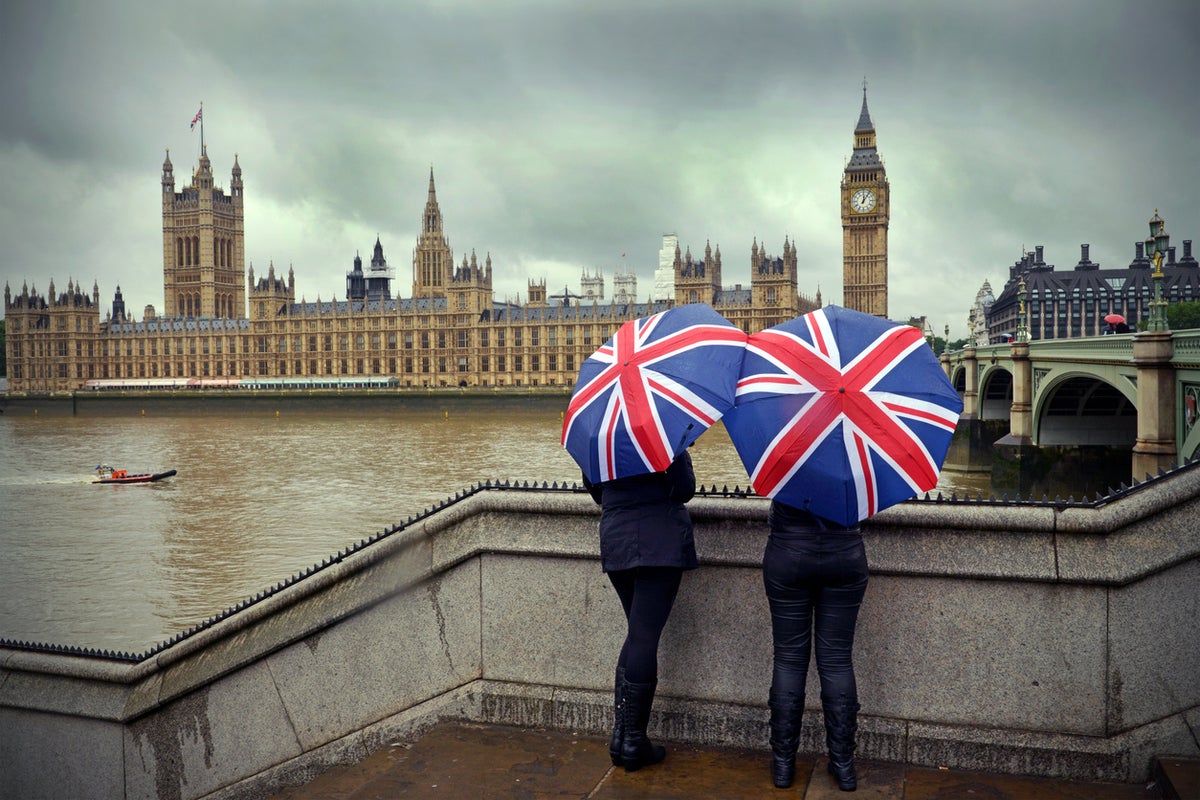
The number of people who say they are proud to be British has fallen sharply over the past 15 years, new research shows.
Fewer than half (47 per cent) of the public now express national pride, down from 74 per cent in 2011, polling commissioned by the think tank Demos found.
But pride in local communities has actually increased, from 29 to 40 per cent.
The shift appears to echo Andy Burnham’s “place first” philosophy while highlighting the challenges he faces trying to woo disgruntled Labour voters who flirting with Nigel Farage’s Reform UK nationally.
 open image in gallery
Last year the Reform leader attacked the criminal justice system at a press conference emblazoned with the banner ‘Britain is lawless’.
Polly Curtis, the chief executive of Demos, said: “Our research shows that Britain hasn’t stopped feeling proud. People still feel deep pride in the places they live and the communities around them. What has eroded is their confidence in Britain as a whole.”
She added that the issue was not one “about flag waving or nostalgia” but about whether people felt they belonged, had “a stake in the country’s future” and believed the institutions underpinning democracy were working for them.
“When people lose that sense of shared ownership over what makes Britain great, trust breaks down and our politics becomes more fragmented,” she said. “If we want to strengthen democracy, we need to give people more opportunities to shape the places they live, rebuild confidence in our institutions and create a more inclusive national story that people from every part of the country can see themselves in.”
 open image in gallery
The findings also show a marked decline in pride in British history, which has fallen from 65 per cent to 39 per cent, while the same feeling towards Britain’s place in the world has slumped from 35 per cent to just 13 per cent.
There was even more bad news for some of the UK’s key institutions, with some falling into minus figures. Pride in Parliament has fallen from 23 per cent to -11 per cent, in the BBC from 48 per cent to -11 per cent and in the monarchy from 54 per cent to 25 per cent.
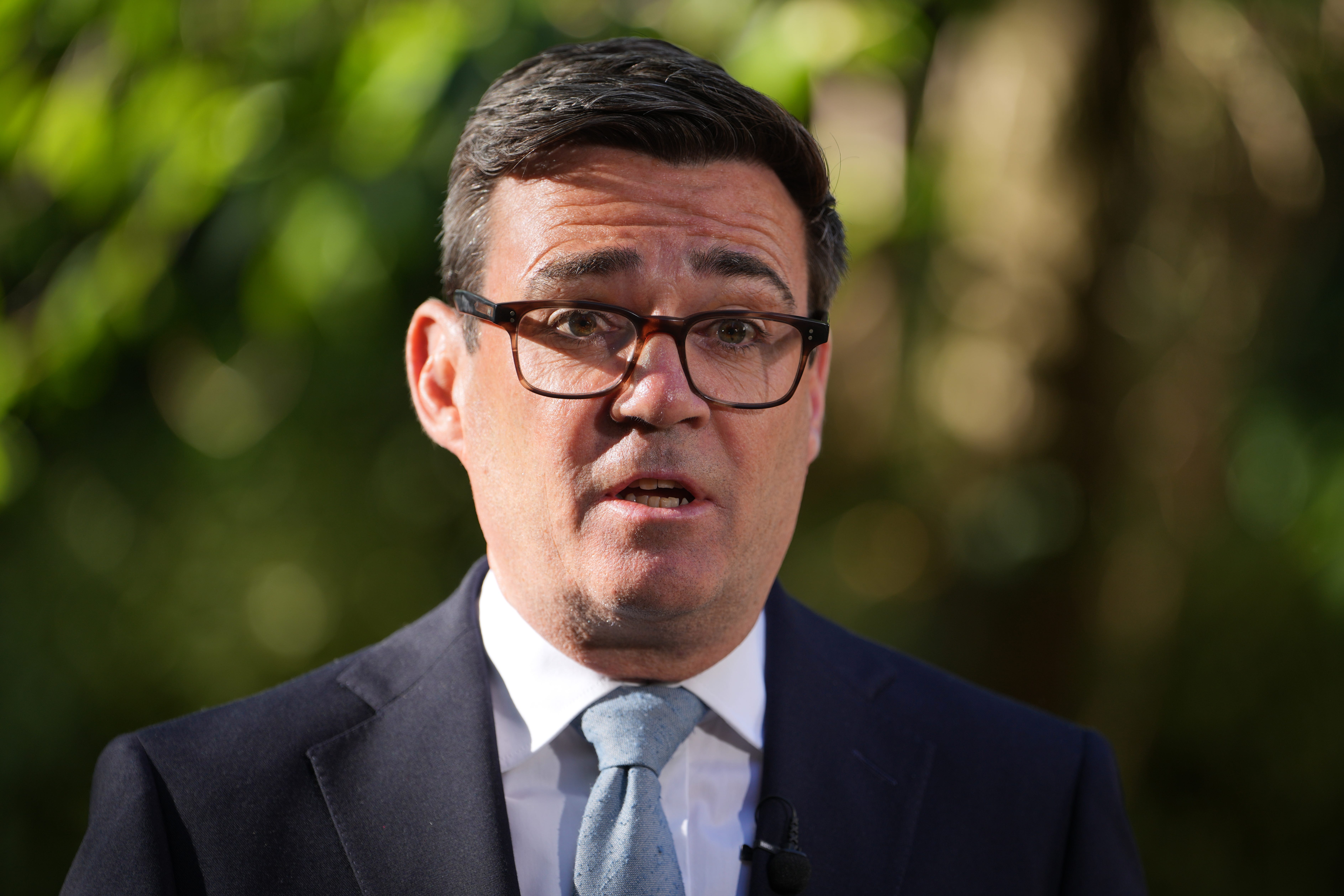
Mr Burnham, who was formerly the mayor of Greater Manchester, has pledged to implement his ‘place first’ strategy now he is prime minister. Referring to his parliamentary constituency, he has promised “a Makerfield test at the heart of British politics (that) will make sure that the places Westminster has neglected will now get fairness.”
The findings form part of Demos’ new report, A Place National for Pride 2026.
The poll by YouGov surveyed 2,235 adults between 19 and 20 April.