


Even Spider-Man is no match for the powers of Practical Magic 2. After a six-week run at the top of the box office, Spider-Man: Brand New Day was finally usurped this weekend by the return of Nicole Kidman and Sandra Bullock’s witchy chemistry.
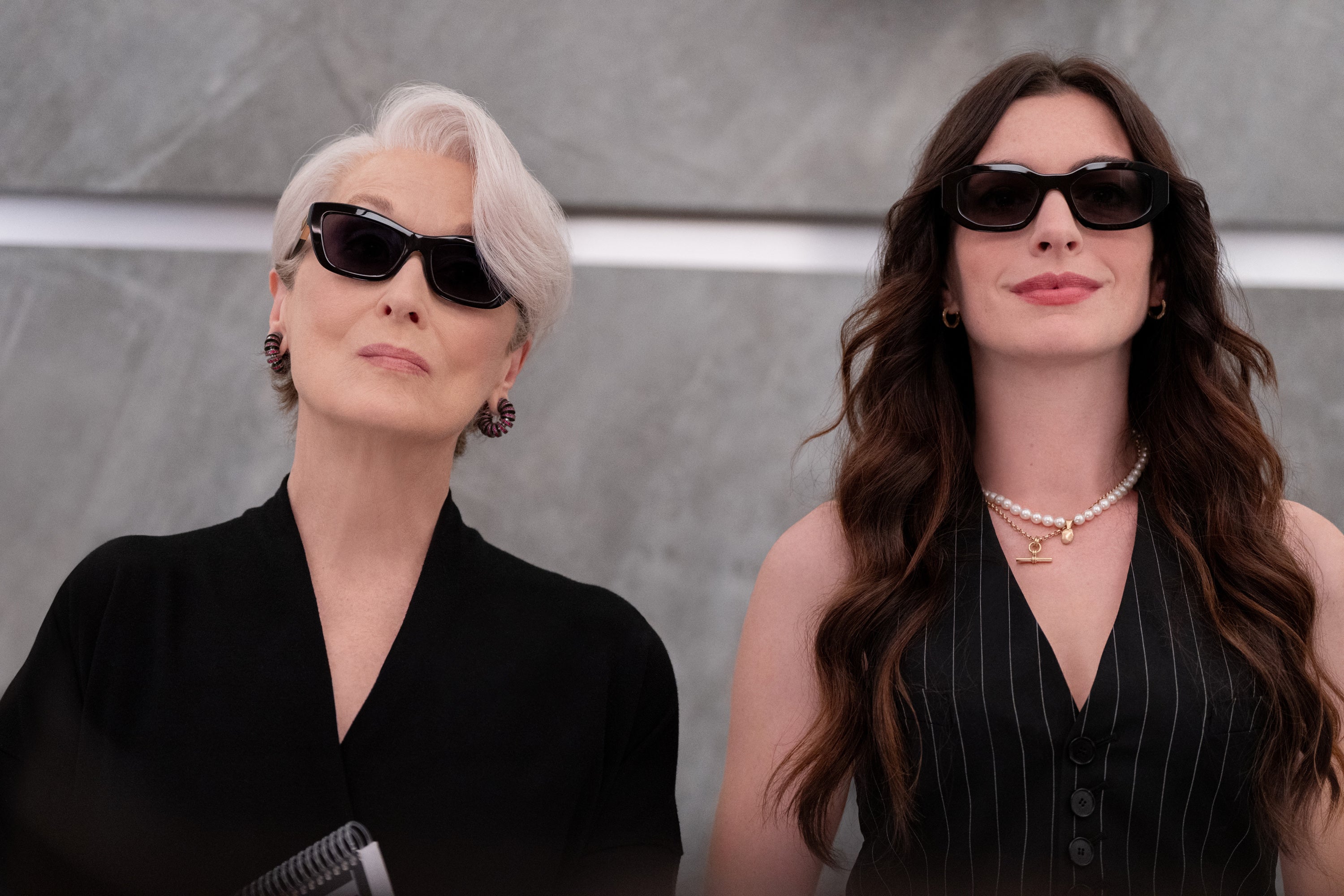
The fantasy sequel, which lands a full 28 years after the original film, is just the latest in a slew of reboots and remakes targeting a millennial audience that is swiftly approaching middle-age. The Devil Wears Prada 2 arrived earlier this year accompanied by a blur of cerulean and a wave of glowing reviews.
Currently in the works are sequels to the effervescent Kate Hudson-Matthew McConaughey rom-com How to Lose a Guy in 10 Days, sublimely-soundtracked Aussie drag queen romp Priscilla, Queen of the Desert, Sarah Jessica Parker’s Christmas tearjerker The Family Stone and a television spin-off of surf heist thriller Point Break.
Some may argue that these sorts of belated follow-ups are merely the result of Hollywood lazily milking pre-existing intellectual property to squeeze another handful of dollars out of an existing cash cow, and there’s undoubtedly some truth in that. Let it never be said that modern Hollywood isn’t lazy.
Still, box office results suggest that, like it or not, they’re also giving people what they want. The Devil Wears Prada sequel more than doubled the original film’s receipts, making $693 million globally compared to the $326.5 million banked by the first film. Practical Magic 2 isn’t quite as much of a behemoth (and certainly hasn’t impressed critics in quite the same way) but nonetheless made $30 million in the U.S. alone this weekend, some distance clear of the $13.1 million the original movie made in the equivalent time period.
 open image in gallery
So what’s going on? Is the popularity of revisiting this particular era down to simple familiarity, or are there more powerful forces at play than even the Hollywood magic that has kept Kidman and Bullock’s unblemished faces safe from the ravages of time?
Speaking to The Independent, Bullock offered up the theory that the enlarged audience for her new film can be explained by the fact that although the first Practical Magic “wasn’t an instant hit” it has slowly “found its people and its tribe through social media.” She may be right, but a more compelling argument was made by Joey King, who plays Bullock’s daughter in the film: that the real magic is in transporting audiences back to a time in their lives when there was no social media at all.
King believes modern audiences are drawn to nostalgic films specifically as a reaction against “the world moving so fast”. The actor told the BBC: “I think with technology moving at the speed that it is, we’re really missing the times when we were less reachable. If we couldn’t figure out something, we’d stare out the window until it came to us, and I think we’re nostalgic for a time like that.” Her co-star Maisie Williams concurred, saying that these kinds of sequels are a “symptom of people longing for simpler times”.
For an audience overwhelmed by the sheer volume of information we’re all now exposed to every second of the day, there’s something undeniably appealing about revisiting worlds that existed before smartphones, AI and the expectation of constant connectivity took over modern life. Even when sequels are set in the present day, their familiar characters with their analog worries can act as a kind of portal back to the era when audiences first watched and fell in love with the originals.

Watch Apple TV+ free for 7 day
New subscribers only. £9.99/mo. after free trial. Plan auto-renews until cancelled.
ADVERTISEMENT. If you sign up to this service we will earn commission. This revenue helps to fund journalism across The Independent.
 open image in gallery
It’s the same sort of nostalgia that seems to explain the huge streaming numbers enjoyed by television shows like Friends and Suits. Millennials, now aged between 30 and 45, aren’t looking forward to an optimistic future or even seeking to celebrate the present day. Instead, they’re looking to spend what little disposable income they’ve scraped together after the effects of skyrocketing rents and stagnant wages to be transported back to a simpler time of flip phones, landlines and a life that wasn’t lived entirely through a screen.
The return of all these various disparate film franchises, then, is more than just the product of a risk-averse entertainment business deciding to back the same horses it first ran 30 years ago. It’s a sign of a broader cultural malaise: comfort food for an audience pining for a world that no longer exists.
If you look back at a list of the biggest films released between the mid-1990s and mid-2000s, it’s striking how consistently they’ve been revisited for sequels or larger franchises. The Lion King has been both remade and prequeled. Harry Potter is being given the longform HBO treatment. A new Lord of the Rings movie focused on Gollum will take audiences back to Middle-earth next year. Spider-Man’s most recent triumphant box-office-conqueror was his ninth live action outing since 2002.
In fact, there’s only one major blockbuster from the period that seems to have so far avoided its inevitable fate. If Hollywood gets its way, it can only be a matter of time before our troubled, melting planet collides head on with Titanic 2.