


Waterproofs packed? Rucksack the weight of a 12-year-old boy? Browning apple slices in a Ziploc bag? Forced smile in place?
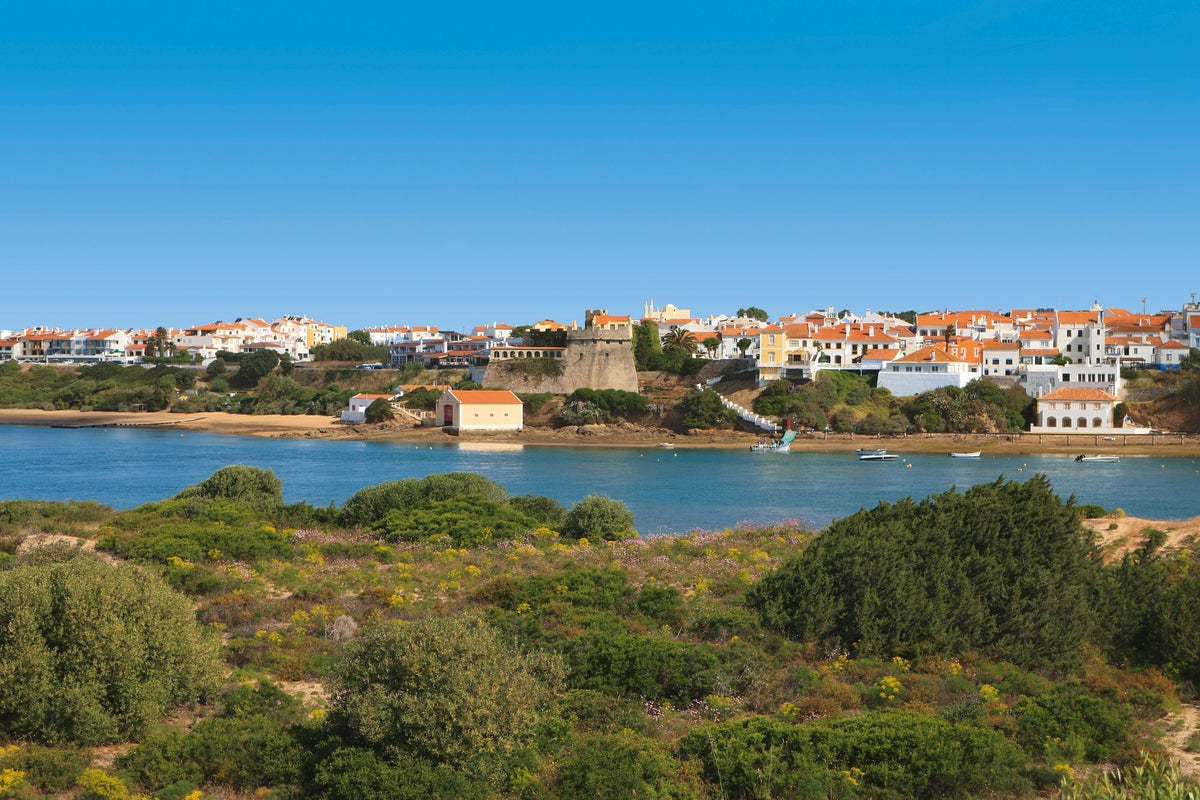
Stop, rewind, this isn’t that type of walking holiday. When I hiked six sections of the Fisherman’s Trail in Portugal, instead of downpours, soggy sandwiches and blisters, I found spring sunshine, welcoming locals and fantastic food and wine.
The Fishermen’s Trail stretches from Sao Torpes to Lagos, covering about 140 miles of Portugal’s wild Atlantic coast. Part of the larger Rota Vicentina network, the trail follows paths traditionally used by local fishermen accessing vertiginous cliffs, sandy beaches and remote coves.
I picked it as my first multi-day hike route because it promises dramatic ocean scenery, sandy tracks, and picture-perfect Portuguese coastal villages.
I started my hike at Porto Covo, as it was easy to reach by bus from Lisbon Airport, and stayed at the Porto Covo Praia Hotel and Spa.
I prepared a daypack of water, sun cream, a thin waterproof and a fancy picnic provided by the hotel, left the rest of my luggage in reception – to be picked up by the luggage carry-on service that would deliver it to my next hotel – and set off.
Read more: Is Madeira truly an accessible paradise? I tackled its famous Levada trails to find out
Day one: Porto Covo to Vila Nova de Milfontes
13 miles, 310 metres elevation
 open image in gallery
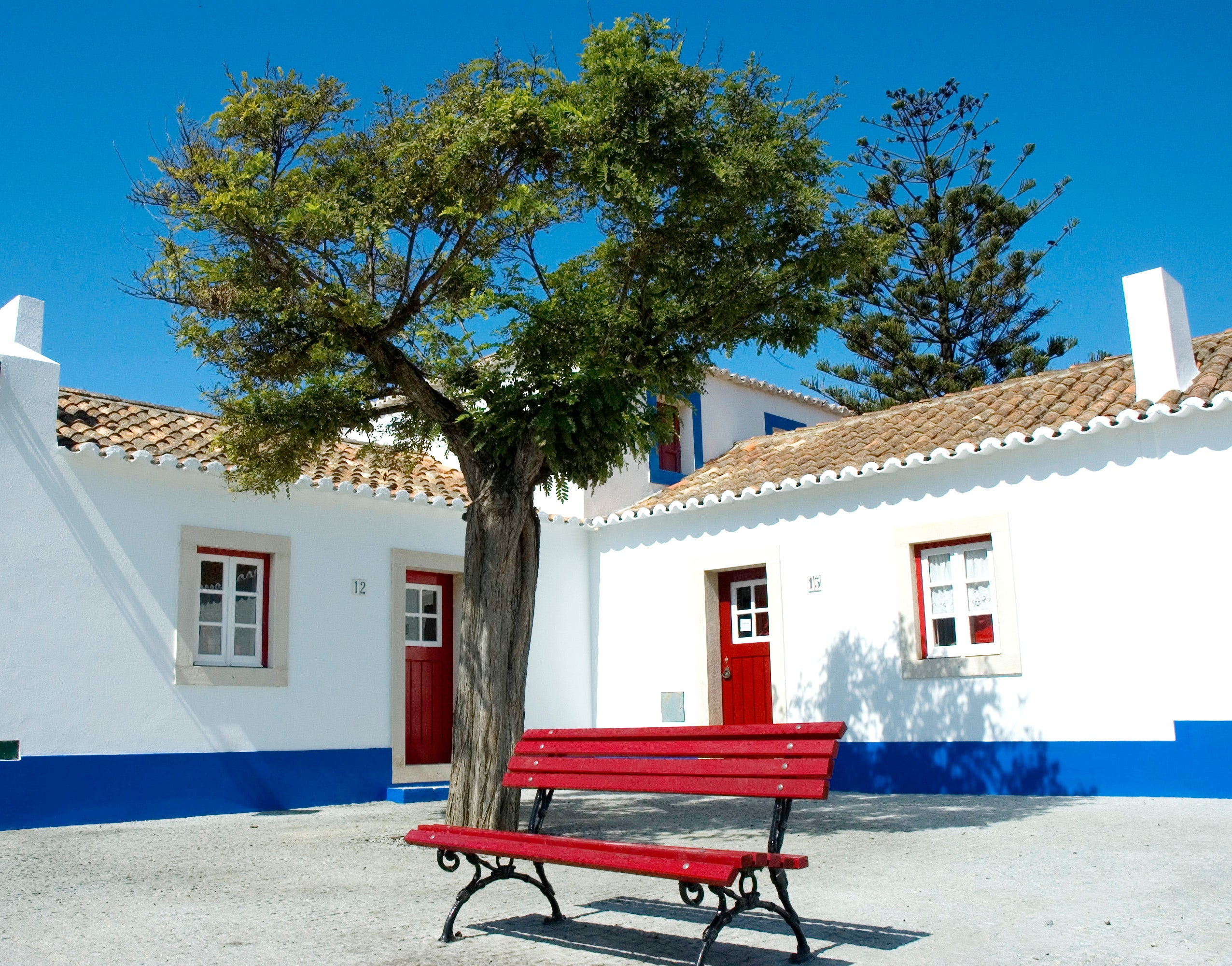
I’d noticed during the bus ride the previous day how flat the land is on the coast of Alentejo, and could see from my hotel window how Porto Covo‘s low cliffs give way to gloriously large sandy beaches.
The day’s walk started on wooden boardwalks that wiggled through the dunes, before dipping to the first of many kilometres of sand walking. It wasn’t long before millions of grains had found a home in each shoe and I attached the gaiters I’d wondered if it was folly to bring.
My calf muscles were moaning after a couple of hours of beach walking, and I was happy to climb to higher cliffs after lunch, navigating a colourful parade of magenta flowers, yellow blooming gorse, and the green-blue lines on the Fisherman’s Trail signs.
The day’s highlight was a spectacular boom cave in a rocky inlet and the accompanying high spray.
Where to stay: Casa do Adro. In the centre of Vila Nova de Milfontes, owner Idália welcomes you with open arms, freshly squeezed orange juice and homemade chocolate cake. She’s thought of everything a walker could need.
Where to eat: Tasca do Celso. With a commitment to delicious Portuguese produce, owner José makes table visits, and his staff brim with pride and passion.
Day two: Vila Nova de Milfontes to Almograve
7.5 miles, 160 metres elevation
After breakfast, I took the optional Maresia taxi boat across the Rio Mira estuary to skip a few kilometres of the day’s distance. Beginner I may be, but a fool I am not, and I already knew the climbs and deep sand this coast could throw at me, so was keen to cut a corner or two. Besides, the tiny ferry boat, its young owners and their 22 basking cats were a delightful way to start the day.
The path was varied, with long stretches of rocky coastline, trails winding through bamboo, little bridges and paths through the undergrowth. I spotted a rope that hung down into a rocky ravine, presumably for hikers who’d taken the low road and got caught out by high tide.
Where to stay: Herdade do Touril is a 200-year-old estate with beautifully appointed rooms; you can feed Violetta the donkey, swim in the saltwater pool and stargaze by the fire pit.
Where to eat: Touril & Celso. The hotel’s on-site restaurant offers a rich and diverse mix of Portuguese food and wine, and the glass walls allow stunning views come rain or shine.
Day three: Zambujeira do Mar to Odeceixe
15.5 miles, 425 metres elevation
 open image in gallery
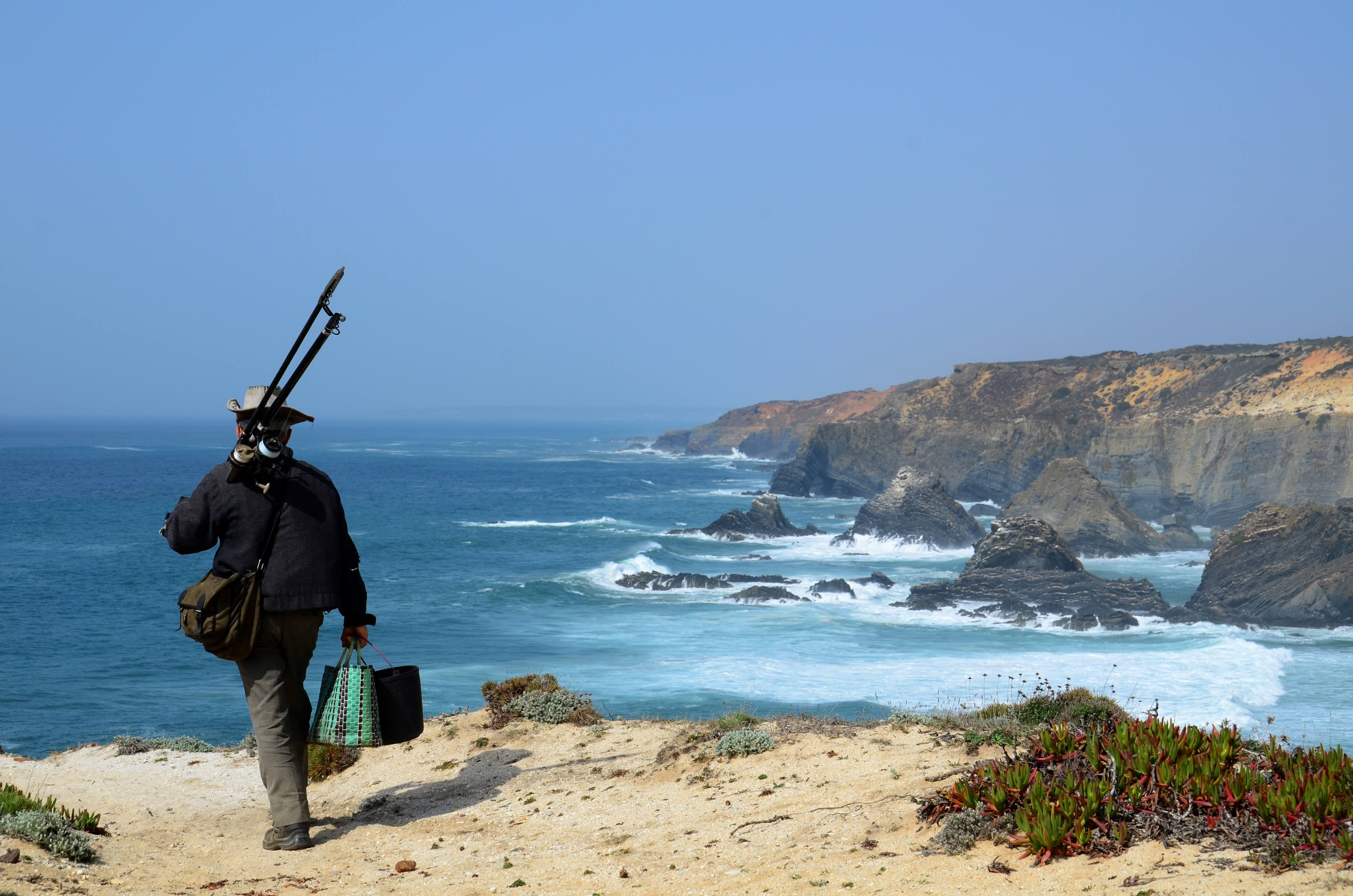
This day was tough because my hotel, Herdade do Touril, was 5km from the start of the section, so I had to do an hour or so of extra walking first. That said, it was memorable; not only did I do the usual hat-tipping and “hellos” to fellow hikers I recognised from previous days, I saw precariously perched fishermen, as well as a zebra, an ostrich and some deer, as the trail skirted the perimeter of a safari park.
The terrain ranged from high cliffs and sheer drops, to rock scrambles and wet sections that I crossed by hanging onto tree roots and attempting a swing.
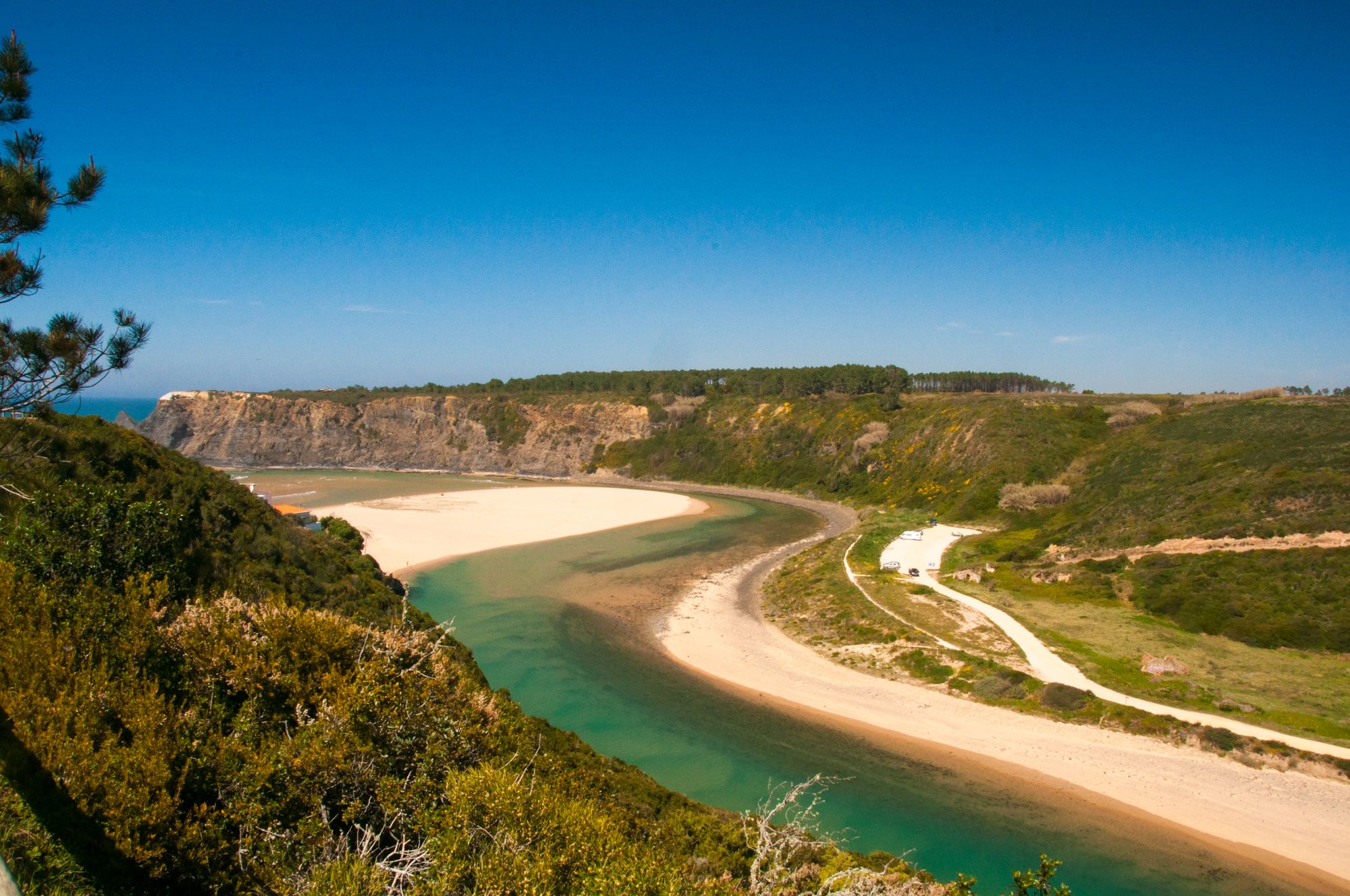
The day’s highlight was the sight of Praia de Odeceixe – a huge spit of sand that divides the furore of crashing waves from the calm of the estuary.
Where to stay: Vale Palheiro Earth Resort. This new hotel sits on the trail, so from sunrise onwards, you see hikers wandering its grounds. Terracotta walls stand out against Portugal’s ubiquitous white buildings and the interiors are stunning.
Where to eat: O Sargo. A beachfront restaurant at gorgeous Monte Clerigo serves up a surf vibe and fresh Portuguese-Asian fusion food.
Read more: This is the perfect European island to escape to this spring
Day four: Aljezur to Arrifana
12 miles, 450 metres elevation
Odeceixe is where the trail takes you from Alentejo to the Algarve. If the latter conjures up thoughts of golf courses and hotel resorts, think again. This is the wild Algarve, known for its white villages, hiking paths and surf beaches.
I vowed to return after observing several attractive self-catering lets on the stunning beaches of Amoreira and Monte Clerigo that would give Rhossili in Wales or Watergate Bay, Cornwall, a run for their money.
Vegetation was getting bushier and higher, and I enjoyed the diverse wildflowers as well as the shelter of pine woods.
This was my one picnic-free day; I held out until Arrifana, my destination, when I treated myself to a late lunch at beachside Bar Da Praia. Fish soup and Super Bock beer were enough to propel my legs back up the hairpins for a siesta at my hotel.
Where to stay: Hotel Vale da Telha. A popular choice for hikers who prefer something more elevated than hostels at the beach. It’s cheap and clean.
Where to eat: Fonte do Vale. This restaurant neighbours the hotel on an unglamorous roundabout, but it serves fantastic fresh, tasty grilled fish like bream and bass for €17.50 (around £15).
Day five: Arrifana to Carrapateira
12 miles, 340 metres elevation
 open image in gallery
This section was largely inland and on wide, tree-lined gravel paths. I stopped for chats – hikers are a friendly bunch whether they are young, old, Portuguese, German or Flemish – at the oasis-like Quarenta & Quatro cafe. They packed up some omelette and pastel de nata in a takeaway box which I ate when I reached the highest point of the day’s miles.
Day five’s beautiful beach at Carrapateira topped the others in size and I began to nitpick about whether it could be named a beach, or should take on the “desert” moniker instead.
I nearly lost my sense of humour when I had to take off my shoes and socks again to cross a beach river to regain the deep-sand path to the end of the section. During rainier times of the year, the river swells too much to cross and hikers are diverted to a different bridge to exit the beach.
Luckily, Carrapateira offered enough in terms of a warm welcome, fresh fish and soporific cow bells to ensure a good night’s rest.
Where to stay: Casa Fajara. A converted farm that sits in a lush valley outside the village. If you’ve got enough energy, you can enjoy tennis and a swim, but I chose to enjoy the view from my balcony.
Where to eat: O Pontal. You’ll be shown your fish of choice to check it for freshness; and it’s super tasty sloshed down with a glass of Vinho Verde.
Day six: Carrapateira to Vila do Bispo
10 miles, 480 metres elevation
My last day was the hottest. So far, I’d not had a meltdown nor a blister, I’d barely had to resort to a podcast to while the hours away, and neither sunburn nor one of my myriad midlife physical niggles had derailed my progress. But I went out with a bang with the steepest, narrowest, most physically challenging paths I’d seen, and a final dose of world-beating beaches.
Praia da Barriga marked the perfect place to peel my last sweet orange while watching big waves crash onto perfectly polished grey boulders at the end of the day.
Where to stay: Pousada do Infante. My last hike ended at Vila do Bispo and I took a cab to this end-of-the-world historic pousada hotel which sits on the tip of Sagres.
Where to eat: Tired legs don’t like searching for dinner; thanksfully the hotel’s restaurant serves up delicious dishes including bacalao and boar.
Rachel’s trip was supported by Alentejo Tourism and the Algarve Tourist Board.
Read more: The best hotels in Lisbon