


AdvertisementWealth managementMoneyWealth
Over a quarter of China’s ultra-wealthy concentrated in Beijing and Shanghai: report
Beijing, Shanghai and Guangdong hold most super-rich households as weaknesses in real estate and market volatility weigh on private capital
2-MIN READ2-MIN Listen
Chelsea YangPublished: 2:00pm, 8 Aug 2026
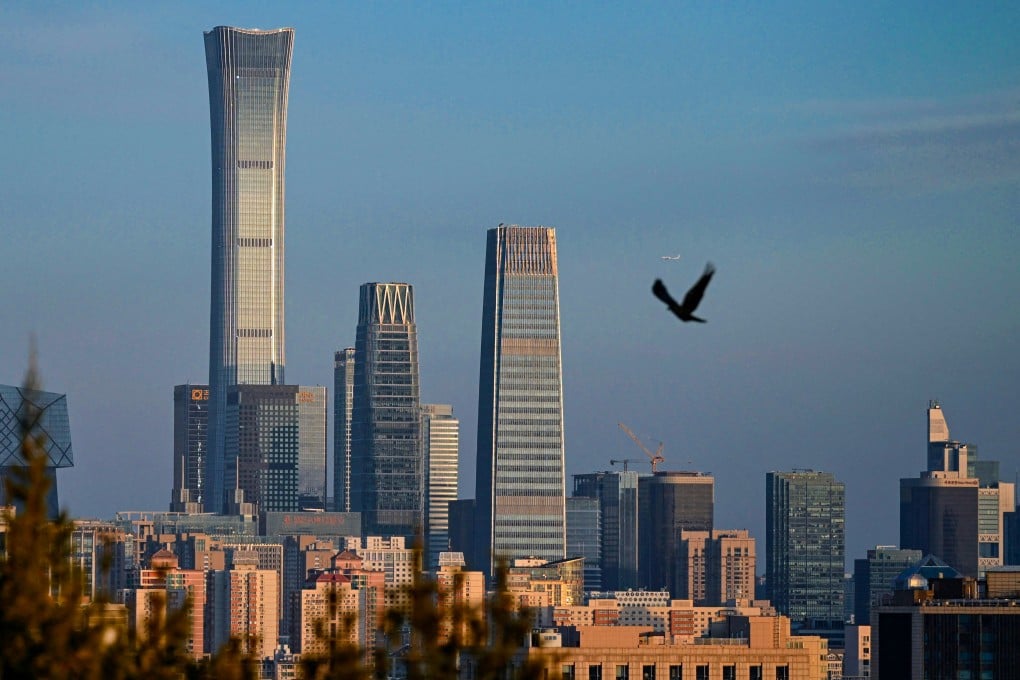
Chinese megacities are seeing a slight decrease in households with assets of at least 100 million yuan (US$14.8 million), as the country’s private wealth remains concentrated in three places – national capital Beijing, financial centre Shanghai and southern Guangdong province, a technology and export hub.
Beijing and Shanghai had a combined 34,700 ultra-high-net-worth (UHNW) households at the start of 2025, accounting for about 27.4 per cent of the countrywide total of 126,500, according to a wealth report jointly released in June by the Bank of East Asia and the Hurun Research Institute.
Beijing contained 18,200 UHNW households and Shanghai had 16,500, both lower than a year earlier, as weaker property prices, volatile markets and slower economic growth weighed on household wealth.
The threshold for UHNW households in China is exceptionally high, even by US standards. A US household with a net worth of about US$14 million would rank within the wealthiest one per cent. Another estimate, in the latest Survey of Consumer Finances, covering 2022, put the entry point for the top one per cent at US$11.64 million.
In China, the distribution of capital highlights three major wealth corridors. The Yangtze River Delta led with 39,680 households, or 31.4 per cent of the national total, supported by Shanghai’s finance sector, Zhejiang’s private and technology firms and Jiangsu’s manufacturing base. The Yangtze River Delta total fell 1.8 per cent year on year.
Guangdong, a proxy for the Pearl River Delta in the report, had 16,700 households, or 13.2 per cent of the national total, down 2.3 per cent. Shenzhen and Guangzhou accounted for 58 per cent of the provincial tally, reflecting the region’s concentration of technology founders, exporters and manufacturers.
The Beijing-Tianjin-Hebei cluster – which combines the capital with Tianjin municipality and Hebei province, two other northern regions – had 21,700 households, or 17.2 per cent of the national total. Beijing accounted for nearly 84 per cent of the regional tally, while sharper declines in Tianjin and Hebei helped push the region’s total down about 4.8 per cent.
AdvertisementSelect VoiceSelect Speed00:0000:001.00x