


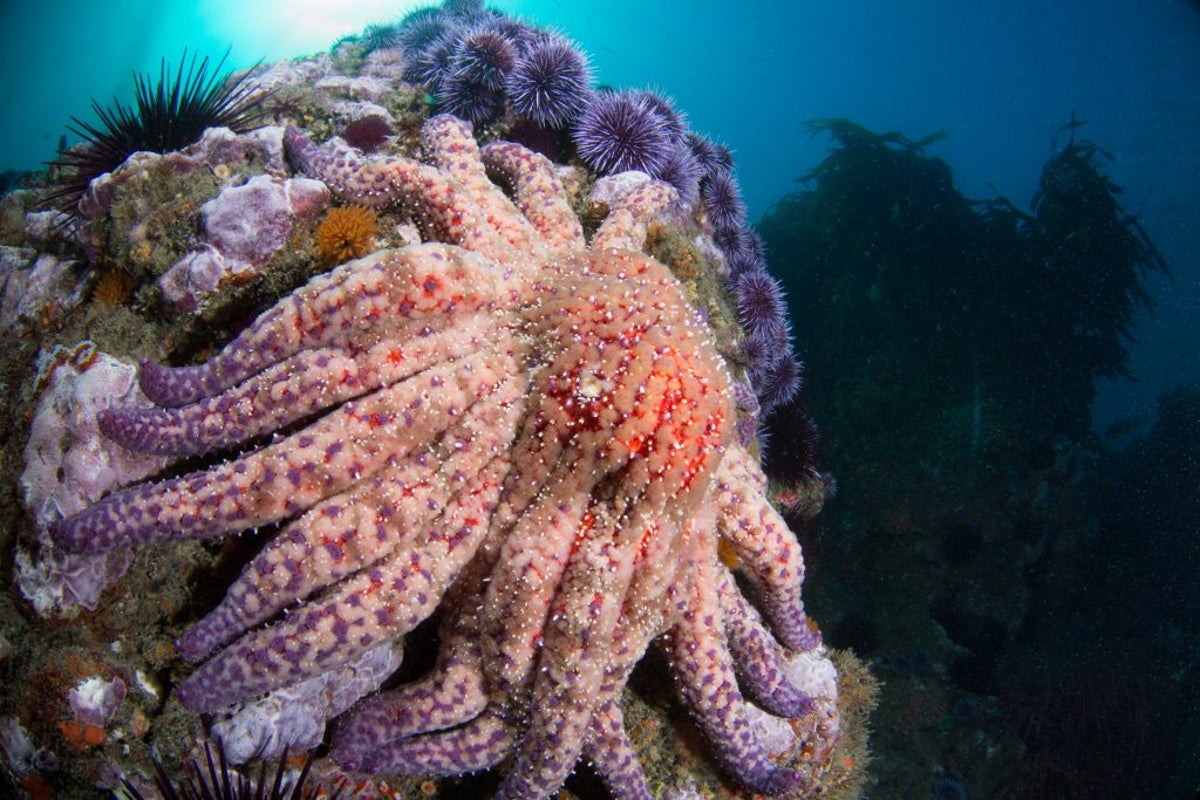
A strange, multi-colored Pacific Ocean species once thought lost to devastating disease has been found again in the waters off Northern California.
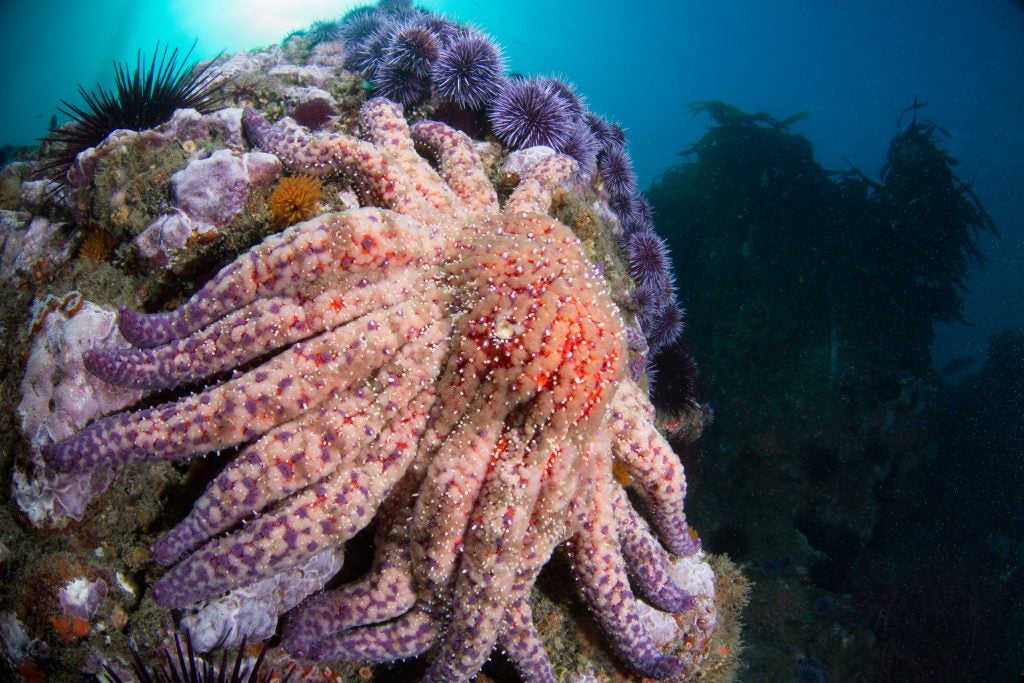
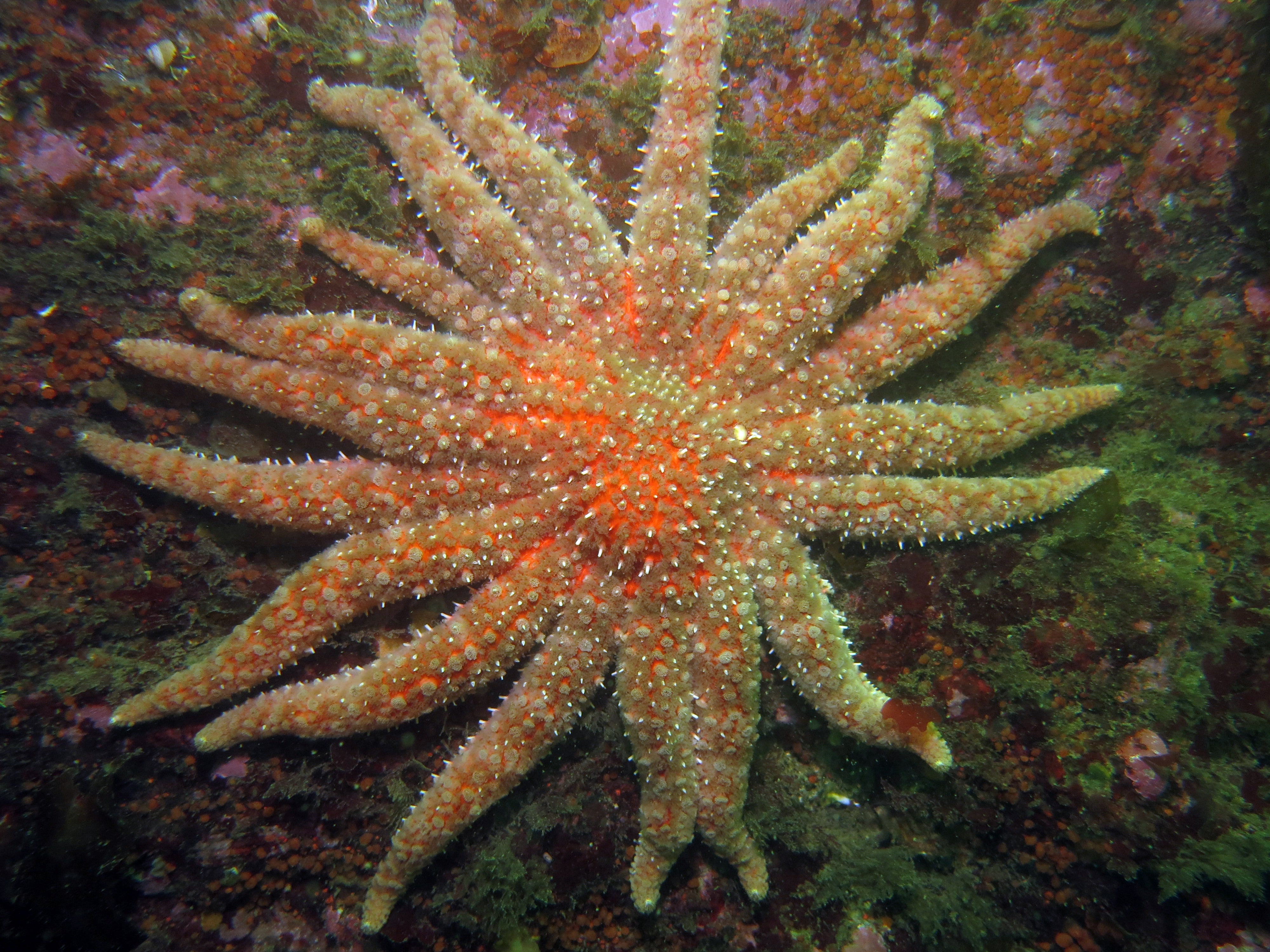
Scientists located 18 spiny “sunflower sea stars” – one of the largest sea star species on Earth, spanning over three feet in length – in the waters of the Greater Farallones National Marine Sanctuary last summer, the National Oceanic and Atmospheric Administration announced this month.
“This is promising news, as sea stars suffered a massive die-off ten years ago as a result of sea star wasting disease during the largest marine epidemic ever recorded, which also devastated kelp forests,” the agency’s National Marine Sanctuaries said in a release.
After years of looking into the disease that killed six billion stars from 2013-2017, researchers now say a bacterium called Vibrio pectenicida is responsible — though they’re still studying what’s driving its spread in the marine invertebrates.
 open image in gallery
“When we lose billions of sea stars, that really shifts the ecological dynamics,” Melanie Prentice, an evolutionary ecologist at the Hakai Institute and the University of British Columbia, said in a statement.
“In the absence of sunflower stars, sea urchin populations increase, which means the loss of kelp forests, and that has broad implications for all the other marine species and humans that rely on them. So losing a sea star goes far beyond the loss of that single species,” she explained.
Underwater Jungles
Using 16-24 arms and the ability to travel three feet each minute, sunflower stars prey on the purple sea urchins that consume kelp.
 open image in gallery
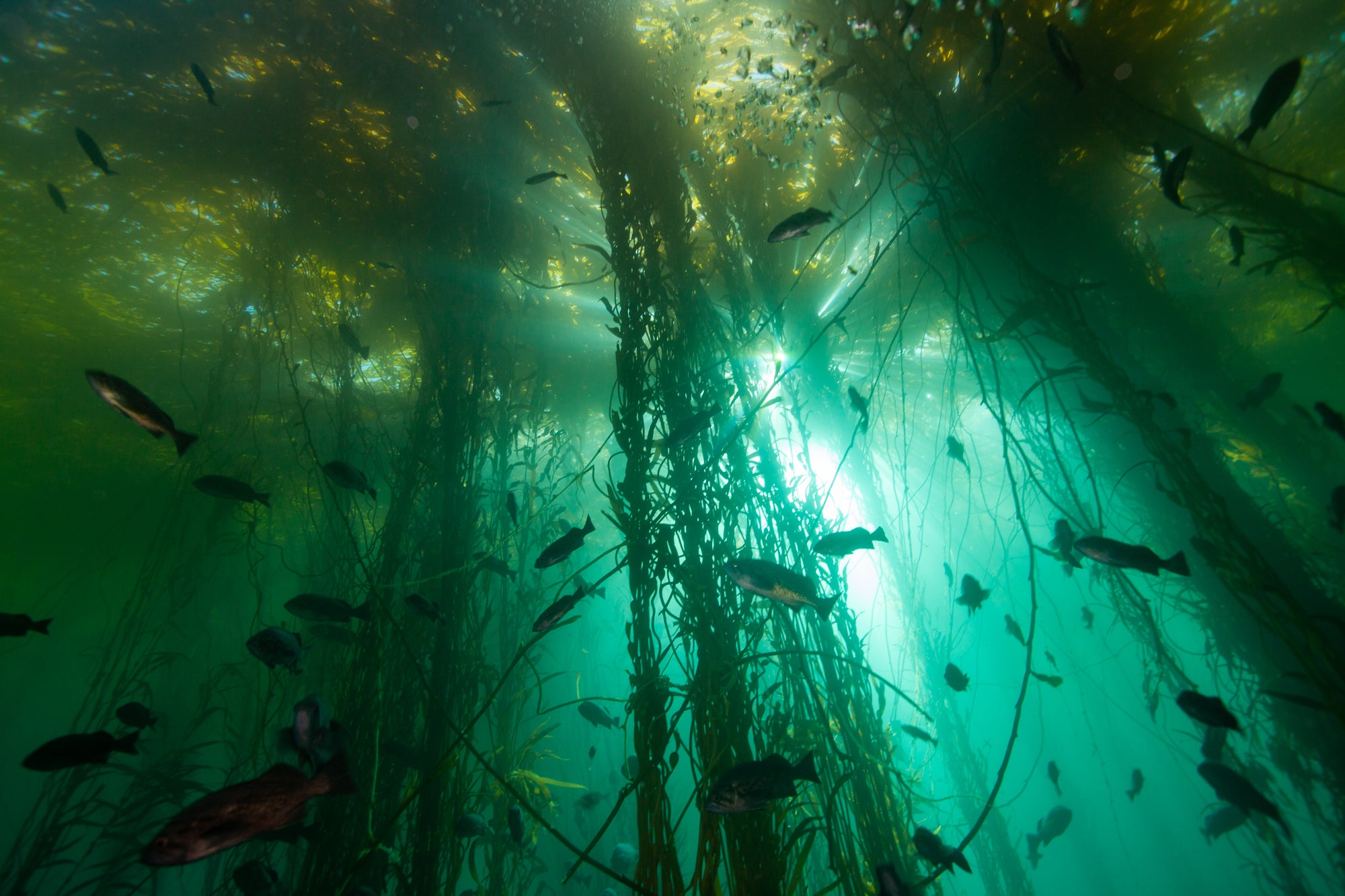
Unfortunately, the sunflower sea star die-off left urchins to ravage kelp forests in the Farallones, leading to a 90 percent loss of habitat, the National Oceanic and Atmospheric Administration pointed out.
Kelp forests from Alaska to the Mexican border are a critical home for sea stars, sea otters, sharks and nearly 800 other keystone species that help support ocean ecosystems and the food chain, the non-profit National Wildlife Federation says.
They also fight human-caused climate change, which has warmed ocean waters to record levels and brought massacres during marine heatwaves. A hectare of forest takes in 40 tons of the atmosphere-warming greenhouse gas carbon dioxide each year, according to the non-profit Kelp Forest Alliance.
However, the forests still face consequences from climate change and impacts such as this year’s “Godzilla” El Niño climate pattern and future marine heatwaves can further hamper kelp growth and survival, NOAA says.
Sea star recovery could be a potential tool for kelp forest recovery, Sarah Gravem of Oregon State University, suggested in 2023.
That’s why this discovery offers “hope,” NOAA has said.
 open image in gallery
Resurrection
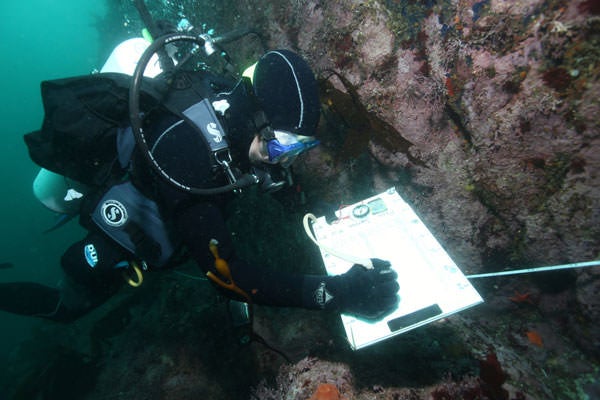
The “Seasquatches” were found as a part of Sonoma State university’s first “Pycnopalooza” diving event, and researchers collected genetic tissues, water samples and ecological data that could aid repopulation efforts, diver Pat Webster said in a social media post.
“For those who’d seen them prior to wasting disease, it must have been akin to seeing an old friend, but I felt more like a stunned paleontologist seeing a dinosaur,” NOAA Diver Tyler Mears, who was on the expedition, said.
What repopulation might look like going forward is a good question.
Researchers at San Diego’s Birch Aquarium have previously spawned sunflower star larvae in their labs. Cross-breeding is also a possibility, NOAA says, helping to create stars that are more resilient to disease and ocean warming.
But there may be other strategies that could work. such as pairing the sunflowers with beneficial bacteria and algae. That’s been shown to work with corals.
 open image in gallery
“Literally every month there’s new information,” Ashley Kidd, conservation program manager at Monterey’s Sunflower Star Laboratory, said. “We have the tools, the resources, and the knowledge to solve these problems now.”
The stars are considered to be a threatened species, but the Trump administration’s National Marine Fisheries Service reportedly did not meet a deadline to offer protections for that listing under the Endangered Species Act, the non-profit Center for Biological Diversity said Monday. The group is suing the administration.
“A listing will help reduce threats to the sea star’s habitat from water pollution, dredging, shoreline armoring and other coastal development projects that might push the species toward extinction. It will also provide the species with a recovery plan,” the center wrote.
NOAA Fisheries told The Independent that the agency’s work on the proposal to list the sunflower sea star under the Endangered Species Act has not yet been completed.
“NOAA Fisheries continues to optimize its available resources to prioritize mission-critical research and actions to address fisheries management and endangered species responsibilities,” Rachel Hagar, NOAA Fisheries Public Affairs Team Lead, said. “NOAA remains dedicated to providing information, research and resources that serve the American public and ensure our nation’s economic and environmental resilience.”