


Britain must rebalance its taxation away from younger workers and towards property and older demographics, according to a report by an influential policy think tank.
The Institute for Public Policy Research (IPPR) warned that an ageing population will account for nearly 80 per cent of the additional fiscal pressure confronting the UK by 2075.
Authored by Oxford professor Ben Ansell, the paper advocates a new “fiscal contract”, proposing extending national insurance (NI) to older earners and replacing council tax and stamp duty with a single proportional property tax.
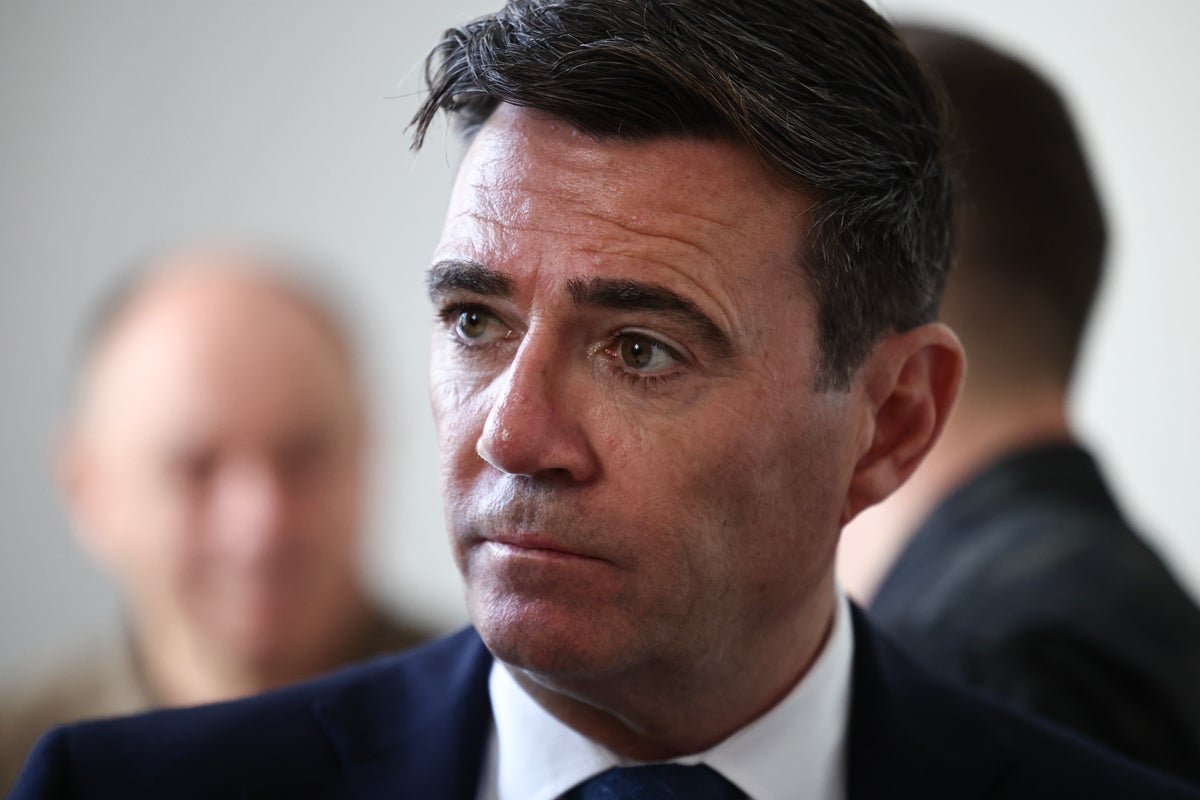
The intervention follows statements from Prime Minister Andy Burnham, who refused to rule out tax increases in the Budget, telling ITV News on Monday that he “won’t be unrealistic” about the state of public finances.
Questions remain over how Labour pledges, including £5 billion in defence spending announced prior to entering No 10 and major social care reforms, will be funded.
 open image in gallery
Prof Ansell’s report for the IPPR – whose recruits include current ministers – argues these pressures make tax reform unavoidable.
He said: “Britain cannot meet the fiscal challenges of the coming decades simply by asking people in work to pay more and relying on another round of stealth taxes.
“Ageing is going to become by far the biggest source of pressure on the public finances.
“Yet our tax system has increasingly shifted responsibility towards younger workers while protecting many of those who have benefited most from decades of rising property and asset wealth.
“Reform is politically difficult, but avoiding it has simply given Britain an ever more complicated tax system.
“We need a new fiscal contract: one that raises the revenue the country will need, shifts more of the burden from work towards wealth and property, and is honest with the public about who pays and why.”
The report notes industrialised nations face the “challenge of an ageing population”, with the proportion of UK over-65s rising from 14 per cent in 1974 to 18 per cent in 2024, and reaching 27 per cent by 2074.
Assuming benefits remain constant, state pension costs will rise from 5 per cent of GDP to 7.7 per cent. Combined with healthcare and social care, ageing could add almost 10 per cent of GDP to costs by 2075.
While benefits for older citizens become costlier, the IPPR said they remain among the most tax-advantaged groups, largely as they do not pay NI.
It added the “hardest hit” by recent policy are those in work, “particularly younger people repaying student loans through the tax system” who struggle to match their elders’ housing access.
Prof Ansell proposes:
– Extending the 2 per cent NI surcharge on workers under 65 to pensioners
– Replacing council tax and stamp duty with a proportional property tax of around 0.65 per cent
– Equalising capital gains tax with income tax rates, alongside an investment allowance for normal returns
He also calls for preparation for an artificial intelligence-driven economy, which could reduce traditional employment needs and require new tax models.