 Image source, Getty Images
ByDominic CascianiHome and Legal Correspondent
There has been a significant fall in the use of hotels to house asylum seekers waiting for a Home Office decision, data shows.
In June 2025 there were more than 32,000 people in hotel rooms, but by June this year it had halved to more than 16,000.
There has also been a drop in legal migration arrivals, asylum claims and small boat arrivals to the UK compared to a year ago.
The Home Office said the figures showed that policies to control migration were having an effect – but said there was still more to do on the issue of small boat crossings.
There was also a fall in the number of family members coming to the UK to join someone already legally in the country, while asylum claims were also down by a fifth.
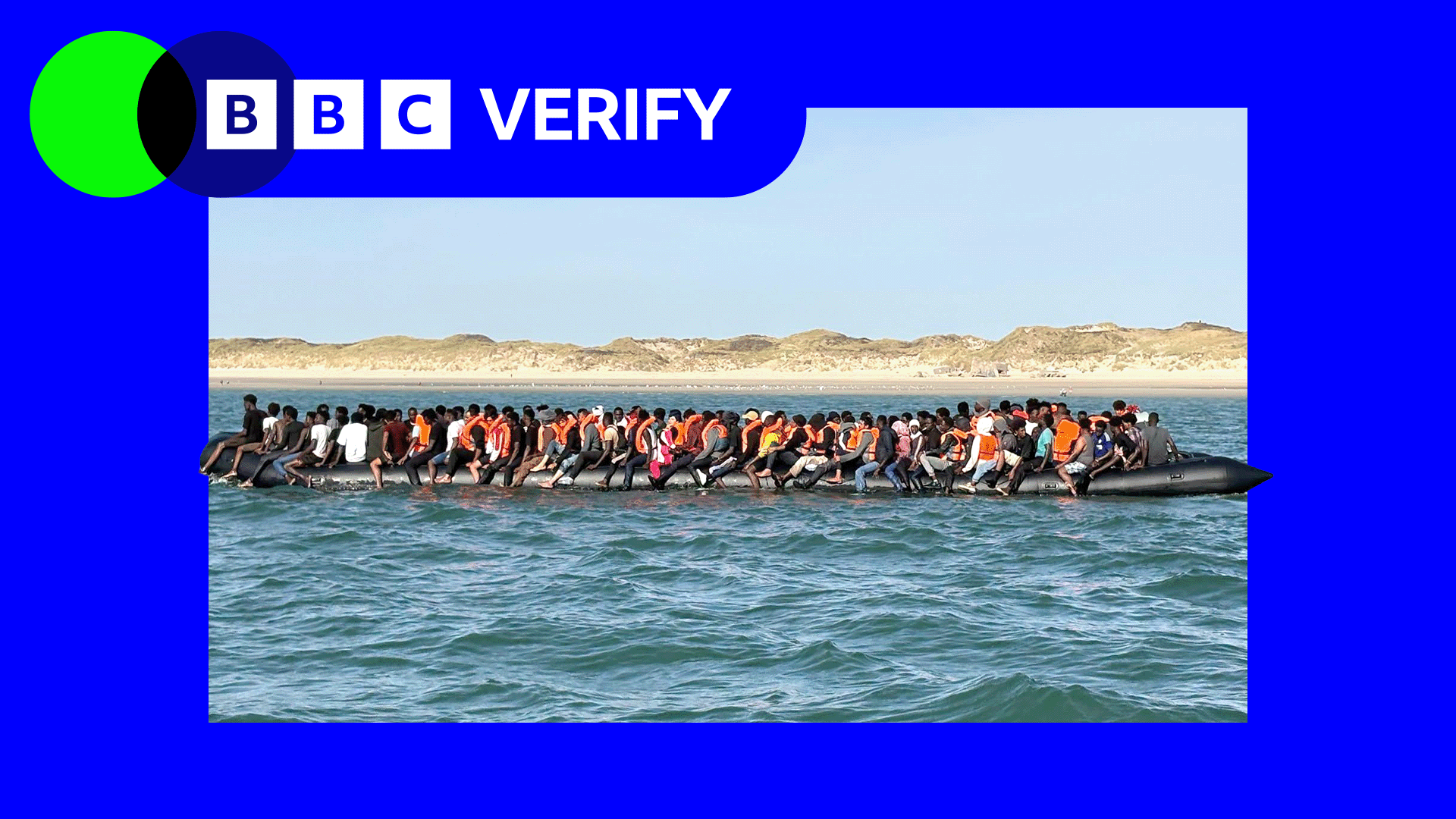
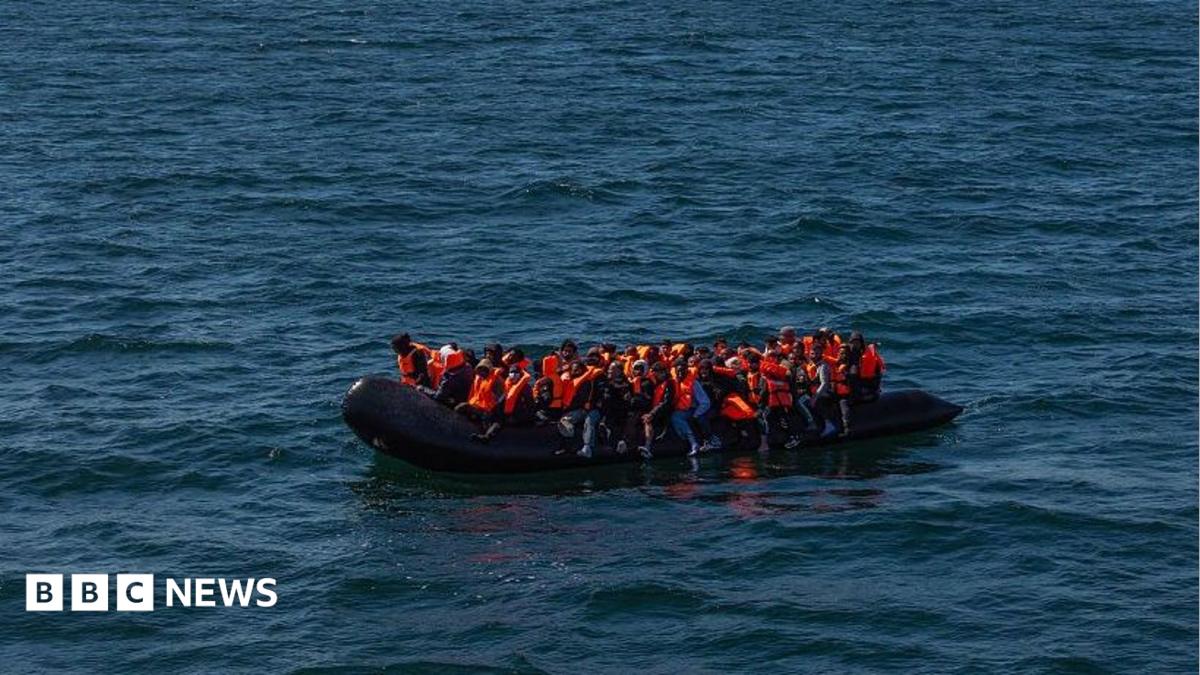
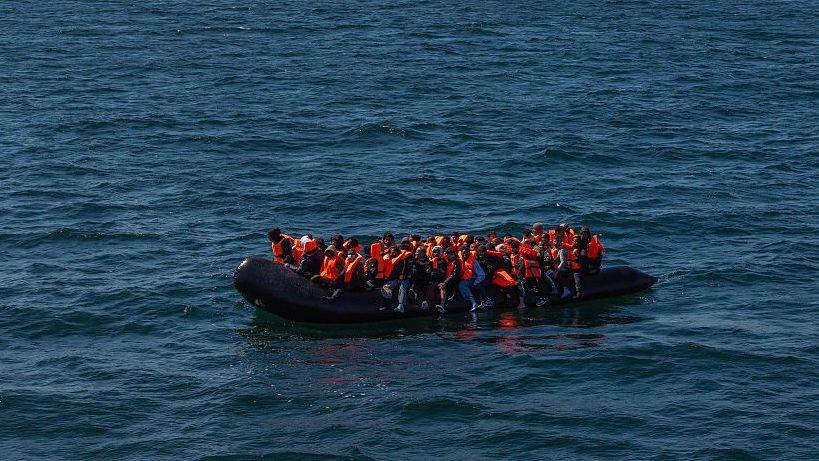
Some 38,000 illegal arrivals were detected in the year to June – 33,000 of them on small boats across the sea from France.
More up to date figures show the trend in small boat arrivals has continued to be lower than last year. Correspondingly, claims for asylum have also fallen.
Some 86,000 people sought asylum – down a fifth on the previous year. About half of those applications for help came from people who were already legally in the UK, rather than having arrived on a small boat.
The rise in the use of hotels coincided with an increase in arrivals across the English Channel from 2019 and a slowing down of Home Office decisions as to how many of these claimants had a genuine right to stay in the UK or should be told to leave.
One of the first decisions of the new Starmer government in July 2024 was to order officials to work faster in deciding these claims, with a target of ending the use of hotels within five years.
Home Secretary Shabana Mahmood said: “A little over two years into office and the asylum backlog is down, the number of asylum seekers in hotels is falling, illegal working arrests are at record levels, and deportations and returns are up markedly.
“Small boats numbers are also now falling, but we are not complacent and there is more we must do.”
Shadow home secretary Chris Philp said Labour was “moving illegal immigrants out of hotels and into flats in your building.”
He said a Conservative government would deport every illegal immigrant and leave the European Court of Human Rights.
“The surest way to empty the accommodation is to make plain that nobody who crosses the Channel gets to stay,” he added.
In response to the new figures, Reform UK said Britain was at “breaking point”.
Its shadow home secretary Zia Yusuf said “Under Reform, illegal boats in the Channel will be stopped by our Navy, and all those here illegally will be detained and deported.”
The number of people in houses around the country paid for by the Home Office has gone up from 65,000 at the end of 2024 to 69,000 in June this year – arrangements that are part of a decade-long standing contract with private providers.
The number of asylum claimants waiting for an initial ruling on their case – meaning they are told whether they have a genuine case for protection or should leave the UK – was 40,000. That is down from the peak of 175,000 in June 2023.
Meanwhile some 40,000 found not to have a reason to be in the UK – either foreign offenders, visa overstayers or failed asylum applicants – were removed from the country in the year to June 2026, an 8% increase on the year before.
Officials say about a third were failed asylum seekers – the highest number for 16 years and double the rate of removals that occurred in 2021.
The statistics also show 235,000 work visas in the year to the end of June 2026 by the Home Office. That is down 18% on the previous year and 62% lower than the peak in December 2023.
That high related to policies followed by the former prime minister Boris Johnson to liberalise the work visa system – but in its dying months the Rishi Sunak government tightened the rules.
Significantly, the number of workers who could arrive on a specialist health and care worker visa fell by 90% – following progressive tightening of that route.
The data also reveals 383,000 foreign students came to the UK in the year to June 2026 – down 11% on the previous year and 41% down on the peak in June 2023.
Following the introduction of restrictions on how migrants could apply to bring family members to join them, only 58,000 such visas were granted in the year to June 2026 – 19% down on the previous 12 months.
Statisticians say that the fall was “largely driven” by new rules making it exceptionally hard for refugee families to come together in the UK. That policy – which has faced challenges in the High Court – remains in place with the government believing it has an impact on deterring illegal arrivals across the English Channel.
Critics say it denies genuine refugees the chance to rebuild their lives.
Immigration stats are published every three months, and related to a 12-month period.