


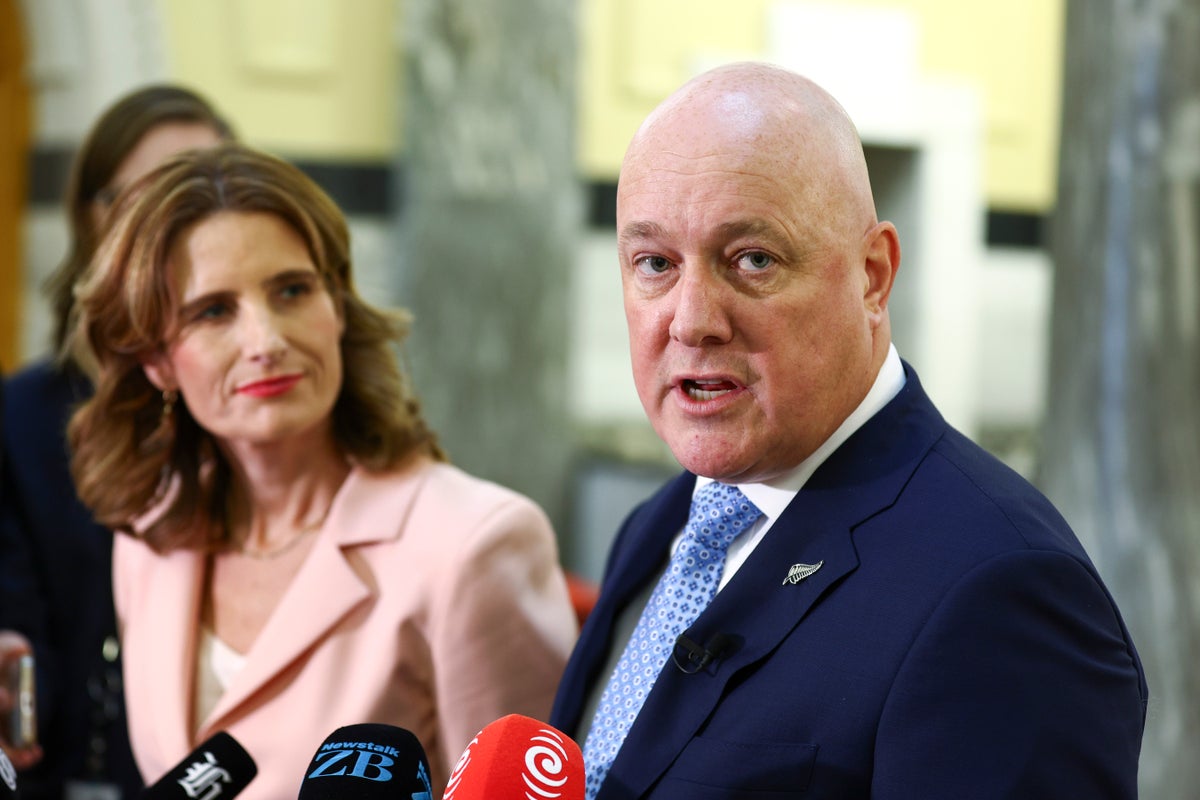
New Zealand was set to introduce legislation proposing a ban on social media for children under the age of 16, prime minister Christopher Luxon announced on Monday.
Under the plan, tech firms face penalties of up to 10 per cent of their global revenues if they fail to comply.
The proposed law would mandate that platforms implement reasonable age-verification measures, utilising digital identity documents, facial technology, and existing account data.
Mr Luxon emphasised the government’s duty to protect young people. “We simply can’t accept the harm being done to a generation of New Zealand children,” he said in a statement.
“Social media is exposing them to harmful content, addictive technology and pressures they are not equipped to deal with and it’s affecting their family life, mental health, sleep and education.”
However, the bill faced an uncertain path through the parliament after New Zealand First, a coalition partner, confirmed its opposition.
“We’ve been concerned with the proposed legislation and the direction and slippery slope that legislation like this will inevitably take our country,” the party’s leader and the country’s foreign minister Winston Peters said.
In December, Australia became the first country in the world to ban social media for under-16s, blocking access to services like TikTok, Alphabet’s YouTube and Meta’s Instagram and Facebook.
That law was a “colossal failure”, Peters said, stating that keeping children off platforms was a parental responsibility.
Speaking at an event, Mr Luxon conceded the challenge ahead. “I won’t pretend that it will be simple or that it will be perfect,” he said. “We won’t get every single child off social media. Some will always find ways around it, but frankly, it’s just way too important not to at least try.”