


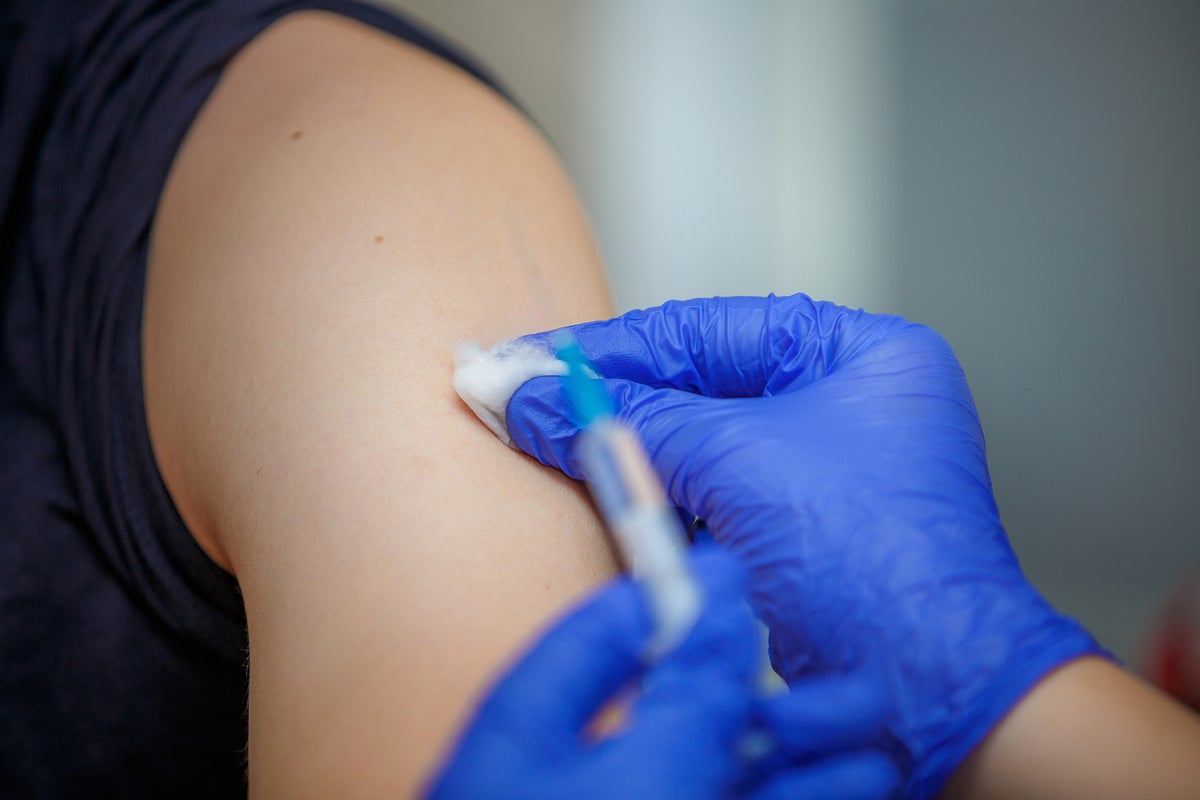
Scientists are testing a new vaccine designed to rejuvenate the immune system to tackle diseases such as cancer, HIV and dementia.
The first in-human clinical trial will focus on targeting worn-out T-cells –a type of white blood cell that helps coordinate the body’s immune response.
These cells accumulate with age and chronic disease and become less effective at coordinating immune protection, leaving people more vulnerable to illness and less likely to fight infection or disease.
Researchers hope that resetting these cells may help the immune system regain the characteristics of younger, healthier immune responses.
The new jab, developed by biotech company SenTcell and founded by Dr Alessio Lanna at University College London (UCL) Medicine, aims to rejuvenate these worn-out cells by restoring the immune system’s natural ability to recognise and respond to threats.
“People living with HIV are now able to live long and healthy lives thanks to major advances in treatment, but many still experience features of accelerated immune ageing. Similar patterns of immune dysfunction are also seen in cancer and other chronic diseases,” Dr Lanna said.
“This trial is an important step towards testing whether we can safely rejuvenate exhausted immune cells and restore aspects of healthy immune function. Our goal is to help establish immune rejuvenation as a new way of treating diseases linked to immune ageing and dysfunction.”
Researchers are focusing on CD4+ T cells, often described as the “conductors” of the immune system because they help direct other immune cells to respond to infection, cancer and disease.
Inside every cell, chromosomes are protected by structures called telomeres which help prevent damage, but over time telomeres gradually shorten – a well-established marker of biological ageing.
Previous lab studies suggest that rejuvenated CD4+ T cells may be able to release telomere-containing structures into the bloodstream. Researchers want to investigate whether they could help explain how rejuvenated immune cells influence the health and function of other tissues throughout the body.
However, this idea is still being investigated and has not yet been demonstrated in humans.
The research programme has received support through the Medicines and Healthcare products Regulatory Agency’s (MHRA) Innovative Licensing and Access Pathway (ILAP) and hope to start the trial later this year.
UCL researchers are preparing for Phase 1 of the trial, which will select adult participants who have immune dysfunction, including immune ageing and chronic viral infection. Participants will undergo detailed immune profiling before and after treatment. Investigators will look at whether the therapy can restore features of healthy immune function.
If successful, immune rejuvenation could be used as a new approach by restoring the immune system instead of targeting each pathogen or disease process separately.