


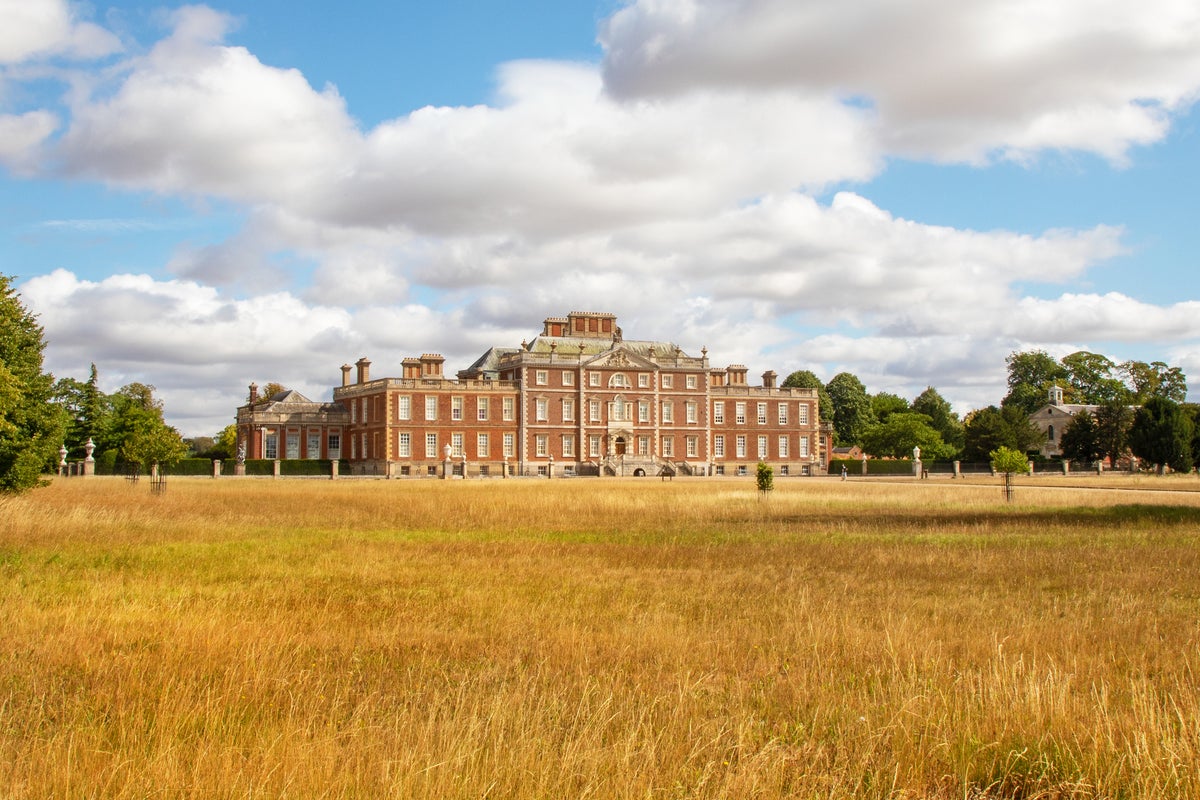
Drought conditions have left a National Trust estate facing a hay shortage, with stalling grass growth forcing livestock onto winter feed months early.
The conservation charity revealed that meadows at Cambridgeshire‘s Wimpole Estate, which usually generate 150 tonnes of hay, have yielded nothing.
Marking the site’s third major drought in five years, conservationists are speeding up climate resilience projects.
These schemes encompass tree planting, enhanced rainwater retention, and conservation grazing to restore habitats and curb wildfire risks.
The National Trust said selective breeding is also helping livestock cope better with dry conditions.
 open image in gallery
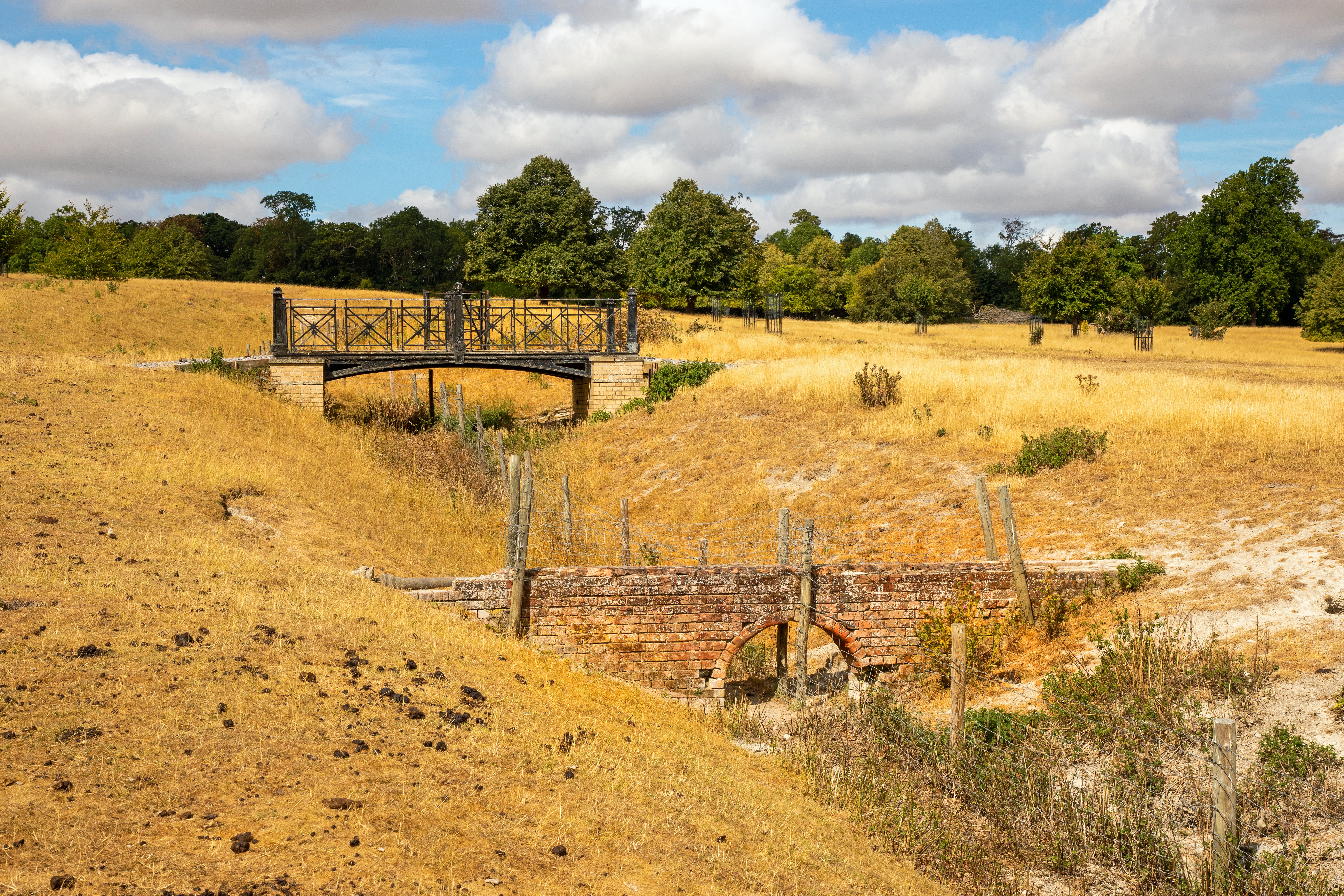
Dave Hassall, National Trust farm and countryside manager, said: “Drought affects every part of the system – crops, grassland, livestock, wildlife and costs.
“We’re already using winter feed because summer growth simply hasn’t happened.
“These pressures are being felt across all farming systems, and they show why adapting to a changing climate is essential for food production, nature and rural communities.”
The National Trust said Wimpole Estate is its largest organic in‑hand farm, with 1,200 hectares (3,000 acres) of land.
Grain yields are down by around 25%, and straw production has fallen from 200 bales to just 60.
Wildlife habitats are under pressure, with invasive species such as ragwort and thistles spreading rapidly in the dry conditions, and soil health has suffered with cracked ground.
 open image in gallery
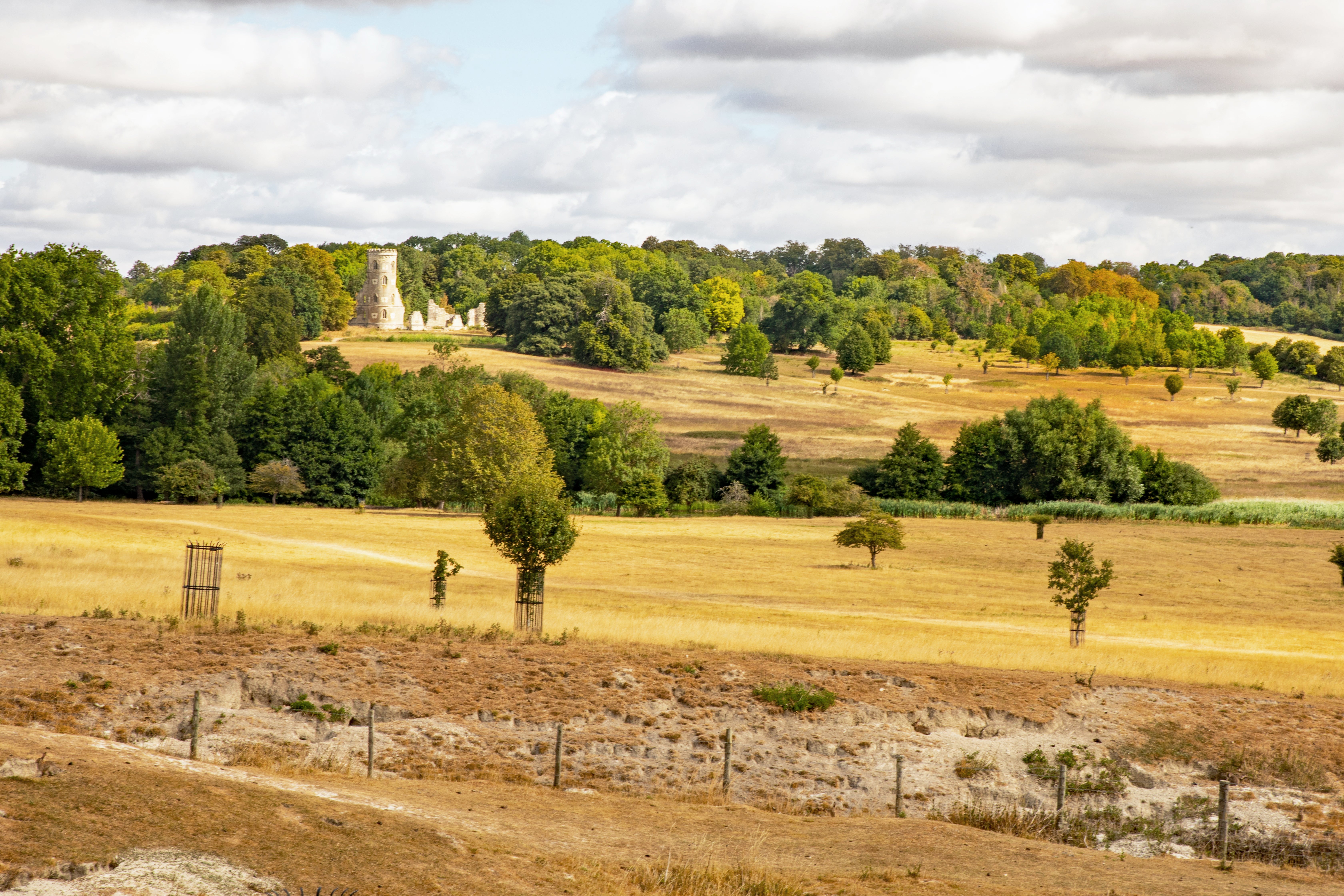
Veteran trees are showing signs of stress, and disrupted weather patterns are creating mismatches between flowering plants and pollinating insects – with consequences for both biodiversity and food production.
Efforts are under way to help the estate adapt in the face of climate change, with 125,000 trees planted since 2021 to improve shade, soil health, moisture retention and habitat resilience.
The estate is trialling alternative forage sources such as willow and aspen, and exploring more drought‑tolerant crop varieties.
Mr Hassall said Wimpole Estate “has adapted for 2,000 years” and “that spirit continues”.
He added: “We welcome recent Government support for farmers, but long‑term resilience requires sustained investment in nature and climate adaptation.
“We cannot do this alone.”
The National Trust is calling on the Government to make climate resilience a national mission, led at Cabinet level, to invest in nature as essential infrastructure, and to support fire and rescue services.
Members of the public can back this call by signing the trust’s petition at nationaltrust.org.uk/wildfire-petition.