


 Image source, Getty Images
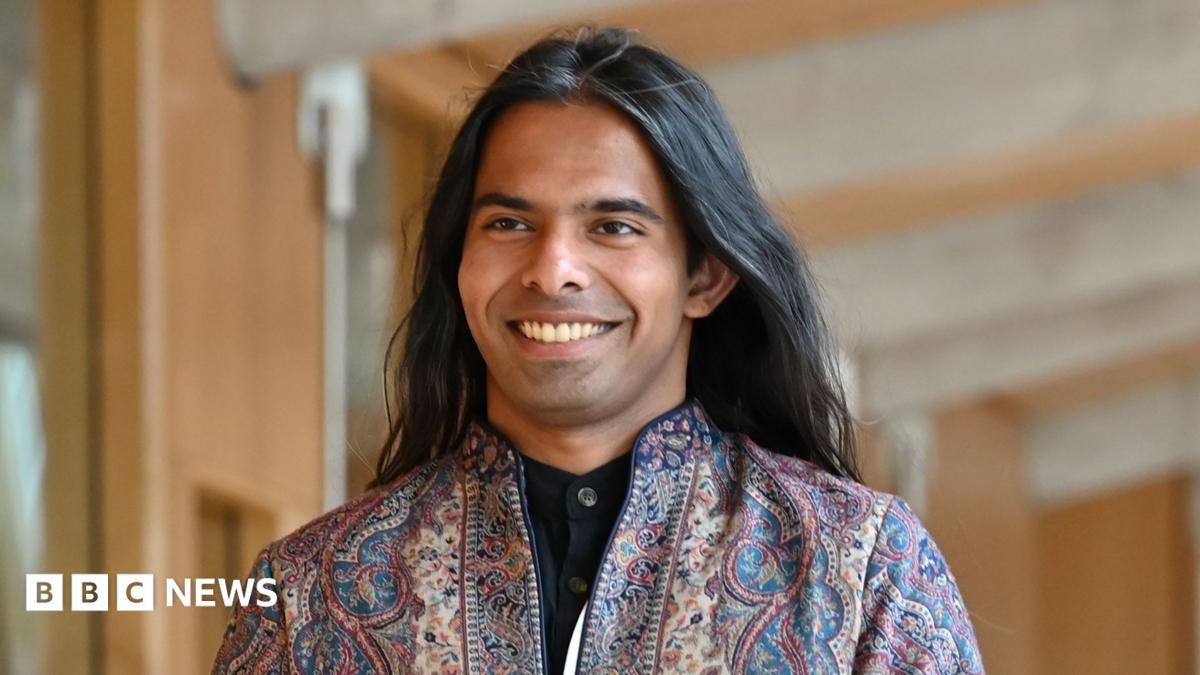
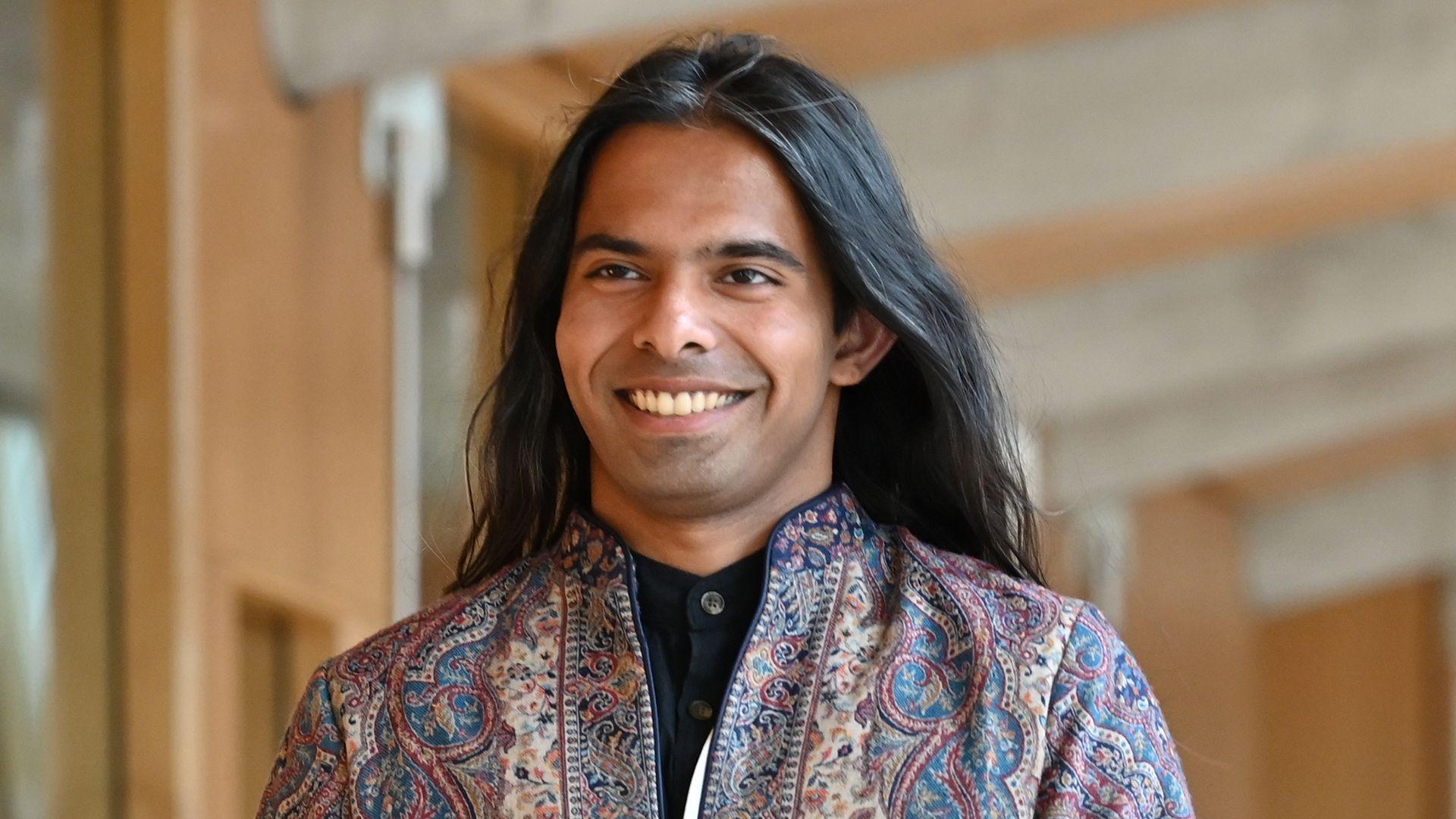
Manivannan was elected to the Scottish Parliament as a Green MSP in May’s election
ByCalum WatsonBBC Scotland
A newly-elected MSP has apologised for the hurt caused by comments in which they talked of the “demonisation” of rape.
Scottish Green Party politician Q Manivannan has also faced criticism for suggesting rape is a “spectrum of things” during a podcast recorded before they were elected to the Scottish Parliament.
Earlier, the Scottish Rape Crisis Alliance (SRCA) – which represents four rape crisis centres – said there is “no hierarchy of rape” and warned the MSP not to minimise sexual violence.
In a statement, Manivannan said clips from the podcast had been “selectively edited” but said they were “sorry” for the upset, and insisted they would never seek to diminish a rape survivor’s experience.
The comments, which were made during The Subjective Space podcast , externalrecorded last year, sparked fury after they re-emerged online at the weekend.
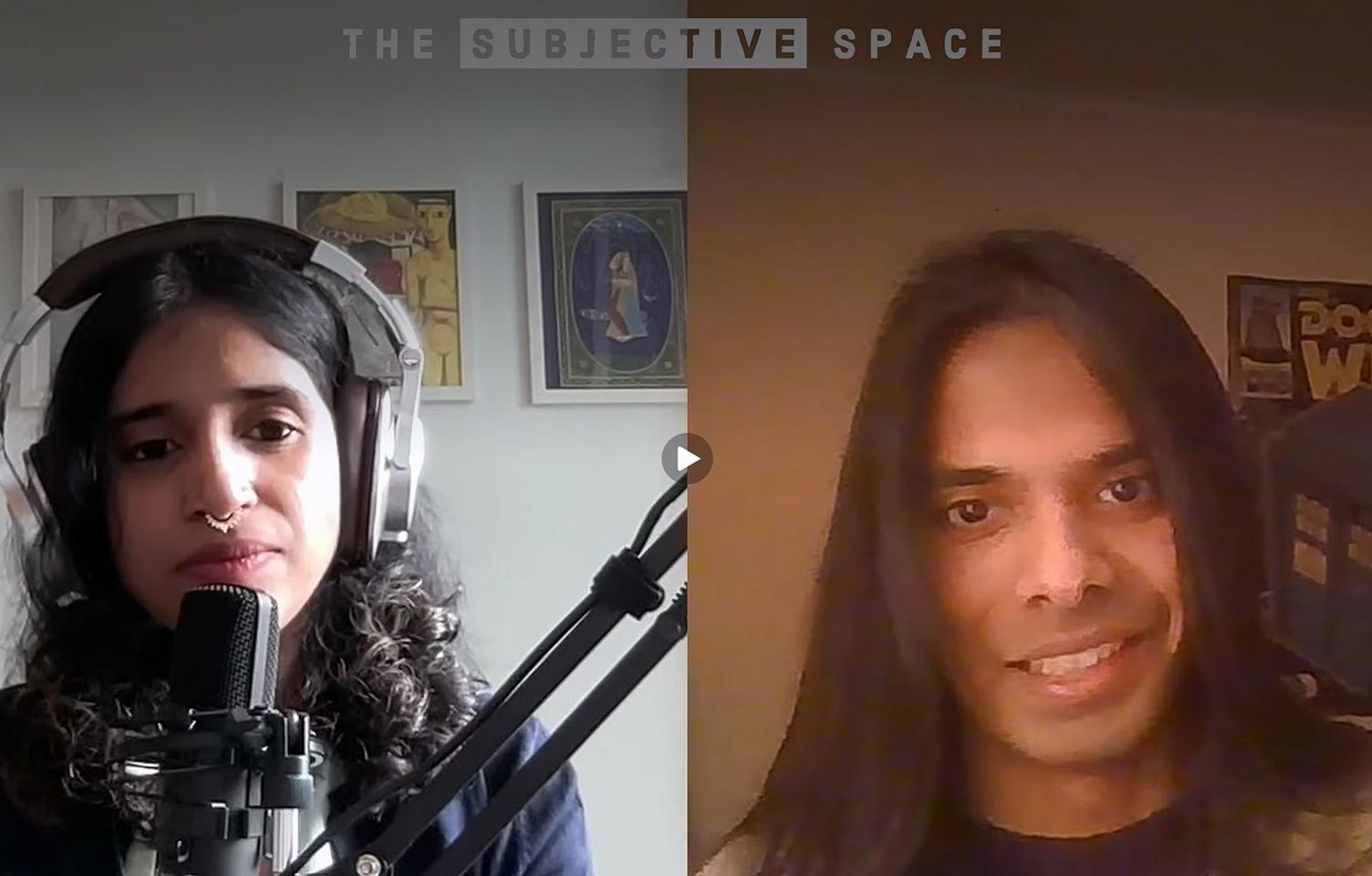
The comments were made in a podcast recorded before Manivannan was elected as an MSP
Manivannan, who identifies as non-binary and uses they/them pronouns, was being interviewed about the challenges facing carers in society when the discussion considered the issue of the rehabilitation of rapists.
The Edinburgh-based former writer and academic said there was a “myth of the monster rapist” and “a demonisation of rape in the sense of it is a spectrum”.
They continued: “It is a spectrum, none of which is any less or worse, but it is a spectrum of things that constitute one homogenised word ‘rape'”.
Manivannan went on to argue that the idea of a rapist as a “big burly man” was understandably a source of fear.
But the MSP told the female podcast presenter that “any individual is capable of rape, including yourself and me, and I think that scary thought is the hardest to contend with”.
The comments have been widely criticised by survivors groups and political opponents who said they downplayed the seriousness and lasting trauma of rape.
The SCRA, which comprises support groups in Glasgow, Lanarkshire, Ayrshire and the Western Isles, said the impacts of rape can last a lifetime, and the crime should never be reduced to a theoretical debate.
In an open letter the alliance said: “We are not demonising rape. We are naming it.”
The authors strongly opposed the idea of rape existing on a “spectrum”, insisting “there is no hierarchy of rape” and that no survivor should feel compelled to ask whether their experience was serious enough.”
The letter urged politicians “not to normalise” rape or sexual violence, and “not create hierarchies of harm”.
While not naming Manivannan, the United Nations Special Rapporteur on Violence against Women and Girls, Reem Alsalem, posted on X that rape should never be spoken about in terms of it being a spectrum.
Scotland’s Children’s Minister Siobhan Brown told the BBC’s Sunday Show Manivannan’s words were misjudged.
Scottish Labour and the Scottish Liberal Democrats have also been critical, while the Scottish Conservatives called on the Scottish Greens to suspend the MSP.
Meghan Gallacher, the party’s equalities spokeswoman, said: “It is deeply alarming that anyone, but especially an elected representative, would ever seek to minimise the seriousness of rape and suggest that there is a spectrum of offences.”
In a statement issued on Monday afternoon, Manivannan said they were “horrified” that the comments had been “selectively edited in order to mislead people and misrepresent me”.
The MSP said that during the interview they had categorically stated that every rape in every context is equally serious and harmful but this had been “maliciously” left out of clips.
They added: “I recognise that the words in the clip shared, without the full context of the conversation, have caused considerable upset.
“For that I apologise. I will always stand with and for victims and survivors.”
Manivannan said they were themselves a survivor of sexual violence and understood the enduring trauma of such an experience.
“I would never seek to diminish or dismiss any survivor’s experience, or to make anyone feel that their pain was not heard or understood,” they added.
“I am genuinely sorry to everyone who has been distressed, hurt or triggered by the clips, and by the discussion and coverage that has followed.
“Words matter, particularly when speaking about something as deeply personal and painful as sexual violence, and I regret this hurt caused.”