


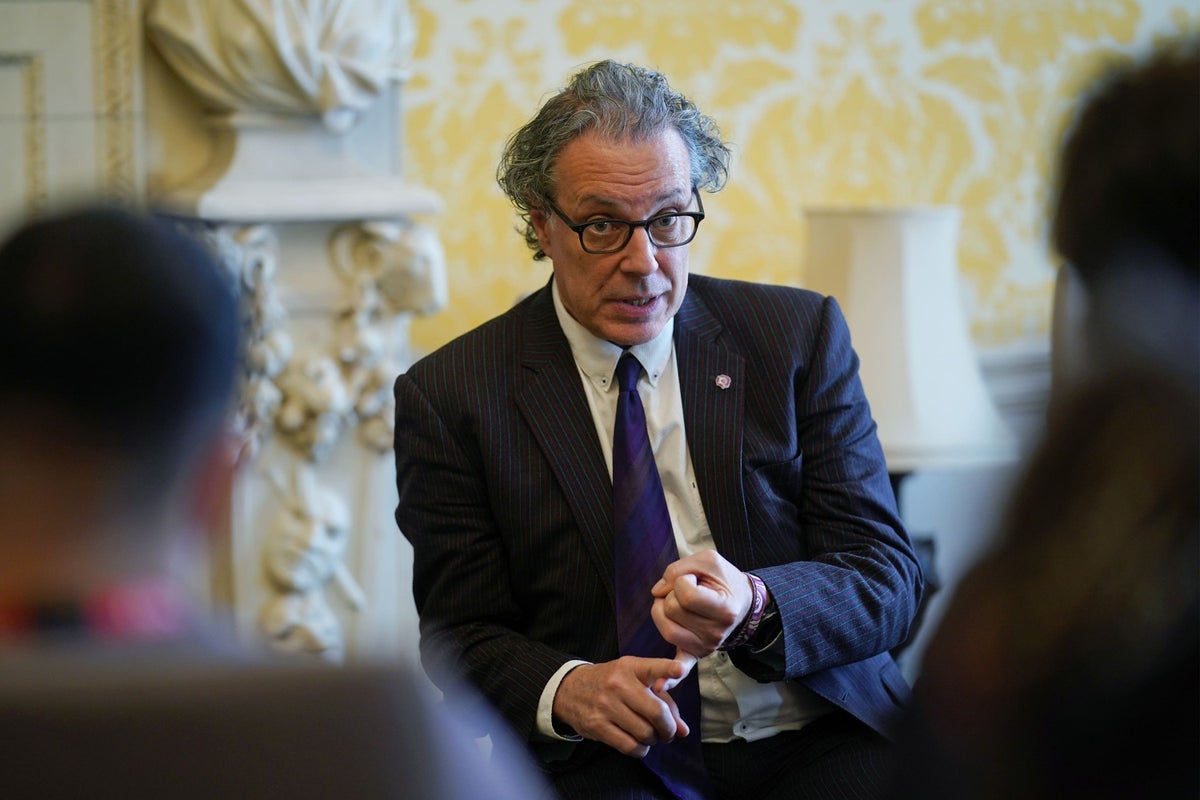
The father of Molly Russell has said his daughter would be fighting to make the online world safe if she was still alive, as he and other bereaved parents urged the Government to take urgent action to tackle social media harms.
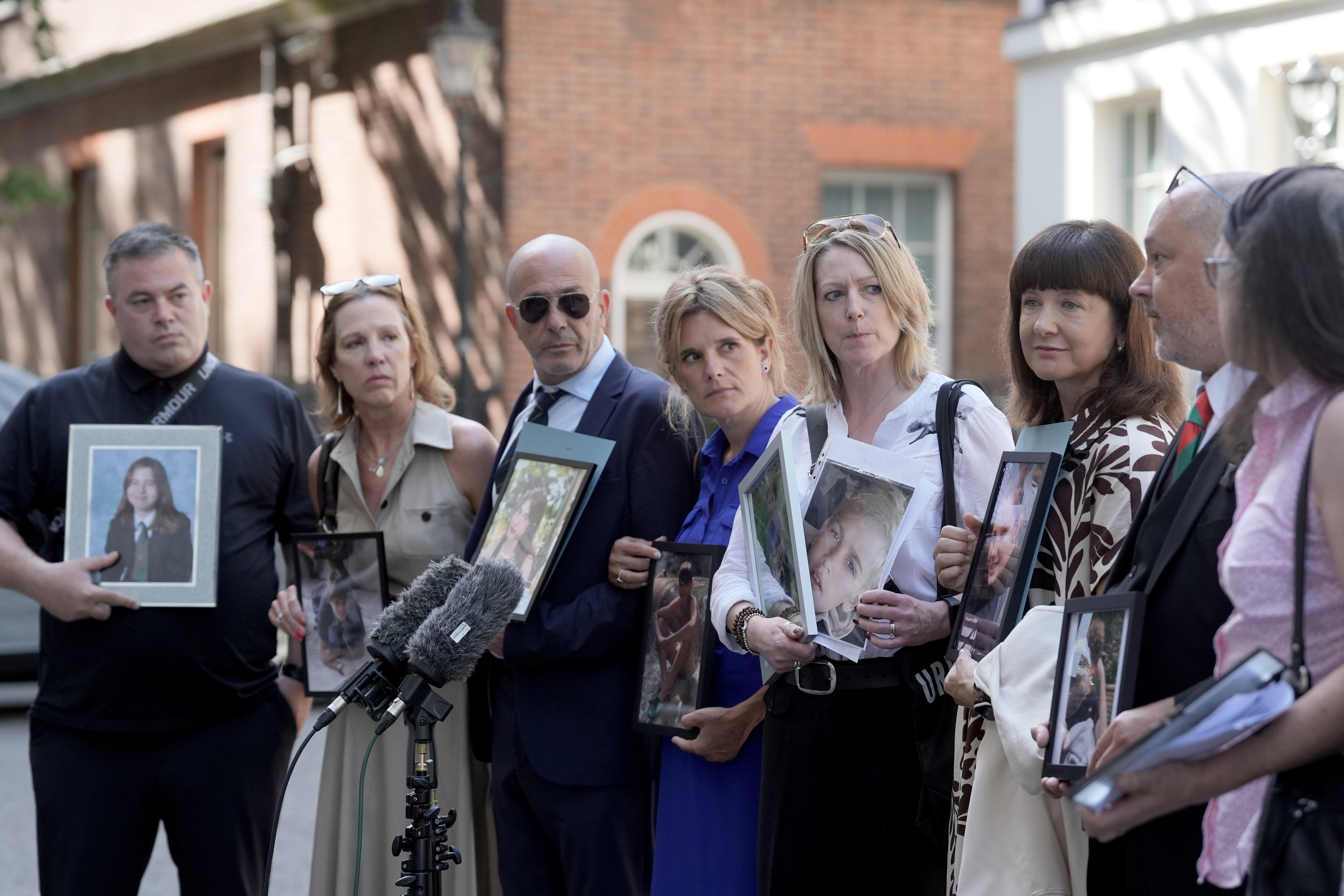
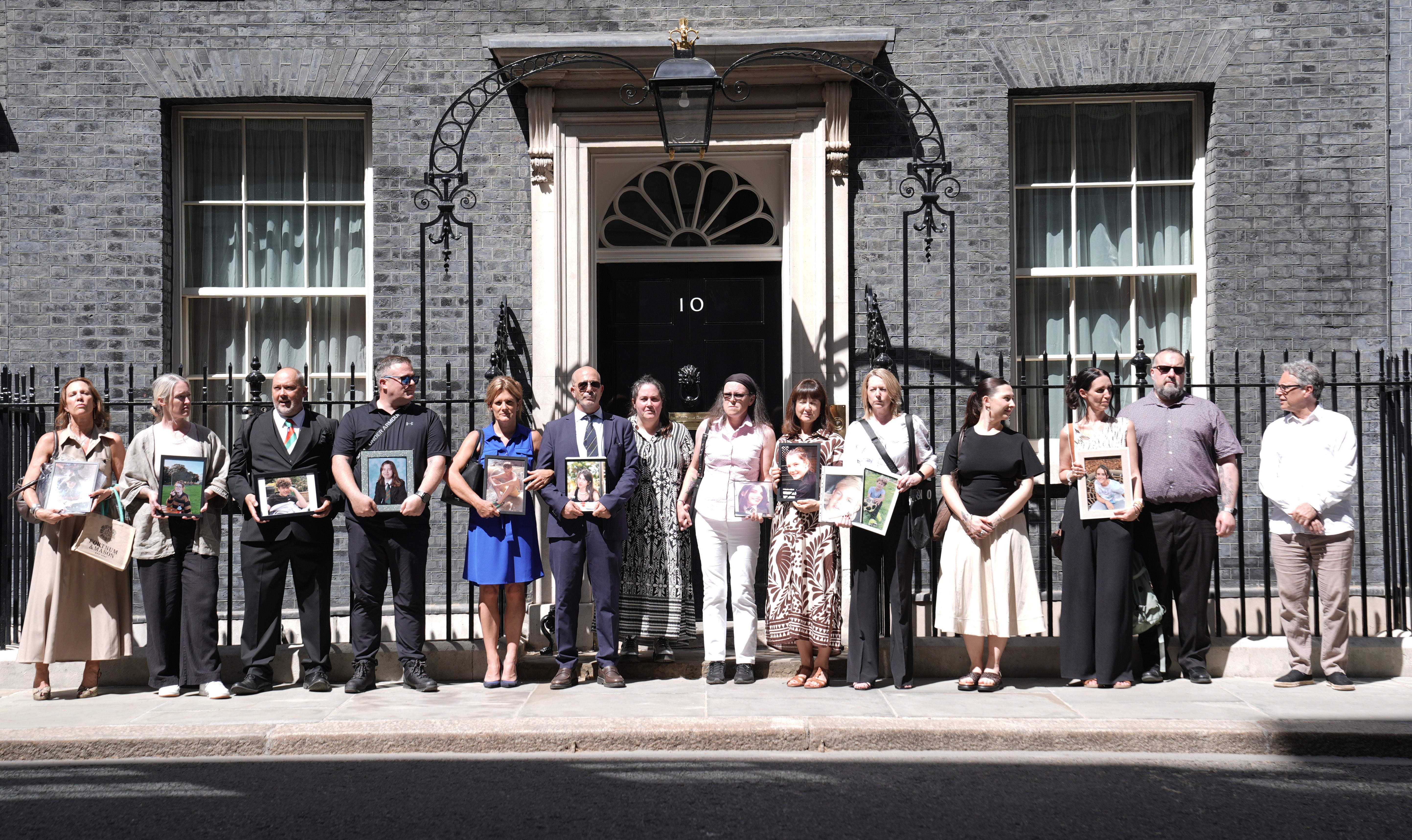
Campaigners, whose children’s deaths were linked to social media, were told during a meeting with the Prime Minister on Tuesday that measures to protect youngsters should be announced in “weeks, not months”.
It came ahead of the deadline for the Government’s consultation on what action it should take, titled Growing Up In The Online World, which closed just before midnight.
 open image in gallery
More than 80,000 responses were submitted, including from more than 40,000 parents and 13,000 young people, and a raft of measures are being considered – ranging from a ban on under-16s using social media to limiting scrolling or imposing overnight curfews for children.
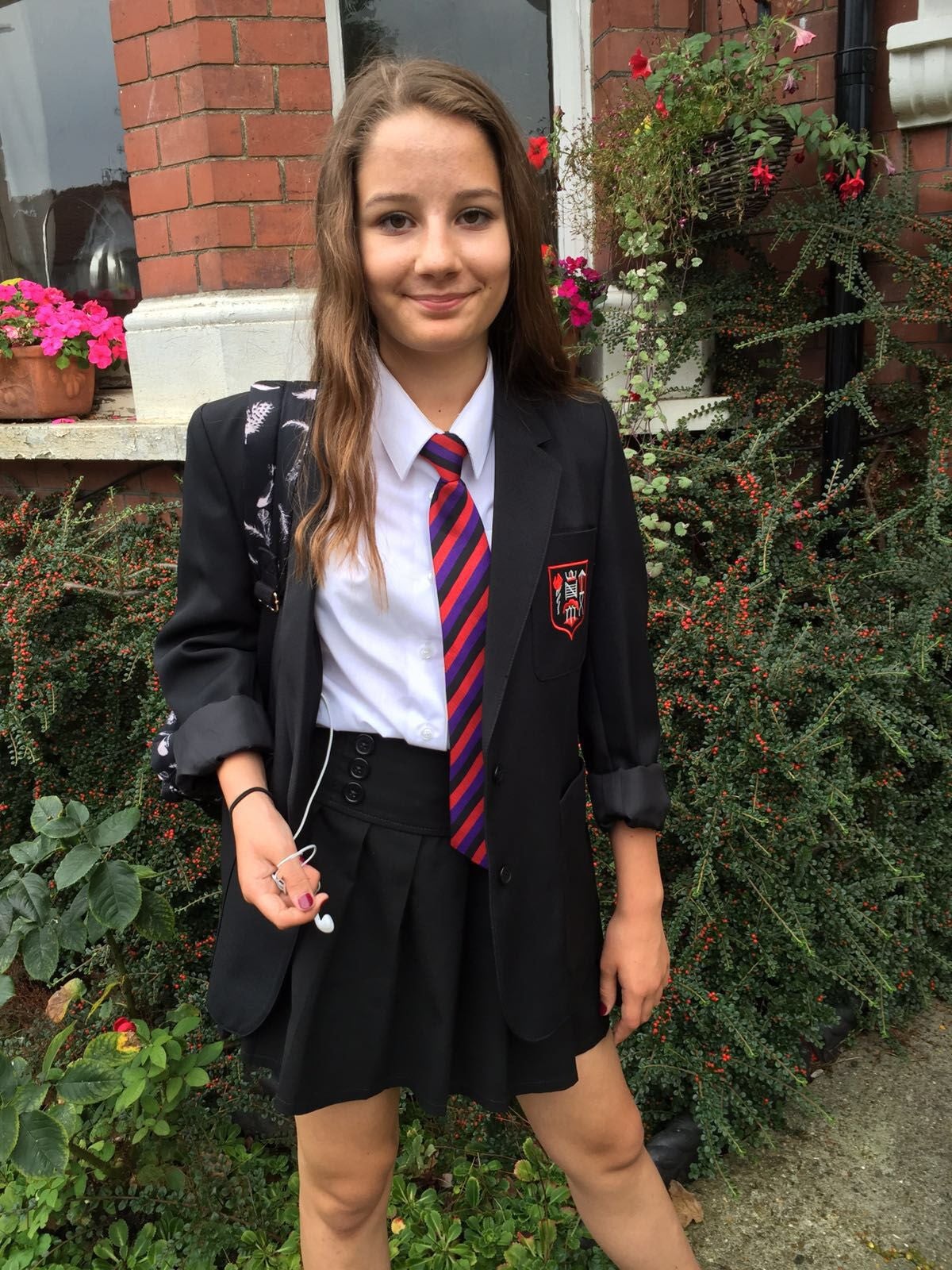
Ian Russell, whose 14-year-old daughter Molly took her own life in 2017 after viewing harmful content online, branded it “unacceptable” that young people today are encountering the same harmful content that his daughter did.
Remembering Molly as a “campaigner” who stood up for what she believed was right, Mr Russell told the Press Association: “Molly was a very ordinary young person who just happened to click on a few wrong things on the internet and then the algorithms, which were brand new to the world at the time, kicked in and fed her ever more stuff.
“She should still be here now, and if she was she’d be fighting to make the digital world as safe as possible for others to use.”
 open image in gallery
He said introducing a blanket ban would be “an admission of failure” from the Government, explaining children would inevitably find their way around it and that effectively outlawing social media for under-16s would discourage them to speak up if and when something went wrong.“I’ve been saying this for years since Molly died because of course the one conversation I wish Molly had somehow found the courage to have with us as her parents would be the one (in which) she might have said, ‘Dad I think I’ve got a problem, I’m thinking of ending my life’,” Mr Russell told PA.
“I can’t blame her for not having that conversation… for a 14-year-old to tell their parents that that’s the place they’ve found themselves in, it’s almost impossible, and anything that makes that harder is quite literally potentially life threatening.”
Instead of a ban, Mr Russell is urging the Government to end engagement-based algorithms, infinite scroll and disappearing messages for young people, as well as implement measures that stop strangers from being able to contact a child online.
He said building safe platforms must be “the price” of tech firms doing business in the UK.
“We wouldn’t let a car on our roads in the UK without it passing our safety standards,” he told PA.
“I don’t see why we shouldn’t learn the lessons from our offline world and apply similar rules and regulations to the online world.”
Ellen Roome, who believes her son Jools Sweeney died aged 14 after looking at harmful content online, said outside Number 10 on Tuesday afternoon: “I pushed quite hard on why haven’t they done something now, and this whole thing around the consultation was because various charities have said they need to consider their views.
“While we’re waiting, more and more children are dying.
“They need to take action – apparently that will be weeks, not months.”
 open image in gallery
Ruth Moss, whose daughter Sophie Parkinson, 13, died in 2014, told PA she has been campaigning for almost 12 years.
“I hope that our voices were heard – I think they were, it was a listening exercise and the Prime Minister did listen to what we were saying and listen to what we want,” she said.
The Education Committee urged the Government to enforce a statutory ban on the use of social media for children under 16 in a report published last week.
Chair of the committee, Helen Hayes, said: “From bullying and misogyny to abuse and sexual exploitation, children and young people growing up today face a deluge of serious harms whenever they log on to social media.”
A survey on 13- to 20-year-olds’ experiences of online misogyny, conducted in March by Censuswide for children’s charity Barnardo’s, found a quarter of girls have been called degrading names online.
 open image in gallery
A quarter of the 4,000 young people polled said they had seen a nude photo that was originally sent privately and then shared, while 15% of 13- to 15-year-olds had been asked to share a nude image of themselves.
One in five boys said their friends would not back them if they called out sexist comments and 57% said people would think they are “boring” if they did not join in with group “banter”.
Earlier on Tuesday, Sir Keir Starmer said he has tasked the Government with putting together “a game-changer” policy to ensure children’s safety online, pledging action will be carried out “very quickly”.
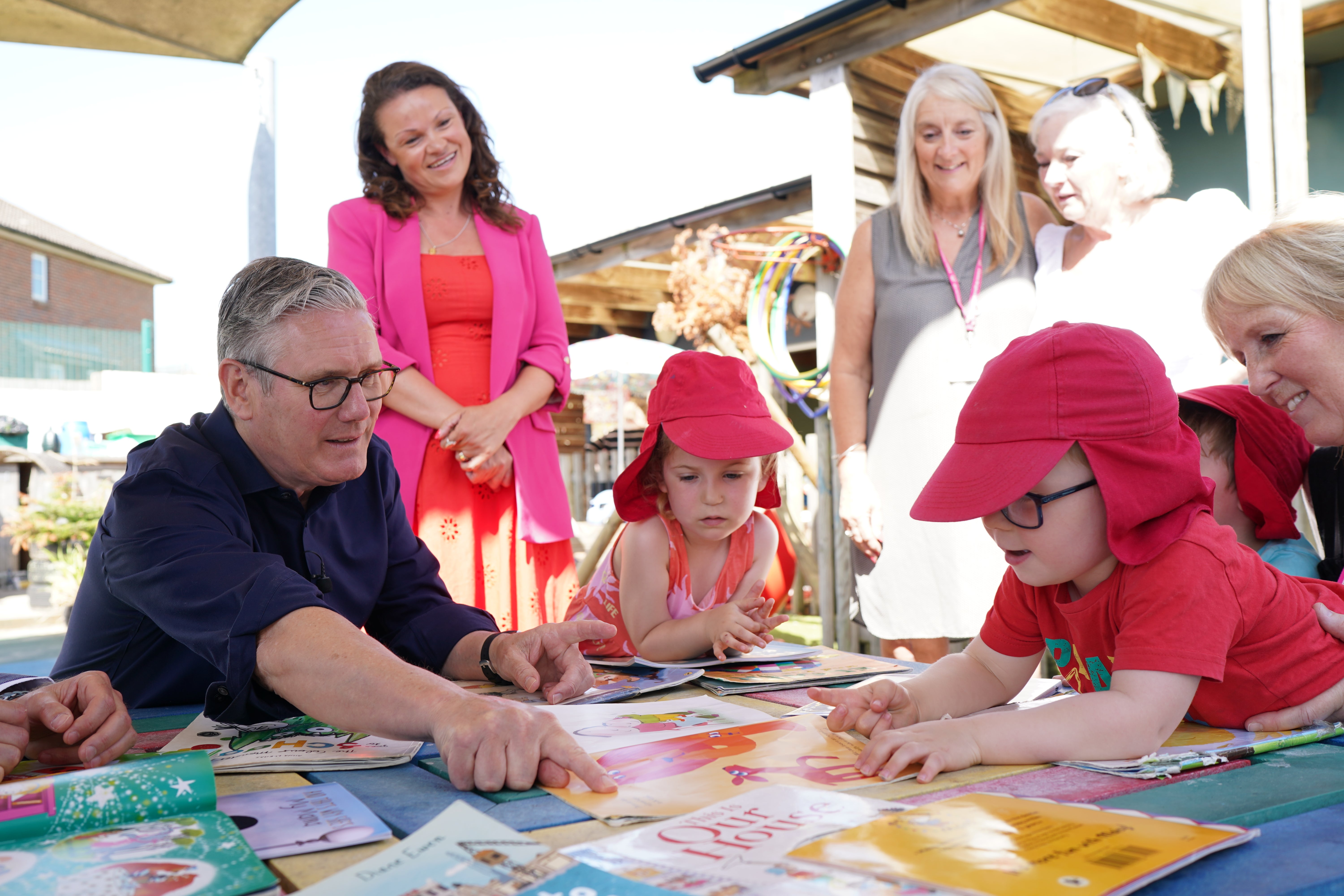
Visiting a nursery school in East Sussex, Sir Keir said: “We will be decisive, because it’s absolutely clear to me that we need to take action to protect children, and we can act quickly.”