


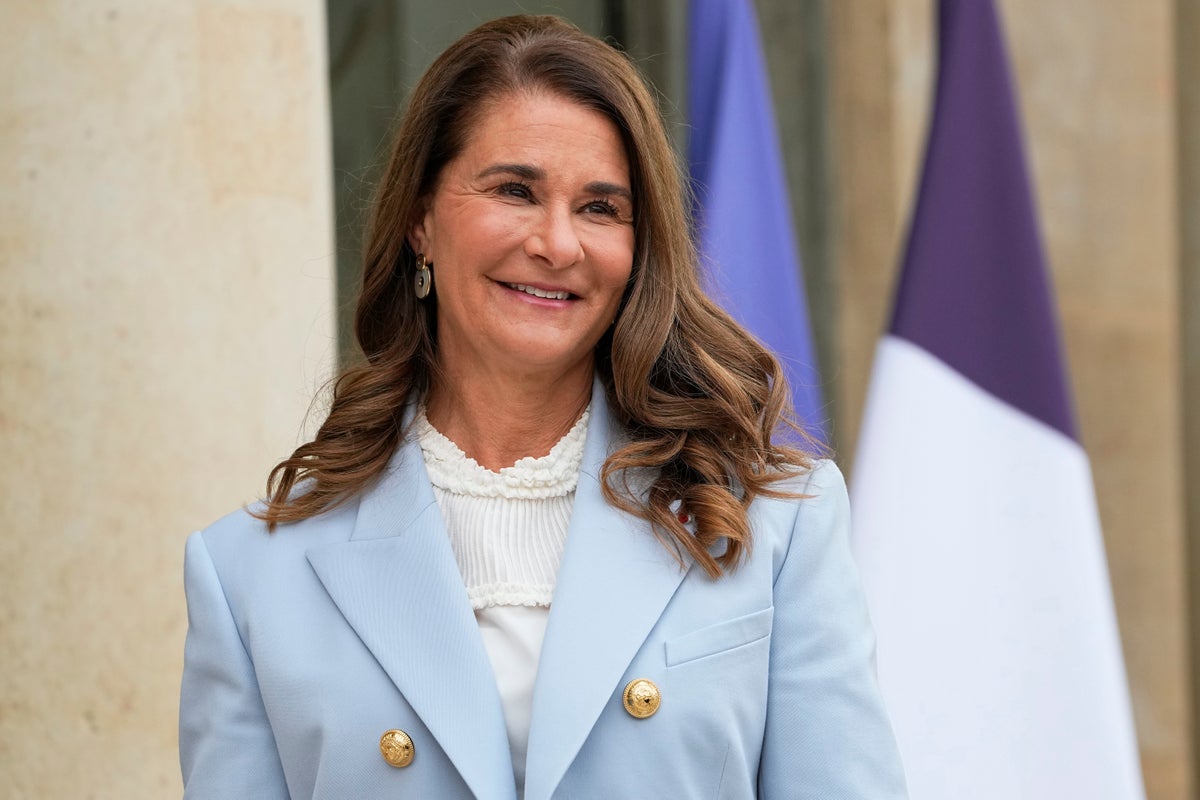
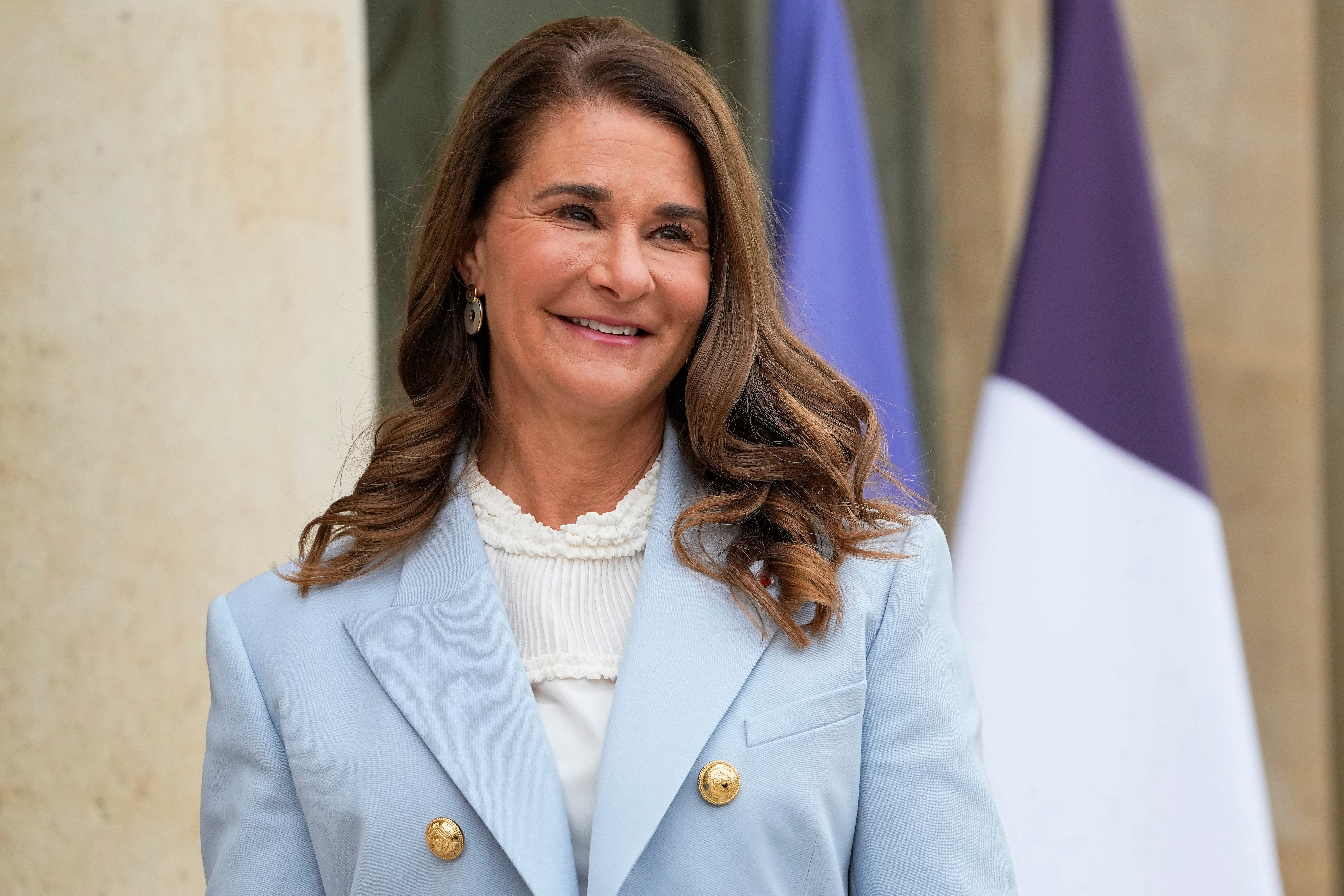
Philanthropist Melinda French Gates has announced a significant expansion of her commitment to global women’s health, pledging an additional $215 million. This new funding will support crucial initiatives including contraceptive access, maternal care, and programs specifically targeting middle-aged women, with a particular focus on menopause research.
The latest donation, revealed on Thursday, elevates French Gates’ total contributions to women’s health to over $600 million within the past two years.
Speaking to The Associated Press, French Gates emphasized that women’s health forms the bedrock of her philanthropic endeavors through Pivotal, the organization she established for her charitable work and investments. “It’s just blaringly obvious that women’s health is fundamental — she has to be well to do well in life,” French Gates stated.
 open image in gallery
Since her departure from The Gates Foundation in 2024, which she co-founded with her now-ex-husband, Bill Gates, and helped build into one of the world’s largest private healthcare funders, French Gates has refined her strategy for supporting women.
This recent funding round underscores a more targeted approach to areas she identifies as critically underfunded. It includes a $40 million donation to Co-Impact for an initiative that embeds mental health support into maternal and primary care, especially in Africa.
French Gates hopes the 10 million donation to The Menopause Society will catalyze broader investment in menopause care in the United States. This specific grant will focus on educating healthcare professionals and expanding outreach in regions with limited access to specialized care.
 open image in gallery
According to the World Economic Forum, despite women comprising half the global population, health issues uniquely affecting them receive only two percent of private healthcare funding. This disparity has led to a significant lack of dedicated products and services.
“The role of philanthropy, in my opinion, is to look at some of these societal problems that have been left behind, and shine light on them, show ways of making progress so you can then crowd in other donors and ultimately crowd in government funding,” she explained.
“Part of what I’m doing here, I hope, is sending a signal to say, ‘This is really important. Let’s do something about it.’ And my hope is that I’ll be able to get others who will join me.”
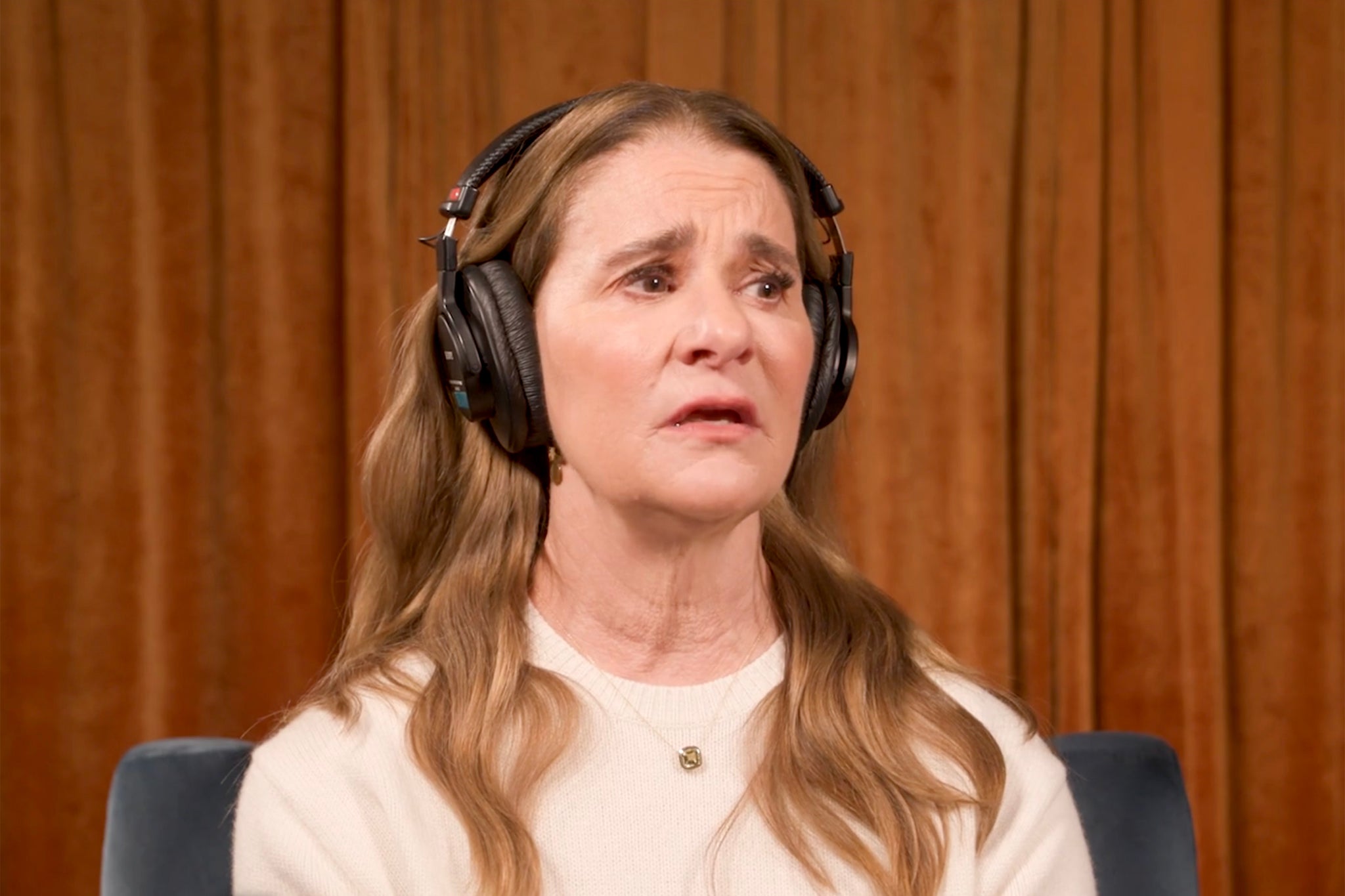
Dr. Stephanie Faubion, medical director of The Menopause Society and director of The Mayo Clinic’s Center for Women’s Health, highlighted the severe shortage of menopause-competent clinicians in approximately 6,000 US counties.
 open image in gallery
She noted that the donation will enable The Menopause Society to extend its educational resources to more underserved areas.
“Menopause remains one of the most overlooked and underserved areas in medicine, and The Menopause Society believes women deserve better,” Faubion asserted. “We’re ready to make those changes with the support of donors like Pivotal.”
Faubion pointed out that research into menopause treatments was already underfunded, a situation exacerbated by recent medical research cuts implemented by Donald Trump’s administration.
“I think philanthropy is going to fill a greater role than it ever has in the past because we are just not going to have the same type of government funding that we’ve had before,” she said. “Funding is hard to come by these days – much, much harder than it was before. And the need hasn’t gotten away. We still have to do the research somehow.”
While the substantial size of French Gates’ gift is impactful, Faubion believes the attention it generates is perhaps even more crucial.
“It shows that somebody like Melinda Gates and Pivotal feel that this is an important issue,” Faubion remarked. “It will illuminate the gaps that are still there… and it makes people not only aware, but maybe motivated to take some action.”
For French Gates, elevating the visibility of women’s health issues is nearly as vital as increasing funding for them.
“I want women’s health issues to not be invisible,” she declared. “I don’t want the default to be that women are expected to deal with pain and suffering. I want them to be seen for what they’re going through, their real life experiences, and have those issues addressed so they can live their very best lives.”